The most significant shift in modern networking isn’t a new app or a change in office culture; it is the quiet, growing normalization of skipping the alcohol at social events. If you are in your 30s or 40s, you’ve likely noticed that the “work hard, play hard” culture is being replaced by a “work hard, recover well” mindset. Choosing to go zero-proof is no longer about abstinence; it is a tactical choice to reclaim your time, your health, and your professional presence.
- The “Sober Curious” movement is data-driven: Research from organizations like the World Health Organization and recent consumer trend reports show a massive decline in alcohol consumption among Gen X and Millennials, driven by a desire for better sleep and cognitive performance.
- Networking is about connection, not consumption: Alcohol is often a social crutch that masks genuine interaction. Going zero-proof forces you to be more present, making your conversations more memorable and your professional follow-ups more effective.
- Strategic substitution is the secret to success: Transitioning to zero-proof isn’t just about saying “no”; it is about finding high-quality alternatives that provide the ritual of a drink without the physical cost of ethanol.
Why the “Zero-Proof” Shift is More Than a Trend
For most of us in our 30s and 40s, the “hangover cost” has changed. In our 20s, a late night at a networking event might have been survivable with a strong coffee and a bit of grit. Today, that same night results in a lost morning, a foggy afternoon, and a general sense of being behind schedule. The biological reality is that our metabolic rate for processing alcohol slows down as we age, making the “cost” of a few drinks significantly higher.
This isn’t just a personal feeling; it is a global shift. The market for non-alcoholic spirits, wines, and craft beverages has exploded. According to market research from IWSR Drinks Market Analysis, the no/low-alcohol category is growing at a double-digit pace, fueled by consumers who want the social ritual without the impairment. For the busy parent or the career-focused professional, this isn’t about moralizing; it is about optimization.
The Biological and Professional Trade-offs
When you attend a networking event, your goal is to make a lasting impression. Alcohol, however, acts as a depressant that affects your prefrontal cortex—the exact part of your brain responsible for decision-making, social cues, and complex thought. When you are zero-proof, you stay sharp. You remember the details of the conversation that your counterpart might forget by the next morning. You are the one who sends the follow-up email with the specific details promised during the chat, while others are still recovering from a headache.
Common mistakes in this transition include over-explaining your choice. You don’t need to justify your drink order to anyone. A simple “I’m sticking to club soda tonight, I have an early start tomorrow” is enough. Most people are either too preoccupied with their own drink or secretly envious of your discipline to push back.
The biggest hurdle to going zero-proof is the social architecture of networking. We are conditioned to think that alcohol is the “social lubricant” that makes connections happen. If you remove the lubricant, do the gears stop turning? Not at all. In fact, they often turn more smoothly.
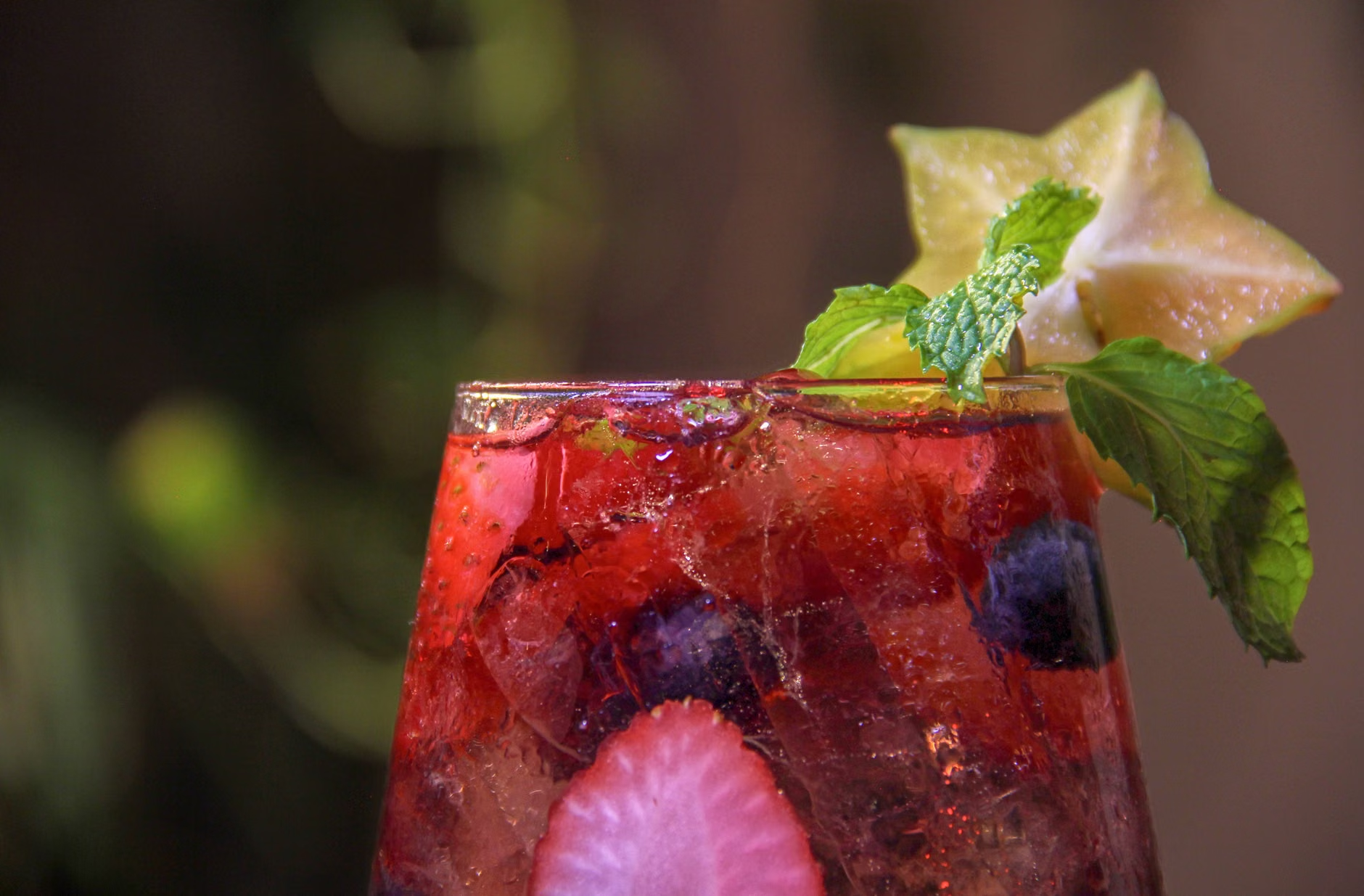
To successfully navigate these events, you need a strategy for the “ritual” of drinking. Humans are creatures of habit. We like holding a glass; we like the clink of ice; we like the feeling of having a drink in our hand to signal that we are “settled” in a social space. If you replace the alcohol with a high-quality alternative—like a craft tonic with bitters, a sparkling botanical tea, or a complex zero-proof spirit—you maintain the social ritual without the physiological downside.
Step-by-Step: The Zero-Proof Networking Protocol
| Action | Why it works |
|---|---|
| Order first at the bar | Ordering your non-alcoholic drink before others forces the pace and sets the tone. |
| Focus on the “Host” role | When you act like a host—introducing people, facilitating conversation—you become the center of gravity. |
| Exit on your terms | Without the “one more drink” trap, you can leave at the peak of your engagement. |
The most effective networkers are those who control their environment. By choosing a zero-proof path, you are effectively choosing to be the most reliable person in the room. When you aren’t waiting for the next round or managing the effects of consumption, you can dedicate 100% of your focus to the people you are meeting. This is a competitive advantage in a world where attention is the scarcest resource.
The Hidden Costs of “Liquid Networking”
We often talk about the benefits of alcohol in terms of “breaking the ice,” but we rarely discuss the hidden costs for those of us in our 30s and 40s. Beyond the obvious physical toll, there is the “time debt.” If a networking event leaves you unproductive for the following morning, that is a direct cost to your career trajectory or your parenting responsibilities. A 90-minute event on a Thursday night shouldn’t cost you four hours of productivity on a Friday morning.
Furthermore, there is the “social mask.” If you feel you need alcohol to be charming, funny, or engaging, you are actually limiting your own growth as a communicator. Learning to be comfortable in your own skin—without the softening edges of a cocktail—is a skill that compounds over time. It makes you more authentic, and in the world of professional relationships, authenticity is the highest currency.
Common Misconceptions About Zero-Proof Socializing
One common fear is that you will be perceived as “boring” or “hard to talk to.” This is rarely the case. In fact, most people find that zero-proof individuals are better listeners. When you aren’t distracted by the desire for another drink or the physical sensation of mild impairment, you are fully present. You remember the names of children, the details of projects, and the specific pain points your contacts mentioned. That is the stuff that builds long-term professional loyalty.
Another misconception is that the options are limited. Ten years ago, you were stuck with soda water and lime. Today, the zero-proof market is vibrant. Many high-end bars now have dedicated menus for non-alcoholic craft cocktails that are just as complex and well-balanced as their boozy counterparts. Don’t be afraid to ask the bartender for something creative. Most take pride in the challenge of making a great non-alcoholic drink.
Implementing the Shift in Your Daily Life
Transitioning to a zero-proof lifestyle doesn’t have to happen overnight. You don’t need to sign a contract or announce it to the world. Start by simply observing your own habits. When do you drink? Is it because you enjoy the taste, or is it because it marks the boundary between “work time” and “home time”?
If it is the latter, find a new boundary. Perhaps it is a specific tea, a walk around the block, or a dedicated 15 minutes of reading. The brain craves ritual. If you provide a non-alcoholic ritual that signals the end of the day, you will find that you don’t miss the alcohol nearly as much as you thought you would.
Practical Steps for Success
- Audit your environment: If you keep alcohol at home, replace it with high-quality alternatives that you genuinely enjoy. If the alternative isn’t good, you will revert to the old habit.
- Prepare for the “Why”: Have a prepared, lighthearted answer for when people ask why you aren’t drinking. “I’m on a health kick,” or “I’m driving tonight,” or even just “I’m taking a break from the booze for a while” are all perfectly acceptable.
- Observe the “Aftermath”: Track how you feel the next morning. The clarity of mind you experience after a night of zero-proof socialising is a powerful motivator to keep going.
Ultimately, this is about reclaiming control. As we enter our 30s and 40s, we have more responsibilities than ever. We are juggling careers, children, aging parents, and personal goals. Anything that helps us maintain our energy levels and our focus is a tool worth using. The zero-proof movement is simply a recognition that we have better things to do than recover from a night out.
Frequently Asked Questions
Is it awkward to order a non-alcoholic drink at a business dinner?
Not at all. In professional circles, the focus is increasingly on health and performance. If you order a premium non-alcoholic cocktail or a sparkling water with a twist, it is seen as a sign of discipline and professional focus. Most high-level executives are far more concerned with your clarity of thought than the contents of your glass.
What if I feel like I’m missing out on the “fun”?
The “fun” you feel you are missing is likely a temporary dopamine spike. True social connection—the kind that leads to long-term professional relationships or deep personal bonds—happens through active listening and engagement, not through shared intoxication. If you find yourself needing alcohol to have fun, it might be worth exploring what about the environment or the company makes you feel that way.
How do I handle peer pressure from friends who still drink?
True friends will respect your choices without needing a detailed explanation. If you find that your social circle is pressuring you to drink, it might be a sign that you need to shift the focus of your meetups. Instead of meeting at a bar, suggest an activity-based hangout: a hike, a coffee, or a dinner at a place with great food where the drink is secondary. You will likely find that many of your friends are secretly looking for an excuse to drink less as well.
For more reading on the science of alcohol and its impact on your daily life, you can explore the resources provided by the World Health Organization regarding alcohol consumption and health. Remember, the goal is not to be perfect, but to be intentional. Choose the path that allows you to be the most present, productive version of yourself.