Integrating your heat pump with a “smart-grid” is the single most effective way to lower your annual heating and cooling costs by 15% to 30% without sacrificing your family’s comfort. By allowing your heating system to communicate with your local utility provider, you can automatically shift energy-intensive tasks to times when electricity is cheapest and cleanest.
- Dynamic Pricing is Key: Smart-grid integration only saves money if your utility provider offers time-of-use (TOU) rates; without these, the “smart” feature remains largely underutilized.
- Thermal Storage Strategy: Your home acts as a battery. By pre-heating or pre-cooling during off-peak hours, you use the building’s insulation to maintain comfort during expensive peak-pricing windows.
- Automated Efficiency: Most modern heat pumps require a compatible smart thermostat or a dedicated energy management system (HEMS) to bridge the gap between grid signals and your equipment.
Why Smart-Grid Integration Matters for Your Monthly Budget
If you are in your 30s or 40s, you are likely managing a household budget where energy costs are a recurring point of stress. We often think of energy efficiency as “buying a better machine,” but in 2024, it is about “using the machine at the right time.” A standard heat pump is efficient, but a smart-grid integrated heat pump is intelligent.
Most utility grids struggle with peak demand. When everyone gets home from work at 6:00 PM and cranks the thermostat, the grid groans. To prevent blackouts, utility companies charge significantly higher “peak” rates during these hours. A smart-grid enabled heat pump receives a signal from your utility provider (or a third-party aggregator) and automatically adjusts its operation—perhaps lowering the power draw or delaying a defrost cycle—to avoid those expensive peak-rate tiers.
Think of it like grocery shopping. If you buy your milk at 2:00 AM, it might be the same price, but if you buy it during a holiday rush, you pay a premium for the convenience. Smart-grid integration is the equivalent of having a personal shopper who only buys your energy when the store is empty and the prices are marked down.
Understanding the “Smart-Grid Ready” Label
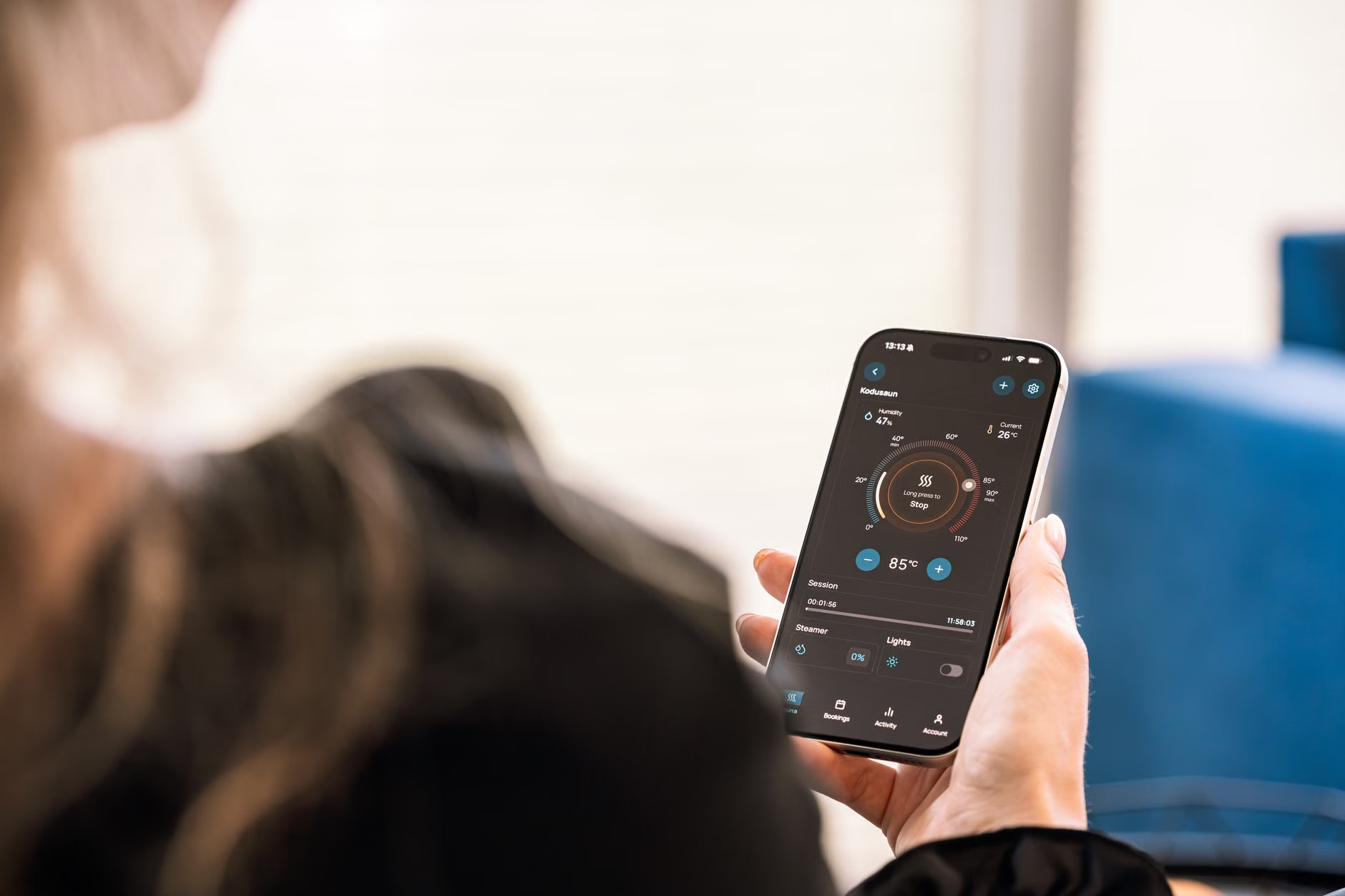
When shopping for a new unit, you will often see the term “SG Ready.” This is a standardized label (originating from European heat pump associations) that indicates the device has a built-in interface capable of receiving control signals. It is not just marketing fluff; it is a technical standard.
However, having an “SG Ready” device is only step one. To make it work, you need the infrastructure to support it. This usually takes one of three forms:
- Direct Utility Control: Your utility company provides a smart thermostat that they can remotely adjust during extreme grid stress. You usually get a rebate or a monthly credit for this.
- Time-of-Use (TOU) Automation: You program your own smart thermostat to follow your utility’s electricity price schedule. This is the most common method for homeowners who want total control.
- Home Energy Management Systems (HEMS): A central “brain” for your house that coordinates your solar panels, battery storage, and heat pump. It decides, “The sun is out, the batteries are full, and the grid is expensive—run the heat pump now.”
The common mistake here is assuming the heat pump does it all on its own. The heat pump is the executor; the brain is either your utility’s grid management system or your own home automation hub.
The Physics of Thermal Battery Storage
One of the most overlooked concepts in home efficiency is that your house is a thermal battery. When you heat your home, you aren’t just heating the air; you are heating the floors, the walls, and the furniture. This thermal mass holds onto that heat.
If your electricity is cheapest from 1:00 AM to 5:00 AM, you can program your heat pump to run slightly higher during those hours. You are essentially “charging” your house with heat. When 6:00 PM rolls around and electricity prices spike, your thermostat can let the temperature drift down by a degree or two. Because the walls and floors are still warm, you won’t even notice the change, but you have successfully avoided the highest price tier of the day.
This is not just about saving a few dollars. It is about shifting your load to support the grid’s transition to renewable energy. During the middle of the day, when solar production is high and electricity prices are often low (or even negative in some markets), a smart-grid heat pump can “soak up” that excess renewable energy.
| Strategy | Benefit | Best For |
|---|---|---|
| Pre-heating | Avoids peak pricing | Homes with good insulation |
| Load Shedding | Reduces grid stress | Participating in utility rebate programs |
| Solar Matching | Maximizes self-consumption | Homes with rooftop PV arrays |
Implementation: How to Set This Up at Home
You don’t need to be an electrical engineer to get this working, but you do need to follow a logical sequence. Many homeowners fail because they try to automate everything at once without understanding their specific utility plan.
Step 1: Check your Utility Plan
Call your utility provider or log into your account dashboard. Are you on a flat-rate plan? If so, smart-grid integration will have zero impact on your bill. You must switch to a Time-of-Use (TOU) or “Real-Time Pricing” plan to see the financial benefits of an SG-ready system.
Step 2: Verify Equipment Compatibility
Check the manual of your current (or future) heat pump. Does it have an “SG Ready” or “Smart Grid” input? If it is an older model, you might be able to achieve similar results using a smart relay switch connected to your thermostat’s “Emergency Heat” or “Auxiliary” terminals, though this requires more technical finesse.
Step 3: Select a Smart Thermostat
Choose a platform that offers an open API or robust integration features. Brands like Ecobee, Nest, or specialized systems like Tado or Home Assistant are the industry standards for this. They allow you to set “schedules” based on electricity rates rather than just time of day.
Common Pitfalls and How to Avoid Them
The most common mistake is over-optimization. Some people try to program their systems to chase every single cent of price fluctuation. This leads to “short cycling,” where the heat pump turns on and off every 15 minutes. This is terrible for the compressor’s lifespan and will cost you more in repairs than you ever saved on electricity.
Rule of thumb: Keep your temperature setpoint swings within a 2-degree Celsius (about 3-4 degrees Fahrenheit) window. Anything more aggressive than that forces the heat pump to work harder to recover the temperature, which negates the efficiency gains of running during off-peak hours.
Another issue is the “comfort override.” If your smart system is programmed to save money but your kids are complaining that the house is cold, your system is failing its primary purpose. Always ensure your automation allows for a manual override. If the system is too complex for your partner or children to operate, it will eventually be disabled, and your investment will be wasted.
Advanced Insights: The Hidden Trade-offs
There is a hidden cost to smart-grid integration: data privacy and dependency. When you connect your home heating to the cloud, you are sharing your occupancy patterns with third-party providers. While most companies have strict privacy policies, it is a trade-off to keep in mind.
Furthermore, there is the risk of “grid dependency.” If your system relies entirely on an internet-based server to make decisions, and your Wi-Fi goes down or the company’s server has an outage, your heat pump might default to a non-optimal state. Always choose systems that have a “local control” option—meaning the thermostat can make decisions based on the current time and temperature even if the internet is down.
Finally, consider the durability of the technology. A high-quality heat pump will last 15 to 20 years. A smart thermostat, however, is a piece of consumer electronics that might be obsolete in 5 years. Ensure your heat pump has a standard, non-proprietary control interface (like a dry contact input) so that if your smart thermostat breaks, you can easily replace it with a newer model without having to replace the entire HVAC system.

The Future of Home Energy
As we move toward a grid dominated by wind and solar, the ability to shift demand will become the most valuable service a homeowner can provide to the grid. In some regions, utility companies are beginning to offer “demand response” payments—essentially paying you to let them adjust your heat pump during peak hours. This turns your home from a passive consumer into an active participant in the energy market.
For those of you in your 30s and 40s, this is the time to start paying attention to your home’s “energy IQ.” When you eventually replace your furnace or air conditioner, do not just look at the SEER (Seasonal Energy Efficiency Ratio) rating. Look for the “smart” connectivity features. The upfront cost might be slightly higher, but the long-term utility bill savings and the potential for future grid-service payments make it a sound financial move.
Start by checking your current utility bill. If you see a “Time of Use” option, that is your green light to start researching smart-grid capable equipment. Don’t rush into a full-home automation setup until you have tested your thermostat’s ability to manage simple schedules. Take it one step at a time, and you will find that managing your energy usage becomes just another seamless part of your daily routine.
Frequently Asked Questions
1. Will smart-grid integration make my home uncomfortable?
No, if configured correctly. By using the thermal mass of your home, you can shift heating/cooling cycles to off-peak times without significant temperature drops. Most systems allow you to set “comfort boundaries” that the automation cannot cross, ensuring you remain warm or cool regardless of energy prices.
2. Can I add smart-grid features to an old heat pump?
It depends. If your heat pump has an “auxiliary heat” or “emergency heat” terminal, you can often connect a smart relay to “trick” the system into running during off-peak hours. However, this is more of a “hack” than true smart-grid integration and doesn’t provide the same level of granular control as an SG-Ready unit.
3. Is it worth the cost if I don’t have solar panels?
Yes. Even without solar panels, Time-of-Use (TOU) electricity pricing is becoming the standard in many countries. If you can shift your usage away from the 4:00 PM–9:00 PM peak window, you will see a reduction in your bill regardless of whether you generate your own electricity.
For further reading on heat pump standards and grid integration, refer to the International Energy Agency (IEA) reports on heat pump technology and the European Heat Pump Association (EHPA) technical guidelines on SG-Ready labels.