Key Takeaways
- Sensory Development: Farm-stays provide unparalleled sensory stimulation for toddlers, which is scientifically linked to improved cognitive development and emotional regulation.
- The “Slow Travel” Advantage: Unlike resorts, farm-stays eliminate the pressure of “must-see” itineraries, allowing you to match your toddler’s natural nap and play rhythm.
- Practical Logistics: Choosing the right farm requires vetting for safety certifications and “toddler-readiness”—look for fenced play areas and on-site kitchen access as non-negotiable features.
If you have ever spent a week at an all-inclusive resort with a toddler, you know the specific brand of exhaustion that comes with it. You are fighting for a lounge chair at 7:00 AM, managing the chaos of a buffet line while holding a squirming two-year-old, and constantly worrying that your child’s inevitable meltdown is ruining the vibe for the honeymooners at the next table. The solution isn’t to stop traveling; it is to shift your destination toward agritourism.
Agritourism—traveling to a working farm or agricultural setting—is rapidly becoming the preferred choice for parents in their 30s and 40s who are looking for a vacation that feels like a reset rather than a logistical marathon. When you trade the polished, high-density resort environment for the tactile, open-ended reality of a farm, you aren’t just changing your scenery; you are changing the entire architecture of your family’s downtime.
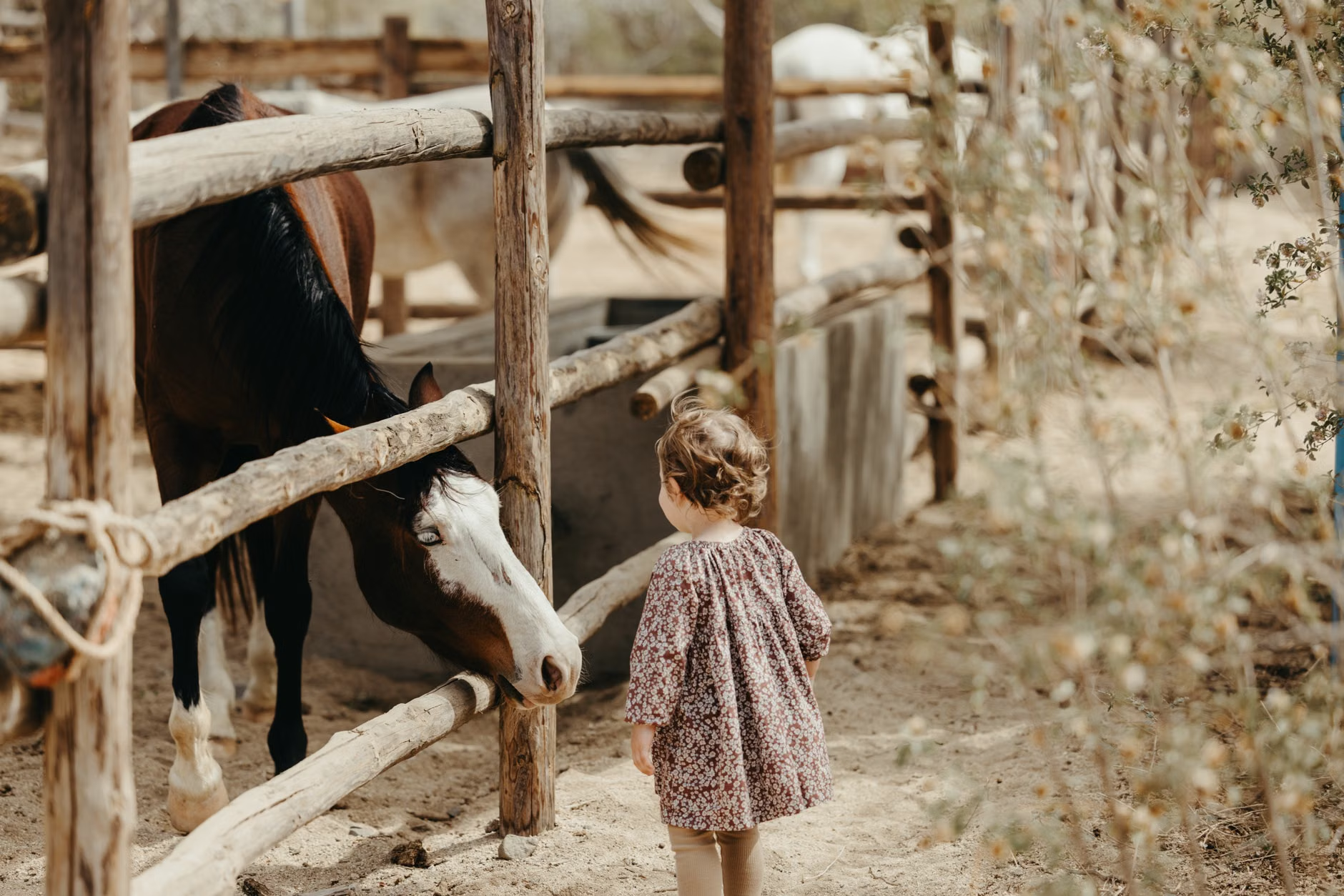
Why Farm-Stays Are a Developmental Goldmine for Toddlers
For a toddler, the world is a giant sensory laboratory. They learn by touching, smelling, hearing, and observing. A typical city park or indoor play area provides a limited set of stimuli. A farm, conversely, is a high-fidelity environment. Research in environmental psychology consistently shows that exposure to “green” and “living” spaces reduces cortisol levels in children, leading to better sleep and improved mood regulation.
When your toddler touches the coarse wool of a sheep, feels the cool, damp earth of a vegetable garden, or hears the distinct sounds of a coop at dawn, they are engaging in “sensory integration.” This is not just “fun”—it is foundational work for their brain development. Unlike a plastic playground, the farm is unpredictable. A chicken moves differently than a dog; a carrot pulled from the ground has a different texture than one bought in a plastic bag. This variety forces the toddler to adapt their movements and observations, building cognitive flexibility in a way that static toys cannot.
Furthermore, the “slow pace” of a farm is the ultimate antidote to the “hurried child” syndrome. In your 30s, you are likely balancing a career and a household. You are used to optimizing your time. Farm-stays force you to break that habit. You cannot rush a farm-stay. If the toddler wants to watch a tractor for twenty minutes, you watch the tractor. There is no line to get into the “tractor viewing area.” This lack of pressure allows you to actually observe your child, which is often the first thing to disappear when we are busy “managing” them during a vacation.
The Logistics: Sorting Through the “Farm-Stay” Options
Not every farm is a “farm-stay.” There is a significant difference between a commercial petting zoo and a genuine agritourism property. You want to look for farms that practice holistic, sustainable, or organic agriculture. These farms are generally safer, cleaner, and more invested in the educational aspect of their visitors’ stay.
When searching for a property, filter your results by these non-negotiable criteria:
| Criteria | Why It Matters for Parents |
|---|---|
| On-site Kitchen | Toddlers have specific dietary needs and unpredictable hunger windows. Having a stove and fridge is non-negotiable for avoiding “hangry” tantrums. |
| Fenced Play Perimeter | Farms have hazards like heavy machinery, ponds, or electric fences. A designated, fenced-in yard for the toddler is essential for your own peace of mind. |
| Active vs. Static | Look for farms where you can participate in “light” chores, like egg collecting. Static farms are essentially just rural hotels; active ones provide the experience you are paying for. |
A common mistake parents make is booking a property that is “too big.” You do not need a 500-acre commercial operation. In fact, these can be overwhelming for a two-year-old. Look for small-scale, family-run homesteads. These owners are usually more present, more willing to let your child “help” with the animals, and they understand the reality of parenting because they are likely doing it themselves.

Managing the “Dirt Factor” and Other Parental Fears
If you are a parent who enjoys a clean, minimalist home, the idea of a farm-stay might trigger a small panic. The dirt, the mud, the animal hair—it is all very real. However, here is the secret: embrace the “farm uniform.”
Do not pack your toddler’s Sunday best. Pack high-quality, durable outdoor gear. Rubber boots (wellies) and waterproof overalls are the gold standard. When you prepare for the environment, the stress of “getting dirty” vanishes. If the child is wearing clothes specifically designed for mud, you stop saying “don’t touch that” and start saying “go ahead.”
Another point of contention is hygiene. Many parents worry about E. coli or other bacteria associated with farm animals. This is a valid concern, but it is easily managed with simple, consistent routines. Establish a “farm-to-house” protocol: boots come off at the door, hands are washed immediately with soap and water after any animal contact, and sanitize devices or toys that go into the animal areas. If you teach these as “the rules of the farm” rather than “scary things that might make you sick,” the toddler will pick up the habit quickly.
Designing a Day That Actually Works
One of the biggest advantages of a farm-stay is that your schedule is entirely your own. You are not beholden to hotel breakfast hours or shuttle bus schedules. However, freedom can lead to chaos if you don’t have a rough “anchor” for your day.
The “Farm-Stay” Anchor Schedule:
- 07:00 – 08:30: Breakfast with farm-fresh ingredients. This is your slow time. Let the toddler watch the morning activity from the kitchen window.
- 09:00 – 10:30: The “Morning Rounds.” This is the best time for animal interaction. The animals are active, the sun isn’t too hot yet, and the chores are usually being done by the farmers.
- 11:00 – 13:00: Nap/Quiet Time. This is crucial. Even if your toddler doesn’t nap, they need “down-regulation” time after the sensory-rich morning.
- 14:00 – 16:00: Exploratory play. This is when you go for a walk, pick berries, or just sit in the grass. No goal, just exploring.
- 17:00+: Evening dinner prep and quiet play.
Notice that there are no “tours,” “scheduled activities,” or “transportation time.” The entire day is built around the toddler’s natural energy cycle. By keeping the afternoon loose, you allow for the inevitable “I want to do this again” moments, which are where the real memories are made.
Common Pitfalls and How to Avoid Them
The most common mistake is over-scheduling. It is tempting to book a farm-stay near a “local attraction” or a “must-see” regional landmark. Resist this urge. The farm *is* the attraction. Every time you leave the farm to go see a museum or a town center, you are re-entering the stressful world of logistics, parking, and public-space management. Keep your radius tight. If you stay on the farm, you minimize transitions, and transitions are where most toddler meltdowns occur.
Another overlooked variable is the “connectivity” issue. Many remote farms have poor Wi-Fi or limited cellular service. For a parent used to being “on” 24/7, this can feel like an emergency. Prepare for this by downloading offline maps, local weather apps, and a few “emergency” shows on your tablet before you leave. Do not rely on streaming services while you are on-site. This isn’t just about signal; it is about your own mental health. If you are not constantly checking emails, you are more present for your child.
The Financial and Practical Reality
Farm-stays can range from extremely affordable to luxury “glamping” experiences. A common misconception is that “rustic” means “cheap.” That is not always the case. Some of the best-managed farms are high-end, offering organic breakfast baskets, private hot tubs, and concierge-level service from the owners.
However, the value proposition is different from a hotel. At a hotel, you pay for amenities: the pool, the gym, the laundry service. At a farm, you pay for the environment and the access. You are paying for your child to have a safe space to run, for you to have a quiet place to drink coffee while watching the sunrise over a pasture, and for the lack of “do not touch” signs. When you calculate the cost, subtract the money you would have spent on “entertainment” and “dining out” at a city destination. You will find that the farm-stay is often surprisingly economical.
Final Thoughts: Why This Matters Now
We are living in an era where our children are increasingly disconnected from the source of their food and the rhythm of the natural world. A farm-stay isn’t just a vacation; it is a small, necessary education. It shows your child that eggs come from chickens, that vegetables grow in the dirt, and that life is a series of slow, predictable cycles rather than a series of fast, loud notifications.
As a parent in your 30s or 40s, you are likely carrying a heavy load of mental and professional stress. The farm offers you something that a luxury resort cannot: silence. Not the artificial silence of a sound-proofed hotel room, but the living, breathing silence of nature. It is a place where you can be a parent without being a manager. If you take one step this year to improve your family travel, make it this one. Find a farm, pack the boots, and go. The chores can wait, and the emails will still be there when you get back. But the look on your toddler’s face when they see a calf for the first time? That is a once-in-a-lifetime experience.
Frequently Asked Questions
Q: Is there a minimum age for a farm-stay?
A: Most farm-stays are welcoming to all ages, but the “ideal” window starts around 18 months, once the child is steady on their feet. For infants, ensure the farm provides a pack-and-play or high chair to save on packing space. Always ask the host about “toddler-proofing” if your child is in the mobile, curious phase.
Q: What if it rains during our stay?
A: This is where the “farm uniform” becomes essential. Rain is part of the farm experience. If you have proper waterproof gear, a rainy day on a farm can be even more magical than a sunny one—think splashing in puddles, watching the animals seek shelter, and cozying up in a barn. Check if the farm has an indoor “mudroom” for gear storage.
Q: How do I know if a farm is truly “family-friendly” or just “tourist-friendly”?
A: Look for reviews that mention the owners’ interaction with children. A tourist-friendly farm will have signs everywhere telling you what not to do. A truly family-friendly farm will have a host who invites your child to help collect eggs or feed the goats. You want the latter.
Resources for Finding Agritourism Stays:
- Farm Stay US: A comprehensive directory for North American farm-stays.
- WWOOF (World Wide Opportunities on Organic Farms): While primarily for volunteers, their member list is a great way to identify high-quality organic farms (check for “farm-stay” listings).
- Agritourism World: A global resource for finding verified agricultural tourism experiences.