- Prioritize “The Last Mile”: Choose islands where your accommodation is within walking distance of the ferry port to eliminate the need for taxis or local buses with heavy luggage.
- Leverage Micro-Mobility: Rent e-bikes or trailers for kids instead of relying on island taxis, which are often scarce and lack adequate child safety seats.
- The 70/30 Rule: Book 70% of your ferry tickets in advance for peace of mind, but leave 30% of your schedule flexible to account for weather-related cancellations or spontaneous discovery.
The secret to a truly relaxing island holiday as a parent isn’t finding the most expensive resort; it’s removing the constant, low-level stress of managing a rental car in an unfamiliar, narrow-street environment. When you commit to a car-free island trip, you aren’t just saving on fuel and parking fees—you are reclaiming the ability to walk to the beach, bike to dinner, and let your children roam without the persistent anxiety of traffic.
For those of us in our 30s and 40s balancing the logistics of parenting with the desire for genuine downtime, the “car-free” label is a game-changer. It shifts the focus from “Where can we park?” to “What shall we explore today?” However, this transition requires a different kind of preparation. You cannot simply pull up to the hotel front door with a trunk full of gear. You have to be strategic.
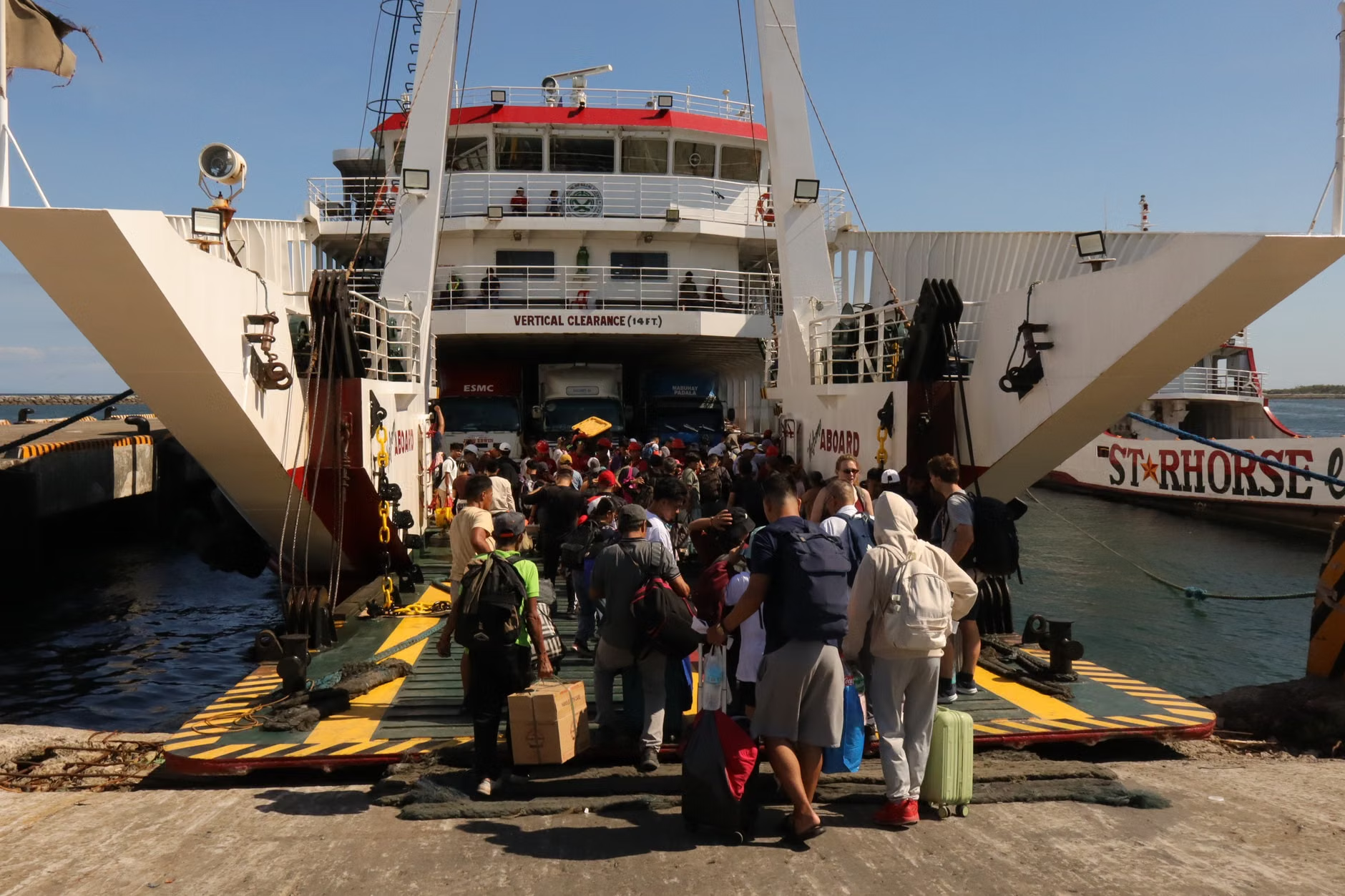
Why Car-Free Island Hopping is the Ultimate Parenting Life-Hack
Most family travel revolves around the “rental car trap.” You arrive at an airport, wait in a long queue, deal with car seat installations that never quite fit, and spend your entire vacation navigating winding, unfamiliar roads while the kids argue in the backseat. By choosing islands that prioritize pedestrian-only zones or limited vehicle access, you bypass this entirely.
The primary benefit here is predictability. On a car-free island, the “commute” to the beach is a walk. If you need to pick up groceries, you walk. This eliminates the frantic search for parking spots in high-traffic tourist zones, which is often the single most stressful part of a family vacation. Furthermore, the air quality and noise levels on car-free islands are significantly better, creating a calmer environment that actually helps children regulate their energy levels better than a busy, car-centric city.
However, the trade-off is logistical discipline. You are limited to what you can carry or pull in a wagon. This forces a minimalist approach to packing, which—while initially daunting—ends up making the entire trip much lighter and easier to manage. If you can move your family’s entire luggage load in one go, you are effectively liberated from the burden of logistics.
Choosing the Right Island: The “Port-to-Door” Metric
Not all car-free islands are created equal. When researching your destination, the most important metric for a parent is the “Port-to-Door” distance. If your accommodation is three kilometers away from the ferry terminal on a hilly island without public transport, you will find yourself paying a premium for local taxis that may or may not have working seatbelts.
Look for islands where the main village or resort area is clustered around the arrival point. You want to be able to walk from the ferry ramp to your lobby in under 15 minutes. If you are traveling with toddlers, verify if the “pedestrian-only” designation actually means what it says. Some islands allow delivery trucks or local service vehicles at specific times of the day. A quick search on official tourism board websites will usually clarify the local vehicle policy.
The Decision Matrix: Which Island Fits Your Family?
| Island Type | Best For | Primary Transport |
|---|---|---|
| Pedestrian-Only | Families with toddlers who need constant supervision. | Walking, strollers, wagons. |
| Bicycle-Friendly | Families with school-aged children (6+). | Bicycles, e-bikes, bike trailers. |
| Public Transit/Shuttle | Families looking for a mix of town and remote beaches. | Electric shuttles, public bus loops. |
If you choose a bicycle-friendly island, always look into rental availability before you book your accommodation. Some smaller islands have limited fleets of child seats or trailers. Calling the rental shop directly or checking their website for “family-sized” inventory can save you from a very difficult first day where you find yourself stranded without a way to move your gear.
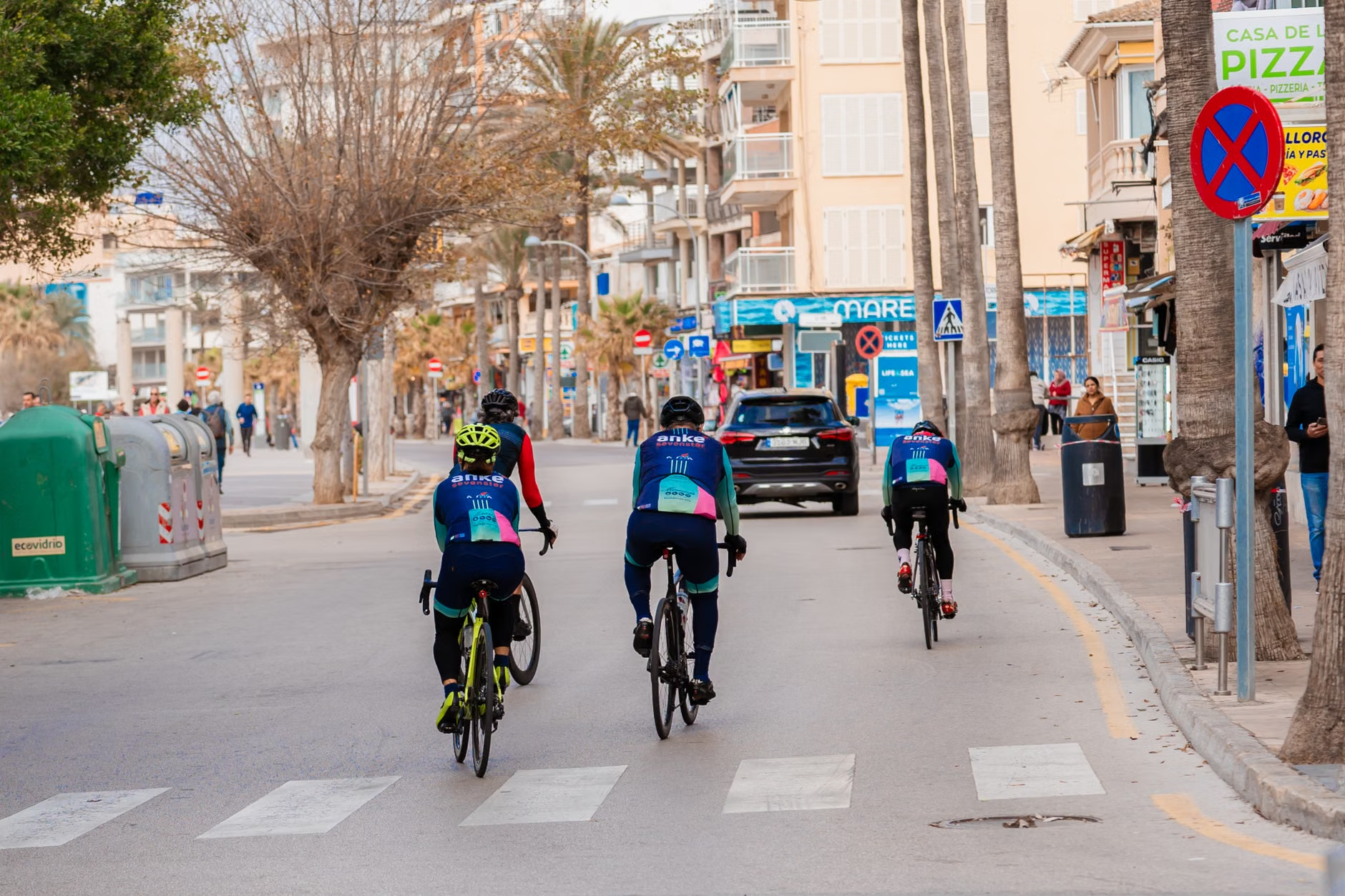
Mastering the Logistics: Gear and Packing Strategy
The biggest mistake parents make when transitioning to car-free travel is overpacking. You are not going to be able to toss an extra suitcase into a trunk. Everything you bring must be manageable by the adults while keeping the children safe. Here is the golden rule: If you cannot carry it for 20 minutes without stopping, it does not belong in your luggage.
Invest in high-quality, lightweight luggage. A sturdy, four-wheeled suitcase is essential, but for island hopping, a travel backpack with a waist strap is often superior because it leaves your hands free to hold onto your children in crowded ferry terminals. If you are bringing a stroller, ensure it is a “travel-size” model that folds into a single piece. Avoid heavy, multi-part strollers at all costs.
The “Essentials Kit” for Ferry Days
- Digital Copies: Keep all ferry tickets, accommodation vouchers, and ID copies in a single cloud-synced folder (like Google Drive or iCloud) that is accessible offline.
- Lightweight Wagon: If your kids are young, a collapsible travel wagon is a game-changer. It acts as both a stroller and a luggage hauler.
- The “Ready-to-Go” Bag: A small backpack that contains snacks, water, entertainment, and essential documents. This bag never leaves your side and is the only one you need to watch while on the ferry deck.
One common trap is the “last-minute grocery run.” On many smaller islands, shops close earlier than in mainland cities, or they have limited stock of specific items like baby formula or specialty snacks. Do a quick audit of your needs and bring a small supply of non-perishables for the first 24 hours. This prevents the “hangry” meltdown that happens when you arrive at a closed shop after a long travel day.
Ferry travel is fundamentally different from flying. It is more relaxed, but it is also more susceptible to weather and tidal conditions. When planning your island hopping route, build in a “buffer day.” If you have to catch a flight home on Sunday, do not plan to take the final ferry of the day on Sunday morning. Always aim to be on the island closest to your departure point at least 24 hours in advance.
When booking tickets, look for “fast” versus “slow” ferries. Fast ferries (hydrofoils or catamarans) are great for speed but can be rougher in bad weather, which might trigger motion sickness in children. Slow ferries (conventional car ferries) are more stable, have more deck space for kids to walk around, and often have better snack bars. For a family, the stability of a larger, slower boat is usually worth the extra hour of transit time.

Always verify the “terminal distance.” In some larger ports, the ferry terminal for high-speed boats is in a completely different location than the terminal for large car ferries. Check the specific terminal name on your ticket. Nothing ruins a morning faster than arriving at the wrong pier with two tired kids and a pile of bags.
Managing Expectations and Handling the Unexpected
Even with perfect planning, the reality of travel with children is that things will go wrong. A ferry might be cancelled due to high winds. A rental bike might have a flat tire. The key is in how you frame these moments. On a car-free island, you are already in a “slow travel” mindset. Use the unexpected delay as an excuse to find a new cafe or spend an extra hour at the local playground.
If you find yourself stuck, look for the “local hub.” In almost every island town, there is a specific cafe or bakery where the locals congregate. This is your best source of information. If a ferry is cancelled, the person behind the counter at the local coffee shop will know the real-time status of the transport network long before the official website updates.
Common Mistakes to Avoid
- Booking back-to-back island stays: Don’t try to change islands every two days. It is exhausting. Aim for a minimum of four nights per island to truly settle in.
- Ignoring the “Slope” factor: Check the topography of the island. A 1km walk on a flat, paved road is very different from a 1km walk on a steep, cobblestone path with a stroller.
- Underestimating the sun: Without a car to retreat into, you are exposed to the elements. Ensure your kids have high-quality, lightweight sun-protective clothing and hats.
The most important realization for parents is that the goal is not to “do everything.” It is to do less, but enjoy it more. By removing the car, you are removing the barrier between your family and the local environment. You will hear the ocean, talk to shopkeepers, and see the architecture in a way that you simply cannot from behind a windshield.
Final Thoughts: The Freedom of Slowing Down
Car-free island hopping is not just a travel trend; it is a deliberate choice to prioritize the quality of your time over the quantity of your activities. By choosing to walk, cycle, and rely on local transit, you are stripping away the external pressures of modern travel and replacing them with the simplicity of island life.
Start small. Choose a destination with a well-documented ferry network and a manageable, walkable village center. Once you experience the quiet relief of not having to navigate a rental car through a maze of narrow streets, you will likely find it difficult to go back to the traditional “fly-and-drive” model. The freedom of moving at your own pace, with your family by your side, is the ultimate luxury.
Before you commit to your next booking, take a look at the official maritime authority websites for your target region (for example, Ferryhopper or specific government transport portals) to understand the frequency and reliability of the routes. Preparation is the bridge between a chaotic trip and a memorable, relaxing escape.
Frequently Asked Questions
Q: What if I have a child who still needs a car seat?
A: If you are strictly car-free, you won’t need one for local transit. However, if you plan on taking the occasional taxi for a longer trip, bring a lightweight, foldable travel booster or an inflatable car seat (like the BubbleBum) to ensure safety without the bulk.
Q: How do I handle luggage if we are island hopping and moving between hotels?
A: The best strategy is the “hub and spoke” model. Book one central base for the majority of your trip and take day trips to other islands via ferry, leaving your heavy luggage at your base. If you must move, pack everything into one large backpack per adult and one small backpack per child—no rolling suitcases if you can avoid it.
Q: Are car-free islands more expensive?
A: Not necessarily. While some remote islands have a “premium” on imported goods, you save significantly on car rental fees, fuel, insurance, and parking costs. The key is to shop at local markets rather than tourist-trap restaurants for your daily supplies, which balances the budget effectively.
For further planning, consult the official tourism portal of your chosen destination for specific local transport guidelines and seasonal ferry schedules.