Hosting a holiday gathering today doesn’t mean you have to rely on a traditional open bar to keep the conversation flowing. The most successful holiday host is one who treats zero-proof drinks with the same intentionality as a fine wine selection, ensuring every guest feels included regardless of their relationship with alcohol.
Key Takeaways for the Zero-Proof Host
- Treat mocktails as mixology, not sugary juice: Use complexity-driven ingredients like bitters, botanicals, and shrubs to mimic the bite and depth of alcohol.
- Prioritize the “Ritual of the Pour”: The glass, garnish, and presentation are 80% of the social experience; don’t serve non-alcoholic options in plastic cups if you are serving cocktails in crystal.
- Normalize the choice: Create a “Neutral Bar” where guests can self-select their drink type without having to explain their sobriety or health choices to the room.
If you are in your 30s or 40s, you’ve likely noticed a shift in your social circle. Whether it’s due to fitness goals, early-morning parenting duties, or simply a growing preference for waking up without a headache, the “sober-curious” movement has moved from a fringe trend to a standard expectation. Yet, many hosts still struggle with the “what do I serve?” panic. You don’t need to be a professional mixologist to elevate the experience, but you do need a strategy.
Moving Beyond the “Sugary Soda” Trap
The most common mistake hosts make is assuming that “non-alcoholic” is synonymous with “sweet.” If you replace a complex, dry gin and tonic with a syrupy glass of fruit punch, your guests will feel like they are being served a kid’s drink. The key to a sophisticated zero-proof menu is complexity.
Think about what makes alcohol “grown-up.” It’s usually a combination of bitterness, acidity, spice, and mouthfeel. When you are building your menu, you need to replicate these sensations using non-alcoholic components.
The “Mixology” Framework for Zero-Proof Success
To build a drink that feels intentional, use this four-pillar approach to balance your flavors:
- The Bite: Use non-alcoholic bitters (check the label for trace alcohol if your guests are strictly sober), ginger, chili, or black pepper.
- The Body: Use chilled tea (like Lapsang Souchong for smokiness), coconut water, or high-quality non-alcoholic spirits that are designed to replicate the “burn” of ethanol.
- The Acid: Fresh citrus, verjus (the tart juice of unripened grapes), or high-quality fruit shrubs.
- The Effervescence: High-end tonic waters, sparkling mineral water, or kombucha.
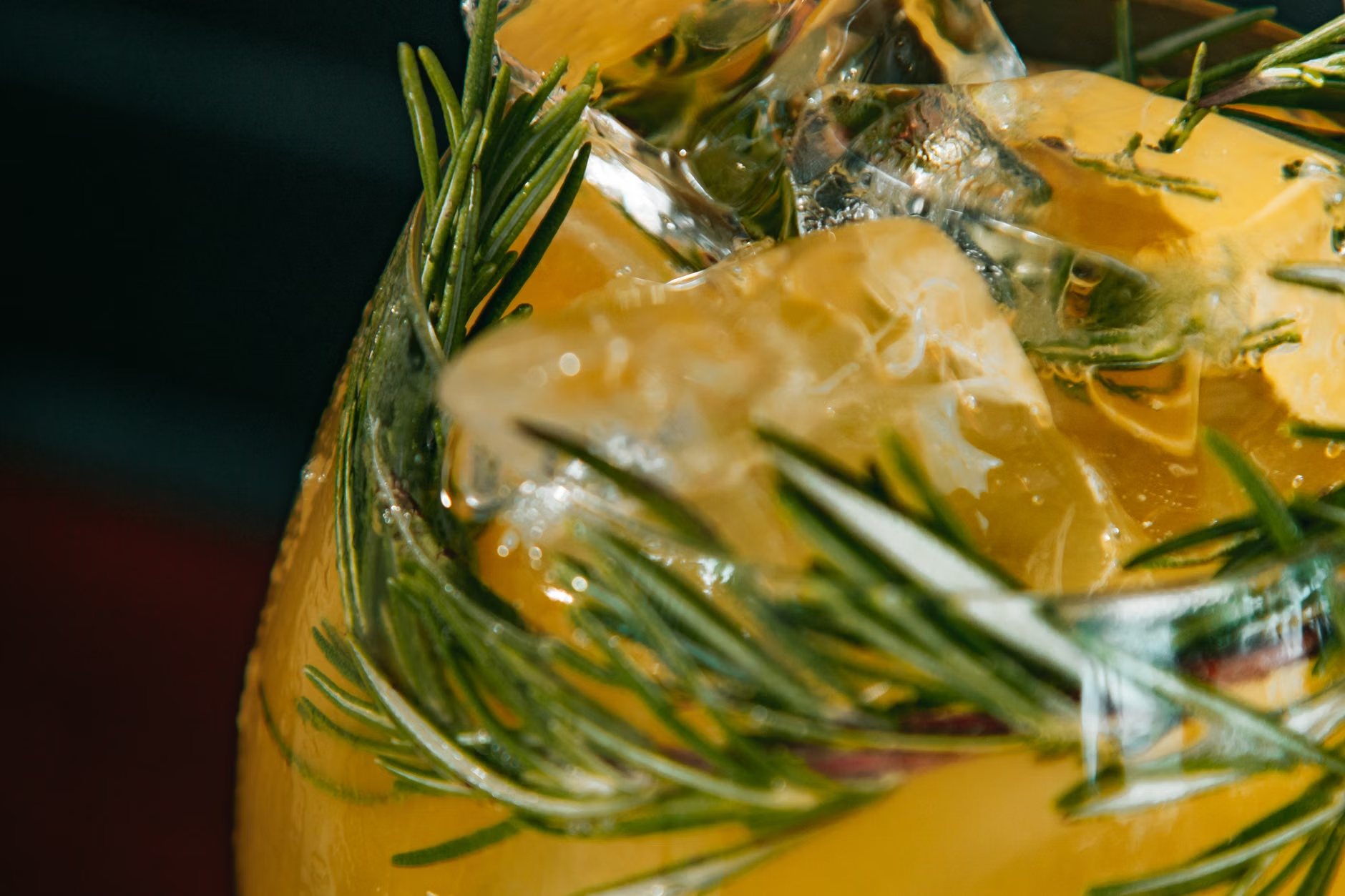
When you present these, treat them as a “drink program.” If you were serving a classic Negroni, you wouldn’t just hand someone a bottle of Campari. You’d build it. Apply that same logic here. If you have a guest who doesn’t drink, offer them a “Seedlip” (a popular non-alcoholic distilled spirit) on the rocks with a twist of orange. The ritual of the build—the ice, the stirring, the garnish—is what signals to the guest that they are being treated with the same level of care as everyone else.
The Logistics of a “Neutral” Bar Setup
One of the biggest social frictions at holiday parties is the “Why aren’t you drinking?” conversation. As a host, your goal is to eliminate this friction entirely. The best way to do this is to normalize non-alcoholic drinks so that they aren’t labeled as “the alternative” but as “an option.”
Designing a Self-Serve Station
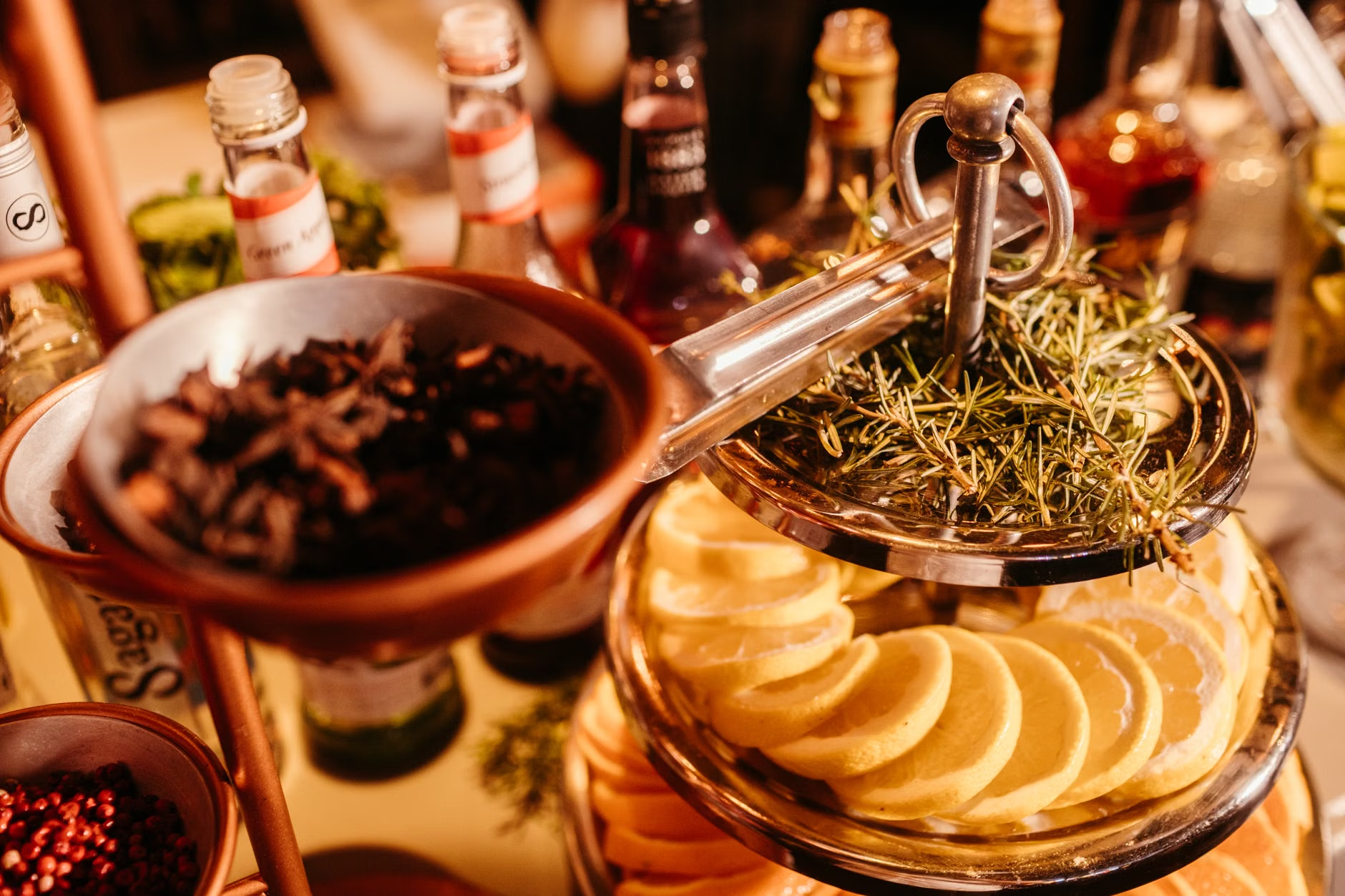
Don’t hide the non-alcoholic drinks in the back of the fridge. Create a dedicated section on your bar cart that is just as attractive as the alcohol section. Use clear glass carafes, fresh garnishes (rosemary sprigs, star anise, dehydrated citrus wheels), and beautiful glassware.
| Category | Standard Option | Zero-Proof Upgrade | Why it Works |
|---|---|---|---|
| The Aperitif | Champagne | Sparkling cider with a dash of non-alcoholic bitters | Matches the dryness and visual elegance of bubbles. |
| The “Long” Drink | Gin & Tonic | Non-alcoholic botanical spirit + premium tonic + lime | Maintains the classic botanical profile. |
| The Digestif | Whiskey | Cold-brewed coffee + vanilla bean syrup + soda water | Provides depth and a complex, bitter finish. |
When you set up your bar this way, you allow guests to serve themselves. When a guest can walk up to the bar and create a drink that looks and tastes sophisticated without asking you for a “special” drink, the pressure of the social interaction disappears. This is particularly important for parents who might be driving or who need to be sharp for early-morning holiday activities with their children.
Managing Social Expectations and Peer Pressure
In your 30s and 40s, you are likely hosting a mix of people. Some drink, some don’t, and some are “moderators.” If you are hosting a group where alcohol is traditionally consumed, you might worry that the vibe will change if you pivot toward a zero-proof focus. However, the data suggests otherwise.
According to recent reports on consumer behavior, the “sober-curious” demographic is growing, particularly among millennials. Many people are opting for “mindful drinking”—the act of choosing to drink less, rather than abstaining entirely. By offering high-quality non-alcoholic options, you aren’t just catering to the non-drinkers; you are allowing the drinkers to pace themselves throughout a long evening.
A common mistake is feeling the need to apologize for your drink selection. If you don’t serve alcohol, or if you highlight your zero-proof options, do it with confidence. Say, “I’ve put together some really interesting non-alcoholic drinks tonight because I wanted us to all be able to enjoy the full evening without the fog.” Most guests will appreciate the thought, especially if the drinks are delicious.
Practical Tips for the “Zero-Proof” Host
If you’re ready to lean into this, start by auditing your pantry. Most of what you need is likely already there. A simple syrup is just equal parts sugar and water. A shrub is just fruit, sugar, and vinegar. These two ingredients can form the base of dozens of complex, sophisticated drinks.
The “Shrub” Decision Rule
If you want one “hero” drink for your party, make a seasonal shrub. A cranberry-ginger shrub, for example, is festive and incredibly easy to make. Mix 1 cup of fresh cranberries, 1 cup of sugar, and 1 cup of apple cider vinegar. Let it sit in the fridge for 24 hours, strain it, and you have a base that can be mixed with club soda for a drink that has a distinct, acidic “bite” that mimics the complexity of a cocktail.
The Glassware Factor
Never serve a non-alcoholic drink in a plastic cup if you are serving cocktails in glassware. The tactile experience of holding a heavy, cold glass is part of the ritual. If you don’t have enough fancy glassware, borrow some or buy a few inexpensive, elegant coupes. It makes a massive difference in how the guest perceives the drink.
Temperature and Dilution
Just like a cocktail, a mocktail needs to be served cold. If you are mixing a batch, keep your base refrigerated and add the sparkling water/tonic right before serving. Dilution is also a factor; if you are serving over ice, make sure the drink is slightly “over-flavored” so that as the ice melts, the drink doesn’t become watery and bland.
Addressing the Hidden Costs and Trade-offs
One “hidden” cost of the zero-proof movement is the price of premium non-alcoholic spirits. Brands like Seedlip, Lyre’s, or Ghia can be just as expensive as mid-range alcohol. Why? Because the extraction process for botanical flavors is labor-intensive. If you are hosting a large crowd, buying three different bottles of non-alcoholic spirits can add up quickly.
Decision Rule: If you are on a budget, don’t try to replicate every spirit. Instead, focus on one “hero” bottle that works in a variety of drinks, and supplement it with homemade elements like shrubs, fresh herbs, and high-quality juices. You don’t need a full bar of non-alcoholic alternatives to be a great host; you just need a few well-executed options.
Cultivating the Right Atmosphere
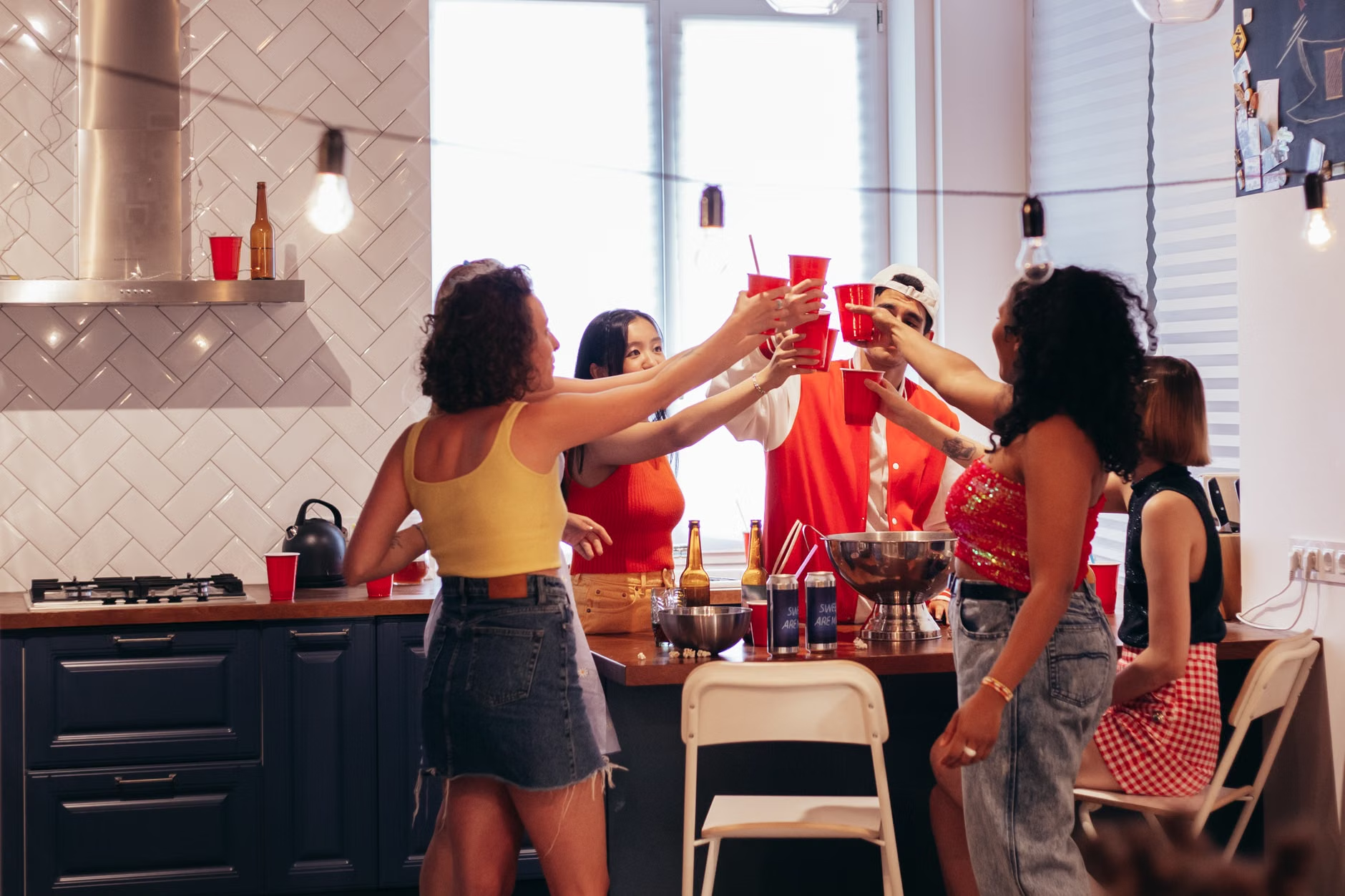
At the end of the day, hosting is about creating a space where people feel comfortable. Whether you serve alcohol or not, the “vibe” is determined by the host’s energy. If you are stressed about whether your mocktails are “good enough,” your guests will sense that anxiety. If you serve them with a smile and a “you have to try this combination,” they will likely enjoy it.
Consider the lighting, the music, and the food. If you are serving heavy, salty appetizers, your guests will naturally want a drink that is refreshing and acidic. If you are serving a formal dinner, you want drinks that have body and depth to stand up to the food. The “zero-proof” label is just a starting point. The goal is to provide a sensory experience that complements the holiday gathering.
Remember that for many, the holiday season is a time of excess. By providing a high-quality, zero-proof option, you are offering your guests a chance to be present. You are giving them the opportunity to enjoy the conversation, the food, and the company without the physical toll that alcohol can take. That, in itself, is a gift.
Final Thoughts: Your Next Steps
Start small. You don’t need to overhaul your entire bar philosophy in one night. Pick one or two recipes, invest in some fresh garnishes, and make sure your glassware is ready. Focus on the “ritual”—the way the drink is made and presented. By treating your zero-proof offerings with the same respect as your alcoholic ones, you elevate the entire evening for everyone.
Check out these resources for further inspiration on non-alcoholic mixology:
Frequently Asked Questions
Q: Should I label my drinks as “mocktails” or “non-alcoholic”?
A: It is often better to give them a creative name (e.g., “The Winter Sparkler” or “Spiced Pomegranate Fizz”) rather than labeling them as “mocktails.” This treats them as legitimate drinks in their own right, rather than “lesser” versions of a cocktail.
Q: How do I handle guests who might feel uncomfortable if there is no alcohol served?
A: If you decide to host a completely dry event, it is best to be transparent. A quick note on the invitation—”We’ll be serving a variety of festive zero-proof cocktails”—sets the expectation early. This allows guests to know what to expect and prevents any awkward moments upon arrival.
Q: Can I use store-bought juices instead of making my own shrubs or syrups?
A: You certainly can, but the “sweetness” factor will be much higher. To balance store-bought juices, always add a splash of something bitter (like bitters or a squeeze of lime) and a significant amount of sparkling water. This cuts the sugar and makes the drink feel more like a cocktail and less like a glass of juice.
Note: While zero-proof spirits and bitters are generally non-alcoholic, some may contain trace amounts of alcohol from the distillation process. If you are hosting guests with severe alcohol sensitivities, always check the labels carefully.