Joining a community-garden co-op is the most effective way for time-poor city families to secure high-quality, organic produce while significantly lowering their monthly grocery expenditures. Unlike a private backyard plot that requires constant, individual maintenance, the co-op model distributes labor, costs, and harvests across a group, making it a sustainable commitment for parents in their 30s and 40s who are already balancing demanding careers and child-rearing.
Key Takeaways for Your Family
- Labor Efficiency: By sharing tasks like weeding and watering on a rotating schedule, you can maintain a productive plot with only 2–4 hours of effort per month.
- Financial Return: On average, a well-managed co-op plot can yield $300–$600 worth of produce per season, effectively offsetting annual membership fees within the first few months.
- Educational Value: Direct involvement in food production significantly increases children’s willingness to try diverse vegetables, acting as a natural solution to picky eating habits.
If you live in a high-density urban area, the dream of “growing your own food” often dies the moment you realize your balcony only gets two hours of sunlight and your schedule is already packed with school runs and work deadlines. This is exactly where the co-op model changes the equation. It isn’t just about farming; it’s about collective logistics. You aren’t just a gardener; you are a stakeholder in a local food system that prioritizes community resilience over individual perfection.
Understanding the Co-op Difference: Why It’s Not Just Another “Hobby”
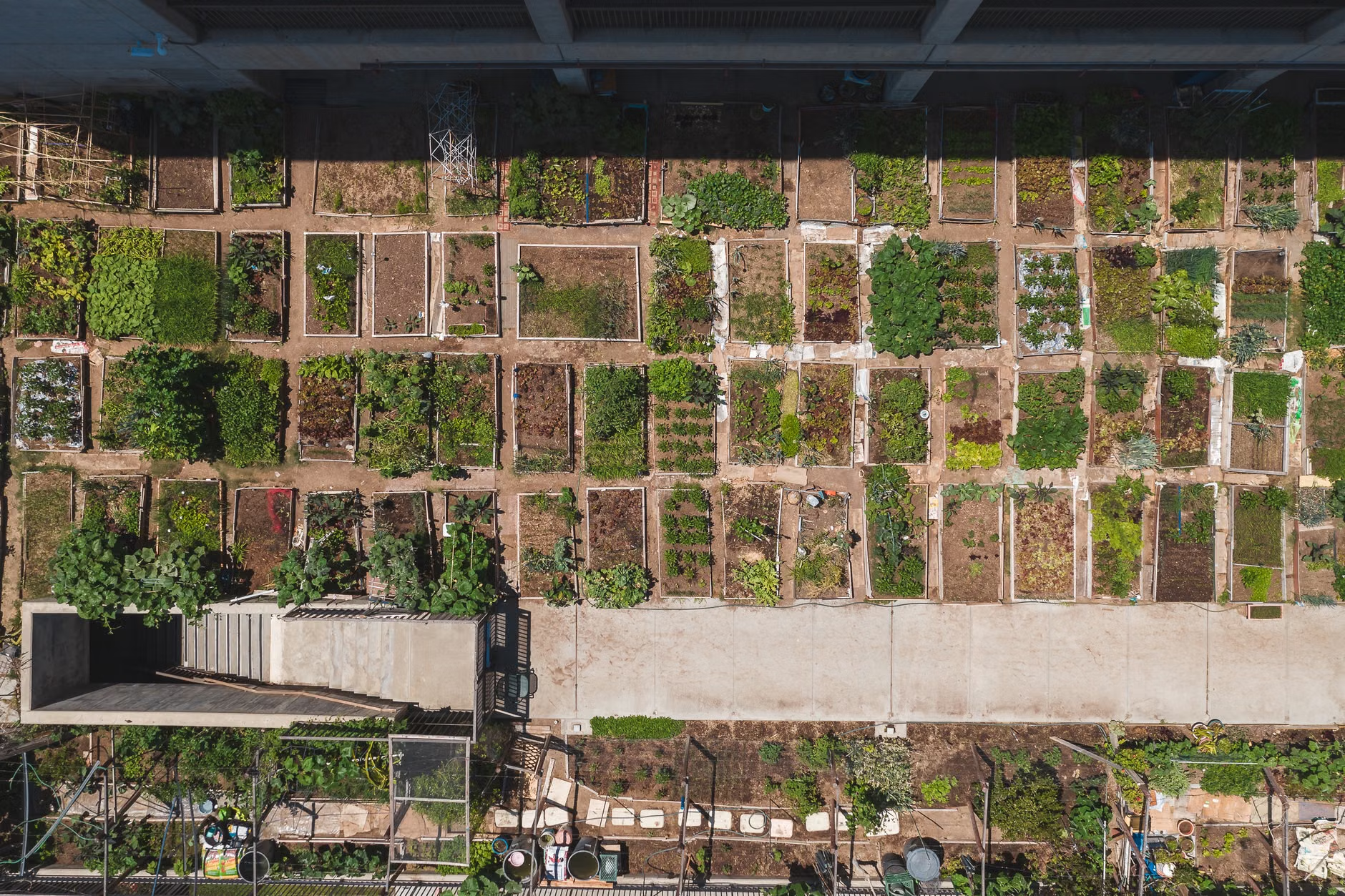
Many urban residents confuse community gardens with community-garden co-ops. A standard community garden often functions as a set of individual plots where you are responsible for everything: seeds, soil, tools, and the inevitable failure when you go on a two-week summer vacation and your tomatoes wither. A co-op model, however, operates as a shared enterprise. You are not just renting space; you are participating in a governance structure.
In a true co-op, the members own the output collectively. The initial investment is usually higher—covering shared irrigation infrastructure, communal tool sheds, and bulk soil amendments—but the long-term maintenance is significantly lower. This is the critical distinction: you are trading a small amount of recurring capital for a massive reduction in the mental load of food production. For a parent, this is the difference between a project that adds stress and one that provides a genuine escape.
When you join a co-op, you are buying into a system that has already solved the “what, when, and how” of local planting. Most co-ops utilize a rotation calendar. You don’t have to research when to plant kale in your specific climate zone; the co-op’s lead gardener or planning committee provides the schedule. You show up, you follow the instructions on the whiteboard, and you leave. It is a plug-and-play approach to agriculture.
Evaluating the Financial Reality: Is the Investment Worth It?
Let’s look at the numbers. The average annual fee for a high-quality urban co-op plot ranges from $100 to $300, depending on the city and the level of shared infrastructure. If you compare this to the cost of buying organic, locally sourced produce from high-end grocery chains, the break-even point is surprisingly low. For a family of four, the monthly savings on leafy greens, herbs, and seasonal vegetables can range from $50 to $120.
| Expense Item | Individual Plot (DIY) | Co-op Model |
|---|---|---|
| Setup Costs (Tools/Soil) | $300+ initial | Included in fee |
| Labor Requirement | High (daily care) | Low (rotating schedule) |
| Risk of Crop Failure | High (all on you) | Low (collective skill) |
| Yield Consistency | Variable | High |
The “hidden” cost of individual gardening is often the time you spend researching, troubleshooting, and repairing mistakes. In the co-op model, these costs are socialized. If you don’t know how to deal with aphids, you don’t spend four hours on YouTube; you ask the person on the next shift. This efficiency is why the co-op model is the only truly sustainable option for families in their 30s and 40s who cannot afford to treat gardening as a full-time job.
The Developmental Impact: Why Kids Actually Eat What They Grow
There is a well-documented phenomenon in child psychology regarding the “IKEA effect” applied to food: children are significantly more likely to consume vegetables they have had a hand in growing. When a child spends weeks watering a tomato plant and watching it turn from a tiny yellow flower into a red, juicy fruit, that vegetable ceases to be a “chore” on the dinner plate and becomes a trophy of their labor.
For parents struggling with picky eaters, this is a strategic advantage. It shifts the dynamic from “You have to eat your broccoli” to “Look what we grew together.” The co-op setting is even better than a private garden for this, as children are exposed to other kids working in the soil. Seeing peers excitedly harvesting and tasting raw produce creates a social proof that is impossible to replicate at the dining table.
However, you must be careful not to turn this into a forced labor scenario. The goal is to associate the garden with play, discovery, and sensory experience. If you force your five-year-old to weed for an hour, they will hate the garden. Instead, focus on high-engagement tasks: planting large seeds like peas, harvesting berries, or using the hose to fill the communal water barrels. The goal is engagement, not productivity.
If you are ready to join or start a co-op, you need a clear framework to ensure you don’t get stuck in a poorly managed organization. Here is how to evaluate and join a garden successfully:
1. Assessing the Governance Structure
Before paying any fees, ask for the “Member Agreement.” A healthy co-op has a clear set of bylaws. Look for clauses regarding conflict resolution, attendance requirements, and the division of harvests. If a co-op has no written rules, it will likely devolve into a “tragedy of the commons” where one person does all the work and everyone else takes the food. Avoid any organization that lacks a clear, democratic decision-making process.
2. Understanding the Time Commitment
Most co-ops require a “service hour” commitment. This might be two hours per month of maintenance, or a specific weekend rotation. Be realistic about your schedule. If you are a single parent or both parents work full-time with long commutes, choose a co-op that allows for “buy-outs”—where you pay a slightly higher fee in exchange for fewer work hours. This is a common and perfectly acceptable trade-off.
3. Evaluating the Infrastructure
Visit the site. Does it have secure tool storage? Is there a reliable water source? Are the beds raised? Raised beds are essential for urban gardening because they allow for better soil control and prevent the issues associated with contaminated city ground soil. If the garden is just a patch of dirt in a vacant lot, the risk of soil heavy metals is a legitimate concern you must address with a soil test before planting anything edible.
Common Misconceptions and Hidden Risks
One of the biggest misconceptions is that community gardening is a “free” way to get food. It is not free. Between membership fees, travel costs to the site, and the occasional need for specialized organic pest control, you are spending money. The value proposition is not “cheap food,” but “high-quality, nutrient-dense food” and “community connection.” If your primary goal is to save money at all costs, you will likely be disappointed. If your goal is to trade money for better health and a stronger community, you will be rewarded.
Another common mistake is the “peak harvest” problem. In mid-summer, your plot might produce 10 pounds of zucchini in a single week. If you aren’t prepared to process, preserve, or share this surplus, it will rot, and you will feel guilty. A successful co-op participant learns how to pickle, dehydrate, or—most importantly—build a network of neighbors who are happy to take the excess. This is where the social aspect of the co-op really pays off; you trade your excess zucchini for someone else’s excess tomatoes.
Finally, be aware of the “neighborhood gentrification” trap. Some community gardens are used as aesthetic window dressing for luxury developments. These gardens often have restrictive rules that prioritize “neatness” over “productivity.” Look for gardens that focus on food production rather than manicured flower beds. You want a garden that is slightly messy, productive, and filled with people who are there to grow food, not just take pictures for social media.
Practical Next Steps for Your Family
Start by searching your local municipal website for “community garden programs.” Most cities have a centralized list of registered gardens. If you cannot find a co-op, look for “urban agriculture collectives” or “neighborhood gardening associations” on platforms like Facebook or local community bulletin boards. Once you find a few candidates, don’t just sign up. Visit them during their active hours—usually Saturday mornings—and talk to the members.
Ask them: “How do you handle disagreements about plot management?” and “What happens if a member is unable to fulfill their volunteer hours?” These two questions will tell you everything you need to know about the health of the organization. If they don’t have clear answers, look for another group.
Once you are in, set a “family garden day” for the first Saturday of every month. Treat it as a non-negotiable family activity, like a soccer game or a birthday party. This consistency is the secret to making the co-op model work for your busy life. When you make it a routine, it stops being a task and starts being a part of your family’s identity.
Finally, remember that the goal is not to produce 100% of your food. That is impossible in an urban environment. The goal is to supplement your diet with fresh, local, and seasonal items that you had a hand in creating. This level of engagement with your food source is a powerful antidote to the disconnection of modern life. It’s not just about the vegetables; it’s about showing your children that they have the agency to participate in the systems that sustain them.
For those interested in exploring the broader impact of urban agriculture, the Food and Agriculture Organization of the United Nations (FAO) provides excellent resources on urban food systems, which can help you understand how your small plot fits into the global movement toward more resilient cities.
Frequently Asked Questions
1. Is it safe to grow food in city soil?
City soil can sometimes contain heavy metals like lead or arsenic from past industrial use or lead paint. Always use raised beds with a barrier (like landscape fabric) between the ground and your new, imported organic soil. If you choose to plant directly in the ground, you must have the soil professionally tested by a local university extension or environmental lab before consuming any produce.
2. What if I have no experience with gardening?
The co-op model is actually the best place for beginners. Because you are working alongside experienced members, you have access to a mentor-based learning environment. Most co-ops have “work days” where leaders teach members how to prune, mulch, and harvest. You will learn more in one season at a co-op than in three years of trying to garden alone on your balcony.
3. How do we handle the harvest if we go on vacation?
This is the primary reason to join a co-op. Most groups have a “vacation coverage” system. You put your name on a calendar when you are away, and another member agrees to water your plants and harvest your produce in exchange for you doing the same for them later. This reciprocal arrangement is the foundation of the co-op’s success and ensures that your hard work doesn’t disappear the moment you leave town.
Take the leap—start by visiting a local garden this weekend. You might be surprised at how much a small patch of dirt can change your family’s perspective on what it means to be part of a city.