If you find yourself constantly muting Zoom calls to hide the sound of a toddler’s tantrum or the persistent hum of the dishwasher, a residential work-pod is likely the most efficient way to reclaim your professional focus without leaving your apartment building.
- Cost vs. Productivity: For most urban professionals, the cost of a rental pod ($5–$15 per hour) is significantly cheaper than the long-term career impact of constant domestic interruptions.
- The ‘Third-Space’ Advantage: Physical separation is the single most effective tool for “context switching,” allowing your brain to shift from “parent mode” to “work mode” in minutes.
- Infrastructure Check: Before committing, verify the building’s Wi-Fi redundancy and ventilation systems; a pod without proper airflow or stable connectivity is just an expensive phone booth.
The Reality of the ‘Hybrid’ Home Office
For parents in their 30s and 40s, the “work-from-home” dream often looks less like a sleek, minimalist desk setup and more like a laptop balanced on a kitchen island surrounded by half-finished Lego sets. The boundary between our professional output and our domestic responsibilities has effectively evaporated.
This is where the “third-space” concept—a physical location that is neither your office nor your primary living area—becomes vital. In urban residential hubs, we are seeing a surge in soundproof, modular work-pods installed in building lobbies, rooftop lounges, or underutilized common rooms. These aren’t just trendy furniture; they are functional infrastructure designed to address the specific problem of “living where you work.”
But are they actually worth the subscription fee or the hassle of booking? The answer depends on your specific work style and your home environment. Let’s break down the mechanics of using these spaces effectively.
Why Physical Separation Matters for Your Brain
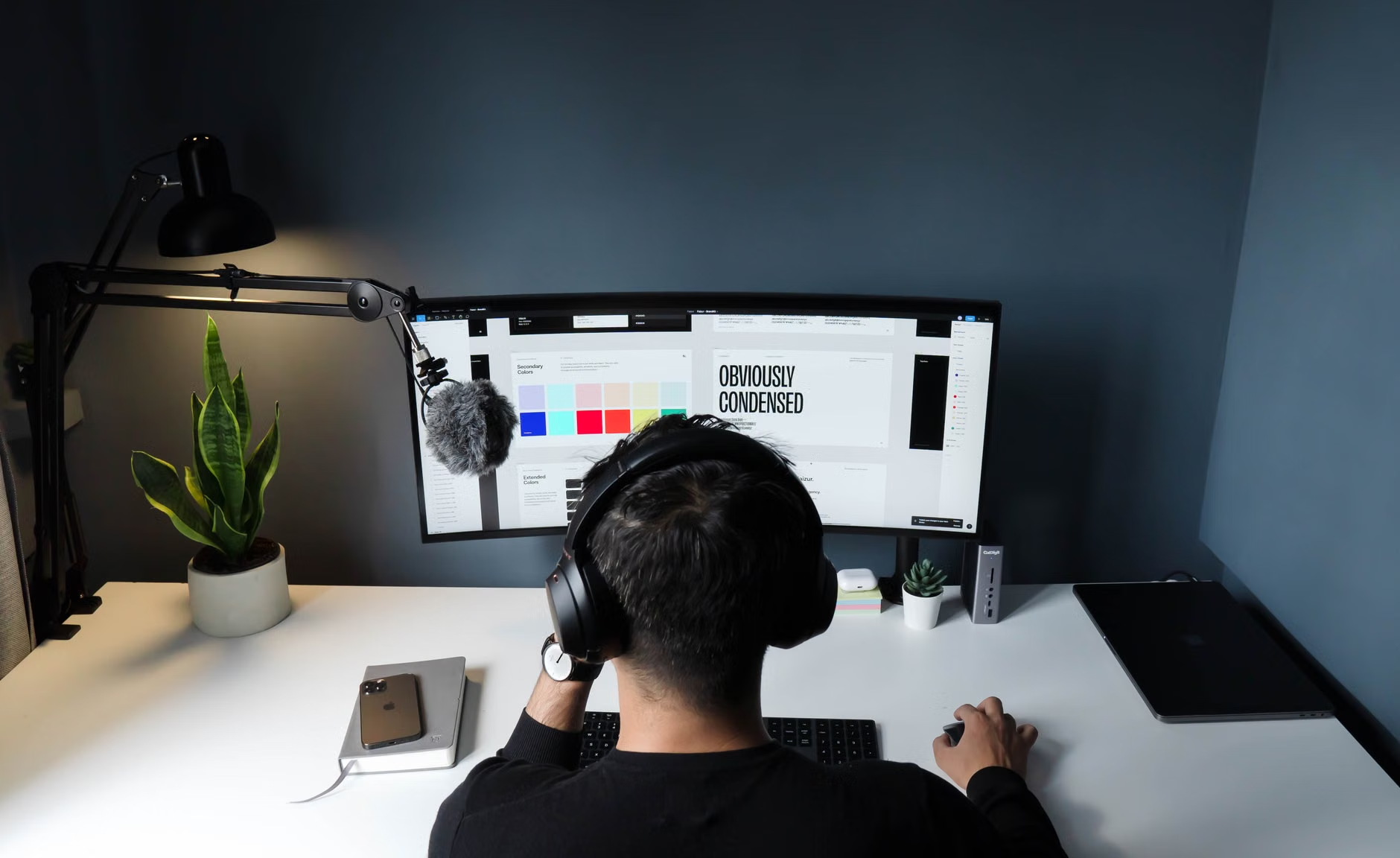
Cognitive load is the hidden tax of the remote-work era. When you work from your kitchen table, your brain is constantly processing environmental cues: the dirty dishes in the sink, the pile of laundry, or the sound of the front door opening. Even if you aren’t consciously attending to these things, your brain is using energy to ignore them.
Psychologists call this “context-dependent memory and focus.” By physically moving to a dedicated pod, you are creating a “transition ritual.” That five-minute walk to the lobby or the elevator ride acts as a mental reset button. It signals to your nervous system that you are shifting gears from “parenting” to “professionalism.”
The Trade-off: Convenience vs. Comfort
While the commute is negligible, these pods come with their own set of trade-offs. You are trading the comfort of your own home—where you have your own chair, your own snacks, and no dress code—for a standardized environment. You need to be prepared for the following realities:
- The “Fishbowl” Effect: Most pods are glass-walled. If you are someone who gets distracted by movement in your peripheral vision, you need to ensure the pod is positioned in a low-traffic area of your building.
- Ventilation Limits: A common oversight is the air quality. If you are planning to spend four or more hours in a pod, check if it has an active, filtered ventilation system. Stagnant air leads to fatigue much faster than a noisy office.
- Connectivity Dependency: You are at the mercy of the building’s network. Always have a mobile hotspot ready as a backup, even if the building promises “high-speed enterprise fiber.”
Evaluating the Costs: Is It a Smart Investment?
To determine if a work-pod is a smart financial move, you need to look at your “hourly cost of distraction.” If you lose 30 minutes of deep work every day due to domestic interruptions, and your hourly rate is $50, you are effectively “paying” $25 a day in lost productivity. If a monthly subscription to a building pod costs $150, you break even in just six days of usage.
| Scenario | Pod Suitability | Key Reason |
|---|---|---|
| High-stakes video calls (client-facing) | Essential | Guaranteed silence and professional backdrop. |
| Deep-focus writing/coding | Highly Recommended | Removes home-based visual distractions. |
| Casual emails/Admin tasks | Optional | Doesn’t require a dedicated, distraction-free zone. |
When you calculate the cost, don’t just look at the subscription fee. Include the “hidden” time costs, such as the time spent walking to the lobby, setting up your gear, and potentially walking back to grab a coffee or a charger you forgot. If the pod is in your own building, these costs are minimal. If you have to leave your building to access a nearby third-space, the “switching cost” increases significantly.
The “Pro-Level” Setup: How to Make the Pod Work for You
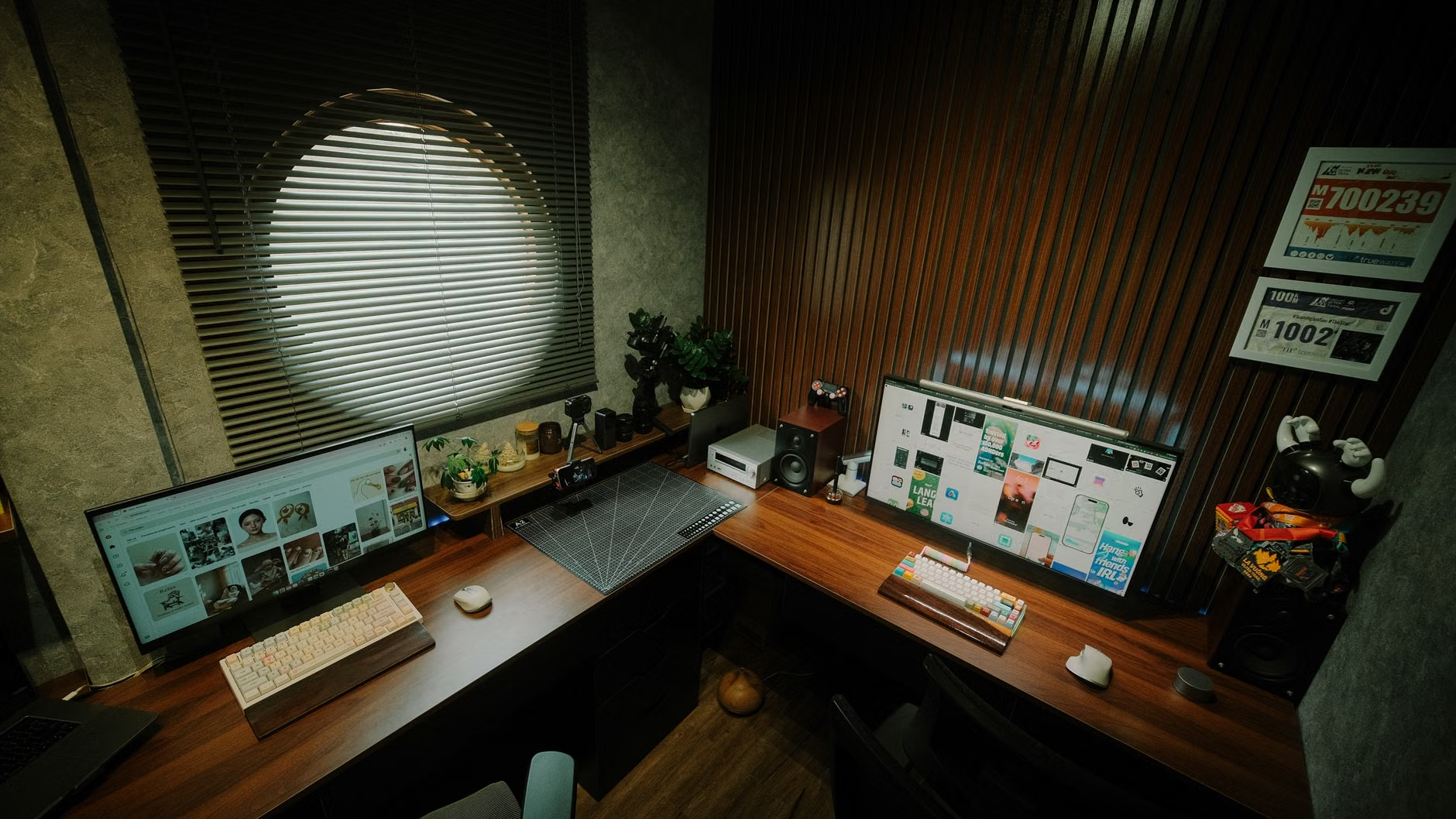
If you decide to utilize a residential pod, don’t just show up with a laptop. Because the space is small, you need to be intentional about your “kit.”
1. The “Pod-Kit” Strategy
Keep a dedicated bag or small crate that contains only what you need for a pod session. This prevents the “I forgot my charger” panic that wastes 20 minutes of your reserved time. Your kit should include:
- A high-quality pair of noise-canceling headphones (even if the pod is soundproof, you need to block out internal hums).
- A portable laptop stand. Most pods have fixed desks, which are rarely at the perfect ergonomic height for everyone.
- A dedicated power bank, just in case the pod’s internal outlet is faulty.
- A small, spill-proof water bottle.
2. The Booking Discipline
The most common mistake users make is “over-booking.” They book a four-hour block, but their brain only has 90 minutes of high-intensity focus in it. Instead, start with 90-minute “sprints.” If you find you still have more to do, you can extend your time, but you avoid the guilt of paying for an empty, unused pod.
Common Pitfalls and How to Avoid Them
Even with the best intentions, things go wrong. Let’s look at how to mitigate the most frequent issues encountered by residential pod users.
The “Unfinished Business” Trap
Don’t leave your personal belongings in the pod if it’s a shared space. It’s tempting to leave your mouse or notebook to “save” your spot, but this is a quick way to lose your gear or violate building policies. Always clear your space completely. This also helps with the psychological “closing out” of your workday.
The Privacy Paradox
Just because a pod is soundproof doesn’t mean it’s “privacy proof.” If you are discussing sensitive client data or private company information, be aware of who is walking by outside the glass. If the pod is in a lobby, assume that people can see your screen or hear you if the door isn’t properly sealed. Use a privacy screen filter on your laptop if you handle highly confidential info.
The Ventilation Check
If you step into the pod and it feels “stuffy” or smells like the previous user’s lunch, check the fan settings immediately. Most modern pods have a control panel for airflow. If the air isn’t moving, do not force yourself to stay. Poor air quality leads to increased CO2 levels, which will cause a headache and cognitive decline within 60 minutes. It is better to report the issue to building management and work from home that day than to force productivity in a “toxic” air environment.
Beyond the Pod: When You Should Stay Home
Not every task belongs in a pod. There is a tendency to treat the pod as a “productivity cure-all,” but that’s a fallacy. Use the pod for high-focus, high-stakes, or high-noise tasks. If you are doing routine data entry or listening to a recorded webinar, your own living room is perfectly fine. Save the pod for when you need to be at your absolute best.
Furthermore, if you find that you are using the pod to avoid your family rather than to improve your work, it’s time to re-evaluate your boundaries. The pod should be a tool to help you finish your work faster so you can be more present at home, not a tool to extend your working hours indefinitely.
Final Thoughts: Your Path to Better Focus
The residential work-pod is a powerful tool for the modern parent, but it isn’t a magic wand. It requires a shift in how you view your workday—moving from “working whenever and wherever I can” to “working with intention.”
Start by testing the facility for one week. Book one or two sessions during your most critical hours. Observe how your focus changes, how your stress levels fluctuate, and whether the “commute” to the lobby actually helps your mental transition. If it works, treat it like any other professional subscription—a line item in your budget that pays for itself through reclaimed time and reduced stress.
At the end of the day, your goal is to close the laptop and leave work behind—literally and figuratively. If a 10-minute session in a glass booth helps you get there, it’s worth every penny.
Frequently Asked Questions
Q: Are these pods truly soundproof for sensitive client calls?
A: Most professional-grade pods are designed for acoustic isolation, meaning they prevent sound from entering or leaving. However, they are not 100% soundproof. They are excellent for suppressing ambient noise like a TV or a neighbor, but if you have a very loud voice, a neighbor standing directly outside the glass may hear muffled sounds. For highly sensitive calls, always test the acoustic seal first.
Q: What happens if the internet goes down while I’m in the pod?
A: Always treat the pod’s Wi-Fi as a convenience, not a guarantee. If your job requires 100% uptime, you should have a dedicated mobile hotspot or a tethering plan on your phone. Most building management companies do not guarantee the uptime of the lobby Wi-Fi for business-critical tasks.
Q: How do I handle the ergonomic limitations of a shared pod?
A: Since you cannot change the furniture, you must change your accessories. Use a lightweight, foldable laptop stand to bring your screen to eye level and a compact external keyboard. These two items alone will solve 90% of the ergonomic issues found in shared workspace pods.
For further reading on remote work productivity and ergonomic standards, you can refer to the official guidelines from the OSHA Computer Workstation eTool, which provides a solid baseline for setting up any workspace, regardless of size.