The most effective “reset” for a toddler’s overstimulated nervous system isn’t a high-tech play center or a noisy theme park; it is the low-stimulation, tactile environment of a working farm. By trading screen time and rigid schedules for the sensory-rich reality of mud, animal fur, and open space, parents can help their children regulate their emotions and reset their sensory thresholds in as little as three days.
- Sensory Regulation: Agritourism provides “heavy work” and tactile stimulation that naturally grounds toddlers, reducing meltdowns caused by urban overstimulation.
- The 3-Day Rule: While a weekend trip is a start, a three-night stay is the minimum duration for a toddler to transition from “tourist mode” to “rhythmic farm life,” allowing for a genuine nervous system reset.
- Active Participation vs. Observation: The therapeutic value lies in doing—feeding chickens, touching soil, and feeling wind—rather than merely observing animals from behind a fence.
The Science of the Sensory Reset: Why Urban Life Overwhelms Toddlers
If you have ever felt that your toddler is “wired and tired” after a week of nursery school, playground visits, and tablet time, you aren’t imagining it. Modern urban environments are filled with what researchers call “sensory clutter.” Constant background noise from traffic, artificial lighting, and the high-contrast visuals of digital screens force a toddler’s developing brain to filter out an enormous amount of irrelevant information. When the brain’s “filter” becomes fatigued, the result is often irritability, sleep disruption, and the classic toddler tantrum.
Agritourism—travel that involves staying on a working farm—acts as a sensory “fast.” Instead of the chaotic, unpredictable sensory input of a city, a farm offers rhythmic, predictable, and natural stimuli. The sound of a breeze through trees or the low hum of insects operates at a lower decibel level than city traffic, allowing the amygdala—the part of the brain responsible for processing stress—to downshift.
For parents in their 30s and 40s, this is a double win. You aren’t just giving your child a break; you are opting into an environment where “slow” is the default setting. There is no urgency to reach the next landmark, no queueing for rides, and no pressure to adhere to a strict itinerary. The farm dictates the schedule, and that rhythm is inherently calming for both the parent and the child.
The Three-Day Transition: Why Timing Matters
Many families attempt to squeeze a farm-stay into a 24-hour window, only to find that their toddler is just starting to adjust when it’s time to pack the car. Developmental experts often note that toddlers require a transition period to adjust to new sensory environments. In the context of agritourism, we can categorize this transition into three distinct phases:
| Day | Toddler Behavior | Parental Goal |
|---|---|---|
| Day 1: The Decompression | High energy, testing boundaries, potential anxiety about new surroundings. | Set up the home base, establish basic routines, and minimize transition stress. |
| Day 2: The Engagement | Curiosity takes over; the toddler begins to interact with textures and animals. | Facilitate supervised exploration; allow for “boredom” as a catalyst for play. |
| Day 3: The Integration | Noticeable calm; improved focus and self-regulation; rhythmic play. | Enjoy the environment; observe the shift in the child’s mood and patience. |
If you only stay for one night, you are likely to spend the entire trip in the “Decompression” phase. To truly reap the benefits of the sensory reset, aim for at least three nights. This allows your child to wake up on the second and third mornings already knowing where they are, what the environment feels like, and what to expect from the morning chores. This predictability is the foundation of security for a toddler.
Choosing the Right Farm-Stay: A Decision Framework
Not all farm-stays are created equal. Some are “agritourism-lite,” which are essentially boutique hotels in rural settings, while others are full-scale working farms. For a sensory reset, you want a place that prioritizes interaction over luxury.
1. The “Working” Factor
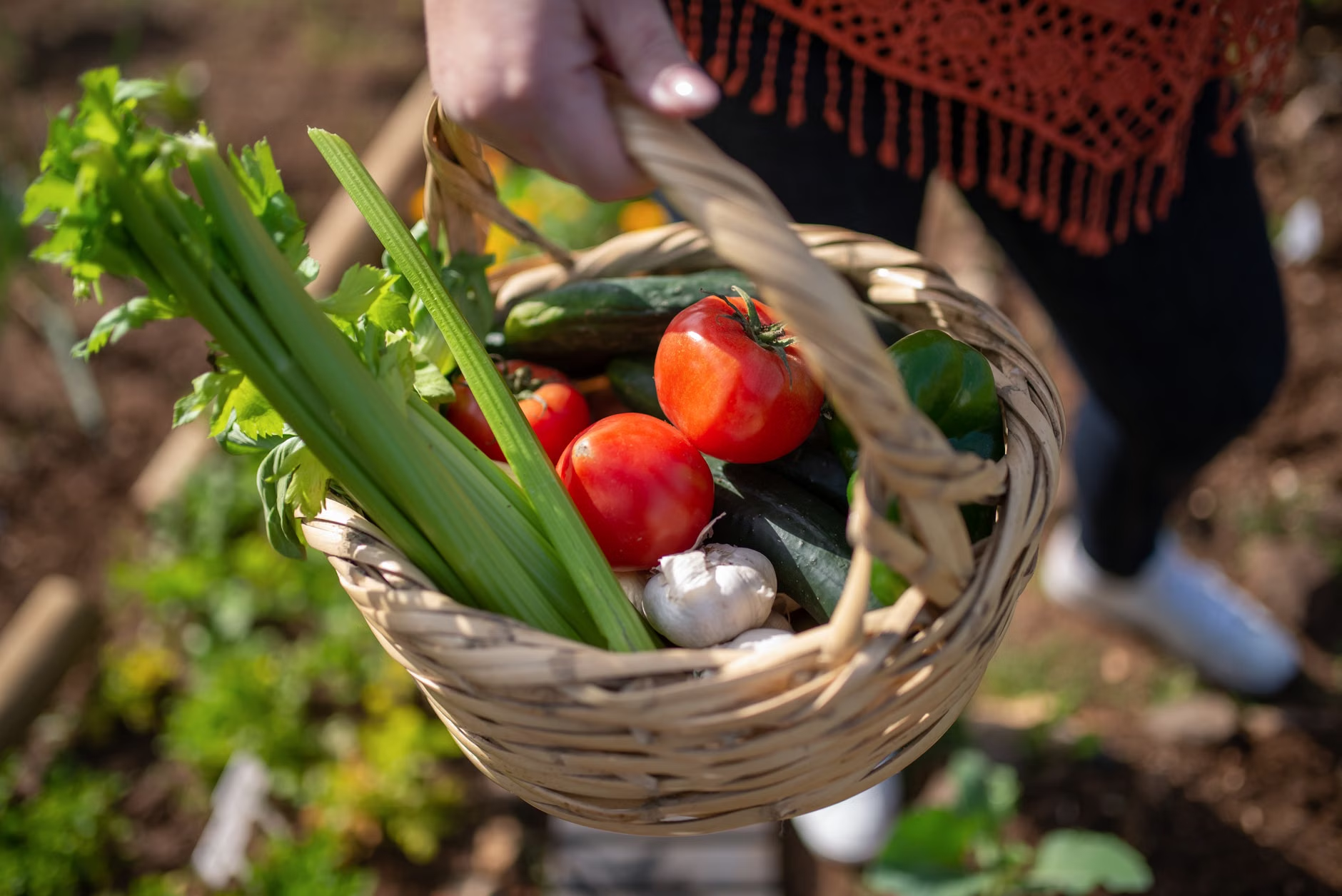
Look for farms that encourage participation. Can your toddler help collect eggs? Can they help sweep the barn or feed the goats? The physical act of carrying a basket or scattering grain provides “proprioceptive input”—the sensory information our bodies get from muscles and joints—which is incredibly grounding for toddlers. If the farm is purely decorative, you will miss out on this developmental benefit.
2. The Safety and Boundary Check
A common mistake is choosing a farm with too many “off-limits” areas. For a toddler, everything is an invitation to touch. Search for hosts who explicitly state that their farm is child-friendly and have established, safe zones where children can roam without constant “don’t touch that” warnings. If you spend your entire trip policing your child, your own stress levels will negate the benefits of the trip.
3. Connectivity vs. Disconnection
Check the Wi-Fi situation. While we all want to stay connected, the goal of a sensory reset is to reduce digital input. Choose a location where you are comfortable leaving your phone in the room for extended periods. If your habit is to record every moment, you are effectively staying “in the screen” rather than “in the moment.”
Managing the “Mud Factor”: Practical Tips for Parents
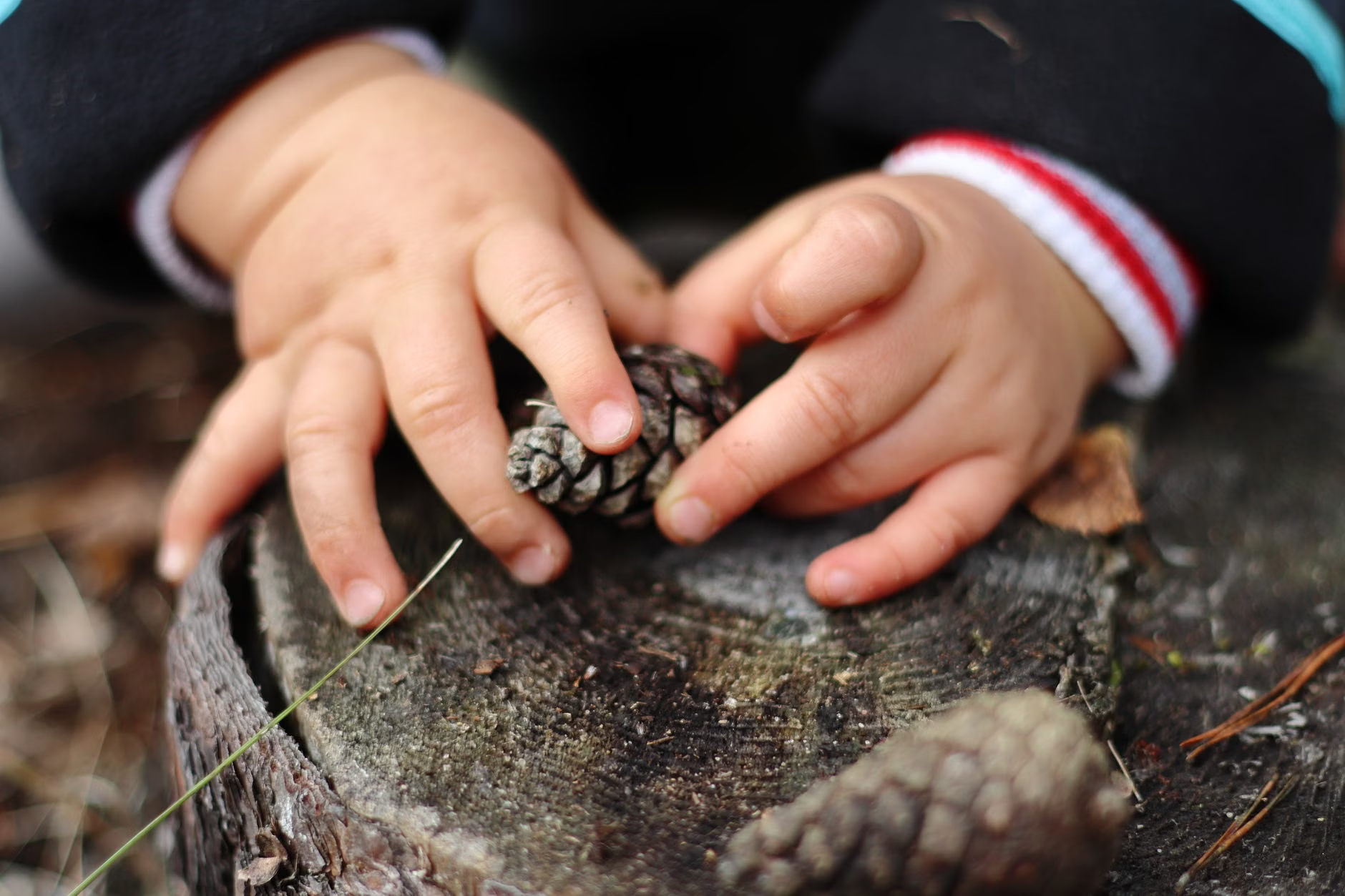
The biggest hurdle for urban parents in a rural setting is often a fear of dirt. We are conditioned to avoid mud, animal dander, and grass stains. However, research into the “hygiene hypothesis” suggests that limited exposure to diverse microbes in a controlled, natural environment can actually be beneficial for developing immune systems. More importantly, from a sensory perspective, the tactile experience of mud is a goldmine for development.
Instead of preventing the mess, prepare for it. This is the key to keeping your own sanity intact. Here is your “Farm-Stay Survival Kit” for parents:
- The “Farm-Only” Outfit: Bring clothes that you have already mentally written off. If you are worried about ruining a pair of expensive trousers, you will transmit that anxiety to your child.
- The Mud Room Protocol: Establish a clear rule: “Mud stays outside.” Set up a designated area (the porch or a mudroom) where boots come off and outer layers are stripped. This creates a clean boundary between the “dirty” outside and the “clean” inside, which helps keep the home base organized.
- Sensory Tools: Bring a few basic tools—a small shovel, a magnifying glass, and a bucket. These items bridge the gap between “running wild” and “focused play.” If your toddler is overwhelmed, handing them a magnifying glass to look at an ant hill can instantly shift them from a state of agitation to a state of calm observation.
Common Misconceptions About Farm-Stays
There is a widespread belief that farm-stays are only enjoyable if the child is already interested in animals. This is a narrow view. Even if your toddler is afraid of larger animals, the sensory benefits of a farm-stay remain potent. The farm environment is about more than just cows and horses; it is about the smell of hay, the texture of gravel, the sound of the wind, and the wide-open horizon.
Another misconception is that farm-stays are “boring.” For a toddler, there is no such thing as boring. A puddle is an ocean; a pile of leaves is a mountain. Parents often feel the need to “entertain” their children, but the farm-stay environment removes that burden. You don’t need to plan activities. The environment is the activity. Watch your child for 30 minutes; you will find they are capable of playing with a single stick or a patch of clover for far longer than you would expect.
Integrating the Farm-Stay Lesson into Everyday Life
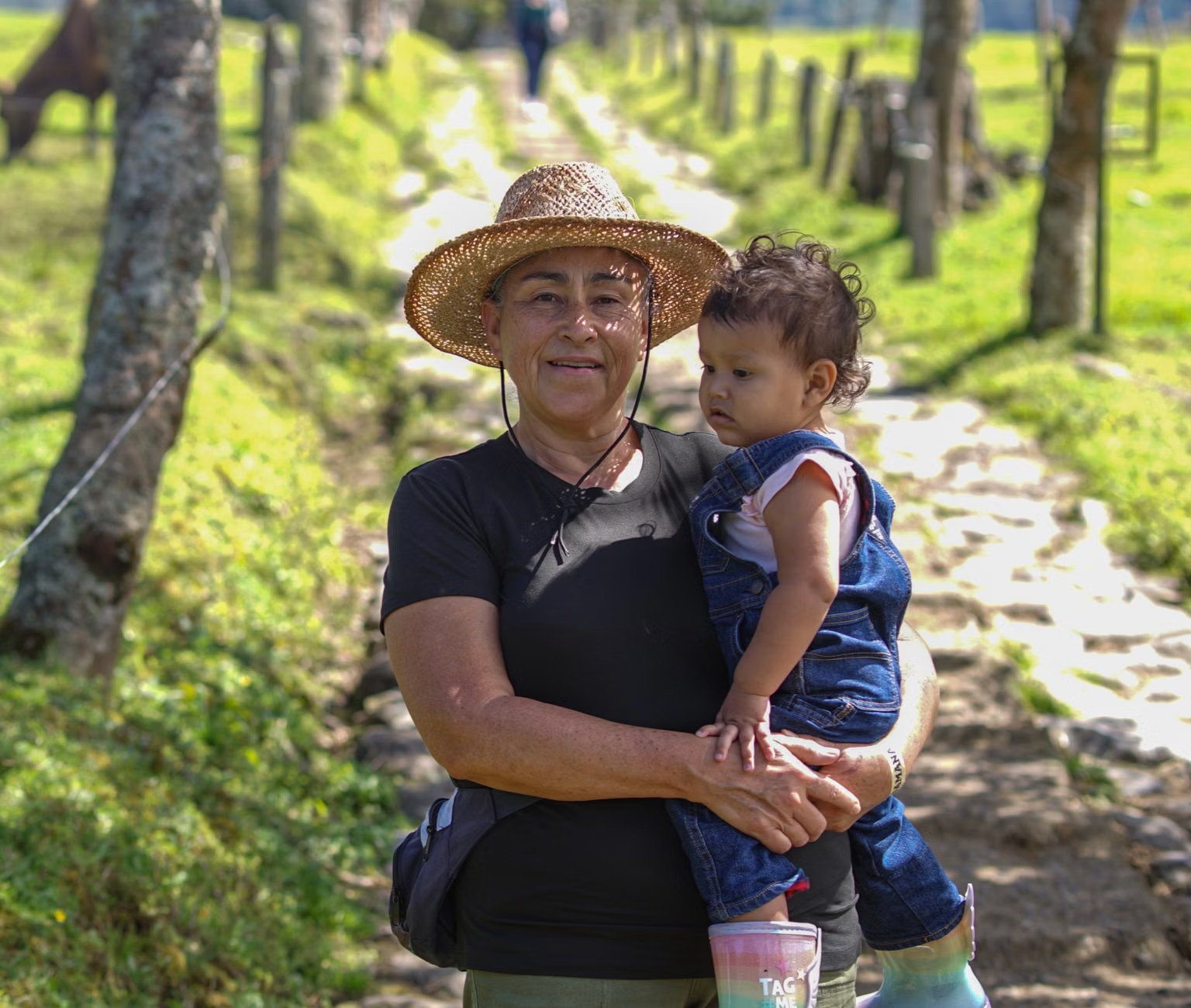
Once you return home, the challenge is maintaining the “reset.” You cannot live on a farm forever, but you can incorporate elements of the farm-stay into your urban routine. This is the most crucial part of the journey—the transition back to reality.
1. The “Sensory Corner”
You don’t need a farm to provide tactile stimulation. Create a small “sensory bin” in your home. Use dry beans, rice, or even local dirt (if you have a balcony or garden) to allow your child to dig and pour. This mimics the heavy work they did on the farm and provides a familiar grounding mechanism.
2. The “Quiet Hour”
On the farm, there is a natural lull in the day. Replicate this at home. Eliminate all background noise—no TV, no music, no podcasts—for one hour a day. Sit on the floor with your child and engage in a low-intensity activity like drawing or building with wooden blocks. This helps your child maintain the ability to self-regulate in the absence of constant stimulation.
3. Regularity of Nature
If you live in a city, commit to one “nature outing” per week that is not a playground. A park, a forest trail, or even a local community garden. The key is to prioritize the natural environment over the man-made environment. Over time, your child will learn to seek out these spaces when they feel overwhelmed, essentially building their own internal “reset button.”
Final Thoughts: The Value of “Slow Parenting”
Choosing an agritourism vacation is a deliberate rejection of the “constant stimulation” model of parenting. It is an acknowledgment that your toddler’s brain is not a computer that needs constant updates, but a biological system that thrives on rhythm, natural textures, and presence. While the idea of a farm-stay might seem like an extra chore—packing boots, dealing with bugs, managing the mess—the payoff is a child who is more grounded, more focused, and less reactive.
Don’t look for the “perfect” farm. Look for a place that allows you to slow down. The best farm-stay is one where you, as the parent, feel comfortable enough to put your own phone away and watch the world through your child’s eyes. That, ultimately, is the greatest reset of all.
Frequently Asked Questions
Q: My toddler is afraid of animals. Is a farm-stay still a good idea?
A: Absolutely. Agritourism is fundamentally about the natural environment, not just animal interaction. You can focus on the sensory aspects of the farm—exploring garden beds, walking through meadows, and observing the farm from a distance. Often, the fear dissipates once the child realizes they are in control of their proximity to the animals, but the core benefit of the sensory reset remains regardless of whether they pet a goat or not.
Q: How do I find a reputable, child-friendly farm-stay?
A: Use specialized platforms that allow for filtering by “family-friendly” or “working farm.” Websites like Farm Stay UK or regional equivalents in your country are excellent starting points. Always look for reviews that specifically mention toddler safety and the ability to participate in farm activities. If a farm doesn’t explicitly welcome children, it is best to skip it, as the environment may not be set up for the curiosity of a toddler.
Q: What if the weather is bad during our farm-stay?
A: Rural life is inherently weather-dependent, and this is part of the “reset.” If it rains, the farm doesn’t stop; it just changes. Bring high-quality waterproof gear for both you and your toddler. Splashing in farm mud in the rain is a high-value sensory experience that children rarely get in urban settings. If the weather is truly extreme, the quiet of a farmhouse during a storm is a unique, cozy experience that reinforces the “slow living” aspect of the trip.
For more information on the benefits of nature-based play, you can explore the research from the Children & Nature Network, which provides extensive data on how natural environments support child development and emotional health.