- Prioritize “Zoning” over square footage: Ensure the rental has physical barriers between high-activity areas (kitchen/living) and quiet zones (bedrooms) to manage different sleep schedules.
- The 1:2 Bathroom Rule: For groups larger than six, ensure you have at least one bathroom for every two bedrooms to avoid morning bottlenecking and group stress.
- Check the “Kitchen Capacity” beyond appliances: A massive fridge is useless if there is only one burner or a tiny prep space; look for dual-prep areas to accommodate multiple cooks.
The secret to a successful family reunion isn’t the destination; it’s the floor plan. If you are in your 30s or 40s, you know the specific, high-stakes dance of balancing a toddler’s nap time, a teenager’s need for Wi-Fi, and your parents’ preference for an early night. When you book a standard vacation home, you are often choosing between aesthetics and functionality. For a family reunion, choosing the wrong property doesn’t just mean a bad view—it means collective burnout by day two.
Why the “Open Concept” Trap Ruins Multi-Generational Trips
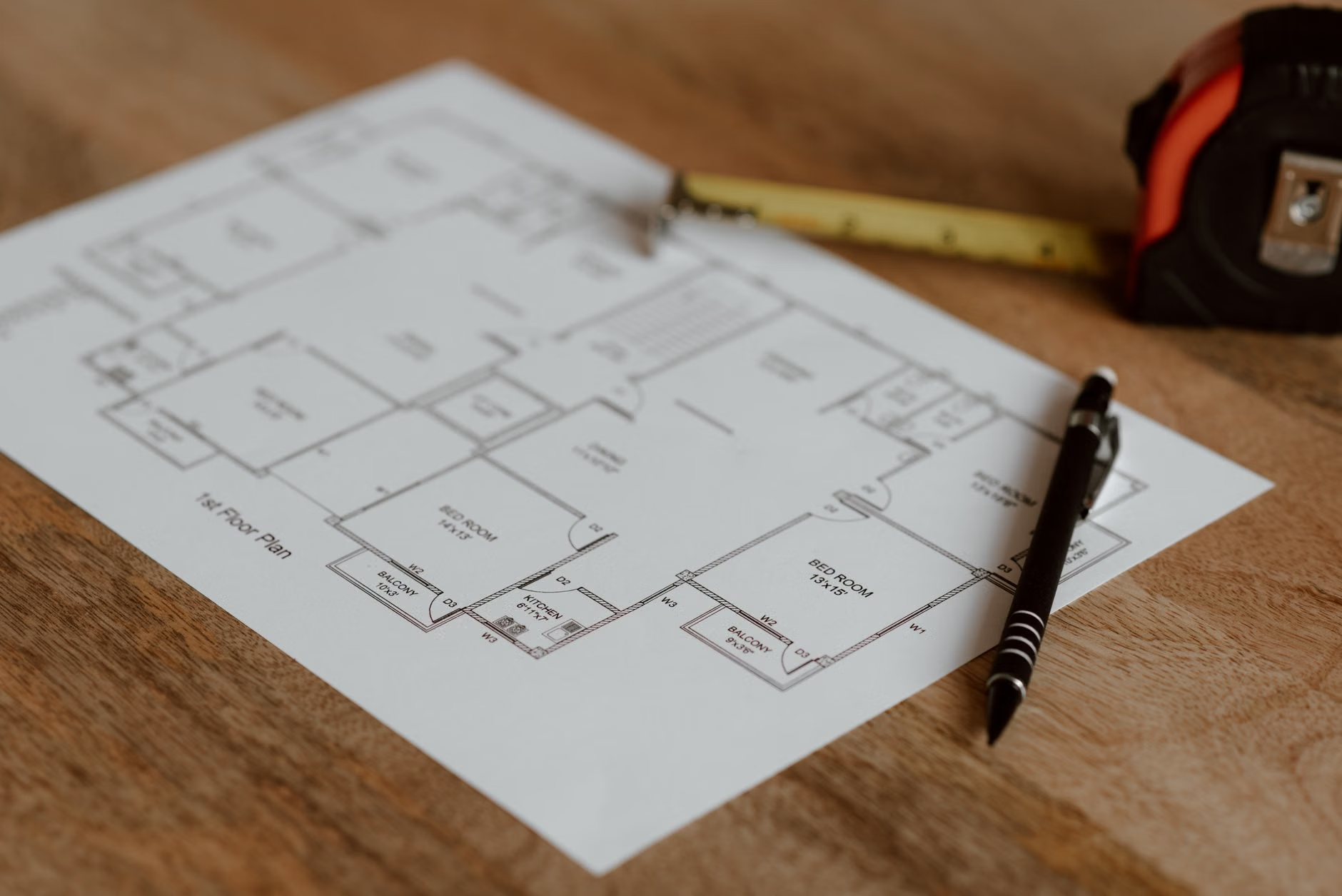
Real estate listings love the term “open concept.” For a couple or a small nuclear family, it sounds dreamy. For a group of 10 people spanning three generations, it is often a nightmare. Sound travels in open-concept homes without mercy. If the living room, dining area, and kitchen are one big echo chamber, your morning coffee routine will inevitably wake the baby in the bedroom down the hall.
The Reality Check: When searching for a rental, look for “acoustic separation.” This doesn’t mean you need a soundproof bunker, but you do need walls between the social hub and the sleeping quarters. If you are browsing platforms like Airbnb or Vrbo, look specifically at the floor plans or the photo sequence. If the master bedroom shares a wall with the main television area, you have already lost the battle for a peaceful evening.
Actionable Step: Use the “Sound Barrier Test” during your search. Look for photos that show hallways leading to bedrooms. If the listing doesn’t provide a floor plan, message the host and ask: “Is there a door or hallway between the main living area and the primary bedrooms?” If they say it’s an “open loft style,” keep looking. That is a red flag for anyone traveling with children or early risers.
The Bathroom-to-Bedroom Ratio: A Statistical Necessity
We often focus on the number of beds when booking for a group, but the real bottleneck in a family reunion is the bathroom. The “one bathroom for everyone” model works for a weekend trip, but for a week-long stay, it is a recipe for resentment. The stress of waiting for a shower while someone is doing their hair is a classic vacation mood-killer.
The Golden Ratio: Aim for a minimum of one bathroom for every two bedrooms. If your group includes teenagers or multiple couples, you should push for a 1:1.5 ratio. This is not about luxury; it is about the “morning flow.” If you have eight adults, you need to be able to have two people showering and one person using the toilet simultaneously without a line forming in the hallway.
Common Mistake: Relying on “half-baths” or powder rooms as a solution. A half-bath is useful for quick trips, but it does not alleviate the morning shower bottleneck. When checking amenities, verify the type of bathroom. Is it a full bathroom (shower/tub included) or just a vanity and toilet? If the listing says “3 bathrooms,” make sure at least two of them have showers.
Kitchen Logistics: Beyond the Number of Burners
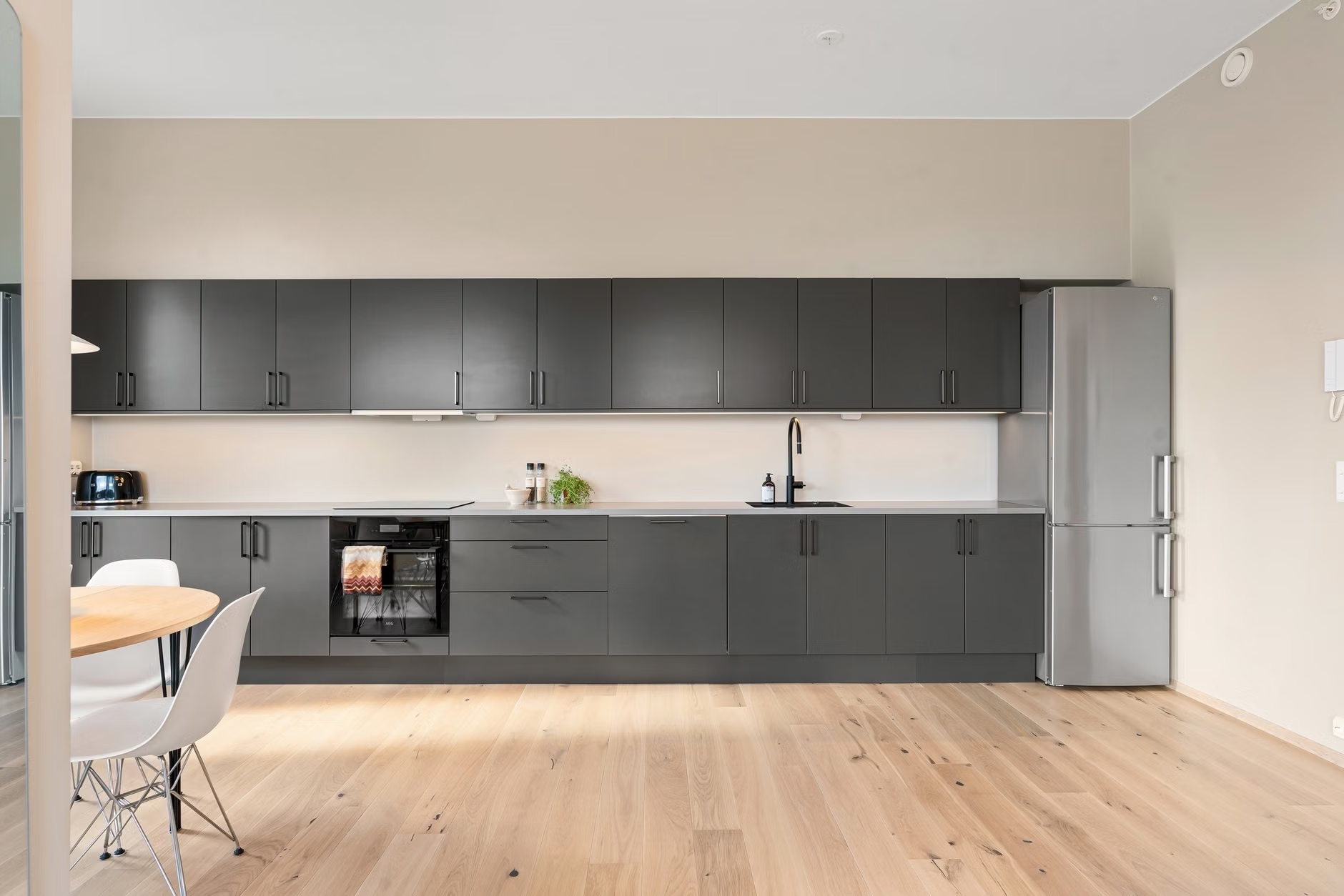
The kitchen is the heart of a reunion, but it is also where most arguments happen. If you have three people trying to help with dinner, a tiny, one-wall kitchen will feel like a prison. You aren’t just looking for an oven; you are looking for “work triangles.”
The Evaluation Framework:
| Feature | Why It Matters | What to Look For |
|---|---|---|
| Counter Space | Prevents clutter and accidents | Look for islands or long linear runs. |
| Fridge Volume | Storage for 10+ people’s groceries | Avoid “bar fridges” or single-door models. |
| Prep Zones | Allows multiple cooks at once | Look for dual-sided islands or peninsulas. |
Practical Insight: If you are planning to cook large family meals, look for a “second sink.” A prep sink on an island is a game-changer. It allows one person to wash vegetables or handle raw meat while another person is using the main sink for dishes or coffee. It separates the “dirty” work from the “clean” work, keeping the kitchen functional for longer.
Outdoor Space: The Essential “Escape Valve”
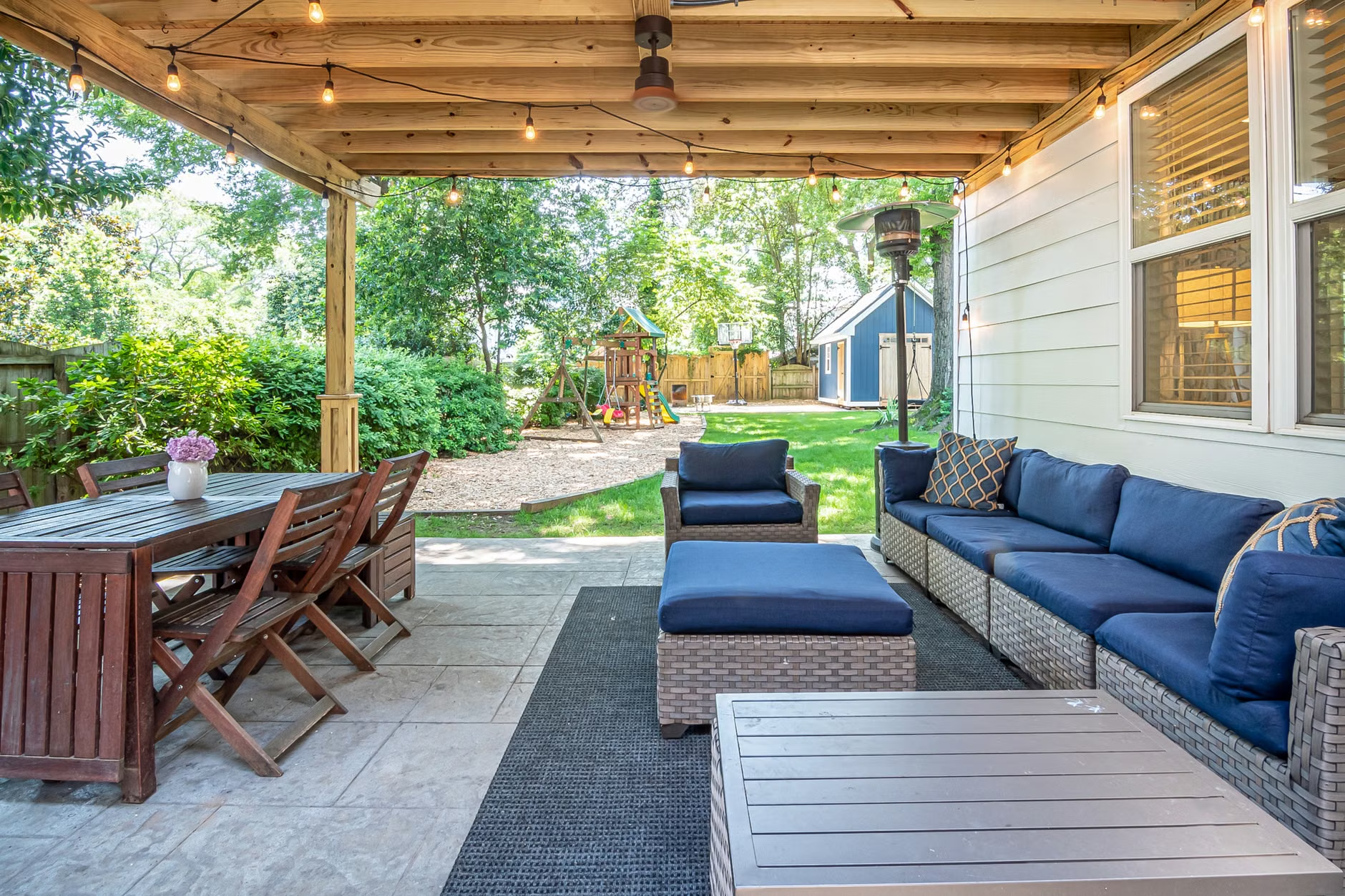
When you are living with family, even the ones you love most, you will need an escape valve. If everyone is trapped inside because the weather is bad or the house is small, tension will rise. An outdoor space acts as a pressure release valve. It provides a secondary living area where one branch of the family can have a quiet conversation while the other is playing games inside.
What to look for: Do not just count the backyard. Look for the “Usability Factor.” Is the furniture comfortable? Is there shade? If the only outdoor seating is a rusted metal bench, nobody will actually use it. You want a space that feels like an extension of the living room. If you are traveling in a cooler climate, check for a fire pit or a covered porch with a heater. These features essentially grant you an extra room for the duration of your stay.
Technology and Connectivity: The Hidden Stressor
In our 30s and 40s, we are often “digital hybrids.” We are trying to enjoy family time while keeping one eye on emails, managing kids’ screen time, or streaming a movie for the toddlers. A rental with spotty Wi-Fi is not just a minor annoyance; it is a major logistical hurdle.
Check the Speed: Don’t just trust the “Wi-Fi included” badge on the booking site. Message the host and ask for a speed test result (e.g., “Could you please tell me the download speed?”). If they don’t know, assume it is slow. For a group of 10, you need a robust connection to handle multiple devices streaming at once.
Power Access: Look at the bedside tables in the photos. Are there outlets, or are they buried behind heavy furniture? It sounds trivial, but in a house full of people, you don’t want to be crawling under a bed to find a power strip to charge your phone or a baby monitor. If you see a lack of outlets, pack a long-cord power strip—it is the single most useful item you can bring to a group rental.
The “Rules of Engagement” Checklist
Before you finalize the booking, there are a few non-negotiables you should clarify with the host. These are the “hidden” variables that can turn a vacation into a chore.
- Laundry Policy: If you are staying for more than four days with children, you will need to wash clothes. Is the laundry in the unit, or is it a shared facility in the basement? If it’s shared, how do you pay for it?
- Trash Management: Some rentals require guests to haul trash to a local dump. If you are on vacation, this is the last thing you want to do. Ask about the trash routine.
- Cleaning Expectations: What is required at checkout? Some hosts ask you to strip beds and start the dishwasher; others prefer you leave everything as is. Knowing this upfront prevents “checkout day” arguments.
Managing Group Dynamics Through Physical Space
The biggest mistake people make is trying to force a “singular” group experience. The most successful reunions are those that allow for “nested” experiences. This means the house should be large enough that you can have three different things happening at once: a group watching a movie, a group playing cards, and a group reading in the corner. If the house only has one “mode” of operation, you are going to see a lot of friction.
The Decision Rule: When you look at the photos, ask yourself: “Can two different groups of four people exist in this house without hearing each other?” If the answer is no, you are booking a house that will eventually feel very small. If the answer is yes, you have found a winner.
Common Misconceptions About “Luxury” Rentals
There is a common belief that paying more for a “luxury” rental solves all these problems. This is rarely true. Often, luxury properties are designed for aesthetics, not for the functional messiness of a family reunion. They might have a beautiful white couch that you’re terrified to let your toddler sit on, or a minimalist kitchen that looks great but has no counter space.
The Better Strategy: Prioritize “Durability” over “Design.” Look for homes with hardwood or tile floors rather than expensive carpets, sturdy furniture, and open floor plans that are specifically designed for traffic flow. A slightly worn, well-loved family home is often much more relaxing for a reunion than a sterile, high-end designer property.
What to Do When the Rental Doesn’t Match the Listing
Even with the best research, sometimes the reality doesn’t match the photos. If you arrive and find the kitchen is smaller than it looked, or the “quiet zone” is right next to the street, don’t wait until the end of the trip to address it. Contact the host immediately. Most hosts want to keep their ratings high and will be willing to help—perhaps by providing extra fans for white noise, or extra chairs for the dining table.
Pro-tip: If you are traveling with a large group, bring a “Rental Kit.” This includes a power strip, a Bluetooth speaker (to mask noise), a couple of extra kitchen towels, and a small bag of cleaning supplies. These items cost very little but solve 90% of the minor frustrations that arise in rental homes.
The Final Verdict on Choosing Your Rental
Ultimately, a successful family reunion is about lowering the friction of everyday life so you can focus on the people. If you spend your trip worrying about whether there’s enough hot water for the shower or if the kids are being too loud for the neighbors, you aren’t really on vacation.
Take the time to look past the wide-angle, “staged” photos. Look for the doors, the outlets, the counter space, and the floor plan. If you approach the booking process with the same logistical rigor you apply to your work projects or your family schedule, you will find a space that supports your reunion rather than hindering it. Your future self—the one who gets a quiet cup of coffee while the rest of the house is still asleep—will thank you.
Frequently Asked Questions
1. How do I verify if a rental is truly “child-friendly” beyond the check-box?
Don’t rely on the “Family Friendly” filter alone. Message the host and ask, “Are the cabinets in the kitchen child-locked?” or “Is the staircase gated?” If they aren’t, you know you need to pack your own travel gates or baby-proofing supplies. Always assume a rental is not baby-proofed until proven otherwise.
2. Should I prefer a property management company over an individual host for a reunion?
It depends on your priority. Property management companies (like professional vacation rental agencies) usually offer more consistency, professional cleaning, and 24/7 support if something breaks. Individual hosts might offer more “homey” touches, but if a pipe bursts at 11 PM, you are at the mercy of their personal availability. For a large group, the professional support of a management company is usually worth the extra cost.
3. What is the best way to handle “room assignments” before we arrive?
This is the biggest source of family drama. Use a simple spreadsheet or a shared document to assign rooms based on needs (e.g., the couple with the baby needs the room furthest from the street; the grandparents need a room on the ground floor). Do this at least two weeks before the trip. If you leave it until you arrive at the house, you will be dealing with a chaotic “room grab” that sets a stressful tone for the rest of the reunion.
For more details on vacation rental safety and standards, check the official guidelines from the Federal Trade Commission regarding rental safety or your local consumer protection agency.