The most effective business networking strategy in 2024 is no longer about who can hold their liquor at a late-night bar; it is about who can maintain sharp, authentic, and high-energy connections during the workday without the fog of alcohol.
Key Takeaways
- Increased Cognitive Presence: Skipping alcohol during networking events preserves your executive function, ensuring you remember names, details, and follow-up tasks accurately.
- The “Morning-After” Competitive Advantage: By choosing zero-proof options, you remain fully operational for early morning meetings and family obligations, unlike peers who may be recovering from late-night drinks.
- Inclusivity as a Networking Tool: Adopting a zero-proof stance removes barriers for colleagues who abstain for health, religious, or personal reasons, positioning you as a thoughtful and modern leader.
The Paradigm Shift: From “Happy Hour” to “High-Performance Hour”
For the better part of three decades, the “business deal over drinks” was the gold standard of professional relationship building. We were told that loosening inhibitions was the key to unlocking honesty and camaraderie. However, for professionals in their 30s and 40s—a demographic juggling demanding careers, young children, and the need for optimal health—this model has become a liability.
The “zero-proof” trend—referring to the sophisticated, alcohol-free beverage movement—is not just about sobriety. It is about intentionality. When you are 35, a hangover is not just a headache; it is a lost morning of productivity, a disrupted sleep cycle, and potentially a missed opportunity to be present for your family. The shift towards zero-proof networking is a strategic move to optimize your professional output while safeguarding your personal time.
Why does this matter now more than ever? The global labor market is increasingly focused on output quality rather than hours logged. When you attend a networking event, you are essentially investing your time. If that investment leads to a diminished version of yourself the next day, the return on investment (ROI) is negative. By opting for high-quality, zero-proof alternatives, you are signaling that you value your time and the time of your counterparts.
The Cognitive Cost of the “Traditional” Networking Drink
Let’s look at the science behind the social lubricant. While a glass of wine might make you feel more relaxed, it simultaneously impairs your prefrontal cortex—the part of the brain responsible for complex decision-making, emotional regulation, and social nuance. In a networking scenario, you are performing a delicate dance of impression management and information gathering.
When you drink, even moderately, you lose the ability to read subtle social cues. You might miss the moment your potential client signals they are ready to talk numbers, or you might overshare, damaging the professional boundary you worked to establish. For those of us in our 30s and 40s, the “recovery tax” is also significant. A study published in the Journal of Sleep Research suggests that even moderate alcohol consumption can fragment sleep patterns, leading to reduced REM sleep. This is the exact type of sleep you need to process the complex information you gathered at that networking dinner.
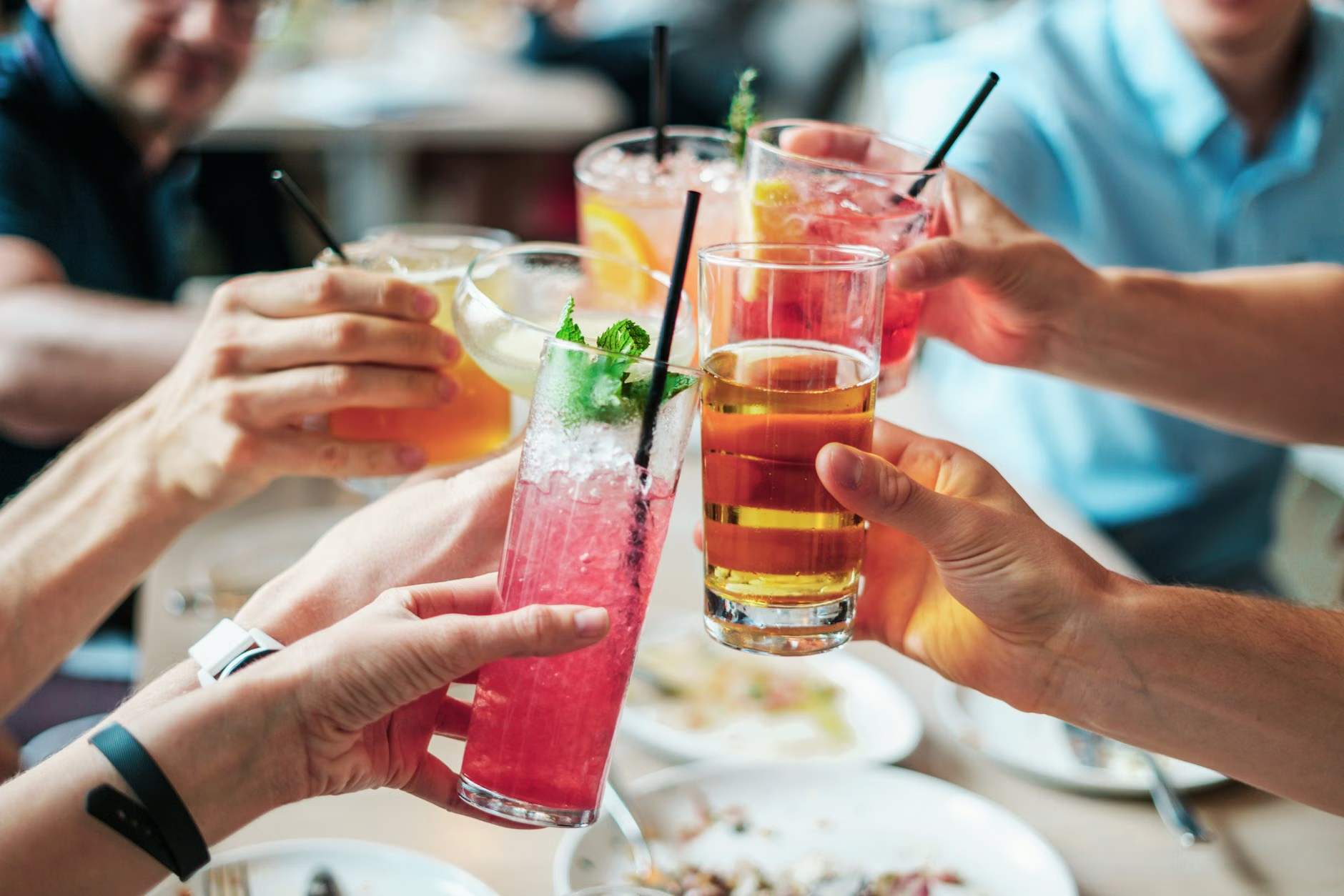
Consider the A/B comparison of a typical networking night:
| Feature | Alcoholic Networking | Zero-Proof Networking |
|---|---|---|
| Social Presence | Variable; prone to over-sharing | Consistent and sharp |
| Next Morning | Fatigued; brain fog | Ready for early meetings |
| Impression | Traditional; potentially risky | Professional; disciplined |
The most common fear among professionals switching to zero-proof networking is the “awkward factor.” Will people think you are judging them? Will you seem like a killjoy? The reality is that the stigma is rapidly evaporating. As non-alcoholic spirits, craft sodas, and dealcoholized wines have improved in quality, they have gained social capital.
The key to navigating this is confidence. You do not need to explain your choice in detail. If you are at a bar or restaurant, order your drink of choice with the same conviction as someone ordering a scotch. “I’ll have a club soda with a lime” or “Do you have any botanical non-alcoholic spirits?” works perfectly. If pressed, a simple “I have an early start tomorrow and want to stay sharp” is a universal language that most professionals in their 30s and 40s will respect.
Strategic Tip: If you are the one hosting the networking event, you have the power to set the culture. By curating a menu that features high-end zero-proof options, you remove the burden of choice from your guests. When the “special” drink of the night is a complex, non-alcoholic botanical cocktail, nobody feels like they are missing out.
Redefining the Networking Environment
If the traditional “bar” setting is no longer the optimal space for you, why continue to use it? The zero-proof trend encourages us to rethink where business connections are made. Networking is about shared experience. If the only shared experience you have is alcohol, the connection is shallow.
Consider moving your networking meetings to environments that prioritize conversation and activity over consumption:
- The Coffee/Breakfast Pivot: Moving meetings to 8:00 AM immediately changes the tone. It is inherently professional, time-bound, and signals that you value efficiency.
- The “Walk and Talk”: Urban walking meetings are becoming increasingly popular. They offer a dynamic environment, fresh air, and a natural rhythm to conversations.
- Experience-Based Networking: Instead of drinks, consider an activity. This could be a gallery opening, a museum visit, or even a casual sporting event. The shared focus on an external stimulus makes conversation easier for those who find “forced” networking awkward.

The Hidden Costs of Traditional Networking for Parents
For parents in their 30s and 40s, the “networking tax” is compounded by childcare logistics. If you are attending an evening event that involves alcohol, you are not just managing your own recovery; you are managing the risk of being a less-than-effective parent the following morning. The exhaustion that follows a night of drinking is not just a personal inconvenience—it is a disruption to the family ecosystem.
When you choose zero-proof, you are essentially reclaiming your weekend mornings and your weekday mornings. You are able to be present for the school run, the early breakfast, or the morning routine without the internal dialogue of “I wish I could go back to sleep.” This level of reliability is a hidden competitive advantage. It allows you to be the person who is always available, always prepared, and always consistent.
Implementing a Zero-Proof Strategy in Your Professional Life
Transitioning to a zero-proof networking lifestyle does not happen overnight. It requires a mix of environmental design and mindset adjustment. Here is a step-by-step framework to get started:
Step 1: Audit Your Current Networking Habits
Keep a log for two weeks of every networking event you attend. Note the time, the environment, and whether alcohol was a central component. Identify which events were genuinely valuable and which were merely “social filler.”
Step 2: Propose Alternatives
The next time you are asked to meet for drinks, offer an alternative. “I’m trying to keep my weekday evenings focused on family time—would you be open to grabbing a coffee on Thursday morning instead?” You will be surprised by how many people are relieved to have an alternative suggestion.
Step 3: Master the “Zero-Proof Order”
Know what you like. Whether it is a premium sparkling water with bitters, a non-alcoholic gin and tonic, or a craft kombucha, having a “go-to” order makes you feel comfortable and in control. Avoid the “I don’t know what to get” hesitation at the bar, which can draw unnecessary attention.

Step 4: Focus on the “Hook”
Without the crutch of alcohol, you are forced to rely on your conversational skills. Prepare three interesting topics or questions before you go. This doesn’t mean being robotic; it means having a few “openers” that help you bypass the small talk and get to the substance of the relationship.
Common Misconceptions About Sober Networking
One common mistake is thinking that zero-proof networking means you are now a “sober person” who needs to talk about sobriety. Not at all. This is about professional optimization. You don’t need to justify your beverage choice any more than you need to justify your choice of coffee over tea.
Another misconception is that you will be “boring.” If you find that your networking conversations are boring without alcohol, the problem likely isn’t the drink—it’s the content of the conversation. Use the clarity that comes from being alcohol-free to ask better, more probing questions. Learn about their challenges, their goals, and their perspectives. People love talking about themselves; be the person who actually listens.
The Long-Term Impact on Your Career Trajectory
Building a reputation as someone who is consistent, reliable, and sharp is a long-term play. In your 30s and 40s, your career is likely shifting from “doing the work” to “leading the strategy.” Leadership requires a high level of mental clarity and emotional intelligence. Every time you choose to network in a way that preserves these assets, you are investing in your future self.
While a single night of drinking won’t ruin a career, the compounding effect of hundreds of nights spent in a state of mild impairment or recovery will eventually show. By shifting to a zero-proof approach, you are effectively “compounding” your professional development. You are building a network based on the quality of your ideas and the strength of your character, rather than the proximity of your glasses at a bar.
Practical Takeaways for Your Next Networking Event
If you are heading to a conference or a large industry event, the temptation to “join the crowd” will be high. Here is your action plan:
- Pre-hydrate and Pre-eat: Don’t arrive hungry or thirsty. It makes you reach for the nearest drink (often alcoholic) to settle your nerves or hunger.
- Keep a drink in your hand: This is a classic social hack. Having a glass of sparkling water with lime in your hand prevents people from constantly asking if they can get you a drink.
- The “Exit Strategy”: Give yourself permission to leave early. You don’t need to be the last one at the bar to be seen as “part of the team.” If you have made your connections, have had meaningful conversations, and have exchanged contact info, your job is done.
The zero-proof trend is more than a health fad; it is a fundamental shift in how we approach professional relationships. As the workplace continues to evolve toward higher transparency and greater focus on individual well-being, those who can navigate these spaces with clarity and intention will naturally rise to the top.
Start small. Try one zero-proof week. Observe how your energy levels change during the day, how your interactions feel during the evening, and how you feel the next morning. You might find that the “social lubricant” was never really the bridge to a great connection—you were.
Frequently Asked Questions
1. Is it rude to order a non-alcoholic drink when the host is paying for an expensive round of alcohol?
Not at all. In most professional settings, the host is paying for your presence and your time, not your alcohol consumption. As long as you are engaging and participating in the conversation, the price difference is irrelevant. If you feel compelled, you can always order a higher-end non-alcoholic cocktail, which often costs as much as a glass of wine.
2. How do I handle persistent questions about why I’m not drinking?
The best approach is to keep it brief and light. A simple “I’m on a health kick” or “I’ve got a busy morning tomorrow” is usually enough to end the inquiry. If someone persists, turn the conversation back to them: “What about you? What are you drinking?” People generally want to talk about themselves and will quickly lose interest in your beverage choices.
3. Does zero-proof networking work in industries known for heavy drinking, like finance or law?
It absolutely works, but it requires a bit more finesse. In these industries, the perception of “toughness” or “stamina” is often tied to drinking culture. You can navigate this by being the “sharpest” person in the room. When everyone else is starting to slur their words or repeat themselves, your ability to remain coherent and focused will be noted by those who matter. Over time, your reputation as the person who stays sharp will become your brand.
For further reading on the impact of alcohol on professional performance and sleep, you can explore resources from the National Sleep Foundation and guidelines on professional networking etiquette from the Harvard Business Review.