- Granularity is key: Moving from “bad” or “fine” to specific emotions like “overwhelmed” or “apprehensive” activates the brain’s prefrontal cortex, which helps regulate emotional intensity.
- The Pre-teen Brain Gap: Pre-teens are experiencing a massive surge in emotional intensity while their executive functioning (impulse control) is still under construction; vocabulary cards bridge this gap.
- Actionable Routine: Don’t make it a “therapy session.” Use cards during low-stakes moments—like driving or washing dishes—to normalize emotional literacy as a daily life skill rather than a crisis intervention.
If you have a child between the ages of 9 and 13, you have likely encountered “The Wall.” You ask, “How was your day?” and the response is a shrug followed by a monosyllabic “Fine.” This isn’t necessarily a sign of rebellion; it is often a sign of a vocabulary deficit. When pre-teens lack the specific words to describe their internal state, they default to generic labels. Unfortunately, “fine” is a black hole where nuances like “anxious,” “excluded,” “relieved,” or “unappreciated” go to die.
Emotional-vocabulary cards—essentially decks of cards featuring specific emotions and their definitions—are one of the most practical, low-barrier tools you can introduce into your home. They aren’t just for younger children or clinical therapy settings; they are a diagnostic and communication tool for the pre-teen brain, which is currently undergoing a massive rewiring process.
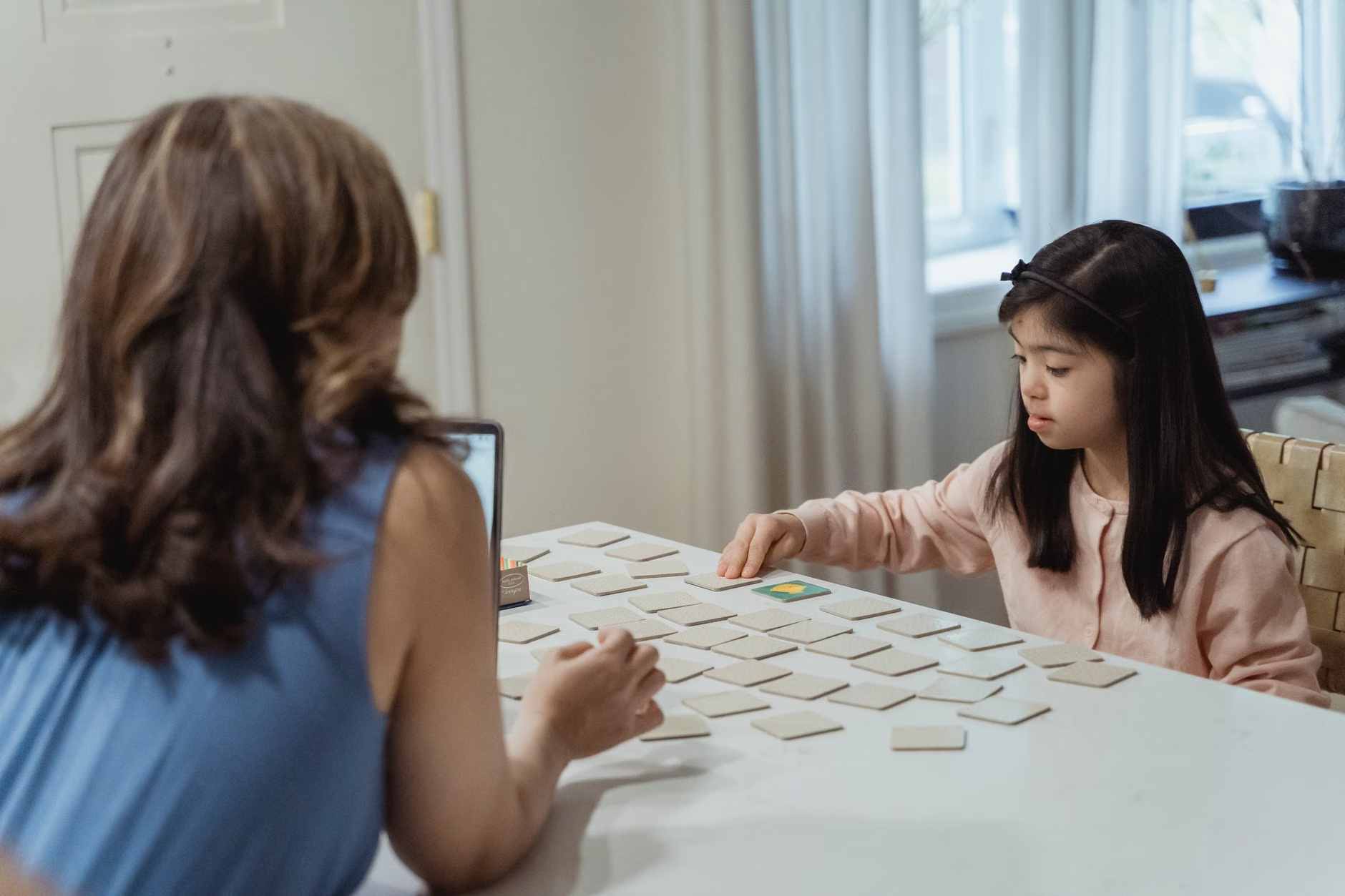
The Neuroscience Behind Why “Fine” Isn’t Enough
When we talk about emotional intelligence, we often focus on empathy. However, the first step is actually labeling. In neuroscience, this is referred to as “affect labeling.” Research consistently shows that when people label their negative emotions with specific, granular words, the activity in the amygdala—the part of the brain responsible for the fight-or-flight response—decreases, while activity in the prefrontal cortex increases.
Think of it like a computer system. When a pre-teen feels an overwhelming sense of “bad,” their system is essentially crashing. They don’t know which program is malfunctioning. By using a card to identify that they aren’t just “mad,” but actually “embarrassed,” they move the experience from an abstract, physical feeling to a cognitive, manageable data point. This shift is the difference between a tantrum and a conversation.
For parents in their 30s and 40s, this is a game-changer. It allows you to move from “Why are you being difficult?” to “I see you’re feeling ‘defensive.’ Can you tell me what happened?” The former is an accusation; the latter is an invitation to solve a problem.
Why Pre-teens Specifically Need This Tool
The pre-teen years (roughly 9 to 13) are a unique developmental window. The brain is pruning synaptic connections, and the limbic system—which processes emotions—is hypersensitive. Simultaneously, the prefrontal cortex—the part responsible for logic, planning, and emotional regulation—is still maturing. This creates a “perfect storm” where emotions feel larger than life, but the tools to manage them are still being built.
Most pre-teens have an emotional vocabulary limited to a handful of words: happy, sad, angry, and fine. This limitation forces them to categorize every complex experience into one of these buckets. A feeling of “inadequacy” becomes “sadness.” A feeling of “social exclusion” becomes “anger.” By providing them with a deck of cards that includes words like “skeptical,” “optimistic,” “overwhelmed,” or “pensive,” you are essentially handing them a map for territory they are just beginning to navigate.
Consider the common mistake of “forcing” the conversation. If you pull out the cards when they are already at a 10/10 on the frustration scale, you will fail. The brain in a high-arousal state cannot learn. Use the cards when things are calm. Treat it like a game or a “check-in” routine. If they feel forced, they will reject it as “cringe.” If they feel invited, they will often engage because, deep down, they actually want to be understood.
How to Implement Emotional Cards Without the “Cringe” Factor
The biggest barrier to using these tools is the fear of being seen as “doing therapy” on your child. To avoid this, you must integrate the cards into the flow of life, not separate them into a “serious talk” box.
1. The “Low-Stakes” Entry Point
Start by using the cards yourself. Leave a few cards on the kitchen counter. When you come home from work, pick one up and say, “I felt ‘drained’ today because of that meeting, but I’m feeling ‘encouraged’ now that I’m home.” Do not ask them to pick one immediately. Just model the behavior. You are normalizing the language of emotions.
2. The “Daily Check-in” Method
During a car ride or while eating dinner, ask, “If you had to pick one card that represents your mood today, which would it be?” If they pick “bored,” don’t lecture them. Say, “Oh, I get that. Sometimes I feel ‘bored’ when the schedule is too repetitive. What would make it feel different?” This keeps the dialogue open without making it an interrogation.
3. Categorization as a Game
Pre-teens love to categorize things. Turn the deck into a sorting game. Ask them to sort the cards into “emotions I feel at school,” “emotions I feel at home,” and “emotions I rarely feel.” This provides you with invaluable data about their social environment without you having to ask, “Did anyone pick on you today?”

Common Mistakes and How to Avoid Them
Even with the best intentions, parents often fall into traps that render these tools ineffective. Understanding these pitfalls is vital for success.
| Common Mistake | Why It Fails | The Better Approach |
|---|---|---|
| “Fixing” the emotion | Makes the child feel their feelings are a problem to be solved. | Validate the feeling first: “I hear that you feel ‘frustrated.'” |
| Using it during a fight | Feels like an academic exercise during a crisis. | Use it during calm moments to build a foundation for later. |
| Dismissing their choice | “You shouldn’t feel ‘anxious’ about that.” | “I’m interested in why you feel ‘anxious.’ Tell me more.” |
| Over-using the tool | Becomes a chore or a “parenting stunt.” | Keep it sporadic and voluntary. |
The table above highlights a critical insight: Emotional validation is the goal, not emotional management. When you try to “fix” their emotion, you are signaling that the feeling is wrong. When you use the cards to simply acknowledge the feeling, you are signaling that they are safe to be honest with you. That safety is what will keep them talking to you when they are 16 and facing much larger problems.
Beyond the Cards: Building Emotional Literacy as a Lifestyle
The cards are merely a scaffold. The goal is for your pre-teen to eventually internalize this vocabulary. Once they have a broader range of words, you will notice a shift in how they describe their world. They might say, “I don’t know, I just feel really ‘conflicted’ about that friend,” instead of saying, “I hate him.”
This is a massive developmental leap. It signifies that they are capable of holding two opposing thoughts or feelings simultaneously. This is the definition of maturity. When they reach this point, you can stop using the physical cards and transition to “emotional check-ins” where you simply ask, “What’s the dominant emotion of your week?”
One overlooked variable in this process is the role of empathy fatigue. Parents in their 30s and 40s are often juggling professional stress, aging parents, and personal health. It is perfectly acceptable to tell your pre-teen, “I’m feeling ‘overwhelmed’ right now and I don’t have the capacity to give this the attention it deserves. Can we talk about this after dinner?” This teaches them that it is okay to have boundaries and that emotions are something we manage, not something that manages us.

The Hidden Costs and Trade-offs of Emotional Transparency
It is important to address the “vulnerability hangover.” When you encourage your pre-teen to be more expressive, there will be moments where they share something that hurts your feelings or reveals a truth you weren’t ready to hear. This is the “hidden cost” of emotional literacy. You cannot ask for honesty and then punish them for what they say.
If they use the cards to say they feel “resentful” of your rules, you must be prepared to sit with that. Your role is not to be right; your role is to be a safe container for their growth. If you react with defensiveness, you will immediately close the door on future honesty. The trade-off for a closer relationship is the occasional discomfort of hearing the truth about your parenting or their experience of the world.
Furthermore, be aware of “emotional performativity.” Some pre-teens may realize that using “big” emotion words gets them more attention from parents. If you notice them using words like “traumatized” or “depressed” for minor inconveniences, gently guide them back to the cards to refine the nuance. Ask, “Is it ‘traumatized’ or is it ‘disappointed’?” This helps them distinguish between hyperbole and actual lived experience.
Practical Steps to Start Today
If you are ready to introduce this into your home, follow these steps to ensure a smooth adoption:
- Select a Set: Choose a deck that is age-appropriate. Avoid cards with “cartoonish” faces that look too young. Look for sets that use high-quality typography and clear, diverse vocabulary.
- Keep it Accessible: Place the deck in a common area. Do not lock them away in a drawer. If they are visible, they are more likely to be picked up.
- Start with Yourself: As mentioned, model the behavior for at least a week before inviting your child to participate.
- The “No-Pressure” Rule: Never force a session. If they aren’t in the mood, leave it. The goal is to build a habit, not to win an argument.
- Connect to Action: Whenever an emotion is identified, follow up with, “What does your body feel like when you are ‘frustrated’?” Connecting the emotion to the physical sensation (e.g., “my chest feels tight”) is a vital step in self-regulation.
By following this approach, you aren’t just teaching your child a list of words; you are teaching them how to be a self-aware human being. In an increasingly digital world where so much communication is stripped of nuance, this skill is perhaps the most valuable asset you can give them.
Frequently Asked Questions
1. My pre-teen thinks this is “baby stuff” and refuses to participate. What should I do?
This is a common reaction. The key is to stop making it a “special activity.” If you stop focusing on the cards as a tool for them and start using them for yourself, you remove the pressure. Often, curiosity will eventually lead them to pick up the cards when you aren’t looking. If they continue to resist, respect their boundary. You can still use the concepts of the cards in your own speech without requiring them to use the cards themselves.
2. How do I know if my child is using the cards to manipulate or just to get attention?
It is helpful to reframe “attention-seeking” as “connection-seeking.” If your child is using emotional language, they are looking for a response. Even if they are exaggerating, they are signaling a need for validation. Instead of worrying about manipulation, focus on the underlying need. Ask, “It sounds like you’re feeling ‘unheard.’ Is that what’s happening?” By addressing the feeling rather than the behavior, you remove the incentive to “perform” the emotion.
3. Are there official sources or research I can look into for this?
Yes. The work of Dr. Marc Brackett, director of the Yale Center for Emotional Intelligence, is the gold standard in this field. His book, *Permission to Feel*, provides a comprehensive look at the “RULER” method (Recognizing, Understanding, Labeling, Expressing, and Regulating). You can find more information about the importance of emotional literacy at the official Yale Center for Emotional Intelligence website: https://www.ycei.org/. Their research clearly delineates why this is not just a “soft skill” but a critical component of cognitive development.
Ultimately, the goal of using emotional-vocabulary cards is to foster a home environment where truth is more important than comfort. By giving your pre-teen the words to express their complexity, you are preparing them for the challenges of adulthood. Start small, be consistent, and remember that you are building a bridge that will serve you both for years to come.