The most effective way to manage your child’s wardrobe is to shift from a linear “buy-use-discard” model to a circular one that prioritizes high-quality basics, intentional curation, and active resale or redistribution.
- Quality over Quantity: Investing in high-durability fabrics like organic cotton or merino wool allows items to survive multiple children, justifying a higher upfront cost.
- The 80/20 Rule of Dressing: 80% of your child’s daily wear should come from a core capsule of versatile, mix-and-match basics, leaving only 20% for trend-based or seasonal items.
- The Exit Strategy is Key: A circular wardrobe only works if you have a pre-planned exit strategy for clothes, such as a local consignment shop, a neighborhood “hand-me-down” circle, or a specialized online resale platform.
If you have spent any time in a nursery or a school drop-off zone, you know the feeling: the frantic search for a clean pair of pants, the pile of clothes that simply don’t fit anymore, and the guilt associated with tossing bags of barely-worn items into a donation bin that might just end up in a landfill. We are told that children grow so fast that “cheap and disposable” is the only logical way to dress them. But if you look at the economics and the time-tax of managing a chaotic closet, that strategy is actually costing you more than you think.
The circular wardrobe isn’t just about sustainability; it is a management system designed to reclaim your time and sanity. It forces you to stop being a retail consumer and start being a resource manager for your home.
Why the ‘Fast Fashion’ Trap for Kids is a Hidden Expense
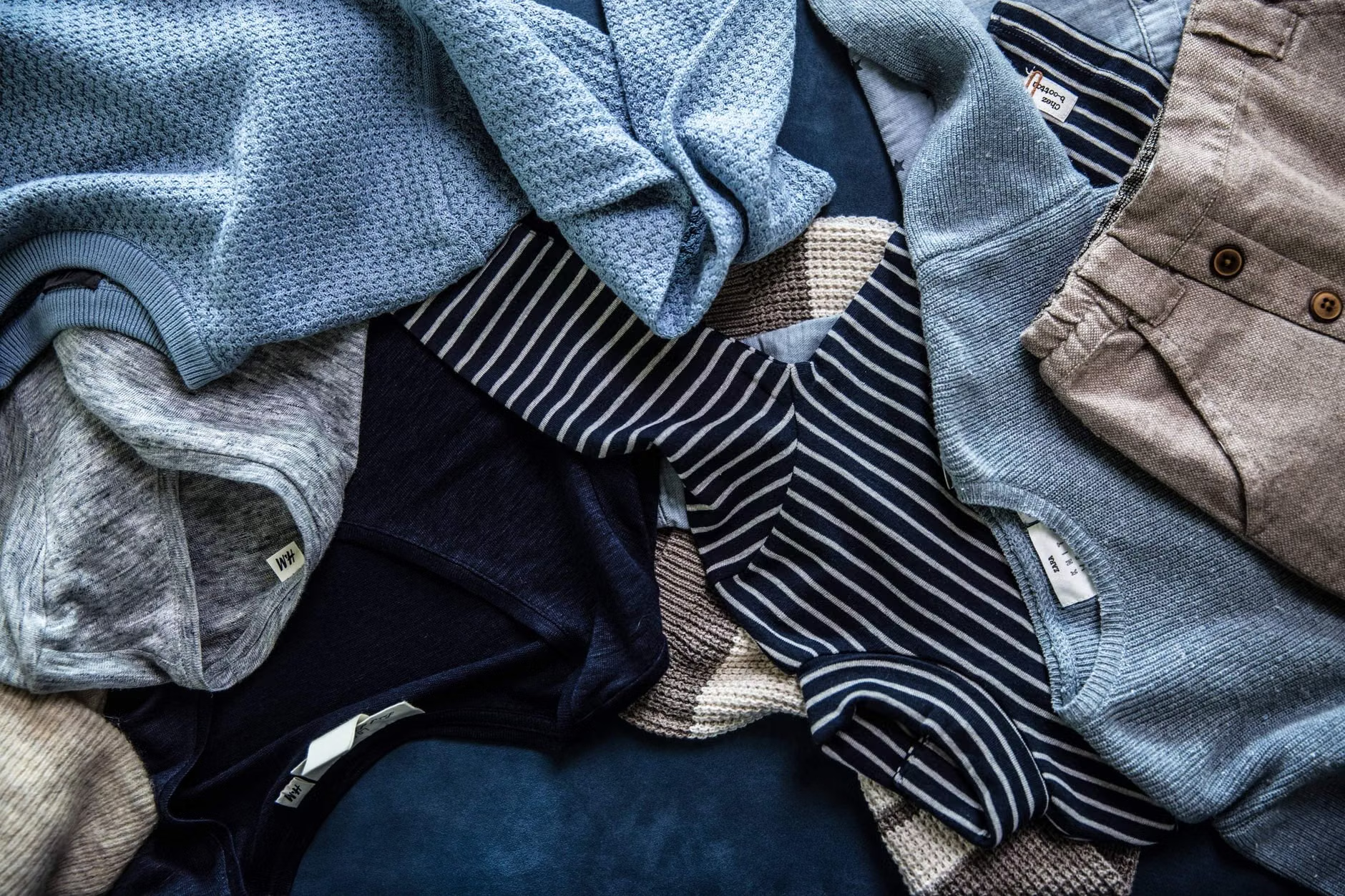
When we buy a $5 t-shirt for a child, we often rationalize it by saying, “They’ll grow out of it in three months anyway.” This is the core of the linear consumption trap. In reality, cheap clothing is often made from lower-quality synthetic fibers that lose shape, pill after two washes, or develop holes in the knees within weeks. When a garment fails prematurely, you aren’t just losing the $5; you are losing the time it took to research, purchase, wash, and eventually dispose of that item.
Beyond the direct financial cost, there is the “clutter tax.” A closet overflowing with cheap, mismatched items makes getting ready in the morning a chore. If you have 30 shirts but only five that actually match the pants your child is willing to wear, you have a storage problem, not a clothing problem. The circular wardrobe approach solves this by strictly limiting the inventory to items that serve a purpose, fit the season, and are durable enough to be passed on.
Think of your child’s closet like a professional inventory system. In a linear model, you are constantly restocking. In a circular model, you are managing a rotation. You buy high-quality items, you keep them in circulation through care and repair, and you move them out of your home when they no longer serve your child, ensuring they stay in the economy rather than the trash.
The Anatomy of a Circular Capsule Wardrobe
Building a circular wardrobe requires a mindset shift: you are no longer shopping for “outfits”; you are shopping for “modules.” A module is a durable, versatile piece of clothing that can be paired with almost anything else in the collection. This is why neutral colors and classic cuts are the backbone of a successful circular system.
To start, you need to define your “base layer.” This consists of items that are worn daily: leggings, joggers, t-shirts, and long-sleeve basics. These should be sourced from brands known for durability—look for reinforced knees in pants and high-GSM (grams per square meter) fabrics in cotton tees. If a garment is too thin to hold a stitch, it is not a candidate for a circular wardrobe because it will not survive the second or third user.
The Decision Matrix for New Purchases
Before you hit ‘buy’ on a new item, run it through this simple decision matrix. If it doesn’t pass all three, it doesn’t enter the rotation.
| Criteria | The “Circular” Requirement |
|---|---|
| Durability | Can this fabric withstand at least 50 wash cycles? |
| Versatility | Does this item match at least 4 other pieces currently in the closet? |
| Resale Value | Is this a brand or style that holds its value on the secondary market? |
If you are buying a trendy, neon-patterned shirt that only matches one pair of shorts and is made of flimsy polyester, you are actively working against your goal. The goal is to build a “uniform” that makes your life easier, not more complicated.
Closing the Loop: How to Exit Items Effectively
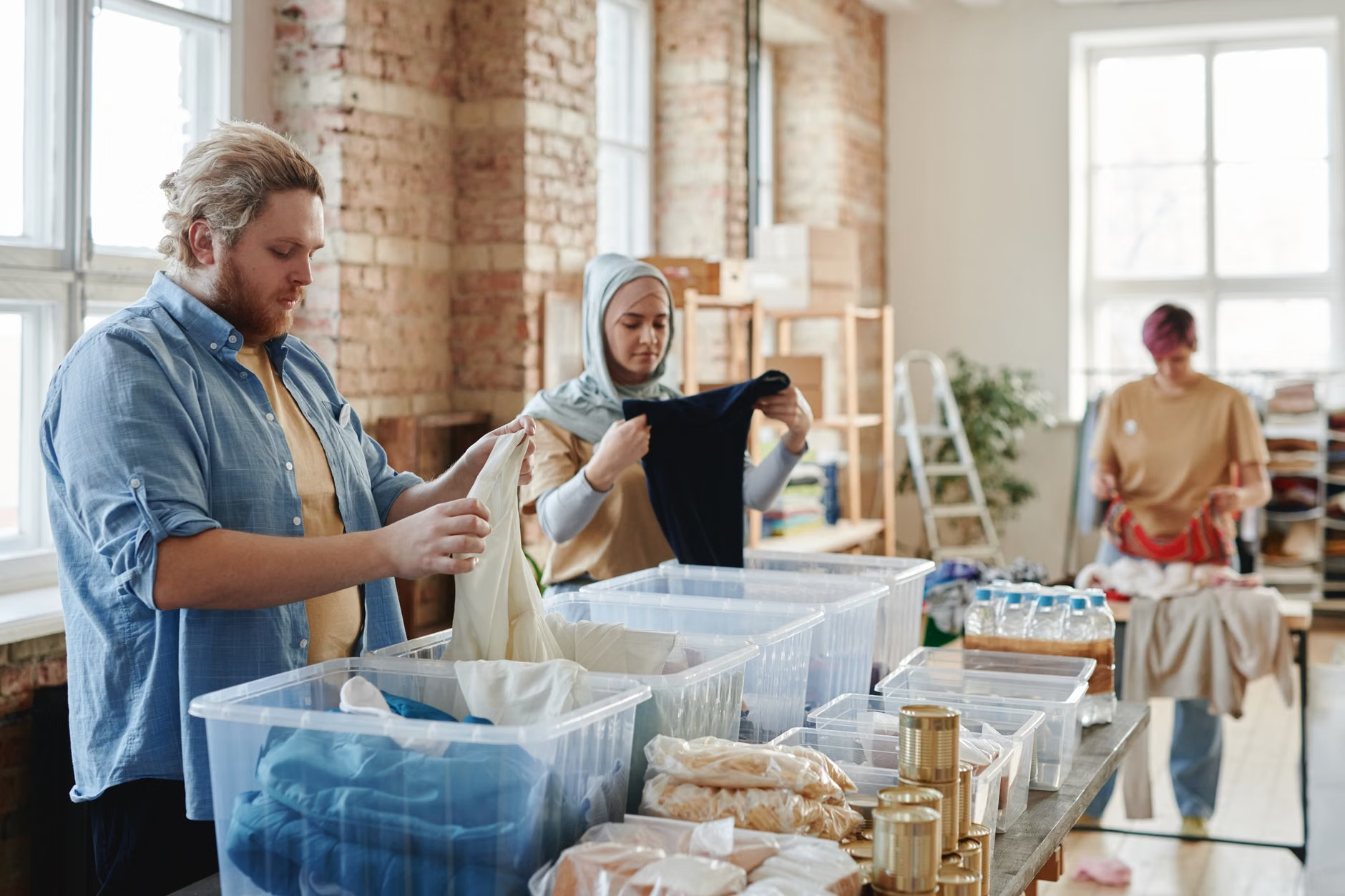
The most important phase of the circular wardrobe is the ‘exit.’ If you keep clothes in your attic or under a bed “just in case,” you are breaking the cycle. The circular model relies on velocity—the speed at which an item moves from your home to the next user.
There are three primary ways to handle the exit, and your choice depends on how much time you have versus how much you want to recoup in cash:
- The Hand-Me-Down Circle: This is the most efficient method. Coordinate with friends or family members who have children slightly younger than yours. Create a “bin system” where as soon as your child outgrows an item, it goes into a designated bin that gets passed along to the next family. This removes the need to list items online and builds community.
- The Consignment Marketplace: Platforms like Vinted, Poshmark, or local boutique consignment shops are excellent for high-quality, branded items. The key here is to batch your listings. Don’t list one shirt at a time; list a “bundle” of age-appropriate sizes. This saves you on shipping and reduces the effort required to manage the sale.
- The Donation Loop: Only use this for items that are too worn to be resold. If an item is stained or torn, look for textile recycling programs rather than general donation bins. Many cities now have textile drop-off points that ensure the material is shredded and reused for insulation or industrial rags, keeping it out of the landfill.
Common Mistakes in Circular Management
One common mistake is “sentimental hoarding.” We attach memories to the first pair of shoes or the holiday outfit, and these items end up sitting in a box for years. If you must keep an item for sentimental reasons, limit yourself to one small “keepsake box.” Everything else must go back into the circular economy. If you find yourself holding onto a bag of clothes “for a younger sibling” who hasn’t been conceived yet, you are creating storage debt. If you don’t use it within an 18-month window, let it go.
Maintaining the Quality: The Care Routine
You cannot have a circular wardrobe if your clothes fall apart in the wash. This is where the “management” part of our title comes in. The way you wash and dry clothing has a massive impact on its lifespan. For children’s clothes, which are washed frequently, the goal is to reduce friction and heat.
Step 1: Use cold water for everything. Modern detergents are formulated to work perfectly in cold water. Hot water breaks down elastic fibers and causes cotton to shrink, shortening the life of the garment. Step 2: Skip the dryer whenever possible. The high heat of a tumble dryer is the number one killer of children’s clothing. Air-drying on a rack not only preserves the fabric but also saves on electricity costs. Step 3: Spot treat, don’t soak. If a shirt has a small stain, treat the stain specifically rather than washing the entire garment on a heavy-duty cycle. Over-washing is a common habit that leads to premature fading and thinning of fabrics.
If you are buying high-quality items, they often come with care instructions that suggest specific handling. Follow these. It sounds trivial, but if you treat a $20 pair of leggings with the same care you would a piece of adult activewear, they will last long enough to be passed through three different children.
Factoring in the Hidden Costs of Convenience
It is easy to argue that “this takes too much time.” But let’s look at the alternative: the “Target run” or “Amazon click” cycle. How often do you find yourself needing to buy a new pack of socks because the old ones disappeared or fell apart? How much time do you spend scrolling through sites looking for sales, comparing prices, and dealing with returns when the sizing is inconsistent?
The circular wardrobe is an upfront investment of time. You spend time curating, you spend time organizing, and you spend time managing the hand-offs. However, this is a “front-loaded” effort. Once you have a system in place—a bin for the next size up, a bin for the hand-me-downs, and a small, curated closet—you stop the reactive shopping. You reach a point where you only shop once or twice a year to fill the gaps in your inventory. This is the ultimate “life hack” for parents in their 30s and 40s who are already balancing careers, school runs, and household management.
The Psychological Shift: From Ownership to Stewardship
There is a quiet relief in owning less. When your child’s closet isn’t bursting with items they don’t wear, you eliminate the “decision fatigue” that comes with dressing them. They have fewer choices, which usually means they are more capable of dressing themselves, and you have fewer arguments about what to wear. You are teaching your child that clothes are resources to be respected, not disposable commodities.
This stewardship mindset also changes how you view gift-giving. Instead of asking for more plastic toys for birthdays or holidays, consider asking for contributions to a “clothing fund” or opting for high-quality, heirloom-style pieces that you know will survive the cycle. You are building a culture of value in your home that extends beyond just the closet.
Implementation Framework: Your First 30 Days
If you want to start today, don’t try to overhaul the entire house in one afternoon. Start with one category, like pajamas or school uniforms. Follow this 30-day plan:
- Week 1: The Audit. Empty the closet. Categorize items into: Keep (in current size), Pass On (good condition), and Recycle (damaged). Be ruthless. If it’s stained or torn, it goes to textile recycling.
- Week 2: The Gap Analysis. Look at what you have left. What is missing? Do you need more basics for the upcoming season? Make a list, and stick to it. Do not buy extras.
- Week 3: The System Setup. Set up your “out-box.” This is the physical space where items that no longer fit go. Once the box is full, it is time to list them, donate them, or hand them to a friend. Do not let it sit for more than a month.
- Week 4: The Maintenance Routine. Start washing on cold. Air-dry your favorite pieces. Observe how the change in care affects the fabric quality over the next few weeks.
By the end of the month, you will notice a significant decrease in the amount of “clutter noise” in your home. You will have a clearer picture of what your child actually needs, and you will have saved yourself the mental energy of constantly managing a surplus of low-quality items.
Addressing Potential Edge Cases
What if you have children of different genders or significantly different sizes? This is a common concern, but the circular wardrobe is actually gender-neutral by design. By focusing on high-quality basics in neutral tones—grays, navies, creams, and earthy greens—you remove the “this is for a boy” or “this is for a girl” barrier. A pair of durable navy joggers is a staple for any child. If you have children with very different growth trajectories, simply adjust your “hand-me-down” circle to include a wider network of friends. The principle remains the same: the clothes should not stay in your house once they are outgrown.
What about “special occasion” wear? The circular model allows for these, but they should be treated as separate from the capsule. If you buy a dress for a wedding or a suit for a holiday, treat it as a temporary item. Wear it, clean it, and list it for sale immediately afterward. These items hold their value well on the secondary market because they are worn so infrequently. You can often recoup 50-70% of the cost, making the net expense of the “fancy” item very low.
Final Thoughts on Long-Term Sustainability
The circular wardrobe is not just a trend; it is a necessary response to the environmental and economic pressures of modern parenting. By choosing to step out of the fast-fashion cycle, you are exercising control over your household economy and teaching your children the value of the items they own. It requires discipline, but the payoff—more time, less clutter, and a smaller environmental footprint—is well worth the effort.
Start small. Pick one drawer, one bin, or one season. Once you see how much easier it is to manage a smaller, high-quality inventory, you won’t want to go back to the chaos of the linear model. Keep your focus on the rotation, not the acquisition, and you will find that the “circular” life is surprisingly simple.
Frequently Asked Questions
- How do I handle clothes that my child refuses to wear because of sensory issues?
- Sensory preferences are a legitimate part of the wardrobe. If your child refuses certain fabrics, acknowledge that as a “hard no” for future purchases. Use the circular model to pass these items on to someone who will use them, and focus your budget on the specific materials (e.g., seamless socks, soft cottons) that your child finds comfortable. Comfort is a prerequisite for durability.
- Is it really cheaper to buy high-quality, expensive clothes than cheap ones?
- Yes, when you factor in the resale value and the lifespan of the item. A $40 pair of leggings that lasts through two children and can then be resold for $15 has a much lower “cost per wear” than a $10 pair of leggings that wears out after three months and goes straight to the trash. You are investing in the longevity of the garment.
- Where can I find reliable information on textile recycling in my area?
- Start by checking your local municipal waste management website. Many cities provide specific instructions for “textile recycling” that are different from general recycling. If your city doesn’t have a program, look for national organizations that accept textiles via mail-in programs, such as TerraCycle or specialized clothing brand take-back schemes. Always check their specific requirements before shipping.
For more information on the environmental impact of clothing and how to select sustainable materials, you can visit the EPA’s guide on textile recycling or the Fashion Revolution platform, which provides resources on how to value the clothes we own.