- Prioritize “Slow Travel” Logistics: Heritage lines often run on limited schedules; prioritize booking the “anchor” train segment at least 6 weeks in advance to ensure family seating availability.
- The “Station-to-Stay” Rule: Choose accommodations within walking distance of the rail terminus to eliminate the hidden cost and stress of last-mile taxi or bus transfers with children.
- Manage Expectations on Amenities: Heritage trains are about the experience, not high-speed connectivity; bring offline entertainment and snacks, as onboard dining is often limited or prone to sell-outs.
The most successful heritage-rail coastal trip isn’t the one with the most stops, but the one where the transit pace actually matches the speed of the scenery. If you are in your 30s or 40s, you know the specific exhaustion that comes from trying to force a “romantic” or “nostalgic” travel experience into a rigid, high-pressure itinerary. When you add children to the mix, the charm of a 1920s steam locomotive can evaporate the moment someone misses a nap or the onboard snack trolley runs out of water.
Heritage rail coastal routes—those preserved lines that hug cliffs, weave through tunnels, and offer views you simply cannot get from a motorway—require a different kind of planning. It’s not just about booking a ticket; it’s about understanding the unique operational constraints of these routes. You aren’t dealing with a modern commuter network; you are dealing with preserved infrastructure, volunteer-run schedules, and a rhythm that demands patience.
Understanding the ‘Heritage’ Constraint: Why Your Usual Travel Logic Doesn’t Apply
When we travel for work or quick city breaks, we expect high-frequency service. If we miss a train, there is another in 15 minutes. On a heritage coastal line, the “service” might be three departures a day, or perhaps only on weekends. This is the first hurdle for families. If you treat a heritage rail route like an urban metro, you are setting yourself up for a stranded afternoon.
The Operational Reality: Most heritage lines operate on “block signaling” or single-track systems. This means they physically cannot run trains in close succession. They are effectively museums that move. When planning, you must view the train ride as the destination, not merely a shuttle service between two points. If you try to pack three activities into one day using a heritage line as your primary transport, you will fail. The constraint is the timetable—not your enthusiasm.
Common Mistake: Relying on standard GPS-based transit apps. Many heritage lines are not fully integrated into commercial transit APIs (like Google Maps or Citymapper). They often have their own proprietary booking systems. Relying on a third-party app to tell you when the next train leaves can result in standing on a platform for three hours waiting for a service that already departed.
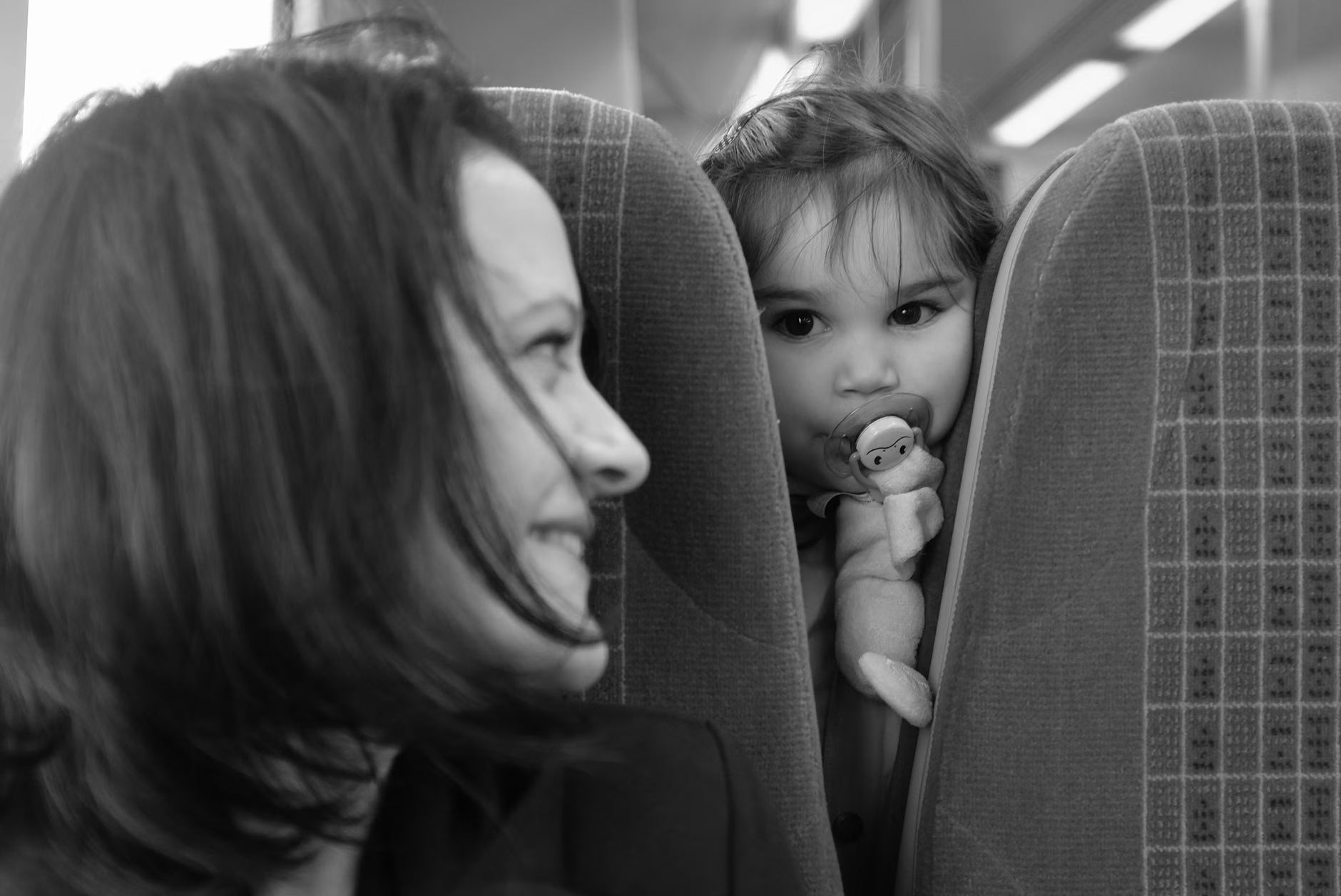
The Three-Pillar Planning Framework for Coastal Rail
To keep the trip enjoyable, I use a simple framework: Anchor, Buffer, and Base. This keeps the stress levels down when you are managing kids, luggage, and the unpredictability of vintage machinery.
1. The Anchor: Booking the Primary Leg
Identify the most scenic “must-do” section of the coast. This is your anchor. Book this first. Do not worry about the connecting trains until the anchor is set. If the heritage line requires a reservation, book it the moment tickets go on sale. These lines often have limited capacity, and family groups (3+ people) find it nearly impossible to sit together if they book last-minute.
2. The Buffer: The 90-Minute Rule
Never schedule a connection with less than 90 minutes of “buffer” time. If your heritage train arrives at 2:00 PM, do not book a connecting bus or regional train before 3:30 PM. Why? Heritage trains are notorious for “operational delays.” A signal failure or a mechanical adjustment on a 70-year-old engine is common. If you miss your connection, you might be waiting for the last train of the day.
3. The Base: Station-Adjacent Stays
Stay within walking distance of the station. In your 30s and 40s, the “last mile” is where travel burnout happens. Dragging suitcases and tired children from a station to a hotel that is “only a 10-minute bus ride away” is a recipe for disaster. Prioritize hotels or rentals within a 500-meter radius of the platform. The cost premium is usually offset by the money you save on taxis and the reduction in stress.
| Planning Variable | Standard Rail Strategy | Heritage Rail Strategy |
|---|---|---|
| Booking Window | Flexible (Day of) | 6–8 Weeks Ahead |
| Transit Apps | Real-time tracking | Official website timetable |
| Connection Buffer | 15–30 Minutes | 90+ Minutes |
| Seating | Unreserved/Any | Pre-booked assigned |
Managing the Onboard Experience with Children
Let’s talk about the reality of being in a carriage with a 5-year-old for two hours. Heritage trains are often beautiful, but they can be loud, drafty, and lacking in modern conveniences like power outlets or high-speed Wi-Fi. If you go in expecting a high-tech commute, you will be disappointed. If you go in expecting an adventure, you can manage the environment.
The “Analog” Kit: Pack a bag specifically for the train. Since you won’t have reliable charging for tablets, bring physical books, coloring supplies, or travel-sized board games. The lack of digital distractions is actually a benefit—it forces engagement with the landscape. Point out the tunnels, the sea cliffs, and the mechanics of the train. If the train is steam-powered, the soot and the whistle are sensory experiences kids remember forever.
Dining Strategy: Never rely on the onboard buffet car for a full meal. These are often small, overcrowded, and frequently run out of stock halfway through the route. Treat the buffet car as a source of novelty (a packet of crisps or a drink) and bring your own “picnic” lunch. A well-packed cooler bag with sandwiches, fruit, and plenty of water is your best insurance policy against a “hangry” toddler.
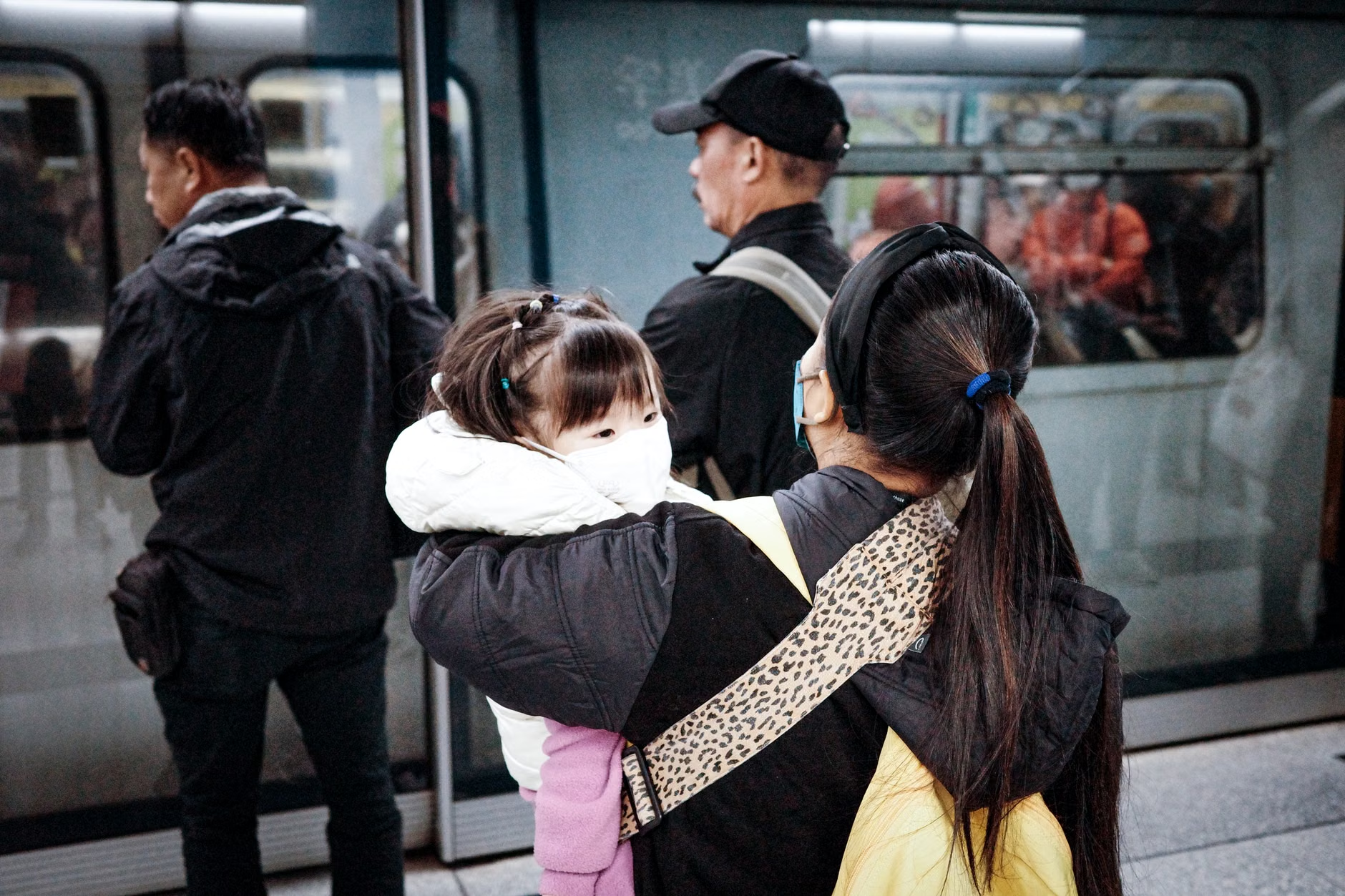
Hidden Costs and Unexpected Trade-offs
When researching heritage routes, you will find a lot of marketing material about the “romance” and the “views.” What they rarely tell you are the secondary costs. For instance, many heritage coastal lines operate on a “per-segment” pricing model rather than a flat fare. This means that if you get off at a mid-route station to explore, you might be paying for a new ticket to get back on, rather than using a day pass.
The “Off-Peak” Trap: Many heritage lines offer cheaper tickets on weekdays, but check the frequency. A cheaper ticket is useless if the train only runs once a day, forcing you to stay overnight in a location you didn’t plan for. Always calculate the “Total Trip Cost,” including the potential for an extra night of accommodation, before choosing the “cheaper” fare.
Weather Dependency: Coastal routes are subject to micro-climates. A beautiful, sunny morning at the inland station can turn into a foggy, cold, and windy afternoon at the coastal terminus. Always dress in layers. Even in summer, the coastal breeze on an open-window heritage carriage can be biting. A common mistake is assuming that because it is warm in the city, it will be warm on the coast.
Step-by-Step Execution: How to Build Your Itinerary
If you are ready to book, follow this sequence to ensure you don’t miss the logistical essentials:
- Select the Route: Look for lines that offer “return excursion” tickets. These are designed for tourists and are more reliable than “point-to-point” services.
- Check the Calendar: Ensure the line is operating on your specific dates. Many heritage lines shut down for maintenance or switch to “event-only” schedules outside of peak season.
- Map the Terminus: Open Google Maps and draw a 500-meter circle around the arrival station. Search for accommodation within that circle. If there are no options, look for the nearest town with a direct, non-heritage train link.
- Book the “Anchor”: Secure your train tickets. If they offer seat selection, prioritize carriages that are further from the engine if you have noise-sensitive children, or closer to the engine if they love the “experience” of the steam/mechanical sound.
- Confirm the “Last Mile”: Check how you will get to your hotel from the station. If it is walking distance, confirm the route is stroller-friendly. Many coastal towns have steep inclines or cobbled streets that make strollers difficult.

When Things Go Wrong: A Troubleshooting Guide
Even with perfect planning, heritage rail is inherently unpredictable. Here is how to handle the most common issues:
The “Delayed Departure” Scenario: If the train is delayed by more than an hour, don’t wait at the station. Heritage stations are often in remote, beautiful locations. If there is a nearby cafe or a short walking path, take the children there. Just make sure you are back at the platform at least 15 minutes before the updated departure time.
The “Sold Out” Problem: If you arrive and find the train is sold out, ask about “standing room” or “late-release” tickets. Some lines hold back a small number of seats for local residents or last-minute walk-ins. If that fails, look for a bus route that runs parallel to the rail line. Coastal areas almost always have a local bus that covers the same ground, even if it takes twice as long.
The “Equipment Failure”: On rare occasions, a heritage line may cancel a service entirely due to mechanical failure. Always have a “Plan B” transport option saved in your phone notes—usually the local regional bus line or a taxi company number. Do not rely on finding a taxi at a remote, rural station; have the number saved in advance.
Is Heritage Rail Right for Your Family?
Heritage rail is not for the person who needs to be somewhere at a specific time. It is for the traveler who views the journey as the main event. It requires a mindset shift from “getting there” to “being there.” For families in their 30s and 40s, this is often the most difficult adjustment. We are trained to optimize, to speed up, and to minimize downtime. Heritage rail demands the opposite.
If you can embrace the slow pace, the potential for a minor delay, and the analog nature of the experience, it can be one of the most rewarding ways to see a coastline. You aren’t just looking at the view through a window; you are participating in a piece of history. Just remember: the train is the star, the timetable is the law, and your patience is the fuel.
Frequently Asked Questions
Q: Are heritage trains usually stroller-friendly?
A: Most heritage trains were built long before modern stroller designs existed. Carriages often have narrow doors and steep steps. If you have a child who still needs a stroller, look for a lightweight, “umbrella-fold” model that you can easily carry onto the train. You will almost certainly need to fold it and stow it in a luggage area.
Q: Should I book a first-class or “premium” carriage for a family?
A: It depends on the age of your children. If you have toddlers, the extra space in a premium carriage is worth the cost. However, be aware that these carriages are often quieter, and if your children are prone to being loud, you might feel more self-conscious. If you have older children (8+), standard class is usually perfectly fine and offers a more authentic experience.
Q: What happens if the weather turns bad on the day of my trip?
A: Heritage lines rarely cancel for rain, as they are used to operating in all conditions. However, if there are high winds or severe storms, they may suspend service for safety reasons. Check the operator’s official website or social media feed two hours before your departure. If they cancel, they are typically very good about offering full refunds or rebooking options.
For further information on specific regional rail heritage sites, always consult the official national rail heritage governing body for the country you are visiting. In the UK, for example, the Heritage Railway Association provides a comprehensive directory of lines and safety standards.