Key Takeaways:
- The 4 MPH Limit: Canal boats are legally restricted to low speeds, which forces a “slow-adventure” mindset that eliminates the stress of rushing between tourist hotspots.
- Shared Responsibility: Navigating locks and moorings requires active cooperation, turning the travel process into a high-engagement team-building exercise for parents and children.
- Tech-Free Presence: Because internet connectivity can be spotty and the environment requires constant attention to the water, canal boating naturally facilitates the “digital detox” that modern families often struggle to achieve.
If your idea of a family vacation is a frantic dash through airport security, followed by a tight schedule of “must-see” museums, you are likely returning home more exhausted than when you left. For parents in their 30s and 40s, the modern travel experience has become a logistical marathon. We treat leisure like a project, complete with Gantt charts and rigid deadlines. But there is an alternative that is gaining traction among those looking to reclaim their sanity: the “slow-adventure” canal boat circuit.
Traveling at a top speed of four miles per hour sounds almost absurd in our world of high-speed rail and instant gratification. Yet, that specific pace is exactly what makes canal boating one of the most effective tools for genuine family bonding. It isn’t about reaching a destination; it is about the transition between them.
Why the “Slow-Adventure” Movement Matters for Modern Families
We are living in an era of “time poverty.” Between professional deadlines, school runs, and the constant hum of notifications, the mental bandwidth we have for our partners and children is often fragmented. When we do get time off, we tend to fill it with high-stimulation activities that keep us distracted rather than connected.
Slow adventure is a philosophy that prioritizes depth over breadth. It is the intentional choice to do less, so you can experience more. On a canal boat—often called a “narrowboat” in the UK or a “penichette” in France—the environment dictates the pace. You cannot speed up. You cannot take shortcuts. You are confined to a narrow strip of water, surrounded by nature, and tethered to a mechanical process that requires your full presence.
This matters because it removes the “decision fatigue” that plagues family travel. You don’t have to choose between five different tourist attractions today; you only have to decide which stretch of the canal you want to reach by dusk. The physical environment acts as a natural barrier to the outside world, creating a “container” for family interaction that is very difficult to break.
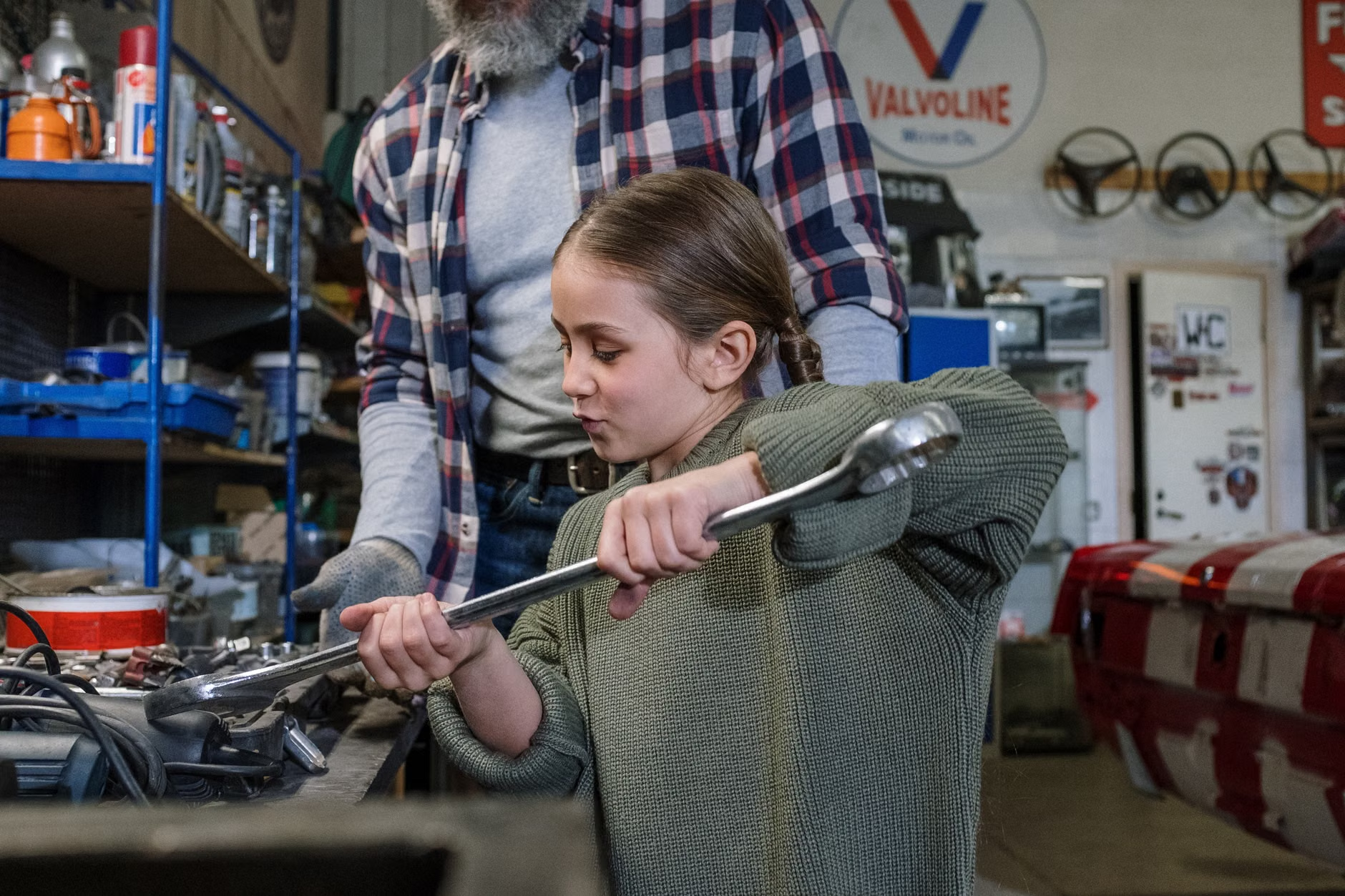
The most common misconception about canal boating is that it is a passive experience, similar to a cruise ship. It is not. It is a hands-on, semi-technical activity. Whether you are traversing a lock, mooring the boat for the night, or reading the depth of the water, you are constantly engaging with the physical world.
For children, this is transformative. In their daily lives, they are often passive consumers of content or participants in structured activities designed by adults. On a boat, they become part of the crew. When you approach a lock, the boat must be stopped, a crew member must hop off to open the heavy gates, and the boat must be steered into the chamber with precision. This requires communication, observation, and shared effort.
The “Lock-Duty” Protocol:
| Role | Responsibility | Skill Developed |
|---|---|---|
| The Helmsman | Steering the boat and managing the throttle | Spatial awareness & focus |
| The Lock Master | Operating the paddle gears and gates | Problem-solving & physical coordination |
| The Spotter | Watching for debris and communicating distance | Observation & verbal communication |
When you rotate these roles among family members, you break down the traditional parent-child dynamic. The child isn’t just “following instructions”; they are performing a task that the boat’s safe passage depends on. This builds confidence in children and allows parents to see their children as capable partners rather than just dependents.
Before you commit to a week on the water, you need to understand that this is not a luxury hotel experience. It is a self-sufficient, mobile living environment. Most boat rental companies provide a “handover” session, which is mandatory and usually takes about two to three hours. Do not rush this. This is where you learn how to handle the boat, how the engine works, and most importantly, the safety protocols of the waterways.
Common Mistakes to Avoid:
- Overestimating Daily Distance: Newcomers often look at a map and think, “We can do 20 miles a day.” In reality, with locks and bridges, 8 to 10 miles is a full, rewarding day. If you push for more, you will spend the entire time rushing and frustrated.
- Ignoring the “Water & Waste” Cycle: You are responsible for emptying your own waste tank (the “pump-out”) and refilling your water tanks. This is part of the experience. Teach your children how to do this. It teaches them about resource consumption in a way that is immediately tangible.
- Underestimating the Weather: Even in summer, canal paths can be muddy, and the wind on the water can be biting. Pack layers. If you are cold and wet, the “slow adventure” quickly becomes a “miserable endurance test.”
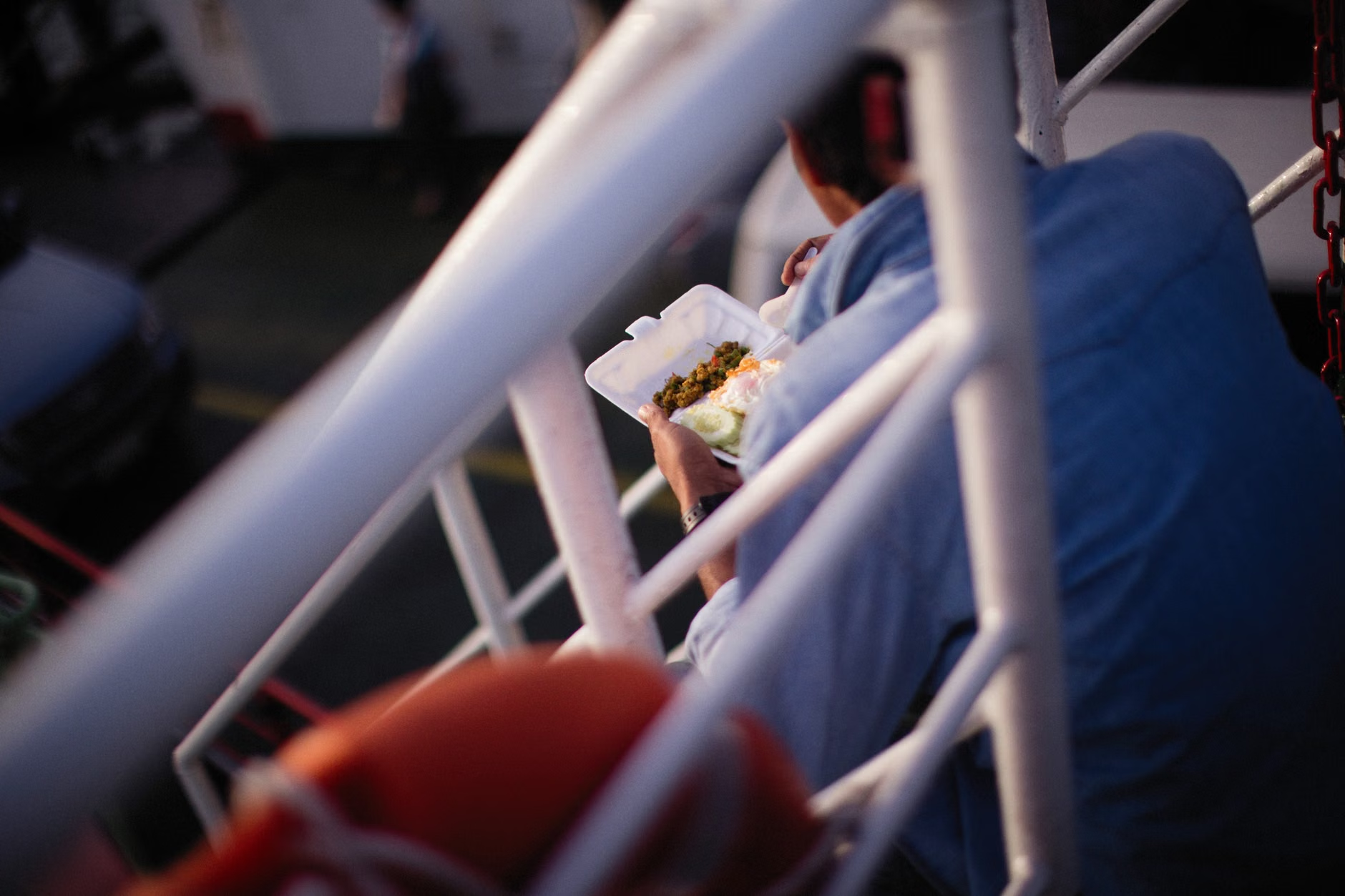
The Digital Detox That Actually Works
We often talk about “disconnecting” as if it’s a matter of willpower. It isn’t. It’s a matter of environment. If you are sitting in a hotel room with high-speed Wi-Fi, you will check your email. If you are on a canal boat, the environment is actively working against your digital habits.
Many canal networks pass through rural areas where signal strength is intermittent at best. Furthermore, the boat requires maintenance. You are looking at the water, looking at the map, and watching for other boats. Your hands are often occupied with ropes or a tiller. There is simply no room for a smartphone in the “flow state” of navigating a lock.
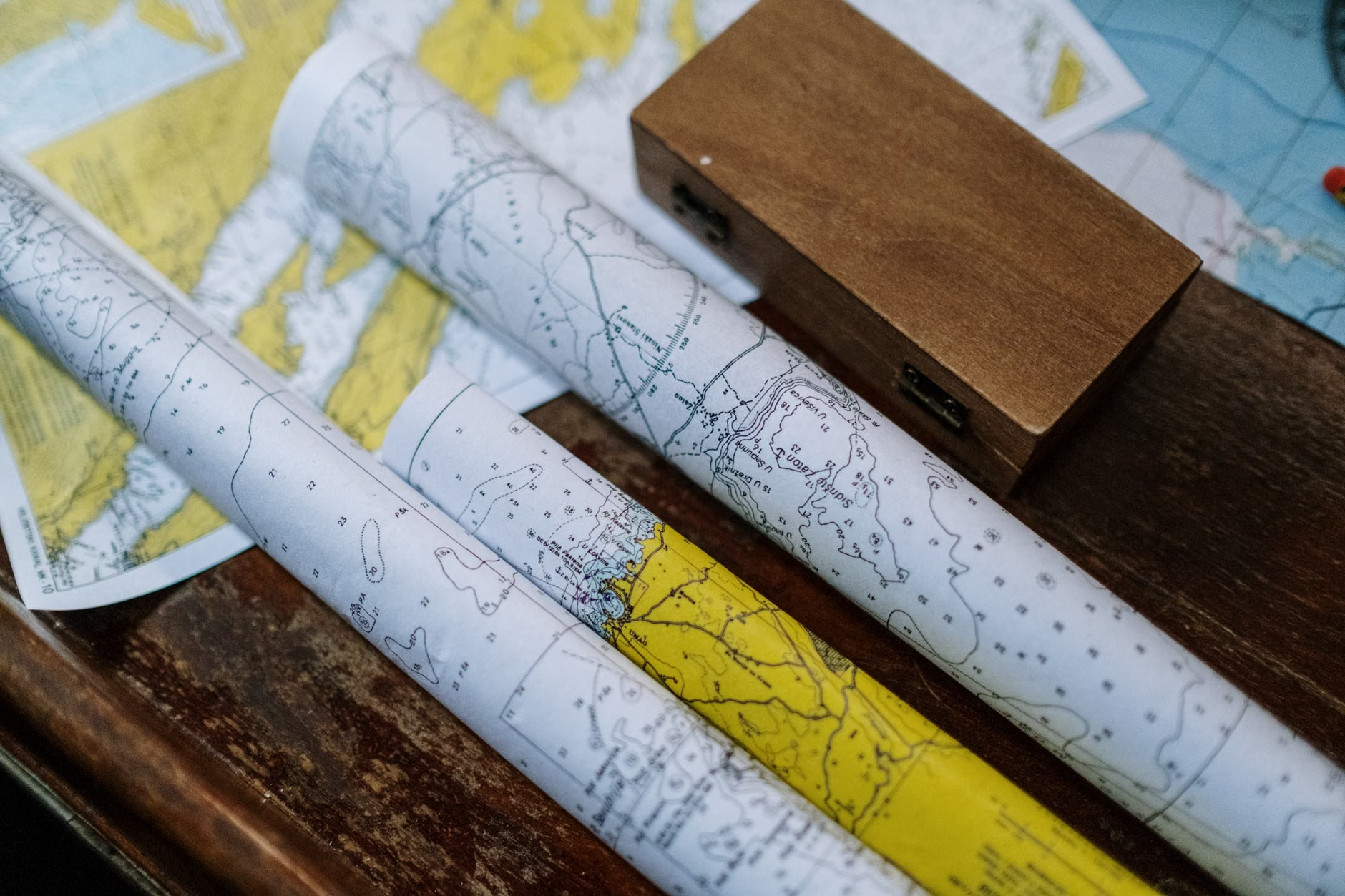
If you want to make this successful, set a “Boat Mode” rule. Keep the phones in a waterproof bag or a designated drawer. Use a physical paper map—most hire companies provide excellent canal guides—and let the kids be the navigators. Research suggests that spatial navigation through physical maps stimulates different parts of the brain than GPS-based navigation, helping children develop a better sense of direction and scale.
Selecting the Right Route for Your Family
Not all canals are created equal. Some are heavily urbanized, passing through industrial corridors, while others are essentially “watery hiking trails” through forests and meadows. For a first-time family trip, avoid the high-traffic “ring” routes that involve massive amounts of locks. You want a route that offers a mix of quiet cruising and interesting stops.
Look for routes that have “towpath” access. The towpath is the walking trail that runs alongside the canal. If the kids get restless or if someone needs to burn off energy, they can jump off the boat and walk or run alongside it while the rest of the crew navigates. This is a brilliant way to keep everyone happy without stopping the boat.
Decision Criteria for Route Selection:
- Lock Density: If you have young children, look for routes with fewer locks (e.g., the Llangollen Canal in Wales or the Norfolk Broads in the UK). Too many locks turn a relaxing holiday into a workout.
- Proximity to Amenities: If you are nervous about your first time, choose a route that passes through small towns every 5-10 miles. This ensures you are never truly “stranded” if you have a mechanical issue.
- Seasonal Timing: Shoulder seasons (late spring or early autumn) are significantly cheaper and quieter than peak summer. Plus, the light is better for photography and the temperatures are more conducive to long days of being outside.
Hidden Costs and Unexpected Trade-offs
There is a hidden cost to canal boating that most brochures don’t mention: the “mooring fee” vs. “free mooring” trade-off. In many regions, you can moor for free along the towpath, but these spots don’t have electricity or water hookups. If you choose to stay in a marina, you will pay for the convenience of shore power and showers, but you lose the “wild” experience of sleeping in the middle of a field.
Another unexpected trade-off is the noise. Narrowboats are metal tubes. The engine is loud, and the interior can be cramped. If you are a light sleeper, you will notice the sound of the water against the hull. It is a rhythmic, hypnotic sound, but it is not silence. Embrace the sounds of the boat as part of the experience rather than a disruption to your routine.
Finally, there is the “maintenance tax.” You will spend time fixing small things—a jammed rope, a misaligned gate, or a clogged filter. Do not view these as interruptions to your vacation. These are the “adventure” part of “slow-adventure.” When you solve a problem together as a family, that memory often sticks longer than the view of the sunset.
Actionable Steps for Your Next Family Trip
If you have decided that the canal life is for you, don’t just book the first boat you see. Start by looking at the official waterway authority websites for the region you are interested in. For the UK, the Canal & River Trust provides excellent maps and guidance on what to expect. For France, look at the Voies Navigables de France.
Your 4-Step Action Plan:
- Determine your “Lock Tolerance”: Be honest about your family’s fitness level. If you aren’t prepared to lift heavy gates, look for routes with electric locks or fewer locks overall.
- Book a “Short Break”: Do not start with a two-week expedition. A three-night “mini-cruise” is the perfect length to test if your family enjoys the rhythm of the boat without the pressure of a long-term commitment.
- Plan the Menu, Not the Itinerary: Because you have a kitchen on board (the galley), plan your meals in advance. Cooking on a boat is part of the fun. Shop for local produce at the villages you pass through; it’s a great way to interact with the local community.
- Safety First: Ensure every family member knows the rules of the water, especially regarding life jackets for children and the importance of never jumping onto the boat while it is moving.
Frequently Asked Questions
1. Do I need a special license to drive a canal boat?
In most countries, including the UK and France, you do not need a formal license to operate a rental canal boat. You will receive a comprehensive briefing from the rental company, which covers everything from steering to safety. They will ensure you are comfortable before they let you leave the marina.
2. Is it safe for young children?
Canal boating is generally very safe, provided you follow the rules. The most important rule is that children should wear a life jacket whenever they are on deck or near the water, especially when the boat is moving or during lock operations. The slow speed of the boat makes it easy to supervise, but constant vigilance is required, just as it would be at a pool or a beach.
3. What happens if the boat breaks down?
Rental companies provide 24/7 support. If you have a mechanical issue, you simply call the base, and they will either talk you through the fix or send a mobile engineer to meet you on the canal. It is part of the service, so don’t worry about being “stranded.” It is rare, but it does happen, and it usually becomes the most memorable part of the trip!
The slow-adventure canal circuit isn’t for everyone. If you crave the adrenaline of a theme park or the comfort of an all-inclusive resort, this will feel like work. But if you are looking for a way to press “reset” on your family life, there is no better way to do it than at 4 miles per hour. You might find that the most important discoveries you make aren’t on the map, but in the quiet moments between one lock and the next.