- Prioritize “Micro-Adventures”: Urban nature reserves are most effective for stress reduction when kept to 2-3 hour visits, preventing the “over-planning fatigue” common in parenting.
- The “Transition Rule”: Spend the first 15 minutes of your visit doing absolutely nothing—let the kids adjust to the sensory shift from city noise to nature sounds before starting a structured activity.
- Equipment Matters: Treat city nature reserves like remote hikes; bring dedicated footwear and a “nature kit” (magnifying glass, field guide) to transform a walk into an immersive exploration.
The most effective way to reset your family’s collective nervous system isn’t a weekend getaway to a remote mountain cabin—it’s finding the “wild” patch of land hiding in your own metropolitan area. For parents in their 30s and 40s, the mental load of managing a household, a career, and the constant digital ping of notifications often makes a major vacation feel like just another logistical hurdle. You don’t need a flight or a three-hour drive to find nature; you need a strategy to exploit the urban-nature reserves already at your doorstep.
Why Urban Nature Reserves Beat Your Local Playground
We often conflate “outside time” with “playground time.” While playgrounds are essential for burning off physical energy, they are high-stimulus environments. They are loud, competitive, and require constant parental vigilance. An urban-nature reserve—a protected area of forest, wetland, or meadow within city limits—offers a different sensory profile. It provides “soft fascination,” a psychological state where the brain can rest because the stimuli (rustling leaves, shifting light) aren’t demanding immediate reaction.
Research suggests that even 20 minutes in a green space significantly lowers cortisol levels. When you are balancing a hybrid work schedule and the demands of school-aged children, this isn’t just “nice to have”; it’s a necessary maintenance task for your mental health. The key difference is the intent. A playground is a place for your kids to play; a nature reserve is a place for your family to exist.
Common mistake: Treating the nature reserve like a destination that needs to be “conquered.” Many parents show up with a goal to walk the whole loop or find a specific bird. When the kids get bored or tired, the parent feels the trip was a failure. Instead, shift your goal to “immersion.” If you only walk 200 meters but spend an hour watching ants move a crumb, you have succeeded.
Equipping Your Family for the Urban Wild
You wouldn’t go to the office without your laptop, so why enter a nature reserve without the right gear? The biggest barrier to a successful trip is the “I’m bored” or “My feet hurt” complaint within the first ten minutes. This usually stems from poor preparation rather than a lack of interest.

To make the experience sustainable, treat your visit as a tactical operation. Here is your essential “Urban Nature Kit”:
| Item | Why it Matters |
|---|---|
| Magnifying Glass | Turns a boring rock into a fascinating geological discovery. |
| Portable Sit-Pad | Damp ground kills the vibe. A folding pad lets you stop anywhere. |
| Offline Map/Guide | Don’t rely on cell service. Paper maps teach kids navigation. |
| First Aid Kit | Band-aids for minor scrapes prevent a “trip-ending” meltdown. |
Beyond the kit, prioritize footwear. Even if the trail is paved, city reserves often have muddy sections or uneven boardwalks. If your children are wearing fashion sneakers with no grip, they will be uncomfortable. A simple pair of trail runners or supportive sneakers with a good tread makes a massive difference in how long they can walk without complaining.
The Art of the “Nature Transition”
If you drive from a noisy, high-traffic street directly into a nature reserve, your nervous system is still calibrated to the city. You are likely still thinking about your inbox, and your kids are still in “high-energy mode.” This is why many families find their first 30 minutes in a park chaotic.
You need to engineer a transition. When you arrive, don’t start walking immediately. Find a bench or a patch of grass near the entrance. Spend the first 10-15 minutes doing a “Sensory Scan.” Ask the kids to close their eyes and name three things they hear that aren’t cars. Ask them to identify two smells. This simple exercise forces the brain to switch from “do-mode” to “observe-mode.”
This is also the time to set the “rules of engagement.” In a city, we teach kids to be hyper-aware of traffic. In a nature reserve, we want them to develop a different kind of awareness. Teach them to look for “signs of life”—disturbed soil, bird calls, or spiderwebs. By giving them a task (e.g., “Find three different types of leaves”), you provide structure without the rigidity of a school lesson.
Choosing the Right Reserve for Your Family’s Energy Levels
Not all urban nature reserves are created equal. Some are manicured parks masquerading as wilderness, while others are truly wild, dense corridors. You need to match the location to your family’s current capacity. If you have a toddler, you need a site with stroller-friendly boardwalks and clear, short loops. If you have pre-teens, you need a site with elevation changes or “off-trail” areas where they can climb on logs and feel a sense of autonomy.

Look for reserves managed by local conservation authorities rather than municipal parks departments. While city parks are great for sports, conservation areas are managed for biodiversity. They will have better-maintained trails, more informative signage, and often, less “city noise” pollution. Check the website of your local environmental agency or use tools like AllTrails to filter for “kid-friendly” and “low traffic” routes.
Decision Rule: If you are feeling burnt out, choose the quietest, most shaded path. If the kids are acting out and need to burn energy, choose a path with physical obstacles like rocks or fallen trees. Never choose a route that is longer than 3 kilometers (about 2 miles) for your first few outings. The goal is to finish the walk while everyone is still happy, not to hit a fitness goal.
Overcoming the “Digital Wall” and Other Common Pitfalls
The most common complaint I hear from parents in their 30s is that their children won’t put their devices down, or that they (the parents) can’t stop checking work emails. The nature reserve is your “Digital Faraday Cage.” If you are in a deep valley or a dense forest, signal often drops. Use this to your advantage. Make it a rule: “We are in the ‘offline zone’ until we reach the parking lot.”
Another pitfall is the weather. Many parents avoid nature when it’s overcast or slightly drizzly. In reality, these are the best times to visit. The crowds are gone, the colors are more vibrant, and the sensory experience is heightened. As long as you have appropriate rain gear, a drizzly day in a forest is a far better experience than a sunny day in a crowded, dusty playground.
Common Misconception: “Nature is too dangerous.” In a city, we are conditioned to fear the “unknown.” We worry about ticks, snakes, or getting lost. While you should certainly check for ticks after a walk (a non-negotiable habit in many parts of the world), most urban reserves are perfectly safe. Get familiar with the local flora and fauna. Knowing which plant is poison ivy or which insect is harmless changes fear into curiosity. It turns you from a “worried guardian” into a “guide.”
How to Keep the Momentum Going
The secret to making this a habit is to lower the barrier to entry. If you have to pack a massive bag, get the car washed, and drive 40 minutes, you won’t go. Keep your “nature kit” in the trunk of your car. Keep a pair of spare boots for everyone in the garage. If you can get from your front door to the trail in under 20 minutes, you will go every weekend.
Track your “nature wins.” Use a simple physical map on your fridge and put a sticker on every new trail you explore. This gamifies the experience for the kids and gives you a visual reminder of your family’s adventures. It also helps you identify which reserves are your “go-to” spots and which ones are “one-and-done.”
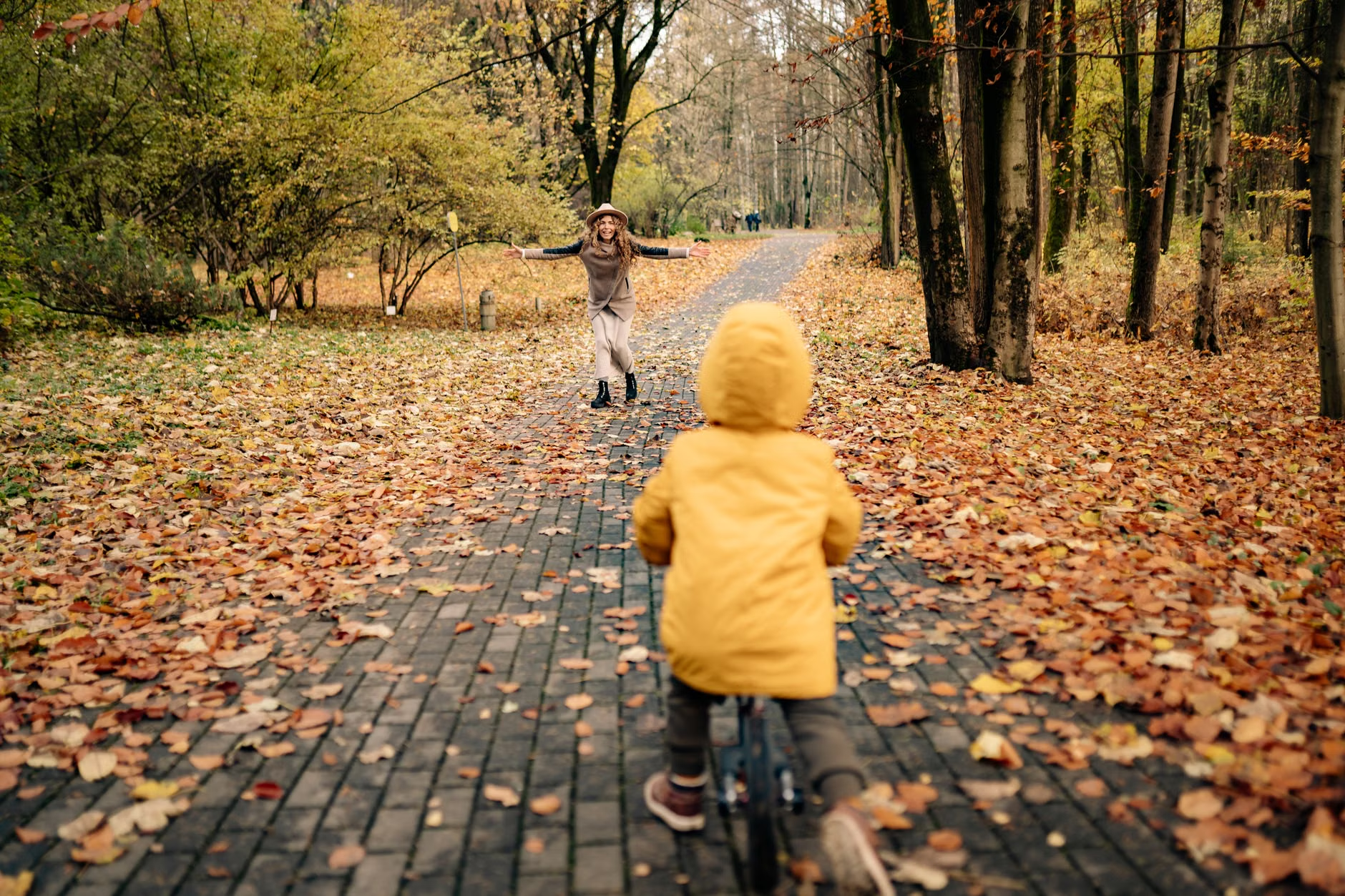
Finally, remember that the “perfect” nature trip is a myth. You will have days where the kids fight, someone trips, or it starts raining unexpectedly. That is part of the experience. The resilience learned by navigating a muddy path or a minor discomfort is just as valuable as the fresh air. Your job isn’t to curate a perfect Instagram moment; it’s to provide your family with a space where they can disconnect from the noise and reconnect with the natural world—and each other.
Frequently Asked Questions
What if my children complain about being bored the moment we arrive?
Boredom is the precursor to creativity. Don’t immediately try to “fix” it with a pre-planned game. Instead, give them a simple, open-ended challenge: “I bet you can’t find three different colors of leaves” or “Let’s see who can find the most interesting-looking rock.” Once they start looking, the “boredom” usually vanishes as they engage with their surroundings.
Is it really necessary to buy special gear for an urban park?
You don’t need expensive technical gear, but you do need appropriate items for the conditions. The “special gear” I recommend—like a sit-pad or a magnifying glass—is about comfort and engagement, not fashion. If you are comfortable, you stay longer. If the kids are engaged, they complain less. It’s an investment in your own sanity.
How do I find high-quality, safe urban reserves in my city?
Start by looking at the website of your local city council or regional conservation authority. Look for “Conservation Areas” or “Nature Sanctuaries” rather than “Community Parks.” These sites often have better maps, trail ratings, and information on current conditions. You can also use apps like AllTrails, but filter by “Review” to see if other families have had a good experience there.
For more information on the benefits of urban nature, you can check resources from organizations like the World Health Organization (WHO) regarding urban green spaces and health, or your local government’s environment department website for specific trail maps and safety guidelines. Always check for local alerts regarding trail closures or seasonal warnings before heading out.