Key Takeaways
- Resilience over aesthetics: Prioritize soil moisture retention through mulching and self-watering systems to survive increasingly frequent heatwaves.
- Strategic plant selection: Focus on heat-hardy heirloom varieties and native pollinators that thrive in your specific local climate zone rather than high-maintenance exotic plants.
- Water efficiency is non-negotiable: Implementing a recycled water system or a simple gravity-fed drip setup reduces water waste by up to 50% during peak summer months.
The most effective climate-resilient garden isn’t the one that looks like a magazine spread in mid-spring; it’s the one that manages to stay alive while you’re dealing with a heatwave, a soccer practice schedule, and the reality of rising water costs. If you’re in your 30s or 40s, your garden shouldn’t be another source of stress. It should be a functional, low-maintenance asset that teaches your kids about biology and provides a few fresh snacks, even when the thermometer hits record highs.
Why Traditional Gardening Fails in a Changing Climate
Many of us grew up with the idea that gardening is about daily watering, constant weeding, and fighting off pests. That model is increasingly fragile. As global temperatures rise and weather patterns become more erratic, the “daily maintenance” approach is a setup for failure. When you have a job and young children, missing two days of watering during a heatwave can mean the difference between a thriving tomato plant and a bucket of compost.
The core issue is evapotranspiration—the process where water is lost from the soil and the plant. In a conventional garden, exposed soil acts like a sponge for the sun, drying out rapidly. This forces you into a cycle of “panic-watering,” which is inefficient and often leads to root rot or fungal issues. Climate-resilient gardening shifts the focus from managing plants to managing the micro-environment.
For a parent, this shift is transformative. By creating a system that retains moisture and resists heat, you reduce the time you spend on chores by about 60%. Instead of standing with a hose every evening, you’re checking a system that essentially runs itself. This isn’t just about saving water; it’s about reclaiming your time.
Designing a Garden That Survives the Heat
The first step in building resilience is understanding your micro-climate. Your balcony, backyard, or windowsill has different light and wind patterns than your neighbor’s. Before you buy a single seed, spend a weekend observing where the sun hits at 10:00 AM, 2:00 PM, and 6:00 PM. If your area gets scorching afternoon sun, that is where you need to build your “thermal buffer.”
The Role of Thermal Buffering
Thermal buffering involves using materials that absorb and hold heat during the day and release it slowly at night, or conversely, shielding your plants from the harshest rays. For urban dwellers, this often means moving containers. If you are using heavy ceramic or metal pots, you are likely cooking the roots of your plants. These materials conduct heat and can raise the temperature of the soil to levels that kill beneficial microbes.
Decision Rule: Switch to light-colored, porous containers like fabric grow bags or light-colored plastic. Dark-colored pots in direct sunlight can reach temperatures 10-15 degrees higher than the ambient air, effectively “boiling” the root system. If you already have expensive pots, wrap them in light-colored burlap or reflective foil to deflect the heat.
The Secret to Moisture Retention: Mulching and Soil Composition
If there is one thing you change this season, make it your mulching strategy. Exposed soil is a dying garden. Mulch acts as an insulation layer, preventing direct sunlight from hitting the soil surface and drastically reducing evaporation. In a climate-resilient setup, mulch is not optional; it is the primary defense against drought.
What should you use? For urban environments, organic, lightweight mulch is best. Avoid heavy wood chips if you are on a balcony, as they can hold too much moisture and attract pests. Instead, look for coconut coir, straw, or even clean, shredded cardboard. These materials break down slowly, improve soil structure, and keep the roots cool.
| Mulch Type | Best For | Pros | Cons |
|---|---|---|---|
| Coconut Coir | Balconies/Small Pots | Lightweight, retains water, neutral pH | Slightly higher cost |
| Straw | Raised Beds | Very cheap, excellent insulation | Can contain weed seeds if not treated |
| Shredded Cardboard | Any container | Free, recycled, easy to source | Must be ink-free and non-glossy |
When you apply mulch, don’t just sprinkle it on top. Layer it at least two inches thick around the base of the plant. This creates a “cool zone” for the roots. During a heatwave, this simple layer can keep your soil moisture levels stable for 48 hours longer than unmulched soil.
Water Management: Moving Beyond the Hose
Hand-watering is the most common cause of “parent-gardener burnout.” It’s unreliable, time-consuming, and often results in water landing on the leaves, which can promote disease. A climate-resilient garden uses passive or active irrigation.
Gravity-Fed Drip Irrigation
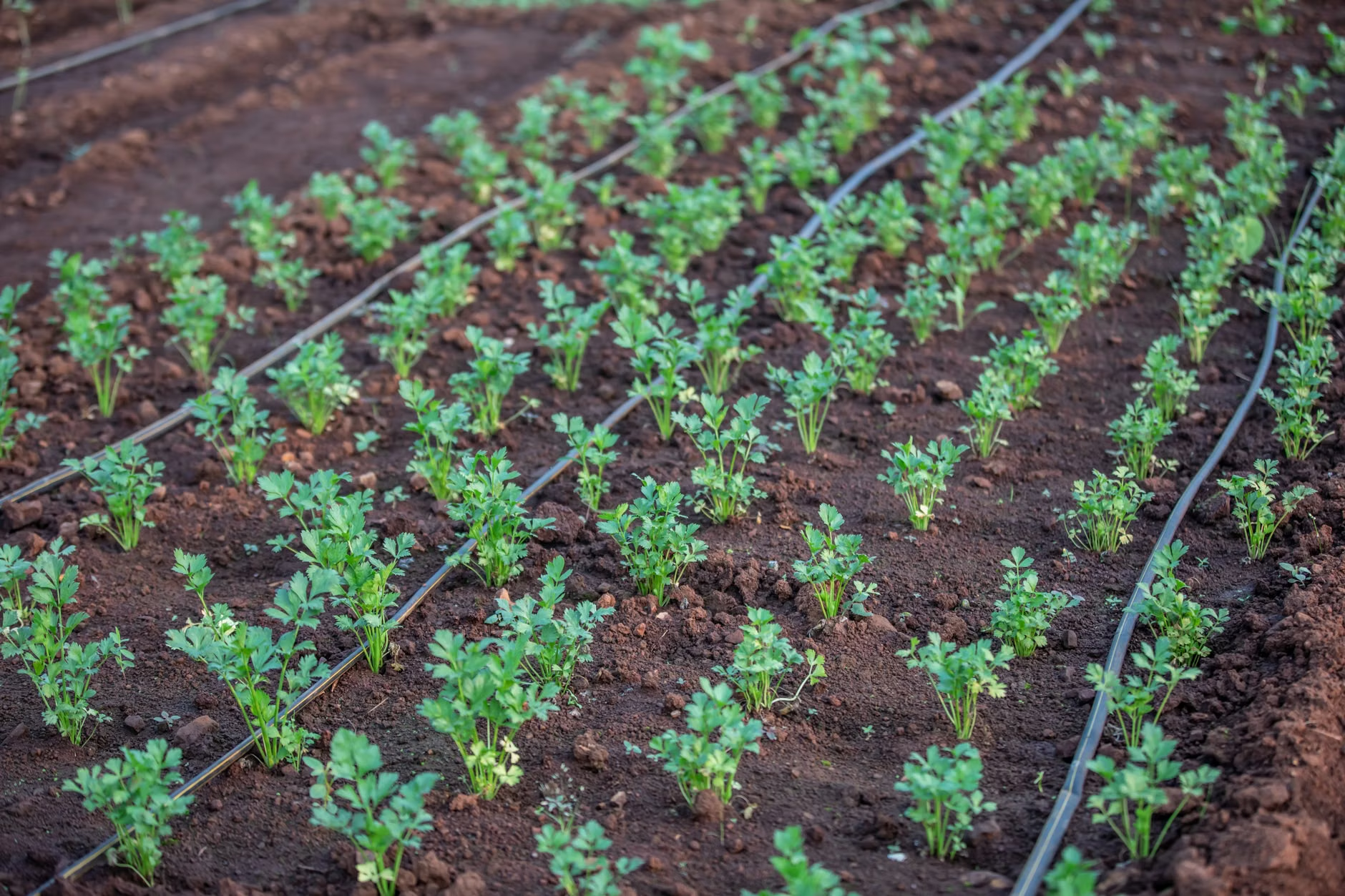
You don’t need a complex professional system. A simple DIY setup using a large water reservoir (like a 5-gallon bucket) placed slightly higher than your plants, connected to basic drip tubing, can work wonders. The water drips slowly into the soil, exactly where the roots need it, rather than evaporating into the air.
Common Mistake: Many beginners use “misting” nozzles. In a hot climate, this is a waste of water. The fine mist evaporates before it even reaches the soil. Always aim for root-zone irrigation. If you have children, this is a great project to build together. It teaches them about gravity and fluid dynamics while ensuring the garden survives when you’re busy.
Choosing Crops That Actually Want to Grow
We often try to grow what we see in glossy magazines—lettuce and spinach in the middle of a 35°C (95°F) summer. This is a losing battle. Climate resilience means working with the season, not against it. If you live in a region prone to heatwaves, stop trying to force cool-weather crops during the peak of summer.
Instead, pivot to heat-hardy varieties. Think of peppers, okra, eggplant, and certain varieties of beans. These plants have evolved to handle high light and heat. Research specific “heirloom” varieties that are native to warmer climates. These plants are often more genetically diverse and resilient to pests and diseases than the hyper-bred varieties found in big-box stores.
The “Succession Planting” Framework
Don’t plant everything at once. If you plant all your seeds on the first day of spring, you’ll have a glut of produce that needs harvesting at the same time, followed by a barren garden. Instead, use a two-week rotation. This ensures that you always have a mix of stages—some plants are just starting, some are fruiting, and some are finishing. This keeps the soil covered and active, which is essential for maintaining a healthy ecosystem.
The Hidden Costs and Trade-offs of Resilience
It’s important to be realistic: no garden is entirely “set it and forget it.” Resilience requires an upfront investment of time and money. You might spend more on high-quality potting mix or a drip system initially. However, the trade-off is a massive reduction in long-term maintenance and a significantly higher success rate.
One overlooked variable is soil exhaustion. In small containers, plants use up nutrients very quickly. In a climate-resilient garden, you are asking your plants to do a lot of work (surviving heat, producing fruit). You must replenish the soil. Don’t rely on synthetic liquid fertilizers, which can “burn” the roots during heatwaves. Use organic, slow-release compost or worm castings. These provide nutrients gradually, which is much safer for the plant during periods of high stress.
Another trade-off is the aesthetics. A resilient garden might look a bit “wilder” than a manicured display. You might have mulch everywhere, different-sized pots, or shade cloths stretched across your balcony. Embrace this. The goal is to feed your family and learn, not to win a landscaping award. If your neighbors comment on the shade cloth, tell them it’s your “solar defense system”—it sounds much more intentional.
Involving Your Children in the Process
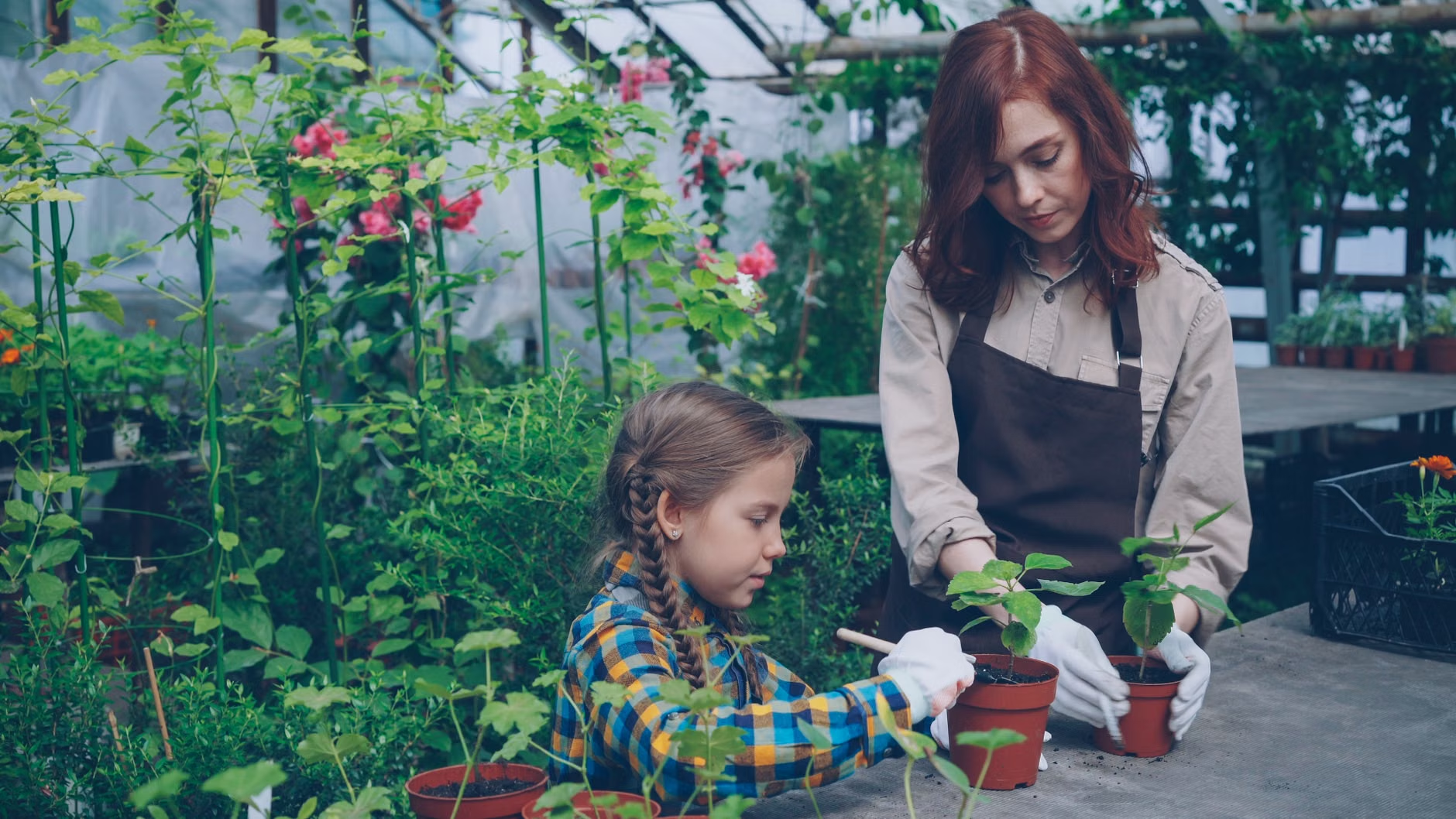
Gardening is one of the best ways to teach children about patience and the reality of the food chain. However, if they only see you stressed and struggling with a dying plant, they will associate gardening with failure. Make it a collaborative activity.
Let them manage the “moisture check.” Every morning, have them stick a finger into the soil. If it’s dry, it’s “water time.” This gives them a sense of responsibility and helps them understand the link between the weather and the plant’s needs. It also takes a task off your plate. When they see the results of their care—a tomato they grew, a pepper they helped nourish—the connection to their food becomes profound.
Troubleshooting Common Climate-Related Issues
Even with the best plans, things go wrong. Here is how to handle the most common issues:
- Wilting at Noon: If your plants wilt in the afternoon but recover by evening, this is normal. It’s the plant’s way of conserving energy. Do not water them immediately. If they are still wilted in the morning, then they need water.
- Leaf Scorch: If the edges of the leaves turn brown and crispy, your plant is getting too much direct, intense sun. Use a simple shade cloth or move the container to a spot with filtered light.
- Pest Infestation: Stressed plants attract pests. If you see aphids or spider mites, it’s a sign your plant is struggling with its environment. Instead of reaching for harsh chemicals, increase the air circulation and check if the plant needs a different location.
The Path Forward: Start Small, Iterate Often
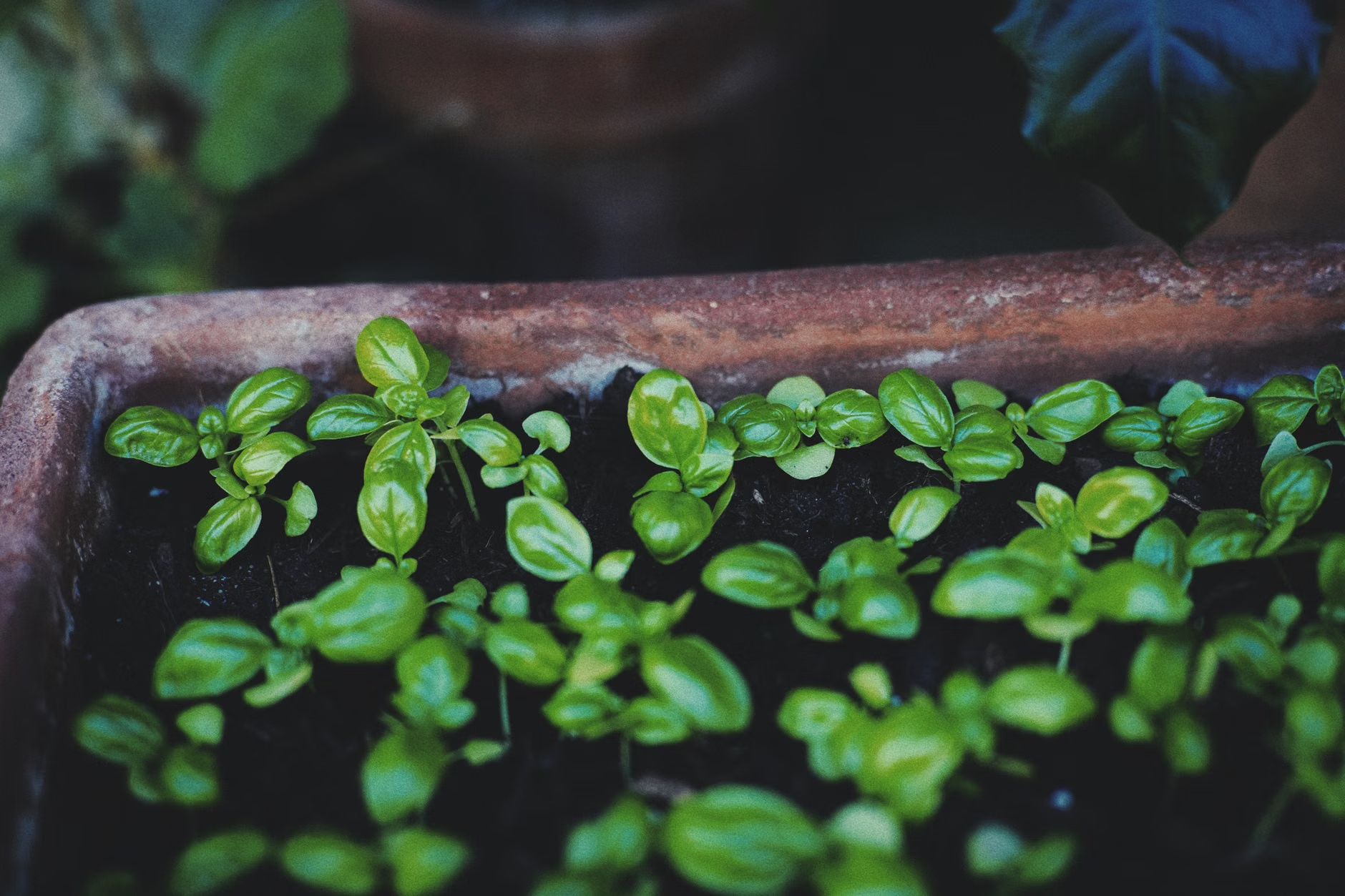
If you are new to this, do not try to build a massive garden in one weekend. Start with three containers: one for herbs (like basil or mint, which are hardy), one for a fruiting vegetable (like a cherry tomato), and one for a leafy green (like chard or kale). Apply the principles we discussed: use light-colored pots, use high-quality mulch, and ensure you have a plan for consistent, root-zone watering.
Track your progress. Note what worked and what didn’t. Did the tomato plant survive the heatwave? Did the basil bolt (go to seed) too early? This data is more valuable than any book you can buy. By the time you reach your next season, you’ll have a deeper understanding of your specific environment, and your garden will be more resilient than ever.
Remember, the goal of climate-resilient gardening isn’t perfection. It’s about building a system that can withstand the challenges of the modern world while providing you and your family with a tangible, grounding connection to nature. Take it one step, one pot, and one season at a time.
Frequently Asked Questions
1. How do I know if my balcony is too hot for a garden?
No balcony is “too hot” if you choose the right plants. If your balcony faces south or west and gets direct sun for more than 6 hours, it is a high-heat environment. Avoid delicate greens like spinach or lettuce during the peak of summer. Instead, choose sun-loving, heat-hardy crops like peppers, eggplant, or heat-tolerant herbs like rosemary and thyme. Use shade cloths to provide relief during the hottest part of the day.
2. Can I use greywater from my kitchen to water my plants?
Yes, but with strict conditions. You can use water from rinsing vegetables or pasta (cooled down and unsalted) to water your plants. Do not use water that contains soap, oils, or detergents, as these can damage the soil structure and harm the plants. Always use it fresh, as stored water can quickly become a breeding ground for bacteria.
3. What is the most important tool for a climate-resilient gardener?
Beyond the basics like a trowel and watering can, a soil moisture meter is invaluable. It takes the guesswork out of watering. Instead of guessing if the soil is dry, the meter gives you a clear reading. It prevents you from over-watering, which is just as dangerous as under-watering, especially in containers where drainage can be an issue.
For further reading on climate-resilient horticulture and regional planting guides, visit the Royal Horticultural Society’s guide to gardening in a changing climate or check your local university agricultural extension service for zone-specific data.