The most important rule for planning a heritage-rail coastal trip is to treat the journey as the destination itself, rather than a transit method, which prevents the common mistake of over-scheduling your arrivals and departures.
- Prioritize “Buffer Zones”: Always add 90 minutes to your connection times to account for heritage rail delays, which are common due to single-track operations and vintage equipment.
- Strategic Seating Matters: Research the “seaward” side of the train for your specific route; booking your seats early is the only way to guarantee the best views for the kids.
- The Luggage-Light Rule: Heritage carriages often have limited overhead storage; limit your family to one carry-on sized bag per person to avoid mobility issues on narrow platforms.
If you are in your 30s or 40s, you probably remember the days when travel was about cramming as much as possible into a weekend. Now, with a household to run and perhaps a child or two in tow, the idea of a “coastal rail trip” sounds less like a budget-saving measure and more like a logistical nightmare. However, the resurgence of heritage rail—restored, historic train lines that hug the most scenic coastlines—offers a unique middle ground between the chaos of air travel and the monotony of a six-hour highway drive.
The “Heritage-Rail Coastal Route Planner” isn’t just an app or a website; it is a mindset. It is about acknowledging that while the train might move slower than a car, it provides a captive environment where you can actually interact with your family without the stress of navigating highway traffic or finding parking in crowded seaside towns.
Why Heritage Rail is the Secret Weapon for Modern Parents
When we talk about heritage rail, we aren’t just talking about a commuter train. These are often steam or classic diesel-hauled lines that operate on tracks built in the 19th or early 20th century. They don’t cut through tunnels or bypass the coast; they crawl along the cliffs, offering views that no modern highway can replicate. For a parent, this is a massive advantage: you have a built-in entertainment system. Instead of hearing “Are we there yet?” from the backseat, your children are occupied by the shifting landscape of bridges, tunnels, and coastal vistas.
However, the trade-off is predictability. Unlike modern high-speed rail, heritage lines are often run by volunteer organizations or regional preservation trusts. They are subject to mechanical quirks and track maintenance that wouldn’t affect a national rail network. This is why the “planner” aspect is so critical. You aren’t just booking a seat; you are building a flexible itinerary that can absorb the occasional 30-minute delay without ruining your hotel check-in or dinner reservation.
The Logistics of Slow Travel
The biggest mistake most travelers make is applying “intercity” logic to “heritage” lines. If you are taking a high-speed train from London to Paris, you expect efficiency and strict adherence to a schedule. On a heritage coastal line, the “schedule” is a suggestion. You need to view your day in blocks of time rather than specific minutes. If the train arrives at 10:45 AM instead of 10:15 AM, your plan should already include a secondary activity—like a walk along the harbor or a coffee break—that doesn’t require a pre-paid booking.

A Five-Step Framework for the Perfect Coastal Rail Trip
Planning a trip on these lines requires a specific sequence of operations. If you skip one, you risk being stranded at a station with a tired child or missing the best part of the view.
Step 1: Map the “Seaward” Side. Before you book, look up the route on a satellite map. Does the train run north-south or east-west? If you are traveling along a coast, one side of the carriage will always face the water. Most booking platforms allow you to see a seat map. If you can’t choose, call the operator. It sounds old-fashioned, but heritage rail companies are often staffed by people who love their route and will happily tell you which side is best.
Step 2: The 90-Minute Buffer. Never schedule a connection to a different transport mode (like a bus or taxi) within 90 minutes of your scheduled arrival. Heritage lines are single-track in many places, meaning they have to wait for oncoming traffic to clear. A delay of 45 minutes is not uncommon. If you have a child, this buffer time is your sanity insurance.
Step 3: Evaluate the “Heritage” Equipment. Are you riding a steam locomotive or a heritage diesel railcar? Steam trains are fantastic for the experience, but they are loud, they emit soot (don’t wear white!), and they are often harder to board with a stroller. Railcars are more like buses on tracks—easier for families, but perhaps less “romantic.” Choose based on your child’s age and your own desire for comfort versus adventure.
Step 4: Ticket Tier Selection. Many heritage lines offer “first-class” or “observation” carriages. For a family of three or four, the price difference is usually minimal compared to the overall cost of the vacation. These carriages usually have more table space, which is essential for coloring books, snacks, or tablets. The extra space is worth the premium.
Step 5: The “Station-to-Stay” Rule. Try to book accommodation within walking distance of the final station. If you have to arrange a secondary transfer (like a taxi or bus) to get to your hotel, do it in advance. Rural coastal stations are often understaffed, and finding a ride-share service in a remote village is often impossible.
Comparative Decision Table: Which Line Suits Your Family?
Not all heritage lines are created equal. Some are designed for short, 30-minute “rides,” while others are cross-country connections that function as a legitimate travel method. Use this table to decide what fits your current family needs.
| Route Type | Best For | Key Consideration |
|---|---|---|
| The Short Loop | Toddlers & Young Kids | Low travel time, but high frequency of stations. |
| The Coastal Transit | School-aged Children | Acts as a bridge between two towns; requires more planning. |
| The All-Day Excursion | Teens & Adults | High cost, requires significant food/drink preparation. |
If you have toddlers, “The Short Loop” is your best bet. You don’t want to be trapped on a train for four hours with a child who needs a nap. If you have teenagers, “The Coastal Transit” can actually be a great way to see a region without them having to sit in the back of a car, as they have the freedom to stand up and walk to the buffet car.
Common Mistakes and How to Avoid Them
The most common mistake is failing to account for the “last mile.” You arrive at the station, you’ve had a wonderful time, but then you realize the town center is two miles uphill from the station. Always check the elevation and distance from the station to your final destination on a map before you leave.
Another frequent oversight is the “snack trap.” Many heritage lines have a buffet car, but it is often small, crowded, and sells out of food quickly. Never rely on the train for a full meal. Pack a picnic that is easy to eat with your hands. Think sandwiches, grapes, and granola bars—nothing that requires a knife and fork, as the train movement can make eating complex meals difficult.
Lastly, consider the weather. Coastal routes are notoriously windy. Even on a sunny day, the temperature on the coast can drop significantly when you step off the train. Always pack a windbreaker for every family member, even if the forecast looks like “standard summer weather.”
The Hidden Economics of Heritage Travel
Heritage rail is rarely the “cheap” option. In fact, it is often more expensive than driving or taking a modern regional train. Why? Because the maintenance of 100-year-old steel and wood is astronomically high. When you pay for your ticket, you aren’t just paying for transit; you are paying for the preservation of history. If you are budget-conscious, look for “Family Day Passes” or “Off-Peak” mid-week tickets. Many heritage lines offer significant discounts for travel on Tuesdays or Wednesdays, which are also much quieter and more pleasant for a family trip.
There is also the hidden cost of “station parking.” If you are driving to the start of the heritage line, check the parking situation at the station. Many heritage lines are located in historic towns where parking is scarce and expensive. If you can, take a local bus or taxi to the station to start your journey. It saves you the stress of hunting for a spot and the cost of daily parking fees.
The Psychology of the Ride: Why This Matters
Why go through all this effort? Why not just drive? It comes down to the quality of the time spent. When you drive, the driver is isolated. The passengers are often disconnected. On a train, you are all in the same space. You can point out the lighthouse, the fishing boats, and the changing colors of the cliffs together. It is a shared experience that creates memories far more effectively than a high-speed transit journey where everyone is buried in their own device.
For parents in their 30s and 40s, this is a chance to reclaim “slow living” for a few hours. It’s a moment to unplug. Most heritage trains have poor cellular reception, which is actually a blessing. It forces you to look out the window. It forces you to talk. It forces you to be present.
Technical Details and Preparation
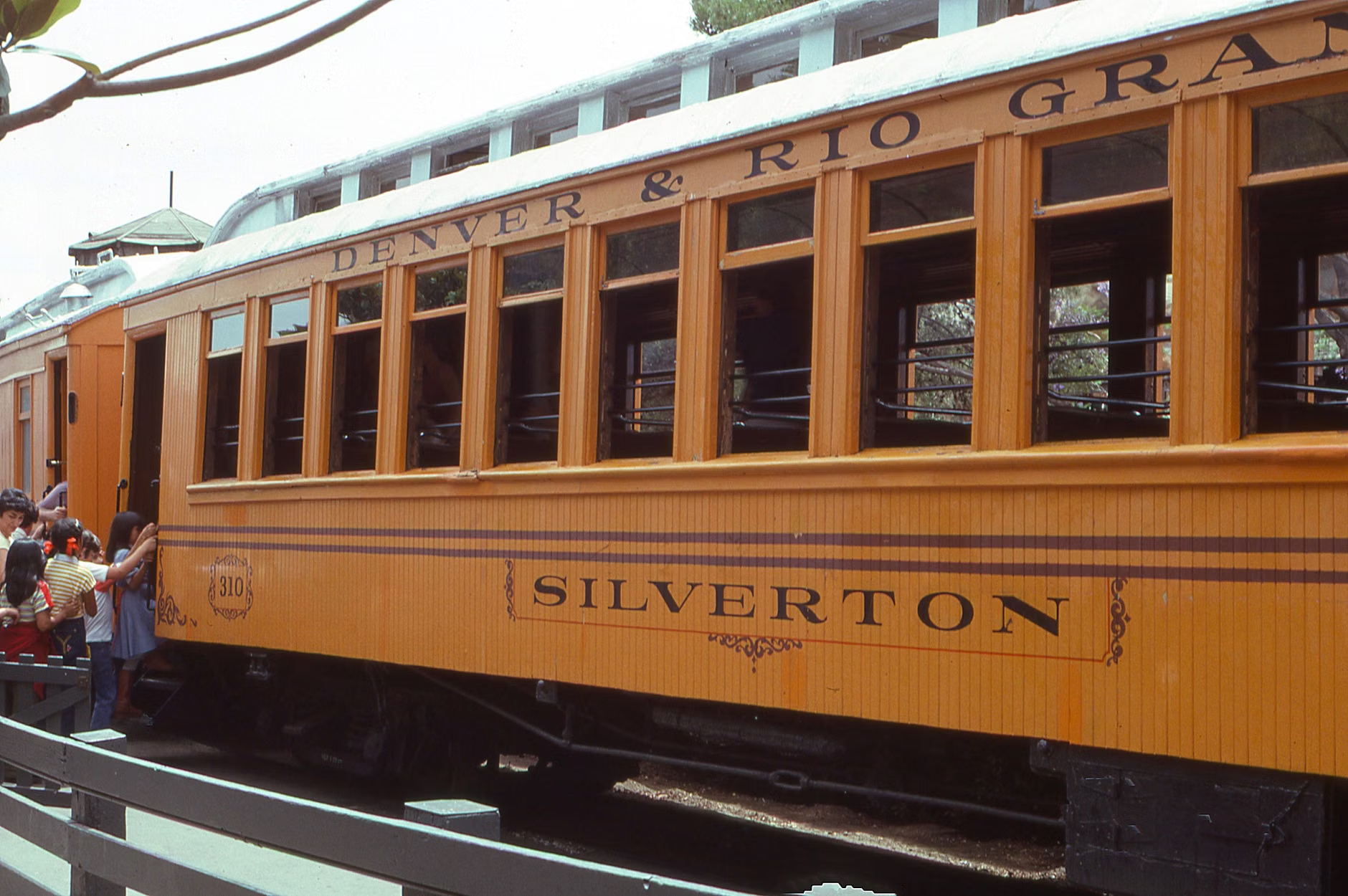
Before you finalize your route, check the official website of the specific heritage railway (e.g., the West Coast Railway in the UK, the Durango & Silverton in the US, or various lines across Europe). Look for the “Passenger Information” or “Accessibility” tab. This is where you will find the “real” rules of the line: whether they allow strollers, if there is a changing table, and if the platform is level with the carriage doors.
If you are traveling with a stroller, call ahead. Many heritage trains have a luggage van where they can store larger items, but you need to know where it is so you aren’t struggling to lift a heavy stroller onto a narrow, high-stepped platform. The goal is to arrive at the station, have your gear sorted, and get on the train without a last-minute panic. The more you know about the physical layout of the train, the more relaxed you will be.
Also, don’t forget the “return” leg. If you are doing a one-way trip, how are you getting back? Is there a bus? A local taxi service? Do not assume you can just “find a way.” In rural coastal areas, transport services stop running early in the evening. Always have your return strategy confirmed before you board the train for the outbound trip.
Final Thoughts on Your Coastal Journey
Planning a heritage rail trip is an exercise in intentionality. It is a commitment to the journey itself. While it requires more research and more patience than booking a flight or driving to a destination, the reward is a uniquely peaceful, scenic, and bonding experience that your family will likely remember long after the trip is over.
Don’t be discouraged by the complexity of the logistics. Start small. Pick a short route, pack light, and keep your expectations flexible. If the train is late, enjoy the extra time at the station. If the weather changes, embrace the dramatic coastal views. The heritage-rail coastal route planner is, at its heart, a way to ensure that your family vacation starts the moment you step onto the platform, not just when you arrive at your destination.
Takeaway: Your most important tool is not an app, but your ability to remain flexible. Prioritize the “seaward” view, pack your own snacks, and always assume the schedule is a general guideline rather than a rigid rule. By doing so, you turn potential logistical headaches into part of the adventure.
Frequently Asked Questions
1. Are heritage trains safe for young children?
Yes, they are generally very safe. However, unlike modern trains, they often lack automatic doors and have steeper steps. Always supervise children near the carriage gaps and keep them away from the vestibules (the area between carriages) while the train is in motion, as these areas are often open-air and can be quite bumpy.
2. Can I bring my own stroller or car seat on board?
Most heritage railways allow strollers, but they may need to be folded in the luggage area. If your child is in a car seat, you will likely need to hold them, as most vintage carriages do not have ISOFIX points. Check the operator’s specific policy on “bulky items” before you arrive at the platform.
3. What happens if I miss my return train?
Unlike national rail networks, heritage lines rarely have frequent service. If you miss your train, you might be looking at a several-hour wait. This is why we emphasize the “90-minute buffer.” If you do miss your train, immediately speak to the station master or the guard. They are usually very helpful in finding alternative local transport, such as a local taxi contact, which is often the only way back in remote coastal regions.
For further information on specific routes, please check the official heritage railway directory for your region to find the most up-to-date operating schedules and safety guidelines.
We’ve talked about the “90-minute buffer,” but what happens when the unexpected occurs? Let’s say you are on a coastal line in the Pacific Northwest or the rugged coast of Scotland, and a mechanical issue halts the train for two hours. In an urban environment, you’d pull out your phone and find a cafe. In a heritage rail setting, you might be in the middle of a cliffside forest.
This is where your “parenting kit” comes into play. If you are traveling with kids, your bag should include more than just snacks. It should include “emergency boredom busters.” We aren’t talking about extra screen time; we are talking about tactile engagement. A deck of cards, a travel-sized board game, or even a simple sketchpad can turn a stressful two-hour wait into a memorable family moment. The goal is to avoid the “anxious parent” vibe. If you stay calm, the children will follow suit. They don’t know the train is delayed; they only know they are having an adventure with you.
Furthermore, understand the “Staffing Reality.” Heritage railways are often run by volunteers. These people are the lifeblood of the experience, but they are not corporate customer service agents. If a delay occurs, be kind. Ask them, “What is the best way to spend the next hour?” They know the local area better than any app. They might point you toward a hidden path to a beach or a nearby historic site that you would never have found on your own. Treating the staff as allies rather than service providers is a key part of the heritage rail experience.
The Nuance of Coastal Microclimates
Coastal weather is notoriously fickle. A common mistake is assuming that because it’s 25°C (77°F) at your inland starting point, it will be the same at the coast. Coastal railways often travel through “microclimates.” You might start in a sunny valley and end up in a misty, cool, and windy coastal town. This temperature shift is often more dramatic than you expect.
The “Layering Strategy” is essential here. Don’t just pack a heavy coat. Pack a base layer, a light sweater, and a windproof shell. This allows you to adjust your clothing as you move from the sheltered inland tracks to the exposed coastal cliffs. For children, this is even more vital. If they get cold, the entire experience becomes a struggle. If they are warm and dry, they will enjoy the wind and the spray of the ocean. It’s the difference between a complaint-filled afternoon and a magical one.
The Role of Digital Tools in a Low-Tech Environment
Even though heritage rail is “low-tech,” you should still use modern digital tools to your advantage. Use Google Maps to check the topography of the route. Use weather apps that allow you to check the forecast for specific coastal towns, not just the general region. Use a digital notebook (like Notion or Notes) to keep a “master plan” of your trip, including phone numbers for local taxi companies and the contact details for your accommodation.
However, once you are on the train, put the phone away. The beauty of these routes is the lack of “connectivity.” It is a rare opportunity to disconnect from the constant ping of notifications and reconnect with the people sitting across from you. If you need to check the time, use a wristwatch. If you need to know where you are, use a physical map if the train provides one. These small changes in behavior make a significant difference in how you perceive the time spent on the journey.
Remember that the “Heritage-Rail Coastal Route Planner” is ultimately about you and your family. It is about creating a space where the pace of life slows down to the speed of a steam engine. It’s a chance to stop “doing” and start “being.” Whether you are traveling for a day or a week, the rail journey is the anchor of your vacation. Make it count by being prepared, being flexible, and, most importantly, being present.
Finally, always keep a record. Take photos, but don’t obsess over them. Write down the names of the stations, the funny things your kids said, and the weird quirks of the train. These are the things that will make the trip truly yours. The logistics will fade from memory, but the feeling of the wind on your face and the sound of the wheels on the track will stay with you forever.
This is the essence of the heritage rail experience. It is not just about getting from A to B. It is about the journey in between. It is about the stories you tell, the snacks you share, and the views you witness together. It is a reminder that in a world that is obsessed with speed, there is still value in the slow, the historic, and the beautiful.
So, choose your route, pack your bags, and get ready for a trip that is less about the destination and more about the path you take to get there. It’s a different way to travel, but for a parent, it might just be the best way.