The most effective way to improve your child’s play quality and reduce your daily household stress is to actively remove 70% of the toys currently in your home. Contrary to the marketing-driven belief that more options equal more engagement, the “Post-Growth” philosophy suggests that an abundance of toys actually fractures a child’s attention span and increases the cognitive load of both the child and the parent.
- The Paradox of Choice: Limiting the number of available toys forces children to engage in deeper, more creative “open-ended” play rather than passive consumption.
- The Rotation System: Instead of discarding everything, implement a rotation system that keeps the environment fresh without adding new financial or spatial costs.
- Psychological Impact: A “post-growth” approach to toys reduces the “clutter anxiety” felt by parents and teaches children the value of maintenance and stewardship over accumulation.
If you have ever found yourself stepping on a stray plastic brick at 7:00 AM or watching your child dump an entire bin of toys onto the floor only to walk away thirty seconds later, you are experiencing the classic “Toy Overload” syndrome. We often treat toys as a solution for boredom or a tool for educational development, but the current market model is built on growth—selling more units, more variety, and more “must-have” accessories. For parents in their 30s and 40s, this cycle often leads to a perpetual state of “toy maintenance” rather than family connection.
Understanding the Post-Growth Philosophy in a Household Context
In economics, “post-growth” refers to a shift away from the obsession with constant expansion and toward a stable, sustainable, and high-quality state. Applying this to your living room means shifting your goal from “having everything my child might need” to “having exactly what my child uses effectively.”
When a child is presented with too many toys, their brain enters a state of sensory overload. This is not just a messy room problem; it is a neurological one. Research in developmental psychology, such as studies on “toy abundance,” suggests that children who have fewer toys at their disposal actually play for longer periods and demonstrate higher levels of creativity. When the options are limited, the child is forced to transform a single object—a block, a scarf, or a cardboard tube—into whatever their imagination requires.
Consider the “Active vs. Passive” divide. An electronic toy that flashes, sings, and moves on its own is a “passive” toy; the child is merely the spectator of the toy’s programmed function. A plain wooden block is “active”; the child is the sole driver of the play experience. By curating your collection toward active, open-ended materials, you are not depriving your child; you are upgrading their cognitive workout.
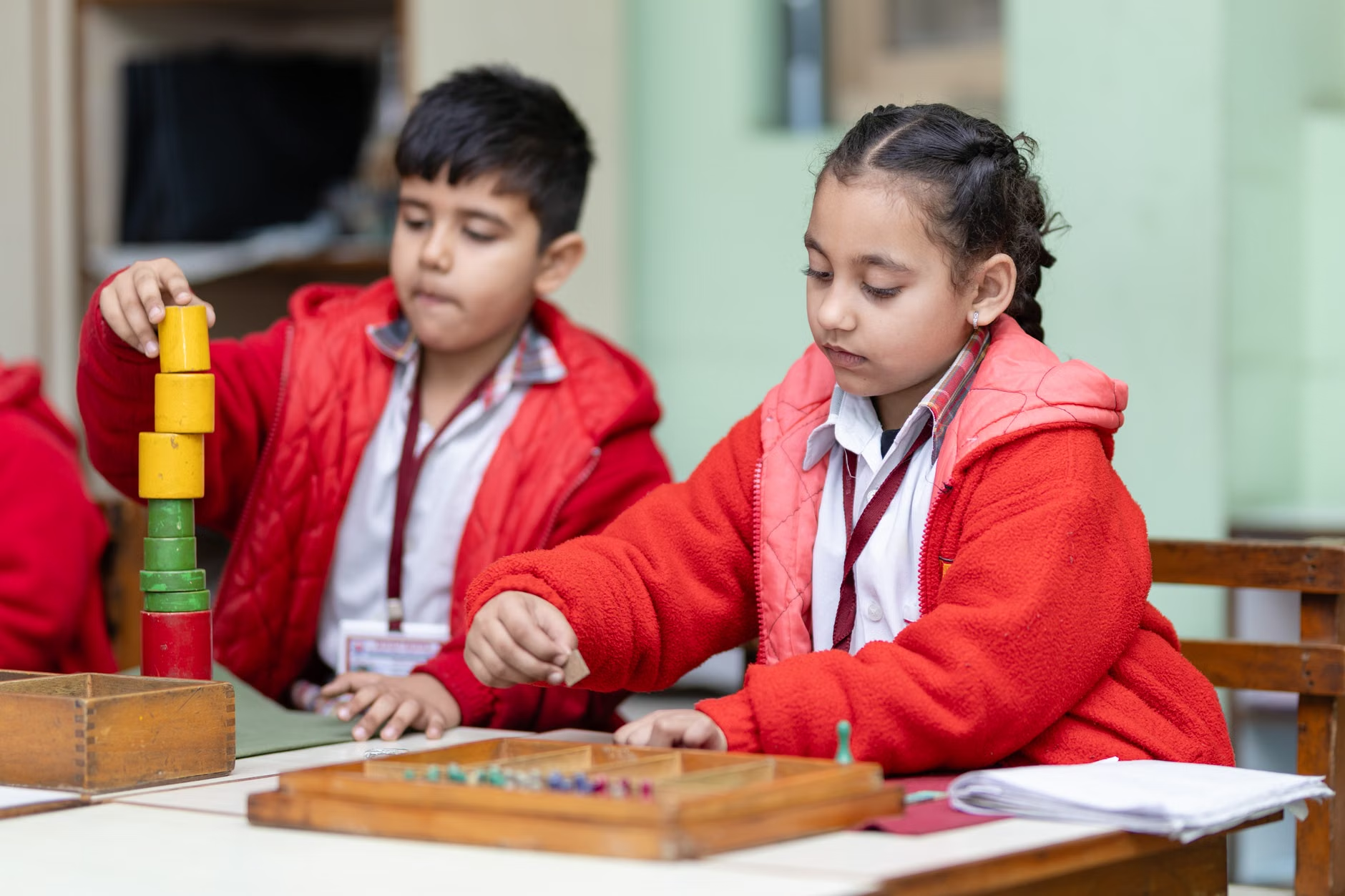
The Mechanics of Toy Curation: A Step-by-Step Implementation
To transition to a post-growth toy environment, you need a system that is sustainable for your schedule. Do not attempt this during a chaotic Saturday afternoon. Instead, treat it as a project that requires a clear decision-making framework.
Step 1: The Total Audit
Gather every single toy in the house into one central space. This will be an uncomfortable process, but it is necessary to see the scale of the surplus. Categorize them into three groups:
- The Essentials: High-quality, open-ended items (blocks, dolls, art supplies, dress-up).
- The Distractions: Battery-operated, loud, single-use plastic toys that provide a quick dopamine hit but little long-term value.
- The Seasonal/Advanced: Items that are currently too advanced or require specific seasonal conditions (e.g., puzzles with 500 pieces for a toddler, or pool toys in winter).
Step 2: The 20% Rule
Aim to keep only about 20% to 30% of your total inventory in the active play area. Store the rest in clear, opaque bins in a closet or basement. This “hidden” inventory is your rotation supply. By removing the visual noise, you immediately make the play area more inviting and easier to clean.
Step 3: Establishing the Rotation
A rotation is not about “hiding” toys; it is about “reintroducing” them. Every two to four weeks, swap one-third of the active toys with the stored ones. When a toy “returns” from the closet, it is often greeted with the same enthusiasm as a brand-new gift. This keeps the environment fresh without the financial cost of new purchases.
| Category | Strategy | Why it works |
|---|---|---|
| Open-ended toys | Keep accessible at all times | Encourages long-term skill development |
| Single-use/Plastic | Phase out or donate | Reduces clutter and passive consumption |
| Complex/Advanced | Store until developmentally ready | Prevents frustration and physical clutter |
This table serves as a decision rule for your household. If a toy does not fit into the “Open-ended” category, it should be the first candidate for donation. If you feel hesitant to donate, move it to the “Storage” bin; if it hasn’t been requested in six months, you have your answer for donation.
The most common mistake parents make is doing this audit “to” the child rather than “with” them. If your child is old enough to talk, they will likely resist. They will claim they “love” the toy they haven’t touched in a year. This is a natural reaction to change, not a sign that they truly value the object.
The “Attachment” Trap: Children often attach to items because they are familiar, not because they are useful. When you start the curation process, focus on the “Essentials” first. Keep their absolute favorites, even if they are plastic or loud. The goal is not to be a minimalist dictator; it is to remove the “background noise” of the excess. Once the excess is gone, the child will naturally gravitate toward the high-quality items.
The Gift-Giving Conflict: Grandparents and friends will continue to bring toys. You cannot control what others buy, but you can control the “output.” Have a designated “donation box” in the house. When a new toy arrives, encourage the child to place an older, unused item into the donation box. This teaches the concept of one-in, one-out, and helps children understand that their space is finite and valuable.

The Hidden Costs of Modern Toy Culture
Beyond the obvious lack of floor space, there is a hidden cognitive cost to the “growth-model” of toy ownership. When a home is filled with toys, the task of cleaning up becomes overwhelming. For a child, a messy room is a wall of decision-making: “Where does this go? What goes in which bin?” If the task is too complex, they will simply stop trying, and you will end up doing the cleanup yourself.
By curating, you are teaching executive function. A smaller, organized set of toys allows the child to see exactly where everything belongs. The cleanup process becomes a simple, manageable routine. This builds a sense of agency and responsibility. If they can’t manage their own space because there is too much “stuff,” they aren’t learning independence; they are learning that someone else will eventually solve the clutter problem for them.
Furthermore, consider the environmental and financial impact. The toy industry is heavily reliant on cheap, petroleum-based plastics that are difficult to recycle. By shifting to a “Post-Growth” model, you are reducing your household’s demand for these products. You are opting for items that last longer, hold their value better, and provide more intellectual return on investment.
Long-term Sustainability: Building a Culture of Stewardship
The ultimate goal of this philosophy is to shift the family culture from one of “having” to one of “doing.” When you stop buying to fill space, you gain the budget to invest in experiences—trips to the park, museum memberships, or high-quality art materials that actually get used up. This is a transition from consumer-led play to experience-led growth.
A useful insight here is the “Maintenance Gap.” We often forget that every item we bring into our home requires maintenance—it must be cleaned, organized, stored, and eventually discarded. By limiting the volume, you are reclaiming your own time. In your 30s and 40s, time is your most finite resource. Spending 30 minutes a day tidying up toys is a tax on your mental health that you don’t have to pay if you curate your environment effectively.
If you are worried about your child being “deprived,” look at the playrooms in high-end Montessori schools. You will notice they are remarkably sparse. They are designed for focus, not for entertainment. Your home can be a space for focus as well. The lack of constant visual stimulation allows children to enter “flow states,” where they lose track of time because they are deeply engaged in what they are building or creating.
Practical Next Steps for This Weekend
If you want to start this process, do not try to do the entire house in one day. Start with the most problematic area—usually the main living area. Follow these steps:
- Designate a “Holding Area”: Find a bin or a box for toys that are being “retired” to the rotation system.
- Identify the “Always-Out” Toys: Choose the top 5-10 items that your child uses daily for deep play. These stay out.
- Remove the Rest: Everything else goes into the holding area.
- Observe: Watch your child for three days. If they don’t ask for a specific item from the holding area, it is a candidate for donation.
- Communicate: Explain to your child that you are “giving their toys a vacation” so they stay special. This reframes the removal as a positive, protective action rather than a punishment.
Remember, the goal is not to create a sterile, “Instagram-perfect” environment. The goal is to create a space that supports your child’s development and your own sanity. If the room is slightly messy because they are in the middle of a project, that is fine. The problem is not the mess; the problem is the sheer volume of items that prevents the child from ever finishing a project or finding what they need to start one.
By embracing a post-growth mindset, you are making a deliberate choice to prioritize quality over quantity. You are choosing to invest in your child’s ability to focus, create, and maintain their own environment. It is a small change in how you manage your home, but it has a massive impact on the daily quality of life for everyone involved.
Frequently Asked Questions
How do I handle the situation where my child gets upset when I try to donate old toys?
Children often struggle with the permanence of “donating.” Instead of immediate donation, use the “Holding Area” method described above. If they don’t miss the toy after a month in storage, they are far more likely to agree to donate it when you show them the bin. Frame it as “sharing with other children who don’t have as many toys,” which appeals to their developing sense of empathy.
Is this philosophy suitable for children with specific sensory needs?
Yes, often even more so. Children with sensory processing sensitivities are frequently overwhelmed by visual clutter. A curated, predictable, and low-stimulus environment can significantly lower their baseline stress levels. However, ensure that the “essential” toys you keep include items that meet their specific sensory needs (e.g., tactile textures, specific weights, or calming visual patterns).
How often should I rotate the toys to keep them engaging?
The ideal frequency is every 3 to 4 weeks. If you rotate too often, the child doesn’t have time to master the toys. If you rotate too infrequently, the novelty wears off. Use your child’s engagement as your guide; if they start aimlessly dumping bins or losing interest quickly, it is a clear signal that the current rotation has served its purpose and it is time for a change.
Official Resources for Further Reading: