The most effective way to manage your family’s toy collection today isn’t by buying more or even donating indiscriminately—it is by embracing the “Circular-Repair” movement, which treats high-end, durable toys as long-term assets that deserve maintenance rather than disposal.
- Economic Value Preservation: Repairing a high-end toy can extend its lifespan by years, effectively lowering the “cost-per-play” and maintaining resale value.
- Skill-Building Opportunity: Participating in repair cafes with your children turns a broken toy into a hands-on lesson in engineering, patience, and sustainability.
- Circular Economy Participation: By choosing repair over replacement, you actively reduce household waste and support a growing global movement that prioritizes material durability.
If you have ever spent a significant amount of money on a high-quality wooden kitchen set, a complex mechanical marble run, or a designer dollhouse, you know the sinking feeling of a broken hinge or a missing gear. In the past, the default response was often to discard the item or tuck it away in the attic, hoping to “fix it later”—a task that usually never happened. But the landscape of toy ownership is shifting. Driven by a desire for sustainability and the rising costs of premium goods, the “Repair Cafe” movement has expanded from household electronics and furniture to the world of high-end toys.
Understanding the Circular-Repair Movement
At its core, the circular-repair movement is a rejection of the “take-make-waste” model of consumption. For toys, this means moving away from cheap, plastic, single-use items toward durable, repairable goods. A repair cafe is a community-based event or permanent space where people bring their broken items to be fixed by volunteers or professional makers. While traditionally focused on toasters and lamps, these cafes have increasingly become hubs for toy restoration.
Why does this matter for you? For parents in their 30s and 40s, time and money are the two most precious commodities. When a $200 toy breaks, you face a dilemma: buy a replacement (which is costly and wasteful) or attempt a DIY fix (which can be intimidating). Repair cafes provide the tools, the expertise, and the social space to solve this problem efficiently. It is not just about saving money; it is about teaching your children that items are not disposable, and that they have the agency to mend what they value.
The Economics of Repairing vs. Replacing
To understand whether a repair is worth the effort, we have to look at the numbers. High-end toys—those made from solid wood, high-grade metals, or complex electronic components—are designed to last, but they are not immune to wear and tear. When you factor in the initial investment, repair is almost always the more logical financial path.
| Factor | Buying New | Repair/Refurbish |
|---|---|---|
| Initial Cost | 100% of retail price | Cost of parts + time |
| Environmental Impact | High (shipping, manufacturing) | Very Low |
| Educational Value | None | High (problem-solving) |
If you own a premium wooden block set that has lost its finish or a mechanical toy with a stripped gear, the repair cost is often less than 20% of the original retail price. Moreover, high-end toys often hold significant resale value. A well-maintained, vintage-style wooden toy can often be sold for nearly 50-70% of its original price years later, provided it is in good working order. By repairing, you are essentially protecting your future resale equity.

If you are ready to start your journey into toy repair, you don’t need a degree in mechanical engineering. Most high-end toys fail due to predictable issues: loose screws, dried-out glue, missing fasteners, or simple mechanical jams. Here is how you can approach the restoration process systematically.
Step 1: The Diagnostic Phase
Before you touch a screwdriver, you need to understand the failure. Is it a structural issue (cracked wood) or a mechanical one (gear not spinning)? Take photos of the toy from multiple angles. If there are hidden screws, they are often located under rubber feet, stickers, or felt pads. Use a gentle heat source (like a hair dryer) to warm up adhesives before removing them to access the hardware.
Step 2: Sourcing Components
One of the biggest hurdles is finding specialized parts. For high-end brands, check the manufacturer’s website first; many offer “spare parts” sections that are often overlooked. If the company no longer exists, explore online hobbyist forums or 3D printing communities. Many enthusiasts have already modeled and uploaded files for common replacement parts for legacy toys.
Step 3: Execution and Safety
Always work in a well-lit area with a tray to catch small parts. If you are using adhesives, ensure you are using the correct type for the material—wood glue for wood, epoxy for hard plastics, or cyanoacrylate for precise, high-strength bonds. If you are participating in a local repair cafe, bring the item and all its pieces in a clear, sealable bag. The volunteers there will appreciate the organization.
Why High-End Toys Are Different
It is important to distinguish between mass-produced, cheap plastic toys and high-end items. Cheap toys are often ultrasonically welded together, meaning they are designed to be impossible to open without destroying the casing. They are the antithesis of the circular economy.
High-end toys, conversely, usually feature modular construction. They are held together with screws, dowels, or interlocking joints. When you invest in these items, you are investing in the *possibility* of repair. This is a critical distinction for parents. When buying, look for “right-to-repair” markers: visible screws, clear assembly diagrams provided by the manufacturer, and a reputation for long-term support. Avoid toys that are sealed in a way that requires breaking the plastic to access the interior.
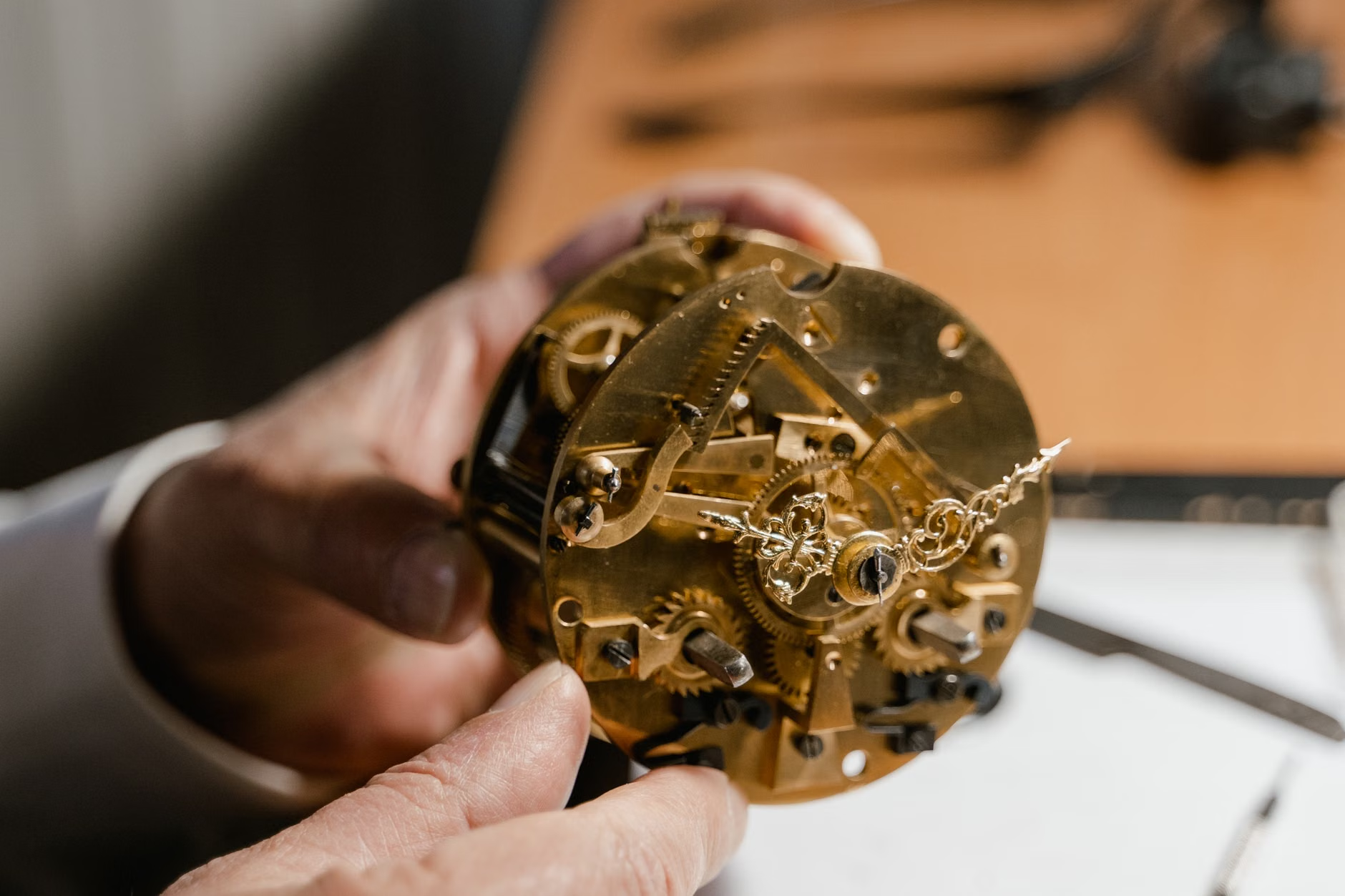
Common Pitfalls and How to Avoid Them
Even with the best intentions, things can go wrong. A common mistake is over-tightening screws, which can strip the threads in soft woods or crack brittle plastic. Always tighten until you feel resistance, then give it a final quarter-turn. Another common error is using the wrong adhesive. Using a heavy-duty construction adhesive on a delicate wooden toy can ruin the finish and add unnecessary weight, affecting the toy’s balance.
Additionally, do not rush the process. If a repair requires glue to set, give it the full manufacturer’s recommended time to cure. Many parents try to rush their children back to playtime, only to have the repair fail immediately, which can be discouraging for everyone involved. Treat the repair as part of the play experience, not an obstacle to it.
The Psychological Benefits for Your Children
Beyond the practical and economic gains, there is a profound psychological benefit to involving your children in the repair process. We live in an era of instant gratification. When a toy breaks, the default assumption is that it is “trash.” By sitting down with your child to fix a broken wheel or a detached limb, you are teaching them three vital lessons:
- Agency: They are capable of fixing things, not just consuming them.
- Patience: Some things take time to mend, and that is part of the value.
- Responsibility: We take care of the things we own.
This builds a sense of ownership that is entirely different from the excitement of opening a new box. A repaired toy has a story; it has a history that the child helped create. This creates a deeper emotional bond with the object, which in turn reduces the desire for constant novelty.
Finding a Community Near You
The repair movement is global, but access depends on your location. In many European cities, repair cafes are institutionalized, often supported by local councils. In North America and parts of Asia, they are often grassroots efforts organized by community centers or maker spaces. Websites like Repair Cafe International maintain a directory of global events. If there isn’t one in your town, consider starting a small “repair circle” with a few neighbors. All you really need is a table, some basic tools, and a shared interest in keeping high-quality items in circulation.
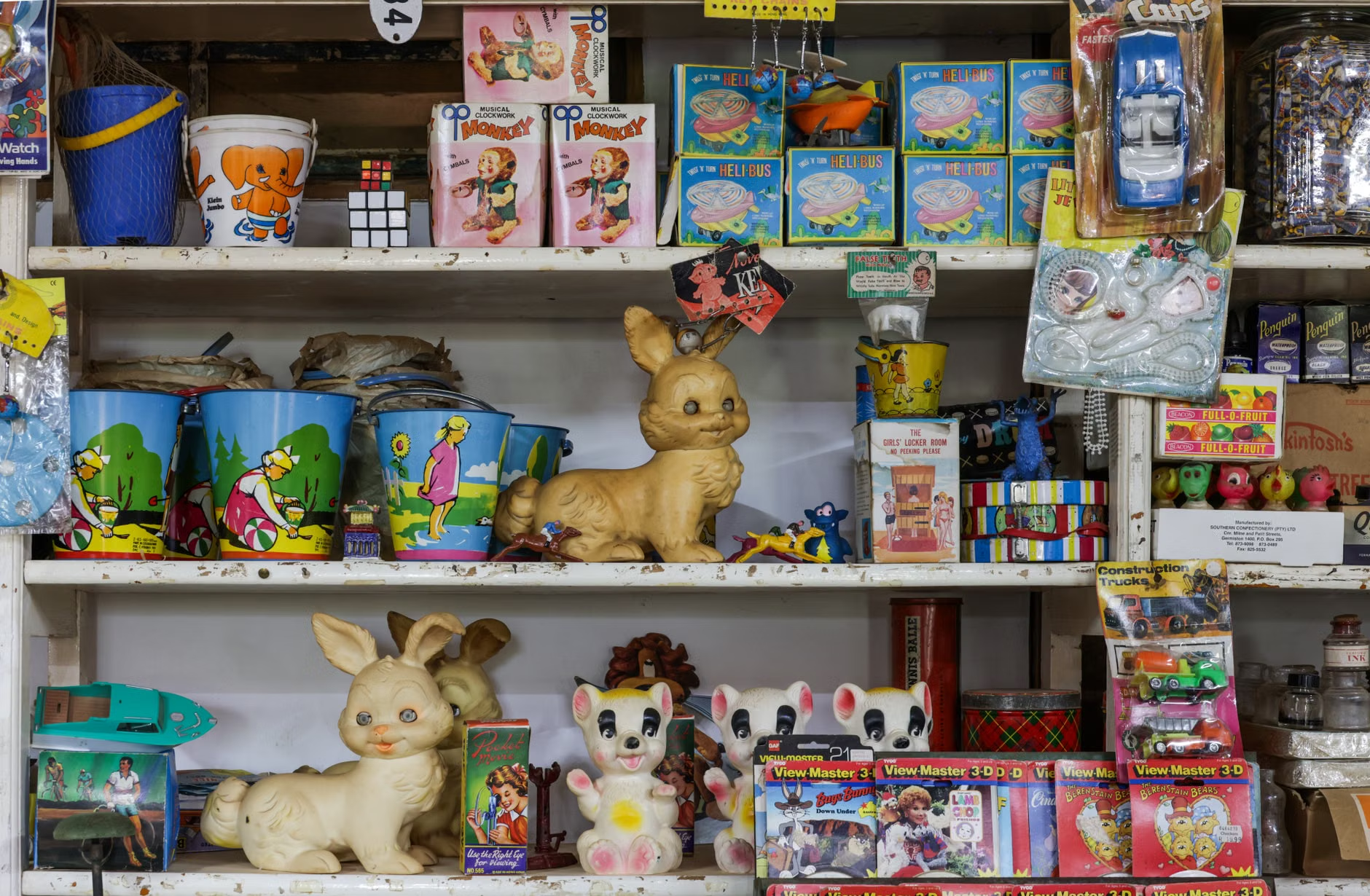
Insights for the Modern Household
One overlooked variable in the repair discussion is the “hidden cost” of storage. We often hold onto broken toys in the hope of fixing them, but they just end up cluttering our living spaces. The key is to implement a “repair queue.” If a toy is broken, place it in a designated “repair bin.” If it has not been fixed within three months, you must make a decision: do you have the time/ability to fix it? If not, it is time to either recycle the parts (if possible), donate it to a crafter who might use the pieces, or dispose of it responsibly. Do not let broken items become permanent clutter.
Another insight: look for “upcycling” opportunities. If a wooden toy is beyond repair, can the pieces be salvaged to make something else? A broken wooden train track can become a shelf for a child’s bedroom. A non-functional marble run can be repurposed into a kinetic sculpture. This mindset shift—viewing materials as resources rather than finished products—is the true heart of the circular economy.
Final Recommendations
To summarize, the transition to a circular-repair mindset is a journey, not a destination. Start small. The next time a high-end toy breaks, resist the urge to buy a replacement immediately. Take the time to inspect it, research the repair, and involve your child in the process. You will find that the value of the toy actually increases through the act of maintenance.
Prioritize durability when making future purchases. Ask yourself: “Can I open this? Can I replace the parts?” If the answer is no, perhaps it is not the right investment for your home. By being selective and proactive, you can build a collection of toys that lasts for generations, saving money and teaching your children the value of sustainability along the way.
Frequently Asked Questions
1. How do I know if a toy is worth repairing?
A toy is generally worth repairing if the cost of the replacement part is less than 30% of the item’s current market value, or if the item holds significant sentimental value. If the repair requires specialized tools you don’t own and won’t use again, consider visiting a local repair cafe or maker space rather than buying the tools yourself.
2. Are there safety risks I should consider?
Yes. When repairing toys, especially for younger children, ensure that all repairs are child-safe. Avoid using toxic glues, ensure that no small parts are left loose (which could be a choking hazard), and check for sharp edges after any structural repairs. If you are unsure about the safety of a repair, it is better to retire the toy rather than risk an injury.
3. Where can I find spare parts for discontinued high-end toys?
Beyond the manufacturer’s website, look for “parts-only” listings on secondary market platforms like eBay or Facebook Marketplace. Often, people sell damaged versions of the same toy for a fraction of the price. You can buy these “donor” toys and use their components to restore your own, effectively keeping two items out of the landfill.
For more information on the global movement toward repairable goods, visit the iFixit community, which, while focused on electronics, offers excellent guides on general repair principles and the philosophy of the circular economy.