- The “Slow” Advantage: Choosing the train over a rental car eliminates the stress of mountain driving, parking fees, and complex navigation, turning travel time into a shared family experience.
- Strategic Booking: Use the “Eurail” or “Interrail” pass for flexibility, but book seat reservations at least 4 weeks in advance for popular routes like the Glacier Express or Bernina Express to ensure you aren’t standing.
- Luggage Logic: Pack light and utilize station lockers (often found at major hubs like Zurich, Chur, or Brig) to keep your hands free for the kids while exploring mid-route stops.
If your idea of a family vacation involves white-knuckling a rental car around hairpin turns while the kids fight over a tablet in the backseat, you’re doing it the hard way. For those of us in our 30s and 40s, the “Slow-Adventure” approach to the Alps isn’t just a trend; it’s a necessary survival strategy for maintaining sanity while traveling.
The Alps are uniquely engineered for rail travel. Instead of spending your trip staring at the back of a truck on a mountain pass, you could be sitting in a panoramic carriage with a coffee in one hand and a clear view of the Eiger in the other. This guide breaks down exactly how to pull off a multi-stop rail trip that keeps the kids engaged and the parents actually, well, relaxed.
Why the Train Wins Over the Rental Car for Alpine Families
Let’s be honest: renting a car in Europe, specifically for the Alps, is a logistical headache. Between the fluctuating price of fuel, the exorbitant cost of mountain parking, and the sheer anxiety of navigating narrow roads, the “freedom” of a car is often an illusion. When you take the train, you are choosing a system that is designed for the landscape, not fighting against it.
The “Car vs. Train” Decision Matrix:
| Feature | Rental Car | Rail (Slow-Adventure) |
|---|---|---|
| Stress Level | High (Mountain driving, parking) | Low (Sit back and watch) |
| Family Bonding | Limited (Driver focused on road) | High (Games, snacks, views) |
| Cost | High (Rental, gas, tolls, parking) | Moderate (Fixed passes, no hidden fees) |
| Accessibility | Door-to-door | Hub-to-hub + local transit |
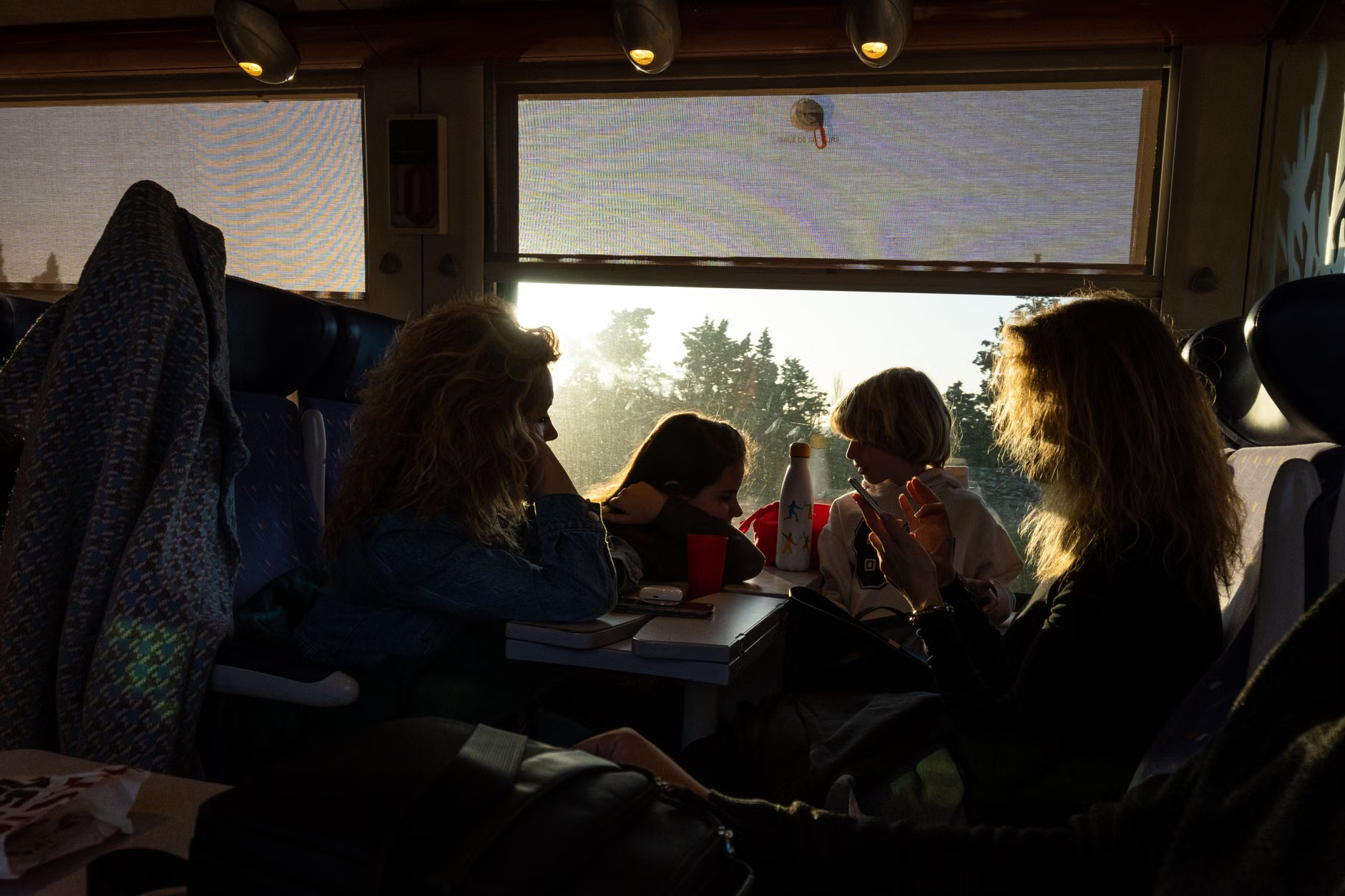
The real-world benefit? When you’re on the train, you aren’t the driver. You’re a passenger. You can help your child spot marmots on the hillsides, read a book, or simply take a nap. The train creates a “third space”—it’s not just transit, it’s part of the vacation experience. In my research of European transport systems, the most overlooked variable for parents is the “Transition Fatigue.” Moving a family from a car to a parking garage to a hotel is exhausting. Trains drop you in the city center, often within walking distance of your accommodation.
Mastering the Logistics: A Step-by-Step Approach
You don’t need to be a logistics expert to master the Swiss or Austrian rail systems, but you do need a plan. Don’t try to wing it with a family of four. The “Slow-Adventure” relies on a rhythm: Move, Settle, Explore.
1. Choosing Your Pass
For most international travelers, the Eurail Global Pass or, if you are European, the Interrail Pass is your best friend. It allows for a set number of travel days within a month. If you are staying within Switzerland, look specifically at the Swiss Travel Pass. It includes not just trains, but also buses, boats, and even some mountain cable cars. It’s an all-in-one ticket that prevents the “do we have the right ticket?” panic at every station.
2. The “Hub and Spoke” Strategy
Don’t change hotels every night. That is the quickest way to ruin a vacation with children. Instead, pick two “hubs”—perhaps one in the Bernese Oberland and one in the Graubünden region. Use your rail pass to take day trips from these hubs. This allows you to unpack once, get to know the local bakery, and establish a routine, while still seeing a new mountain peak every single day.
3. Managing the “Luggage Trap”
The most common mistake parents make is overpacking. If you have to haul three suitcases and a stroller, you will hate the train. Aim for one backpack per person. Most modern Alpine trains have dedicated luggage racks, but if you’re traveling during peak season (July/August or Christmas), these fill up fast. Pro-tip: Use the station lockers. Nearly every major station in the Alps has secure, automated lockers. If you have a long layover or want to explore a town before checking into your hotel, drop the bags and go.
When to Go: The Sweet Spot for Weather and Crowds
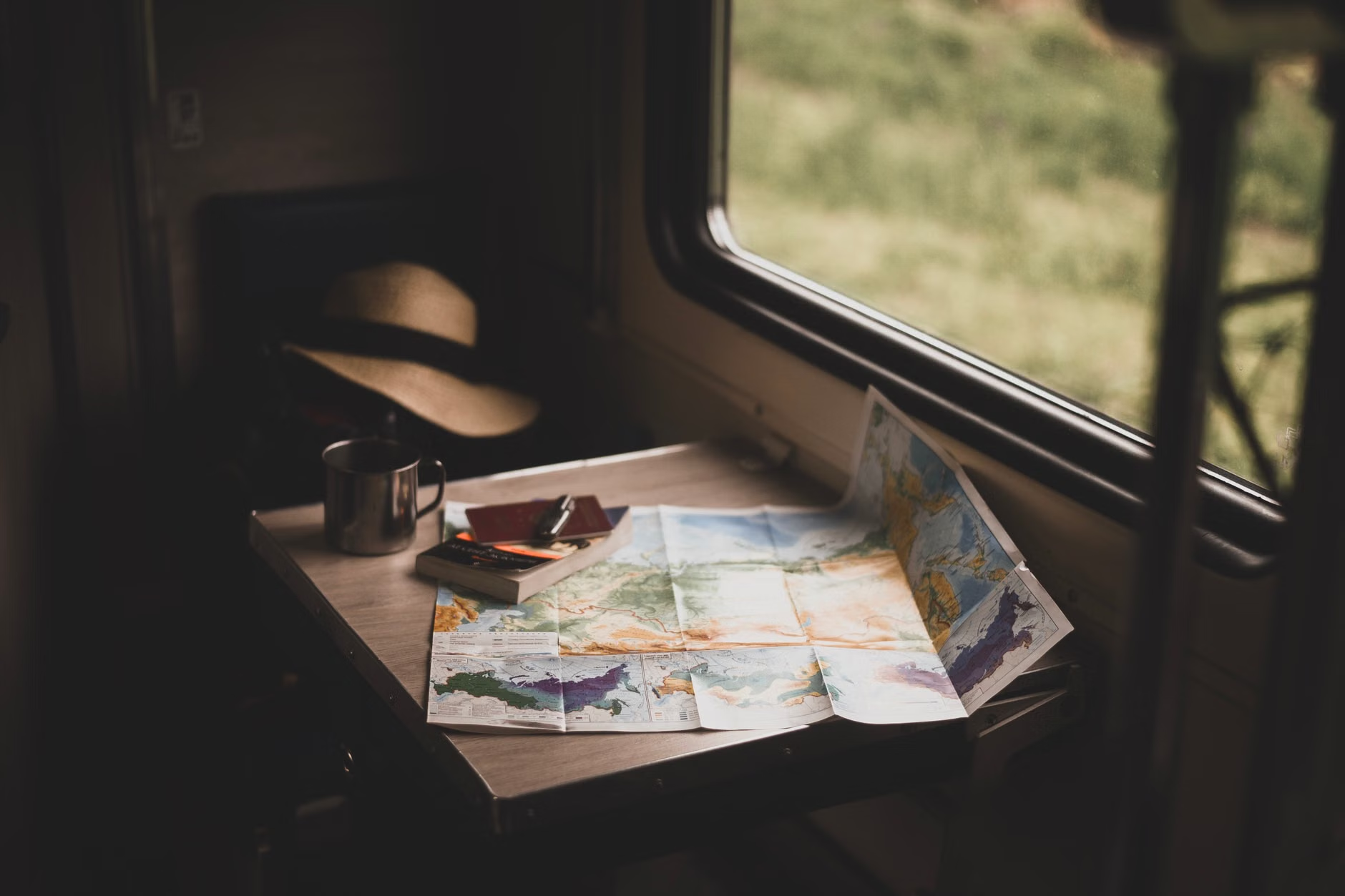
Timing is everything. If you go in August, you’ll be fighting the crowds. If you go in January, you’re limited to skiing. The “Slow-Adventure” sweet spot is the shoulder season: mid-June or September.
In mid-June, the wildflowers are at their peak, the high-altitude trails are just beginning to open, and the trains are significantly less crowded. September brings crisp, clear air and stable weather, perfect for hiking without the sweltering heat of the summer valley floors. For families, these months are ideal because you aren’t rushing to beat the “last lift” or struggling to find a seat in a restaurant.
Always check the local tourism boards (such as MySwitzerland or Austria.info) for the status of mountain railways. Some high-altitude funiculars close for maintenance in the weeks between the summer and winter seasons. Don’t assume that because the valley is open, the peak is accessible.
What to Pack for a “Slow-Adventure” Train Trip
Think of your train ride as a mobile living room. You need to pack for the journey, not just the destination.
- The “Survival Kit”: A portable power bank is non-negotiable. While most modern trains have power outlets, they can be finicky or occupied.
- Entertainment without screens: Bring a deck of cards, a few travel-sized board games, or audiobooks. The scenery is the best entertainment, but when the novelty wears off, you need a backup plan.
- Snack Strategy: Train food is expensive and often mediocre. Stop at a local grocery store (like Coop or Migros in Switzerland) before boarding to grab fresh fruit, local cheeses, and bread. It turns a transit hour into a picnic.
One overlooked factor is the change in temperature. You might be in a T-shirt in the valley and shivering at the top of a mountain pass 45 minutes later. Layering is not just a fashion statement; it’s a necessity. A lightweight down jacket that packs into its own pocket is your best investment.
Common Pitfalls and How to Avoid Them
Even the best-laid plans can hit a snag. Let’s look at the most frequent “oops” moments for parents on the rails.
The “Tight Connection” Trap
When booking your routes, the search engines will often suggest connections with as little as 6 minutes to switch platforms. Ignore these. If you have kids in tow, you need at least 15–20 minutes to navigate a station, find the correct track, and get settled. If you miss a train, it’s not the end of the world—they run frequently—but it adds an unnecessary layer of stress.
The “Seat Reservation” Confusion
On some scenic trains (like the Glacier Express), a seat reservation is mandatory. You cannot just use your pass. Check the specific train’s requirements well in advance. If you’re traveling on a standard regional train, you rarely need a reservation, but if you’re a family of four and want to sit together at a table, it’s worth the small extra fee to reserve seats in a “Family Zone” carriage, which many Swiss trains now offer.
The “Hidden Cost” of Local Transport
While your rail pass covers the big lines, it might not cover the private mountain rack railways or the specific cable car that takes you to a remote summit. Always ask at the local tourist office if your pass provides a discount. Often, you can get 25% to 50% off these private excursions just by showing your rail pass.
Deep Dive: A Sample “Slow-Adventure” Route
To give you a concrete idea, let’s look at a 7-day “Slow-Adventure” itinerary centered in Switzerland. This is not a race; it’s a way to see the best of the Alps without the burnout.
| Day | Route | Focus |
|---|---|---|
| 1-2 | Zurich to Lucerne | Lake exploration and gentle city walks. |
| 3-5 | Lucerne to Interlaken | Mountain peaks, valley hikes, and kid-friendly funiculars. |
| 6-7 | Interlaken to Zermatt | The iconic Matterhorn views and car-free village strolling. |
In Lucerne, you can take a boat across the lake instead of a train. It’s included in most passes and offers a different perspective of the mountains. In Interlaken, you’re perfectly positioned to head up to Grindelwald or Wengen. By the time you reach Zermatt, you’re in a town where cars are banned, which is the ultimate luxury for parents—no traffic to worry about, just crisp air and quiet streets.
The Psychological Shift: Why “Slow” Matters
We live in a culture of “must-see” and “bucket lists.” We feel like if we aren’t hitting three museums and two mountain peaks a day, we’re failing. The “Slow-Adventure” rail itinerary flips this narrative. By committing to the train, you are physically limiting your pace. You can’t reach five different cities in one day. You are forced to choose, and in that choosing, you find depth.
When you spend four hours on a train, you aren’t “wasting” time. You’re observing the transition from lush green valleys to rocky, glaciated peaks. You’re watching the architecture change from wooden chalets to stone-clad homes. You’re teaching your children that the journey is as important as the destination. This is a lesson in patience and observation that is increasingly rare in our fast-paced lives.
Furthermore, the social dynamic on a train is entirely different. You aren’t stuck in a box with just your immediate family. You’re sharing a space with locals commuting to work, other travelers, and students. It’s a gentle way to introduce your children to different cultures and the rhythms of a country that isn’t their own.
Refining Your Decision: Is This Right for Your Family?
If your children are under the age of 3, you have to be more selective. Rail travel with a toddler is doable, but it requires a lightweight, highly collapsible stroller and a baby carrier. The train is much more forgiving than an airport, but you still need to be prepared for the realities of toddlerhood. If your children are older, they will likely enjoy the independence of the train—holding the map, choosing the next station, and watching the scenery change.
If you prefer total isolation and want to stay in a cabin at the end of a private road, the train might not be for you. But if you value the ability to see the best of the Alps without the stress of logistics, the “Slow-Adventure” rail itinerary is arguably the best travel decision you can make.
Start by identifying the one or two “must-see” regions you want to explore. Don’t try to cover the entire Alps in one trip. The Alps are a massive mountain range; trying to do Switzerland, Austria, and Italy in one week is a recipe for exhaustion. Focus on one region, dig deep, and enjoy the ride.
Frequently Asked Questions
1. Is the rail system in the Alps truly child-friendly?
Yes, exceptionally so. Many Swiss and Austrian trains have dedicated family carriages with play areas or extra space for strollers. Conductors are generally very helpful, and the trains are clean, safe, and reliable. Just be sure to avoid the peak rush-hour times (7:00–8:30 AM and 5:00–6:30 PM) when locals are commuting.
2. What happens if I miss my train?
In the Alps, trains run like clockwork. If you miss a regional train, there is usually another one within 30 to 60 minutes. Your rail pass is generally valid for any train on the network (except for some high-speed or private scenic trains that require specific reservations). You won’t be stranded, and you won’t need to buy a new ticket.
English is widely spoken in the tourism and transport sectors throughout the Alps. Station staff, conductors, and hotel staff will almost certainly speak English. Download the local rail app (such as the SBB Mobile app for Switzerland or the ÖBB app for Austria). These apps are available in English, provide real-time updates, and make navigating platforms and schedules incredibly easy.
The beauty of the Alps is best experienced when you stop rushing. Whether you are sipping hot chocolate on a train crossing the Bernina Pass or wandering through the car-free streets of Zermatt, remember that the goal is not to check off as many boxes as possible. The goal is to return home feeling restored, not more tired than when you left. Pack light, plan for the journey, and enjoy the view. It’s waiting for you.