The secret to a successful holiday party in your 30s and 40s isn’t the strength of your bar—it’s the intentionality of your hospitality, and that starts by ensuring your zero-proof offerings are just as sophisticated as your top-shelf spirits.
- Prioritize Complexity Over Sugar: Move away from sugary fruit punches and toward botanical, bitter, or savory profiles that mimic the complexity of alcohol.
- The “Glassware Rule”: Always serve zero-proof drinks in the same high-quality glassware as alcoholic cocktails to normalize the choice and elevate the experience.
- Strategic Communication: Avoid labeling drinks as “mocktails” or “virgin”; instead, frame them as “curated zero-proof selections” to remove the stigma of missing out.
If you have ever spent your thirties hosting a holiday gathering, you know the unspoken pressure: the “bar cart anxiety.” You want to ensure your guests have a good time, but you also notice a shift. Maybe your friends are training for a half-marathon, maybe they have early morning parenting duties, or perhaps they’ve simply decided that the “hangover tax” is no longer worth the investment.
Hosting a zero-proof party—or even just a party with a strong, thoughtful zero-proof menu—isn’t about sobriety policing. It’s about hospitality. It’s about making sure the person who isn’t drinking doesn’t feel like they are relegated to a lukewarm glass of tap water while everyone else enjoys a curated experience.
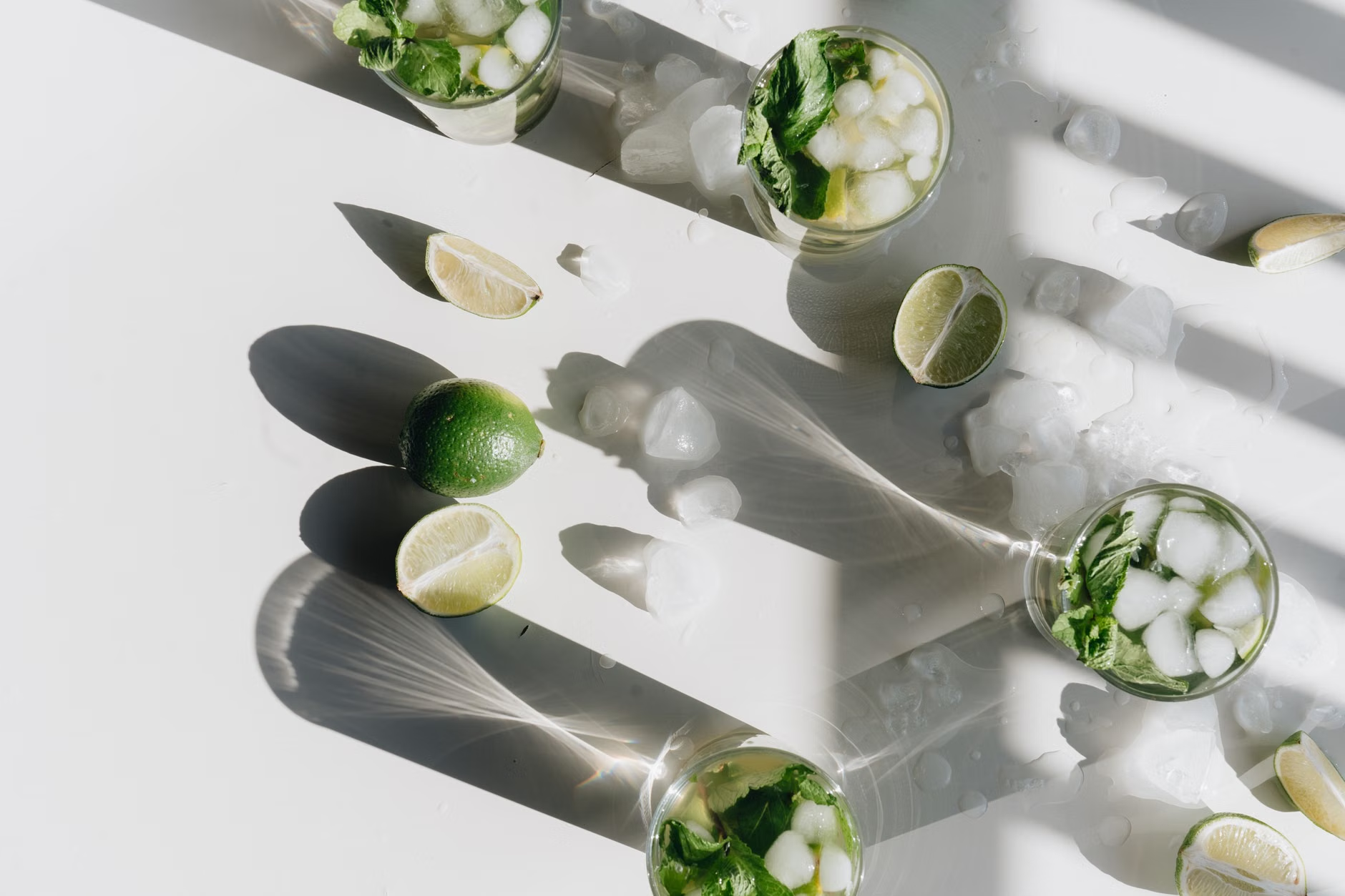
Why the “Zero-Proof” Shift Matters for Your Social Circle
In our 30s and 40s, the way we consume alcohol has fundamentally changed. We aren’t necessarily looking to get rowdy; we are looking to connect. However, the social rituals surrounding the holidays are still heavily anchored to the “toast.” When you remove alcohol, you remove a social lubricant, but you also remove the physical barrier to deep, clear-headed conversation.
The “why” behind the zero-proof movement is often driven by health, productivity, and the simple desire to be present for the next day. If you are hosting, acknowledging this shift makes you a better host. It signals that you value your guests’ autonomy. When you treat non-alcoholic drinks with the same level of preparation as a classic martini, you are essentially telling your guests: “I want you to have a refined experience regardless of what is in your glass.”
The Psychology of the “Missing” Ingredient
There is a common mistake hosts make: they try to recreate a cocktail by simply removing the alcohol. If you take a Margarita and pull out the tequila, you are left with lime juice and sugar water. That is not a balanced drink. To host successfully, you must think in terms of flavor architecture.
Alcohol provides three things: texture (mouthfeel), heat (the “burn”), and botanical complexity. To replace these, you need to look at:
- Acidity and Tannins: Use verjuice (the acidic juice of unripened grapes), black tea, or verjus to provide the “bite” that mimics alcohol.
- Bitterness: Use cinchona bark, gentian root, or high-quality non-alcoholic bitters (like those from brands specializing in zero-proof botanicals) to trigger the palate’s interest.
- Aromatics: Essential oils from citrus peels, fresh herbs like thyme or rosemary, and spices like star anise or cardamom provide the olfactory experience that signals “cocktail” to the brain.
Designing a Menu That Doesn’t Feel Like a Compromise
When planning your menu, aim for a ratio of one high-effort zero-proof drink for every two traditional cocktails. This keeps your workload manageable while ensuring that the non-drinkers have more than one option.
Here is a breakdown of how to structure your beverage service to accommodate both drinkers and non-drinkers seamlessly:
| Drink Type | Strategy | Key Ingredient |
|---|---|---|
| The “Aperitif” | Bitter and herbal to prime the palate. | Non-alcoholic aperitif spirits. |
| The “Main” | Texturally rich, balanced acidity. | Spiced shrubs or botanical syrups. |
| The “Nightcap” | Deep, complex, and warming. | Smoked tea or warm spice infusions. |
The goal is to move away from the “soda and juice” trap. A guest in their 40s who has spent time developing a palate for wine or whiskey will not be satisfied with a glass of orange juice. They want a beverage that evolves as they sip it.

Building the “Zero-Proof” Bar Cart
You don’t need to spend a fortune on expensive non-alcoholic spirits to host well. In fact, many of the best zero-proof drinks are made from ingredients you likely already have in your pantry. However, investing in one or two high-quality non-alcoholic base spirits (like those distilled with juniper or oak) can act as a “cheat code” for your hosting efforts.
Common Mistake: Thinking that more ingredients equal a better drink. In reality, a zero-proof drink relies on the quality of the base. If you are using a base of tonic water, ensure it is a premium brand with natural quinine. If you are using citrus, juice it fresh. The “freshness factor” is the single most important variable in making a zero-proof drink feel like a luxury product rather than a diluted soda.
Managing Social Expectations and “The Ask”
One of the most awkward parts of hosting is the “what are you drinking?” question. If you are the host, you can eliminate this awkwardness by normalizing the presence of zero-proof options. Place your zero-proof bottles alongside your gin, bourbon, and wine. Treat them with the same aesthetic care.
When a guest arrives, offer them a choice: “Would you like a gin and tonic, or would you like to try our house-made rosemary and juniper botanical soda?” By framing it as a choice between two equally valid options, you remove the social pressure of being the “only one not drinking.”
The “Guest-Led” Station
If you want to reduce your stress as a host, create a self-service station. This allows guests to control their own flavor profiles. Provide a variety of:
- Bitters and Tinctures: (Ensure they are non-alcoholic glycerine-based if you want to be strictly zero-proof).
- Acids: Fresh lime, lemon, and a high-quality vinegar-based shrub.
- Botanicals: Fresh mint, rosemary, star anise, and cinnamon sticks.
- Mixers: High-end tonic, club soda, and ginger beer.
This setup invites guests to experiment. It turns the drink-making process into an activity, which is a fantastic way to break the ice at a holiday party where guests might not know each other well.
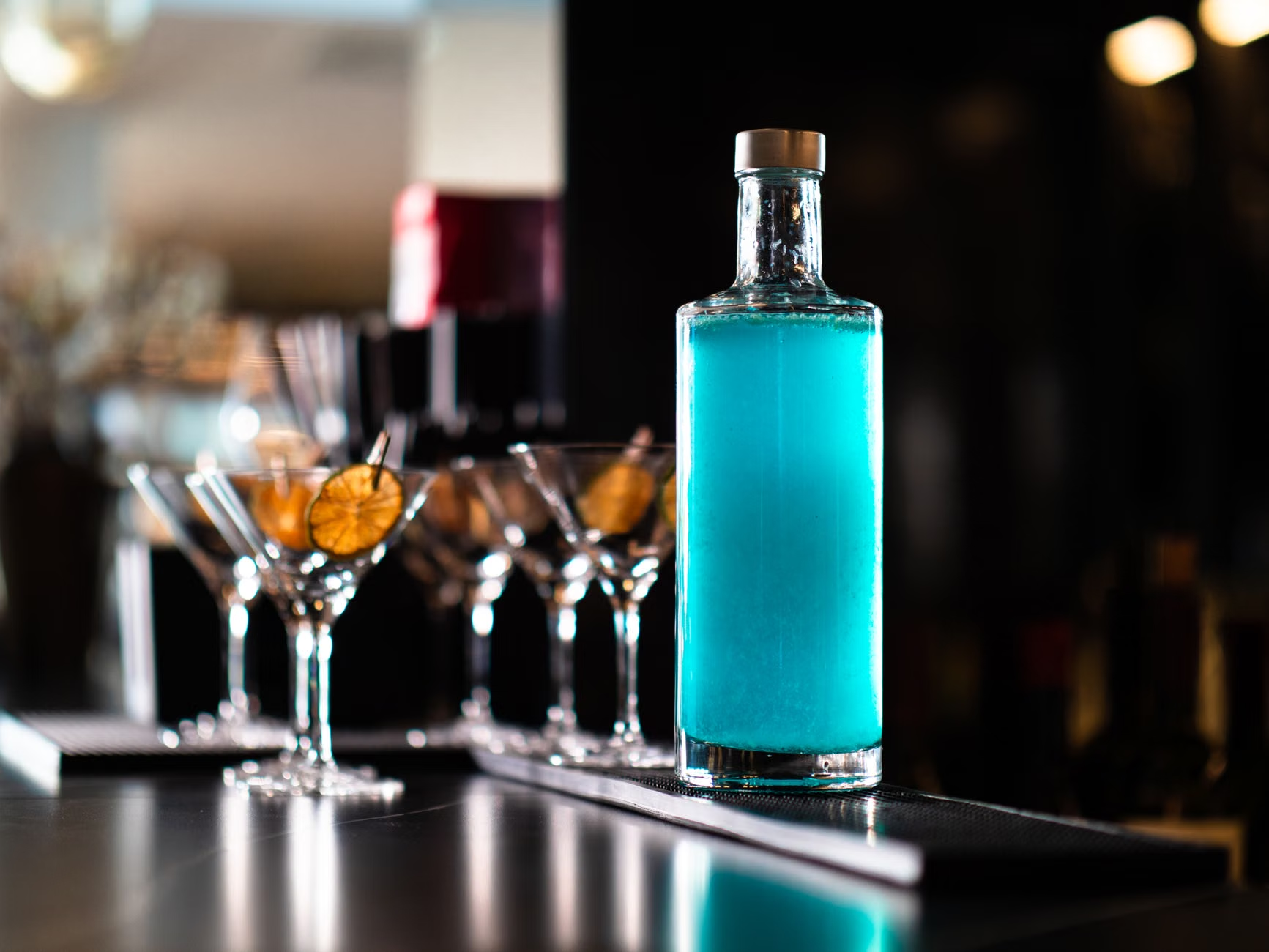
The Hidden Costs and Benefits of Going Zero-Proof
There is a hidden benefit to hosting a zero-proof-friendly party: it is often cheaper and safer. Alcohol is usually the most expensive line item in a party budget. By shifting the focus to high-quality mixers, teas, and house-made shrubs, you can significantly reduce your per-head cost without sacrificing the “premium” feel of your event.
Moreover, you eliminate the liability concern. When you are the host, you are responsible for the well-being of your guests. Providing delicious, zero-proof options makes it much easier for guests to pace themselves or opt out of alcohol entirely without feeling like they need to leave the party early or hide their choice.
Pro-tip: Always keep a “bridge” drink available. A bridge drink is something that is light on alcohol but high on flavor, or something that looks identical to a high-proof cocktail but contains only a fraction of the alcohol. This allows guests who are “sober-curious” or just pacing themselves to transition seamlessly throughout the evening.
Practical Steps to Execute Your Zero-Proof Holiday
If you are ready to implement this, start with your shopping list. Here is a simple checklist for your next gathering:
- Audit your glassware: Do you have enough high-quality coupes, tumblers, and highball glasses? The glass matters more than the liquid inside.
- Source your botanicals: Don’t just settle for grocery store herbs. Look for high-quality, organic dried spices or fresh, locally sourced herbs.
- Batch your syrups: Making a simple syrup infused with ginger, hibiscus, or peppercorns takes 15 minutes and will make your drinks taste like they came from a professional bar.
- Labeling: You don’t need to label the drinks, but you do need to know what they are. Have a small, elegant card that lists the ingredients of your specialty zero-proof cocktail.
Remember that the goal is not to be a professional mixologist. The goal is to provide a space where your friends feel comfortable, seen, and cared for. If you provide a delicious drink, they won’t be focused on what is missing; they will be focused on the conversation and the company.
Refining the Experience: Beyond the Basics
As you become more comfortable with zero-proof hosting, you can start to experiment with more advanced techniques. Fermentation is a great frontier here. Kombucha, for example, offers a natural acidity, fizz, and complexity that is almost impossible to replicate with store-bought sodas. If you are feeling ambitious, brewing a batch of ginger-turmeric kombucha to serve as a base for your holiday cocktails can be a game-changer.
Another overlooked variable is the temperature of the glass. A warm glass will ruin even the most perfectly balanced mocktail. Keep your glassware in the freezer for at least an hour before the party. It sounds simple, but it is one of those small, “pro” touches that signals to your guests that you have put thought into their experience.
Finally, consider the food pairing. Often, we pair wine with food without thinking about how non-alcoholic drinks fit into that equation. A savory, herbal mocktail pairs beautifully with roasted meats or hearty winter vegetables. If you are serving a rich meal, ensure your zero-proof options have enough acidity to cut through the fat, just as a dry Riesling or a crisp Sauvignon Blanc would.
Final Thoughts on Hosting with Intention
Hosting in your 30s and 40s is less about impressing people with how much you can spend and more about creating an environment where people can actually connect. The zero-proof movement is a symptom of a larger cultural shift toward intentional living. By embracing this, you aren’t just serving drinks; you are curating a better social experience for the people you care about.
Start small. Don’t feel like you need to overhaul your entire bar in one go. Pick one signature zero-proof cocktail, perfect the recipe, and serve it with the same pride you would a 12-year-old scotch. Your guests will notice the effort, and more importantly, they will appreciate the fact that you made them feel welcome, whether they are drinking or not.
For more inspiration on botanical flavor pairings and professional techniques, you can explore resources like the Difford’s Guide, which offers extensive insights into flavor profiles and drink architecture that can be adapted for non-alcoholic creations.
Frequently Asked Questions
1. How do I stop guests from feeling like they are missing out if they aren’t drinking?
The key is “presentation parity.” If you serve the alcohol-drinkers in beautiful, garnished glassware, serve the non-drinkers in the exact same glassware. When the drinks look identical in quality and effort, the “missing out” feeling disappears. Avoid calling them “mocktails,” which implies a fake or inferior version of something else; instead, call them by their ingredients, like “The Rosemary & Grapefruit Spritz.”
2. Are non-alcoholic spirits worth the investment?
If you host regularly, yes. They provide a “backbone” of flavor (bitterness, spice, herbal notes) that is very difficult to replicate with simple juices or sodas. If you only host once a year, you can get away with high-quality shrubs, bitters, and fresh herbs. However, one bottle of a premium non-alcoholic spirit can last for several parties, making it a cost-effective investment over time.
3. What should I do if a guest keeps asking why I’m serving zero-proof drinks?
Keep your answer light and focused on the quality of the ingredients. A simple, “I wanted to try out some new botanical flavor combinations that pair better with the food,” is usually enough. You don’t need to justify your choices with health or sobriety reasons unless you want to. By focusing on the experience of the drink, you steer the conversation back to the party itself.
For further reading on the science of flavor and how to balance complex profiles in beverages, you might find the Science of Cooking resources helpful for understanding how ingredients interact on the palate.