The most important thing to realize before booking a heritage-rail coastal journey is that the train is the destination, not just the transport. Unlike high-speed rail, these historic routes prioritize scenery and nostalgia over efficiency, which means your primary challenge will be managing the “slow travel” pace without losing your sanity—or your schedule.
- Book for the “Golden Hour”: Aim for late-afternoon departures on coastal routes to catch the best lighting, but always prioritize a mid-day return if traveling with toddlers to avoid post-nap meltdowns.
- The “One-Bag” Rule: Heritage trains often have limited luggage storage; limit your family to one carry-on sized bag per person to avoid struggling in narrow aisles and tight station platforms.
- Pre-Book Reserved Seating: Heritage lines are notorious for “first-come, first-served” chaos; paying the small premium for a reserved seat is the single best investment for a stress-free family experience.
If you are in your 30s or 40s, you likely remember the days when travel meant throwing a bag over your shoulder and hopping on the next train. Now, with a family in tow, the logistics involve a complex calculus of nap times, snack supplies, and the dreaded “boredom factor.” Heritage-rail routes—those scenic, often steam-powered or vintage electric lines that hug coastlines—are becoming incredibly popular for families looking to escape the screen-heavy reality of modern life. But how do you actually plan one without it becoming a logistical nightmare?
Why Heritage-Rail Coastal Routes Require a Different Planning Mindset
Heritage rail is not about getting from point A to point B in the shortest amount of time. It is about the rhythm of the tracks, the smell of the coal smoke (or the hum of vintage electric motors), and the unobstructed view of the coastline that you simply cannot get from a highway. However, for a parent, this “slowness” can be a trap. If you don’t manage the duration, you risk the “I’m bored” chorus starting ten minutes after departure.
The first rule of thumb is to cap your travel time at three hours. While many heritage lines offer full-day excursions, these are often too long for children under ten unless there is a significant “activity break” in the middle. Look for routes that offer a “hop-on, hop-off” structure or a destination that features a beach or a park within walking distance of the arrival station. This ensures that the train ride remains a highlight rather than a test of endurance.
Another crucial factor is the equipment. Many heritage trains use century-old carriages with narrow doors, steep steps, and no climate control. If you are traveling with a stroller, you must check the specific rolling stock of the train you are booking. Some lines have dedicated luggage or stroller cars, while others require you to fold your gear and stash it in overhead racks that might not accommodate modern, bulky strollers. If in doubt, call the station office directly; automated websites rarely distinguish between a compact travel stroller and a full-sized jogger.
Mapping Your Route: The Logistics of Coastal Scenery
When selecting a route, prioritize lines that offer “sea-side” seating. On many coastal tracks, the train runs between the cliffs and the ocean on one side, and rocky terrain on the other. If you book the wrong side of the train, you will be staring at a dirt bank for three hours while the other passengers enjoy the horizon. Check the rail operator’s website for a route map; if they don’t explicitly list the “ocean-facing” side, call them. This small detail is the difference between a magical trip and a mediocre one.
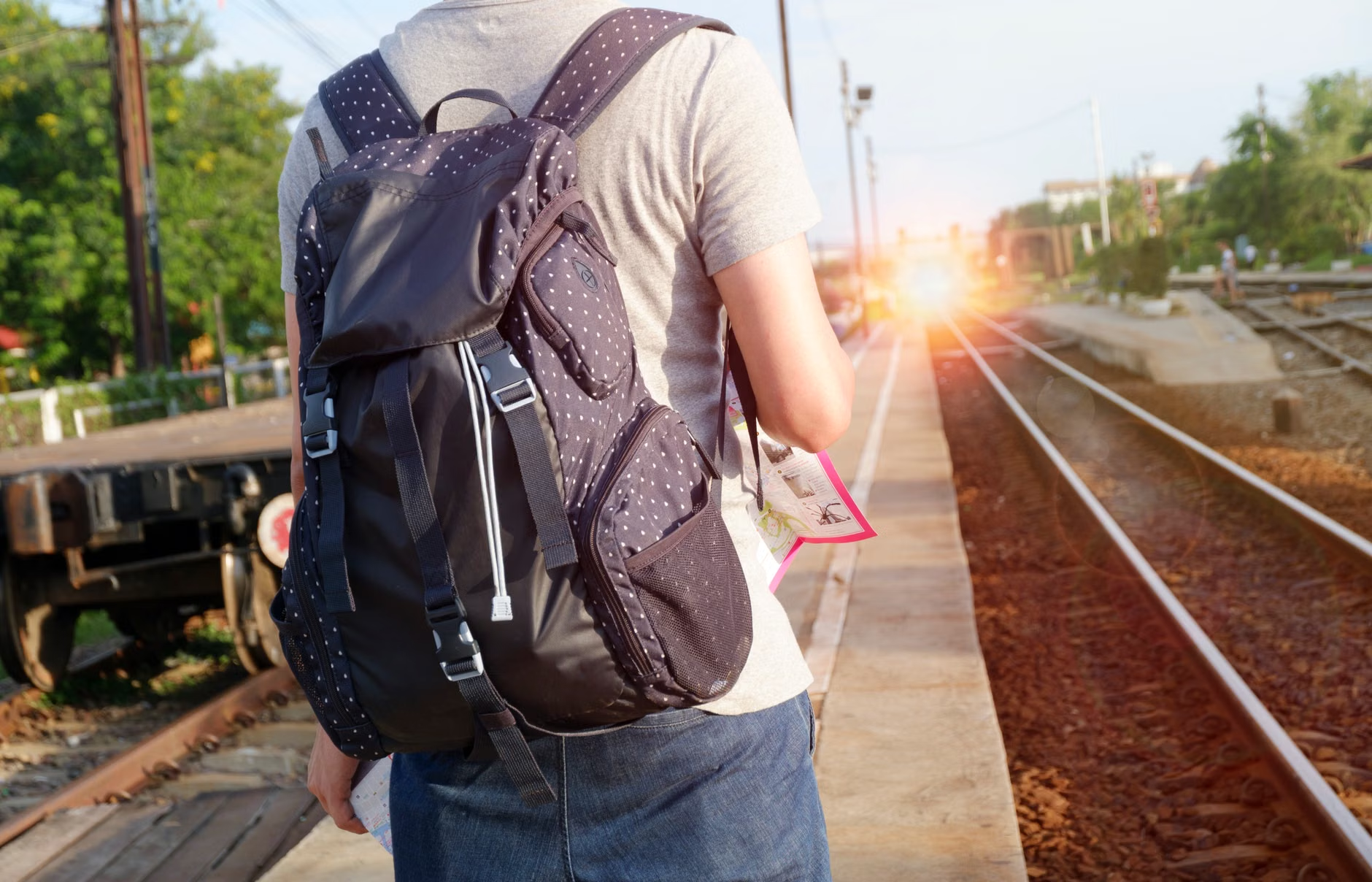
It is also essential to research the “station ecosystem.” A heritage station is often located in a historic town center, which is charming but can be a food desert if you arrive during the wrong hours. If your train arrives at 1:30 PM, you might find that every local cafe has closed its kitchen for the afternoon lull. Always pack a “survival lunch” that goes beyond standard snacks—think sandwiches, fruit, and enough water to last the entire duration of the trip plus a two-hour buffer for potential delays.
Comparing Booking Strategies: Direct vs. Package
Many operators offer “all-inclusive” packages that include train tickets, lunch, and a shuttle to a local attraction. While these look convenient, they often lock you into a rigid schedule that doesn’t account for a child’s sudden need for a bathroom break or a change in weather. Use the following table to decide which strategy fits your family’s temperament.
| Booking Type | Best For | Main Trade-off |
|---|---|---|
| Independent Booking | Families who want to control their own schedule and save money. | Requires more research and risk of missing connections. |
| All-Inclusive Package | Parents who want zero decision-making stress during the trip. | High cost and zero flexibility if plans change. |
| Hybrid (Train + Own Lunch) | The “Sweet Spot” for most families. | Requires carrying extra gear (food/drink). |
For most parents, the Hybrid approach is the most sustainable. You book the train and the destination activity independently, but you maintain control over your food and your pace. This avoids the “forced march” feeling of a guided tour while ensuring you aren’t scrambling for tickets on the day of travel.
Managing the “Boredom Factor” Inside the Carriage
Even on the most scenic route, kids will eventually hit a wall. Heritage trains do not have Wi-Fi, and often, cellular service is spotty due to the remote coastal geography. Do not count on streaming services to keep the children occupied. You need to pivot to “analog entertainment.”
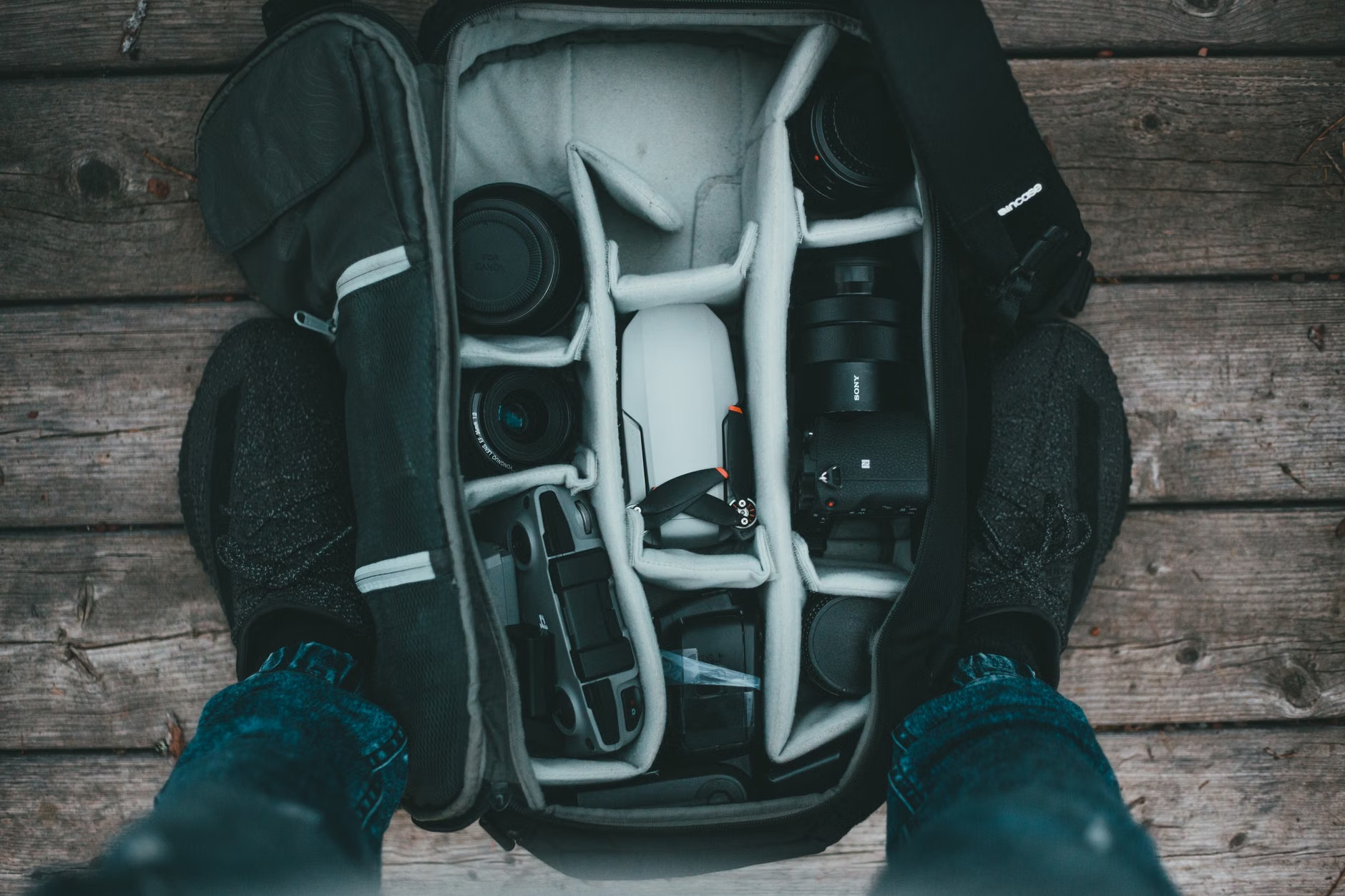
Prepare a “Train Kit” that stays in your backpack. This shouldn’t be a collection of loose toys that will inevitably roll under the seats. Instead, focus on high-engagement, low-mess items. Magnetic travel games are excellent because they stay on the board even when the train vibrates. Coloring books with “no-mess” markers (the kind that only show color on the specific paper) are another life-saver. Avoid anything with small pieces that can fall into the floor gaps—a common mistake that leads to tears.
The most successful families I’ve observed on these routes are the ones who turn the journey into a game. Create a “Coastal Bingo” card before you leave home. Include items like “a lighthouse,” “a fishing boat,” “a seagull,” “a tunnel,” and “a waving passenger.” This keeps the children focused on the window rather than their screens. It forces them to engage with the environment, which is, after all, why you chose a heritage rail trip in the first place.
Hidden Costs and Practical Realities
It is easy to look at a ticket price and think you’ve budgeted correctly. However, heritage rail is an expensive hobby for the operator, and those costs are passed down. Be prepared for “ancillary fees” that aren’t immediately obvious. First, there is the parking situation. Many heritage stations are in historic districts where parking is either non-existent or prohibitively expensive. Factor in the cost of a taxi or a long-term parking garage fee near the station.
Second, the “On-Board” premium. The snack car on a heritage train is essentially a captive market. Expect to pay double what you would at a grocery store for a bottle of water or a bag of chips. This is not the time to be frugal; if the kids are hungry, pay the price. But knowing this in advance allows you to budget for it so you don’t feel “gouged” when you’re standing in line.
Third, the “Last-Mile” transport. Once you arrive at your destination town, how are you getting to the beach or the town center? If you didn’t bring a car, you are at the mercy of local taxis or buses. Check the local transit app or have the number of a local taxi company saved in your phone before you even board the train. Nothing ruins the end of a beautiful day like being stranded at a remote station with tired kids and no way to get back to your hotel.
Step-by-Step Execution: From Planning to Arrival
If you are ready to commit to this, follow this sequence to minimize stress:
- Two Months Out: Check the heritage line’s official website. Many of these routes only run on weekends or seasonal schedules. Check if they offer “First Class” or “Observation Car” seating. On a coastal route, the extra 20% cost for an observation car is almost always worth it for the wider windows and extra legroom.
- One Month Out: Book your tickets. If you are traveling as a group of four or more, confirm that you can sit together. Some older carriages have a 2-2 configuration, while others have bench seating. If you are stuck with bench seating, you will be facing strangers—be prepared for that social aspect.
- One Week Out: Check the long-range weather. Coastal rail lines are highly susceptible to fog and wind. If the forecast looks like a total washout, have a “Plan B” indoor activity in the destination town ready to go.
- The Night Before: Pack your “Train Kit.” Charge all power banks. Double-check that your camera or phone has enough storage for the photos you are definitely going to take.
- The Morning Of: Arrive at the station 45 minutes early. This is not for the train, but for the experience. Let the kids watch the locomotive being prepped or the staff signaling. This builds excitement and sets a positive tone for the trip.
Why This Matters for Your Family
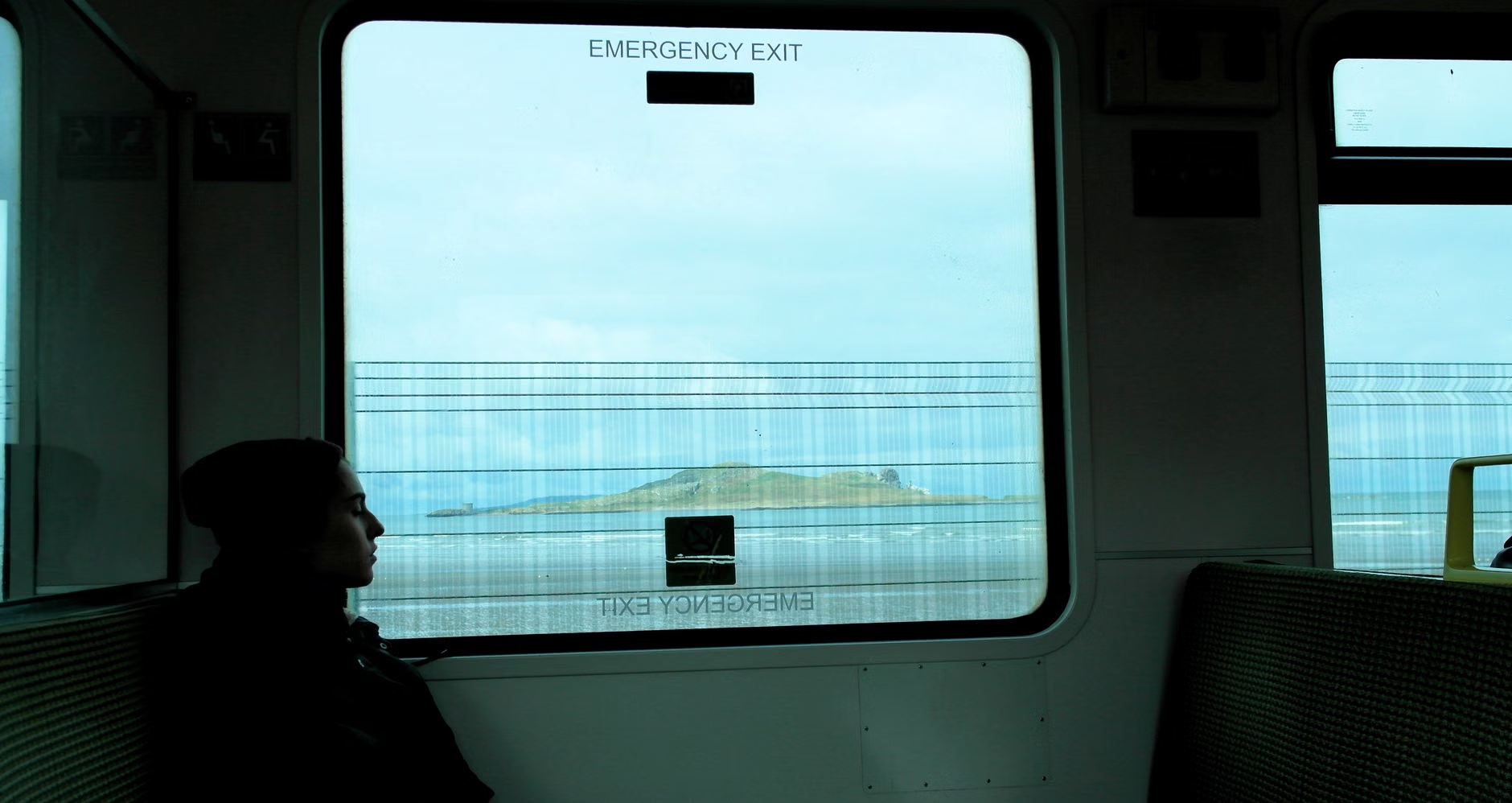
In our current lives, we are constantly multitasking. We answer emails while we cook dinner; we listen to podcasts while we walk the dog. A heritage-rail trip is one of the few remaining opportunities to do literally one thing: look at the world moving by. For a child, this is a rare window into a slower pace of life. For a parent, it is an enforced break from the digital grind.
Don’t be discouraged if the kids don’t appreciate the “historical significance” of the steam engine. They are there for the experience, not the history lesson. If they end up spending half the time playing with their toys, that is okay. You are still providing them with a memory of a day spent in a beautiful place, disconnected from the usual noise. That is a success, regardless of whether they learned anything about the 19th-century rail gauges.
The most important takeaway is to keep your expectations flexible. If the train is delayed—which happens often with heritage lines—don’t let it ruin your mood. Treat the delay as part of the “heritage experience.” Take the extra time to grab a coffee at the station, read a book, or just sit on the platform and breathe in the coastal air. The track isn’t going anywhere, and the ocean will still be there when you arrive.
Frequently Asked Questions
Q: Should I bring a stroller on a heritage train?
A: Only if it is a compact, umbrella-style stroller. Most heritage carriages have narrow aisles and very limited storage space. If you have a large “travel system” stroller, it will likely need to be checked in the luggage van, which means you won’t have access to it during the ride. If your child is at the age where they can use a baby carrier, that is almost always a better choice for this type of travel.
Q: Are heritage trains loud?
A: Yes, particularly steam trains. They can be quite noisy, and the vibration is much more pronounced than on modern rail. If you or your children are sensitive to loud noises, bring noise-canceling headphones or earplugs. It’s also worth noting that the smell of coal smoke can be intense in the carriages closest to the engine; if you are sensitive to smells, book your seats in the middle or rear of the train.
Q: What happens if the weather is bad?
A: Most heritage lines operate rain or shine, as the scenery is considered part of the experience even in misty or overcast conditions. However, if there is extreme weather (like gale-force winds that threaten coastal track safety), they will cancel. Always check your email on the morning of the trip for any service alerts. If they do cancel, they will typically offer a full refund or a voucher for a future date—make sure you understand their specific cancellation policy at the time of booking.
For more information on specific routes, you can check the Heritage Railway Association (UK) or the National Park Service (US) if you are looking at scenic lines within American national parks, as they often maintain lists of historic routes. Always cross-reference these with the individual operator’s website before finalizing your plans.
Ultimately, a coastal heritage-rail trip is a lesson in patience and perspective. Take the time to plan the logistics, pack the essentials, and then let go of the need for perfect efficiency. The best part of the trip won’t be the train itself, but the shared experience of watching the coastline unfold, one mile at a time, together.