- Redefine the “Social” Metric: The zero-proof trend isn’t about abstinence; it’s about choosing high-quality, alcohol-free alternatives that allow you to maintain professional sharpness and personal wellness during the busy holiday season.
- Master the “Drink-and-Dash” Strategy: You can effectively manage social expectations at office events by holding a complex, non-alcoholic drink that signals participation without inviting questions about your choices.
- Prioritize the Next Morning: For professionals in their 30s and 40s, the “hangover tax” is significantly higher; opting for zero-proof beverages ensures you remain fully functional for family commitments and career responsibilities the following day.
The office holiday party has long been a source of anxiety for the mid-career professional. You’re balancing the desire to network, the pressure to “let your hair down” with colleagues, and the reality that you have a 6:00 AM alarm, a toddler who wakes up at dawn, or a high-stakes presentation the next day. The rise of the “zero-proof” movement—the shift toward sophisticated, non-alcoholic beverages—is arguably the best thing to happen to the corporate calendar in decades.
It’s not just about avoiding a headache. It’s about agency. When you choose a non-alcoholic craft cocktail, you are intentionally deciding how you want to show up at work and at home. As we navigate the end-of-year festivities, let’s look at how to embrace this trend without feeling like the odd one out.

Why the Zero-Proof Trend is Your Secret Professional Weapon
For those of us in our 30s and 40s, the “work hard, play hard” mentality of our 20s often crashes into the reality of modern life. A single glass of wine at a Tuesday evening office mixer can lead to a sluggish Wednesday morning, which ripples into your productivity and your ability to manage family life. The zero-proof trend is gaining traction precisely because it solves this friction.
Zero-proof, or “mocktail” culture, has evolved from syrupy, juice-heavy mixes to complex, botanical-infused drinks that mirror the experience of a craft cocktail. Think distilled non-alcoholic spirits that use juniper, coriander, and citrus peels to replicate the bite of gin, or bitters that provide the depth of an aperitif. When you hold one of these in a proper glass, you aren’t “missing out”—you are participating in the social ritual with a functional, sophisticated alternative.
From a career perspective, there is a distinct advantage to being the person who is present, sharp, and observant. While others start to lose their professional filter as the open bar takes its toll, you remain the steady hand. It’s a subtle but powerful way to build a reputation for reliability and composure.
The Art of the “Drink-and-Dash” Without the Social Stigma
One of the biggest hurdles at office events is the “What are you drinking?” question. People often view a non-alcoholic choice as an implicit judgment on their own drinking habits. To navigate this smoothly, you need a strategy that keeps the focus on the conversation, not the contents of your glass.
The “Complex Glass” Rule: Never ask for a plain soda water in a plastic cup. It looks like you’re waiting for something else. Instead, ask the bartender for a soda with a splash of lime and bitters, or a tonic with a twist of grapefruit. When your glass looks like a cocktail, most people assume it is one, and the conversation moves on immediately.
The “I’m Driving/Training/Early Start” Pivot: If you are pressed by a colleague, keep your explanation brief and forward-looking. “I’ve got a massive project/early gym session/school run tomorrow, so I’m sticking to the zero-proof stuff tonight so I can hit the ground running.” This framing is universally respected. Nobody questions someone who is prioritizing their performance or family responsibilities.
The “Taste-Testing” Defense: If you are in a setting where you want to be more social about your choice, frame it as an exploration. “I’m actually really impressed with these new botanical spirits; they have all the complexity without the heavy feeling.” This turns your drink into a conversation starter rather than a point of contention.
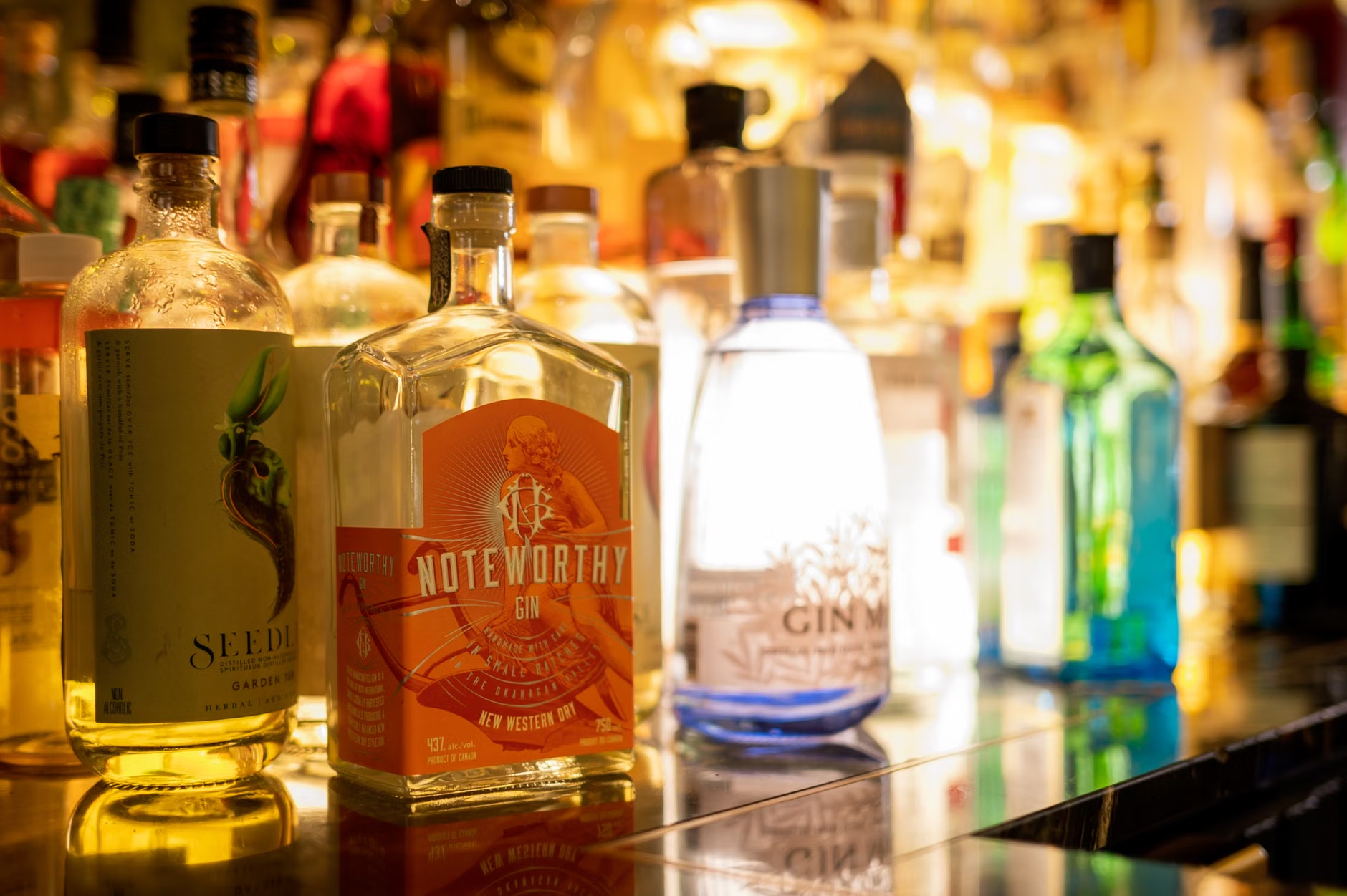
Comparing Your Beverage Options at a Corporate Event
When selecting your drink, it helps to know what you are actually getting. The following table breaks down the typical experience of choosing between standard alcohol, soft drinks, and modern zero-proof alternatives.
| Drink Category | Social Signal | Next-Day Impact | Best For |
|---|---|---|---|
| Standard Alcohol | Participatory/Traditional | High; potential for “hangover tax” | Events where you are off the clock |
| Standard Soda/Juice | “I’m not drinking” | Negligible | Quick, casual office lunches |
| Zero-Proof Botanicals | Sophisticated/Intentional | Zero | Networking, evening mixers, formal parties |
As the table highlights, zero-proof botanicals occupy a unique space. They provide the social signal of a cocktail—the ritual of holding a glass, the aesthetic appeal, and the complex flavor profile—without the physiological cost. This makes them the superior choice for professionals who need to maintain their “A-game” during a demanding holiday season.
Managing the “Hangover Tax” and Your Morning Routine
The “hangover tax” is a reality for anyone in their 30s or 40s. Whether it’s a full-blown headache or just the “brain fog” that makes writing a report feel like climbing a mountain, the cost of an evening of drinking is rarely worth the temporary social lubrication. When you opt for zero-proof, you are essentially investing in your own morning efficiency.
Consider the “Morning-After” scenario. If you attend a holiday party and drink alcohol, your sleep cycle is disrupted, regardless of whether you feel “drunk.” Alcohol suppresses REM sleep, meaning you wake up less rested. For a parent, that means a harder time dealing with a toddler who needs breakfast, or for a professional, it means less mental bandwidth for that 9:00 AM meeting.
By choosing zero-proof, you are preserving your REM sleep. You wake up with your nervous system intact. This isn’t just about avoiding a headache; it’s about maintaining the emotional patience required for parenting and the cognitive sharpness required for leadership. It is a proactive life-management strategy disguised as a beverage choice.

Common Mistakes to Avoid at Holiday Gatherings
Even with the best intentions, it is easy to fall into traps that make your zero-proof choice feel like a chore. Here are the most common pitfalls and how to avoid them.
1. The “Apology” Trap: Never apologize for not drinking. The moment you say, “I’m sorry, I’m not drinking tonight,” you create a power imbalance. You are not doing anything wrong. You are making a choice. Simply state what you are doing with confidence, and the room will follow your lead.
2. The “Sugar Overload”: Many non-alcoholic options at events are just juice and syrup. If you drink four glasses of sugary mocktails, you will crash, feel bloated, and have a sugar-induced headache that feels remarkably like a hangover. Opt for “dry” zero-proof options—tonic water, bitters, or distilled botanical spirits that are low in sugar.
3. Ignoring the “Exit” Strategy: Just because you aren’t drinking doesn’t mean you have to stay until the lights come up. If the conversation has devolved or the environment is no longer serving you, use your “early start” as a valid reason to exit gracefully. A polite, “I’ve had a great time catching up with everyone, but I need to head off to be fresh for tomorrow,” is the perfect exit line.
Building Your Personal “Zero-Proof” Toolkit
If you are hosting or want to influence the menu at your next office event, don’t be afraid to speak up. Companies are increasingly looking for ways to be more inclusive of all dietary and lifestyle choices. Suggesting a “Zero-Proof Bar” is often welcomed by HR departments looking to promote wellness.
The “Base” Approach: If you are planning an office event, focus on three pillars:
- Bitters: A bottle of Angostura or orange bitters is a game-changer. A few dashes in soda water with a lime wedge is a classic, sophisticated drink that costs pennies but tastes like a professional cocktail.
- Botanicals: If the budget allows, stock a few bottles of non-alcoholic spirits like Seedlip or Lyre’s. They provide the “burn” and complexity that plain mixers lack.
- Garnishes: This is the secret. Fresh rosemary, cucumber ribbons, or dried citrus wheels elevate a drink from “soda” to “cocktail.” It signals that effort has been made, which makes the drinker feel included in the party atmosphere.
These elements are cost-effective and signal to your team that you value their experience, not just their presence. It transforms the “I’m not drinking” moment into “I’m exploring this new drink,” which changes the entire dynamic of the conversation.
The Deeper Benefit: Maintaining Your Professional Brand
Your “brand” at work is the sum of your actions, your consistency, and your reliability. In the context of holiday parties, the most memorable people are often those who are present and engaging. Alcohol can sometimes act as a barrier to authentic connection; it can lead to oversharing, memory gaps, or the perception of being “that person” who pushed it too far.
By staying zero-proof, you control the narrative. You are the person who remembers the conversation about the new project. You are the one who provides the insightful follow-up email the next day. You are the one who is actually enjoying the festive atmosphere rather than trying to survive it. This consistency is what builds long-term professional trust.
Furthermore, consider the inclusive aspect. By normalizing the choice not to drink, you are creating a safer space for colleagues who may have health, religious, or personal reasons for not consuming alcohol. You are effectively leading by example, showing that the “holiday spirit” is about community, not the alcohol content in your glass.
The Final Verdict: Why You Should Pivot This Year
The zero-proof trend is not a fleeting fad; it is a shift toward intentional living. For those of us in our 30s and 40s, the benefits—clearer mornings, better sleep, more consistent professional performance, and the ability to be present for our families—far outweigh the temporary social “comfort” of a standard drink.
This holiday season, I encourage you to try the pivot. Don’t frame it as a deprivation. Frame it as an upgrade. When you walk into that office party, look for the complex, well-garnished zero-proof option. Hold it with the same confidence you’d hold a glass of champagne. You’ll be surprised at how few people notice the difference, and how much better you feel when you wake up the next morning, ready to tackle the day.
You aren’t just surviving the office holiday season; you’re mastering it. And that, in itself, is something worth celebrating.
Frequently Asked Questions
1. What if my boss or a senior colleague insists I have a drink?
This is a common social pressure, but it’s rarely as aggressive as we imagine. A simple, “I’m pacing myself for the long haul tonight, but I’d love a soda with a twist of lime if you’re heading to the bar,” is usually enough. If they push, a quick, “I have a big day tomorrow and want to be on my game,” is a professional, unassailable reason that shuts down further inquiry.
2. Are non-alcoholic spirits actually worth the price tag?
They are premium products that require complex distillation processes to remove the alcohol while retaining the flavor. While they are more expensive than a standard soda, they are still significantly cheaper than high-end alcohol. Use them for special occasions or holiday events where you want a “treat” drink, but don’t feel the need to use them for everyday hydration.
3. How can I handle the social awkwardness of not drinking in a “heavy-drinking” office culture?
The awkwardness is usually internal. Most people are far more focused on their own drink or their next conversation than they are on yours. By confidently holding a “complex” drink, you signal that you are participating, which effectively removes the focus from your sobriety. If you find the culture is genuinely toxic regarding non-drinkers, that is a separate issue to address, but for the vast majority of workplaces, a “no thank you” with a smile is all that is required.
For more information on the evolving landscape of workplace wellness and alcohol-free trends, you can refer to resources like The World Health Organization’s facts on alcohol consumption or industry reports on the rise of the “sober-curious” movement in professional environments.