Key Takeaways
- Zero-proof does not mean juice boxes: Elevate your menu by using botanical spirits, house-made shrubs, and complex bitters to replicate the mouthfeel and depth of traditional cocktails.
- Communication is your best tool: Set the tone early by framing the event as a “curated beverage experience” rather than an “alcohol-free party” to manage guest expectations gracefully.
- The “Third Space” effect: Creating a dedicated, beautiful station for non-alcoholic drinks ensures guests feel invited to participate in the ritual of drinking, regardless of the ABV content.
The most successful zero-proof holiday party is one where your guests don’t spend the entire evening wondering where the gin went. If you are planning to host an alcohol-free gathering this season, the secret isn’t just swapping out wine for sparkling grape juice—it’s about replacing the ritual of drinking with something equally sophisticated.
For those of us in our 30s and 40s, the “sober-curious” movement is less about abstinence and more about intentionality. We want the conversation, the festive atmosphere, and the craft, but we also want to wake up the next morning ready to handle the chaos of family life. Hosting a zero-proof event requires a shift in perspective: you aren’t removing a component; you are upgrading the entire beverage program.
Why Your Drink Menu Needs a Structural Overhaul
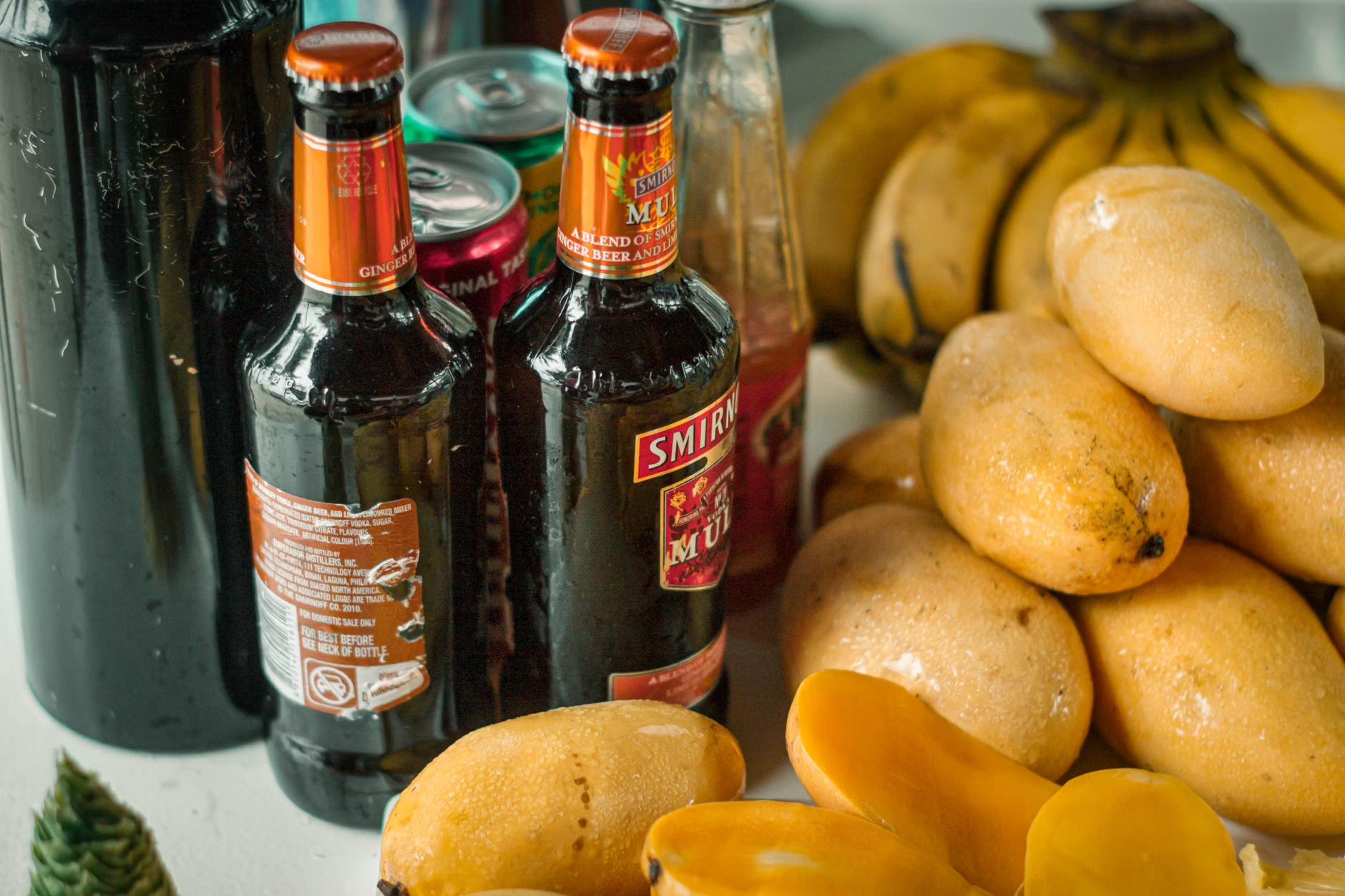
When you strip alcohol from a holiday party, you lose the “crutch” of easy-to-pour wine or pre-mixed punch. If you don’t replace that with something intentional, you end up with a collection of sodas that feel like a middle school dance. The goal of a zero-proof host is to offer complexity.
Alcohol provides three things in a cocktail: heat (the burn), body (the viscosity), and flavor depth. To replicate this, you need to lean into ingredients that offer tannins, acidity, and spice. Think of your bar cart as a kitchen. If a dish is flat, you add salt or acid; do the same for your drinks.
| Element | Goal | Example Ingredients |
|---|---|---|
| Acidity | Cuts sweetness and mimics the brightness of wine. | Verjus, apple cider vinegar, fresh citrus, shrubs. |
| Tannins | Provides the “dry” mouthfeel of red wine or spirits. | Strongly brewed black tea, pomegranate juice, oak chips. |
| Spice/Heat | Simulates the “burn” of alcohol. | Ginger, chili, peppercorns, non-alcoholic botanical spirits. |
The common mistake is over-sweetening. Many store-bought “mocktails” are essentially fruit juices with high sugar content, which leads to palate fatigue within an hour. Aim for a profile that is “savory-forward.” When you build your menu, ensure at least two of your options are dry or bitter, not just sweet.
Managing Guest Expectations Without Being Preachy
If you are accustomed to serving alcohol, your friends might be surprised by a sudden shift. The key to avoiding awkwardness is proactive, casual communication. You don’t need to issue a manifesto about your health goals or the social benefits of sobriety.
Frame it as a “curated experience.” For example, when sending invitations, you might write: “We’re really excited to try out some incredible new botanical distillers and artisanal shrubs this year, so we’re hosting a fully zero-proof cocktail evening.”
By framing it as an exploration of new flavors rather than a restriction, you turn the lack of alcohol into a point of interest. People in their 30s and 40s generally appreciate a well-thought-out theme. If you treat the zero-proof menu with the same seriousness as a wine pairing, your guests will follow your lead.
However, be prepared for the “guest who brings their own.” If someone shows up with a bottle of wine, handle it with grace. Have a corkscrew ready and a few spare glasses. Hosting is about making people feel comfortable; if they insist on having a drink, let them. Your job isn’t to police their intake, but to provide a compelling, high-quality alternative that they might actually prefer.
The “Third Space” Strategy: Designing Your Beverage Station
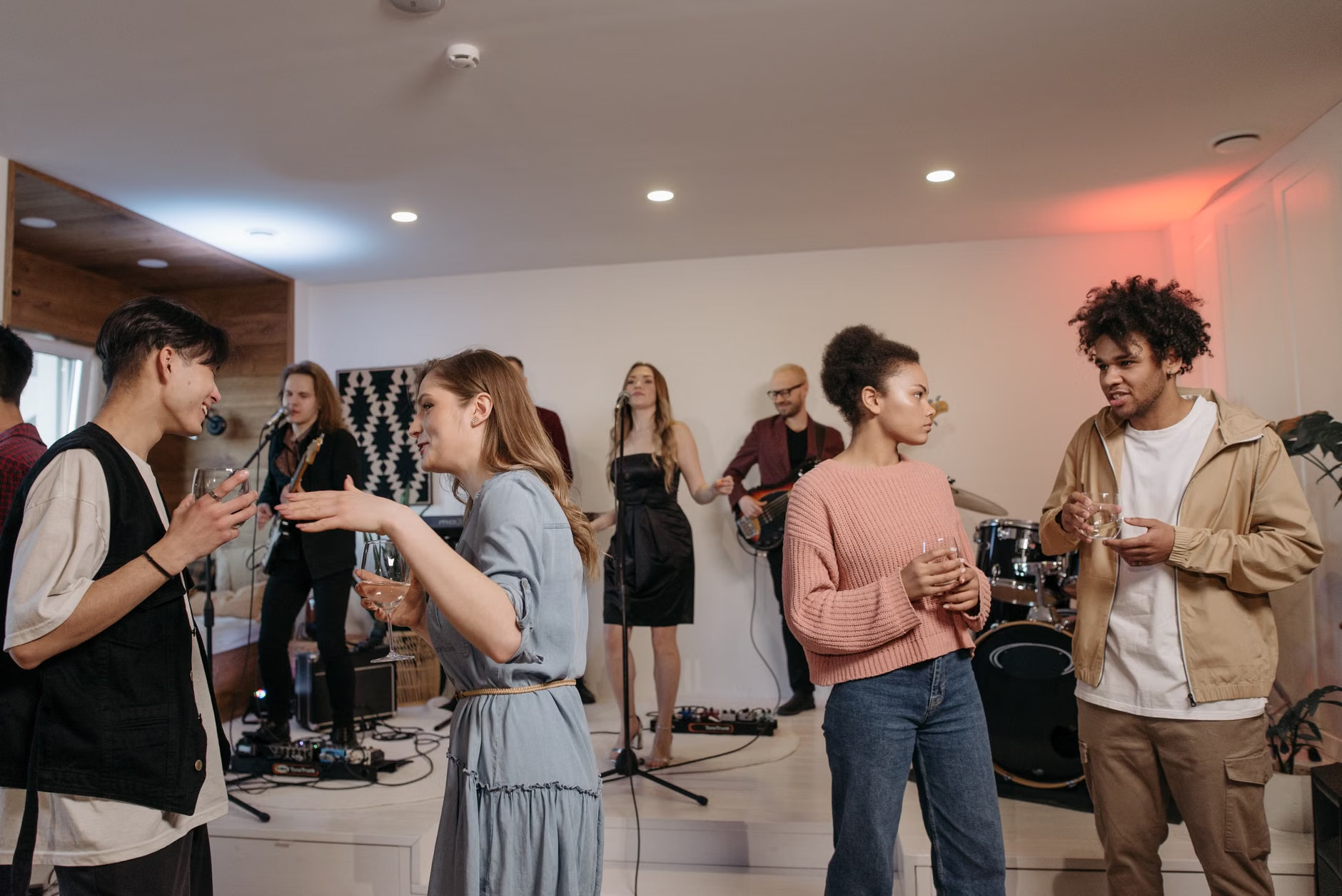
In a standard party, the bar is the social hub—the “third space” where people congregate to break the ice. If you move your drinks to a sad corner of the kitchen or keep them hidden in the fridge, you lose that social anchor. You must create a physical station that looks like a destination.
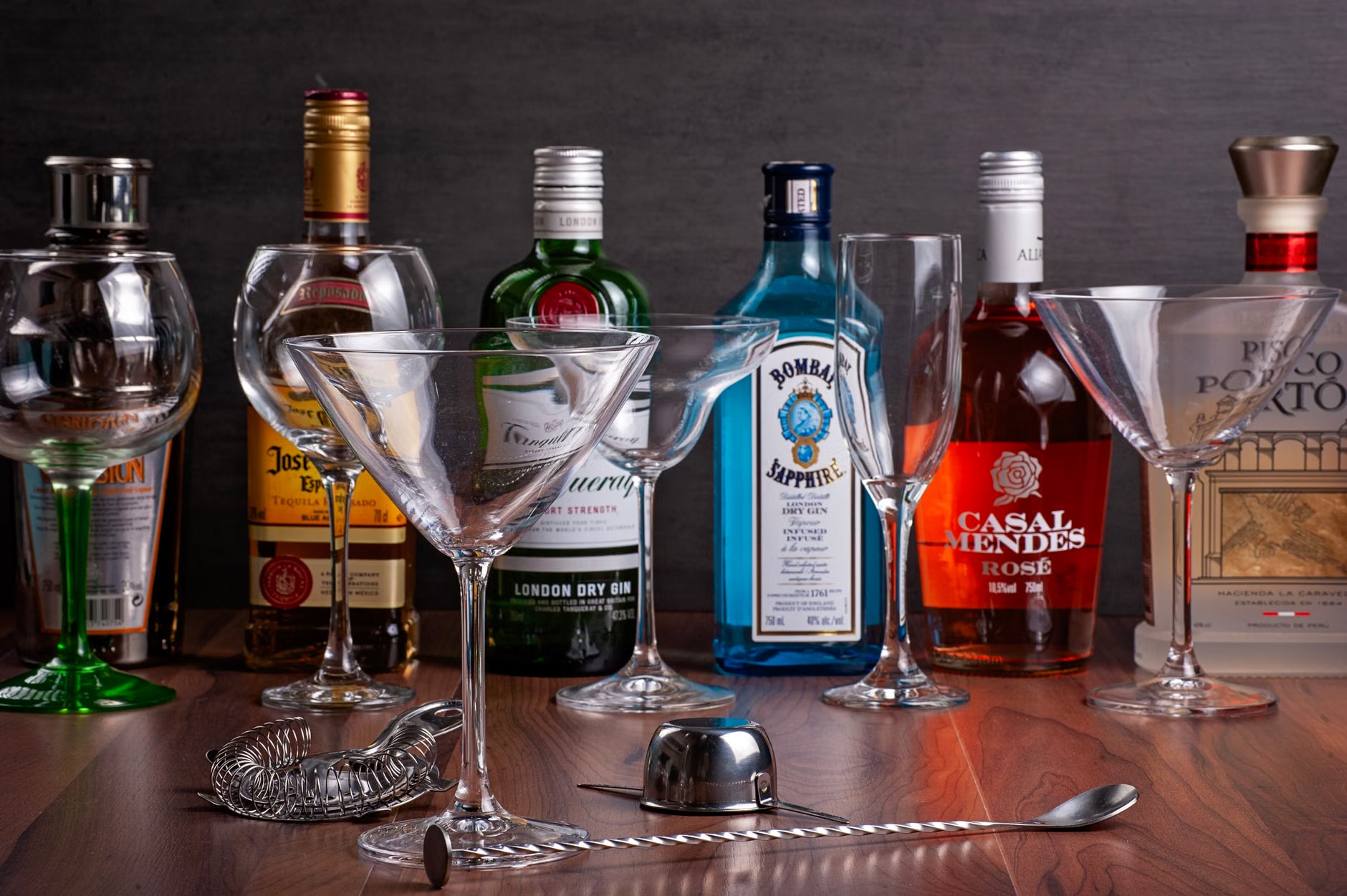
Use a designated side table or bar cart. Invest in good glassware. If you are serving a sophisticated botanical tonic, don’t serve it in a plastic cup. The vessel changes the perception of the drink. Use high-quality ice (large cubes if possible), fresh garnishes (rosemary sprigs, dehydrated citrus wheels, star anise), and clear, elegant signage.
Building a “Build-Your-Own” Mocktail Bar
If you want to keep the mood light and interactive, a DIY station is your best friend. It takes the pressure off you as the host to constantly play bartender. Here is how to structure it effectively:
- The Base: Provide high-quality sparkling waters (plain, mineral, or tonic).
- The “Spirits”: Offer 1–2 high-end non-alcoholic spirit alternatives (distilled non-alcoholic gins or amaros are widely available now).
- The Modifiers: Provide 3–4 house-made syrups or shrubs (e.g., spiced cranberry, honey-thyme, ginger-turmeric).
- The Garnish Bowl: Keep this overflowing. Herbs, citrus peels, edible flowers, and spices.
This setup allows guests to customize their drink strength and flavor profile. It acts as an ice-breaker, as guests will naturally start comparing their “concoctions” and asking one another what they added.
Common Pitfalls and How to Pivot
Even with the best intentions, things can go sideways. Here are the common hurdles hosts face and how to navigate them in real-time.
The “It Tastes Like Water” Complaint: This usually happens when the drink lacks acid or bitterness. Keep a small bottle of high-quality saline solution (salt water) or a bottle of cocktail bitters (even if they have trace amounts of alcohol, they are often acceptable in zero-proof contexts, though check with your guests) behind the bar. A drop or two can completely transform a flat drink into a complex one.
The “Energy Slump”: Alcohol often acts as a social lubricant that keeps energy levels high. Without it, the party might hit a lull around 9:30 PM. To counter this, ensure your pacing is different. Serve your more complex, “sipping” drinks (the ones that mimic whiskey or dark spirits) later in the evening, and start with high-effervescence, bright, citrusy drinks. The bubbles keep the energy feeling festive and light.
The “Hidden Cost” of Premium Ingredients: People often assume zero-proof is cheaper. If you are buying high-end non-alcoholic spirits, it can actually be just as expensive as buying wine. Factor this into your budget. If you are on a tighter budget, focus on infusions. Making your own herb-infused simple syrups or cold-brewing specialty teas is significantly cheaper and often tastes better than mass-market mocktail bases.
The Importance of Mouthfeel and Presentation
The biggest reason people feel “lacking” when they drink a mocktail is the absence of texture. Alcohol provides a certain weight that coats the tongue. To replicate this, you need to think about carbonation and viscosity.
Carbonation is your best friend. It provides the “bite” that we associate with refreshing drinks. If you are serving a flat drink, it will inevitably feel like a juice box. Use a soda siphon or high-quality bottled sparkling water to ensure every drink is properly effervescent.
Viscosity can be added through syrups (like a rich 2:1 simple syrup) or by using ingredients like aquafaba (the liquid from a can of chickpeas). A small amount of aquafaba shaken with ice will create a beautiful, foamy head on a drink, mimicking the texture of a classic sour cocktail. It sounds strange, but it is a standard professional bartending trick that adds elegance to any glass.
Beyond the Glass: The Social Atmosphere
Hosting is about more than just what is in the cup. If you remove alcohol, you need to lean harder into the other elements of the party. Think about the lighting, the music, and the food. If the environment is warm and the food is engaging, the drink becomes a secondary component rather than the main event.
Focus on “grazing” food. When people aren’t drinking, they tend to snack more. Ensure you have a mix of textures and flavors on your appetizer table—salty, savory, and spicy foods pair exceptionally well with zero-proof drinks, which often have higher acidity than wine.
Consider the timing of your party. A holiday brunch or an early afternoon “open house” is often easier to manage without alcohol than a late-night dinner party. People expect coffee and juice in the morning, which makes the transition to zero-proof drinks feel natural and expected.
Refining Your Approach: A Checklist for Success
Before you host, walk through this checklist to ensure you haven’t missed the subtle details that make a party feel professional:
- The Ice Test: Do you have enough ice? You will need more than you think, especially if people are making their own drinks. Buy twice as much as you think you need.
- The Glassware Audit: Do you have enough variety? A stemmed glass makes a drink feel like a “cocktail,” while a heavy rocks glass makes it feel like a “spirit.” Having both options changes the experience.
- The “Emergency” Stash: Keep a few bottles of high-end, sparkling cider or craft sodas in the fridge. If a guest is truly struggling, having a “known” quantity can be a safety net.
- The Flavor Balance: Taste every recipe you plan to serve. If you are using a recipe you found online, cut the sugar by 25% and see if you like it better. Most online mocktail recipes are designed for a sweet tooth that many adults have outgrown.
Remember that the goal isn’t to be a mixologist; the goal is to be a host. Your guests are there to see you. If you are relaxed and confident about the menu, they will be too. If you are constantly apologizing for the lack of alcohol, that anxiety will translate to the room. Own your choice, present your drinks with pride, and keep the focus on the holiday cheer.
Frequently Asked Questions
Is it necessary to label my drinks as “mocktails” or “non-alcoholic”?
It is generally better to label them by their flavor profile (e.g., “Spiced Pomegranate Fizz”) rather than focusing on what they aren’t. Using the word “mocktail” can sometimes feel dismissive or imply that the drink is a “fake” version of something better. Treat them as standalone craft beverages.
How do I handle guests who might be disappointed by the lack of alcohol?
The best way to handle this is to provide such a high-quality, thoughtful experience that the disappointment fades. If someone is genuinely upset, remember that you are the host—you get to set the parameters of your home. You don’t need to justify your choices, but you can be empathetic. “I know it’s a bit different this year, but I’m really excited for you to try this specific blend; I think you’ll be surprised by how complex it is.”
Are there any specific “must-have” ingredients for a zero-proof holiday bar?
Focus on ingredients that offer depth. A bottle of high-quality non-alcoholic botanical spirit (like Seedlip or similar brands), a bottle of good quality balsamic or apple cider vinegar for shrubs, a selection of fresh herbs (rosemary, thyme, sage), and a variety of citrus (lemons, limes, blood oranges) will cover 90% of your needs. Don’t forget a good supply of high-quality sparkling water—the carbonation is vital for the “cocktail” experience.
Hosting is a skill, and like any other, it gets better with practice. By focusing on the quality of your ingredients and the intentionality of your setup, you can create a memorable holiday gathering that leaves everyone feeling refreshed, connected, and ready for the next day. Cheers to a different kind of celebration.
For more information on the evolving landscape of zero-proof beverages and professional tips on mocktail construction, you can explore resources from organizations like the Distilled Spirits Council regarding the growth of the non-alcoholic category, or check out professional mixology guides on platforms like Difford’s Guide for non-alcoholic flavor pairing concepts.