Key Takeaways
- Prioritize the “Bridge”: The attachment-first transition relies on creating a psychological bridge between home and school, ensuring the child feels securely connected to you even when apart.
- Predictability is Security: Children in their early years manage anxiety through routine; establishing a consistent, low-stress drop-off ritual is more effective than long, emotional goodbyes.
- Independence is a Byproduct: True autonomy in the classroom isn’t achieved by “forcing” a child to be brave; it is the natural outcome of a child feeling safe enough to explore their new environment.
The most effective way to help your child transition to school isn’t to push them toward independence, but to anchor them in security so they can reach for it themselves. When we talk about an “attachment-first” approach, we aren’t suggesting you hover in the classroom or avoid the inevitable separation. Instead, we’re talking about a strategy that respects the child’s biological need for a “secure base” before they can successfully navigate the world of peers, teachers, and academic demands.
If you’re currently staring down the barrel of a new school term, you’re likely balancing your own anxiety about your child’s well-being with the logistical nightmare of school supplies, uniform fittings, and schedule adjustments. It’s a lot. But the emotional transition is the part that often dictates how the rest of the school year unfolds.
Why the “Attachment-First” Model Outperforms Conventional “Tough Love”
There is a persistent, outdated school of thought that suggests the best way to get a child to adjust to school is to “rip the bandage off”—drop them at the gate, ignore the tears, and leave as quickly as possible. While this might stop the crying in the moment, it doesn’t necessarily build resilience. In fact, for many children, it simply causes them to “shut down” their attachment system because they’ve learned that their distress doesn’t elicit a response.
An attachment-first approach operates on the understanding that a child who feels seen and heard before they leave is more likely to feel safe enough to explore when they arrive. This isn’t about coddling; it’s about emotional regulation. When a child’s attachment needs are met, their nervous system shifts from “fight or flight” (anxiety) to “rest and digest” (learning). You cannot effectively learn when your brain is scanning the room for your primary caregiver.
Think of it like a docking station. Your child needs to be fully “charged” with connection before they undock for the day. If they leave the house with a low battery, they will spend their entire school day trying to find connection in places that aren’t equipped to provide it, which often manifests as behavioral issues, exhaustion, or academic avoidance.
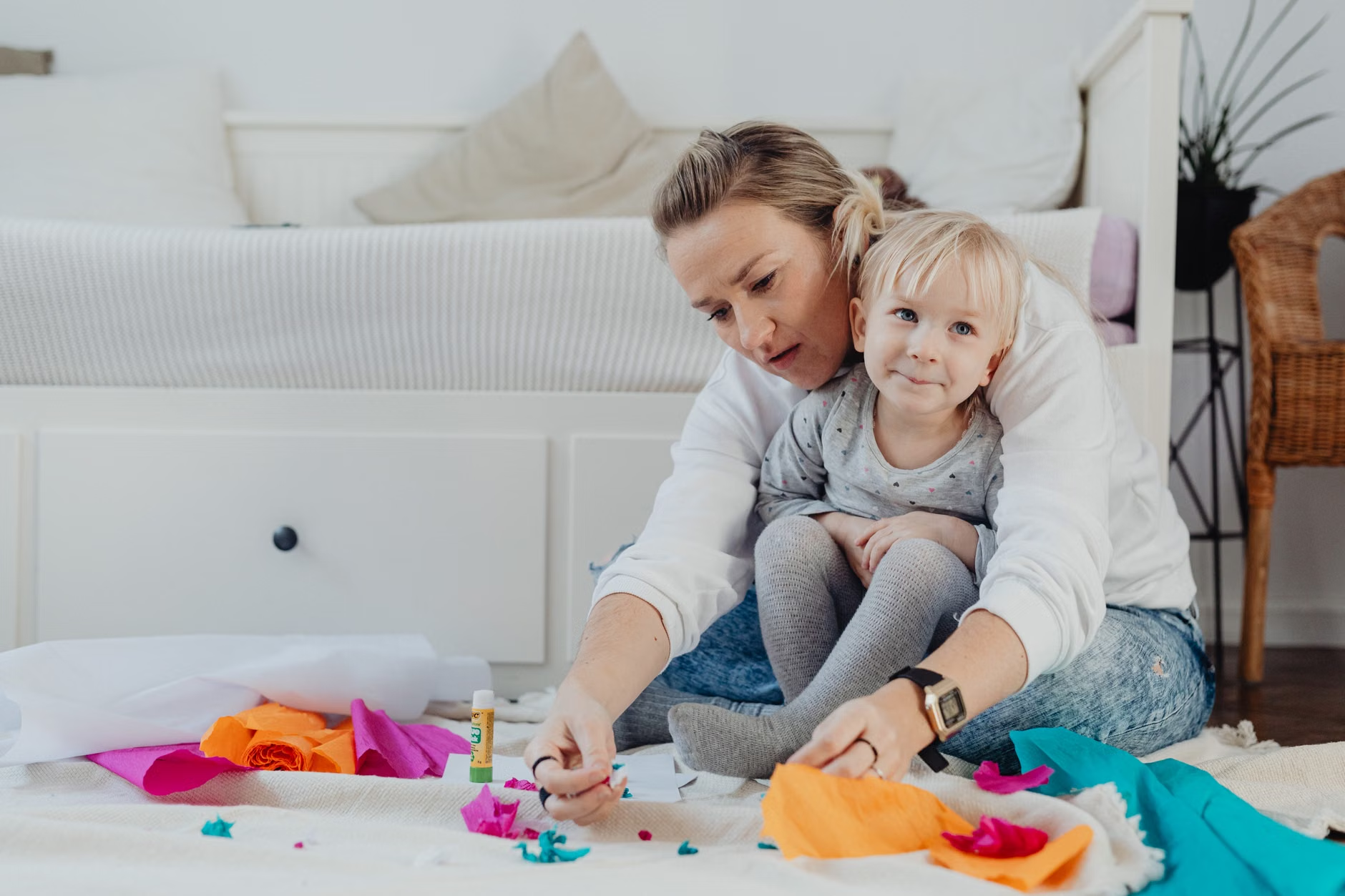
The Mechanics of a Secure Drop-off Ritual
The “drop-off” is the moment of truth. It is the transition point where the world of home and the world of school collide. Most parents make the mistake of making this moment too long or, conversely, too cold. The goal is to make it predictable and brief.
A predictable ritual acts as a cognitive anchor. If your child knows exactly what happens before you leave—perhaps a specific handshake, a “love note” hidden in their pocket, or a quick check of the calendar—they don’t have to waste energy wondering if or when you are leaving. They know the sequence, which gives them a sense of control.
Designing Your Daily Transition Protocol
To implement this, break the morning down into three distinct phases:
| Phase | Goal | Actionable Step |
|---|---|---|
| The Buffer | Low-stimulation connection | Spend 10 minutes doing something quiet together (reading, drawing) before the rush begins. |
| The Ritual | Predictable goodbye | Use a physical token, like a matching bracelet or a small stone, to signify the connection remains. |
| The Departure | Confidence and clarity | State clearly: “I am going, and I will be back at [Time/Event].” |
The “Buffer” is crucial. If the morning is a whirlwind of “put your shoes on,” “eat your toast,” and “we’re late,” your child’s cortisol levels are already peaking. By the time they reach the school gate, they are already over-stimulated. By carving out a ten-minute “attachment window” where no demands are placed on the child, you provide the emotional fuel they need to handle the sensory overload of the classroom.
The Role of Transitional Objects: Beyond the Security Blanket
We often think of transitional objects as being for toddlers, but the need for a physical tether to home persists well into the early primary school years. A transitional object is anything that carries the “scent” or the “feeling” of the parent. It serves as a bridge, allowing the child to carry a piece of their secure base into the school environment.
Common mistakes here include choosing items that are too distracting for the classroom or forbidden by school policy. Instead, aim for something small and discreet. A laminated photo of the family, a small stone found in the garden, or a piece of fabric that smells like home. The key is that the object serves as a physical reminder of the parent’s availability.
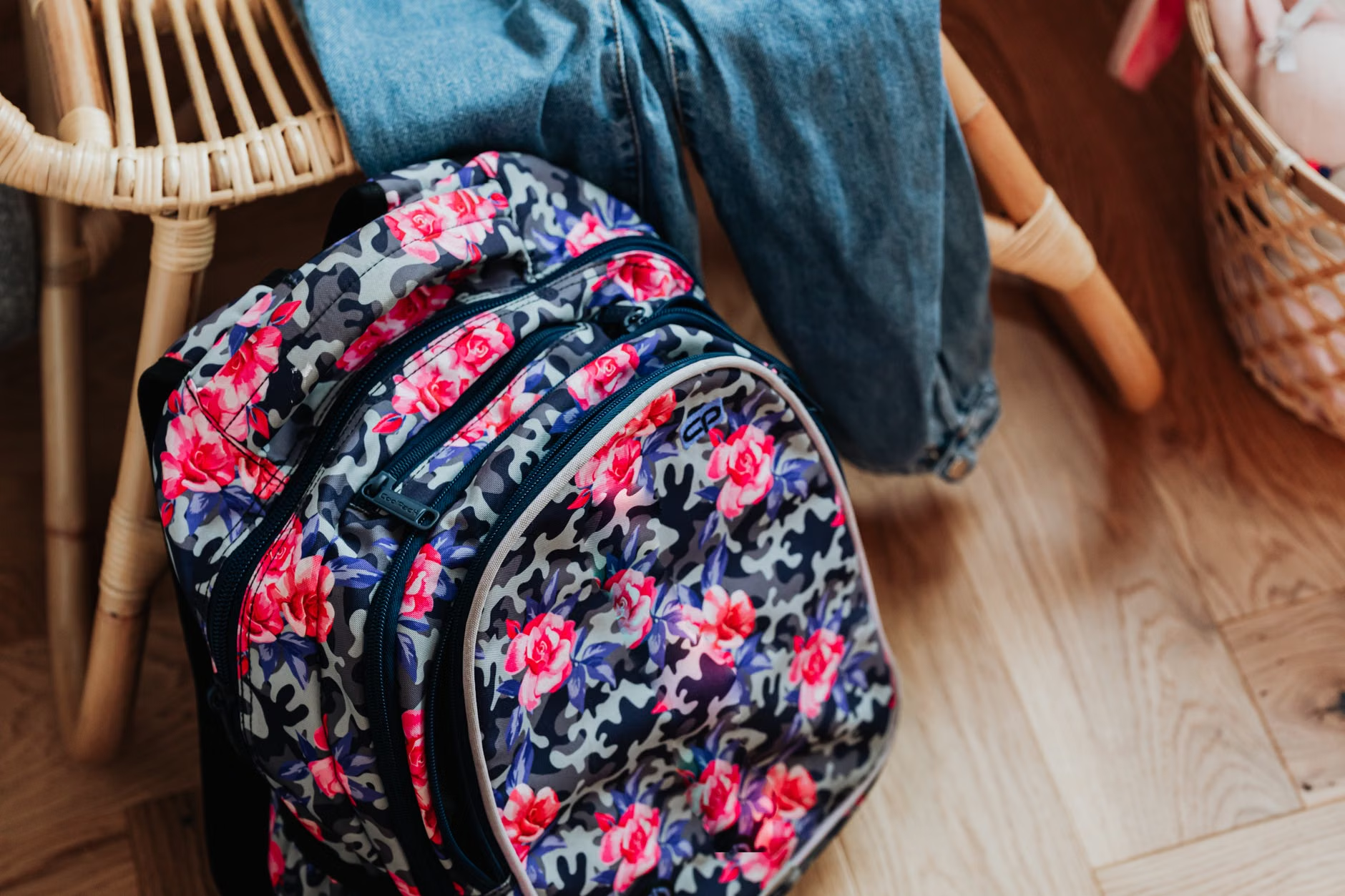
How to Implement the “Pocket Connection”
When you give your child a transitional object, don’t just hand it to them. Turn it into a shared secret. Say something like, “This is our ‘connection stone.’ If you feel lonely today, you can hold it in your pocket, and it will remind you that I am thinking of you and I am coming back.” This reframes the object from a “babyish” comfort item to a “bravery tool.”
It is important to acknowledge that some schools have strict policies about toys from home. If this is the case, use “invisible” tools. A kiss in the palm of their hand (the “Kissing Hand” technique) or a small dot drawn on their wrist with a marker can serve the same purpose without violating school rules. The effectiveness of the tool is in the meaning you assign to it together, not the object itself.
Managing Your Own Anxiety: The Mirror Effect
Children are master observers. They are constantly scanning your face, your posture, and your tone of voice to determine if a situation is safe. If you are anxious, rushed, or hesitant at the school gate, your child will interpret that as a signal that the school environment is dangerous.
This is what psychologists call “social referencing.” If you are worried, your child assumes they should be worried too. If you are calm and confident, your child is much more likely to adopt that same posture. This is often the hardest part of the transition for parents in their 30s and 40s. You have your own work stress, your own expectations for your child, and your own memories of school. You must be able to “compartmentalize” your own feelings until you are out of your child’s sight.
Strategies for Maintaining “Parental Calm”
- The Five-Second Reset: Before you exit the car or reach the school gate, pause. Take a deep breath. Drop your shoulders. Force a genuine (not forced) smile.
- The “Positive Narrative”: Talk about the school day in terms of what they will do, not what they will endure. Avoid saying, “I know it’s hard, but you have to go.” Instead, try, “I’m excited to hear what you discover today.”
- The After-School Decompression: Your child will likely be exhausted after holding it together all day. Expect a “meltdown” when you pick them up. This isn’t a sign that they hate school; it’s a sign that they feel safe enough with you to finally let their guard down.
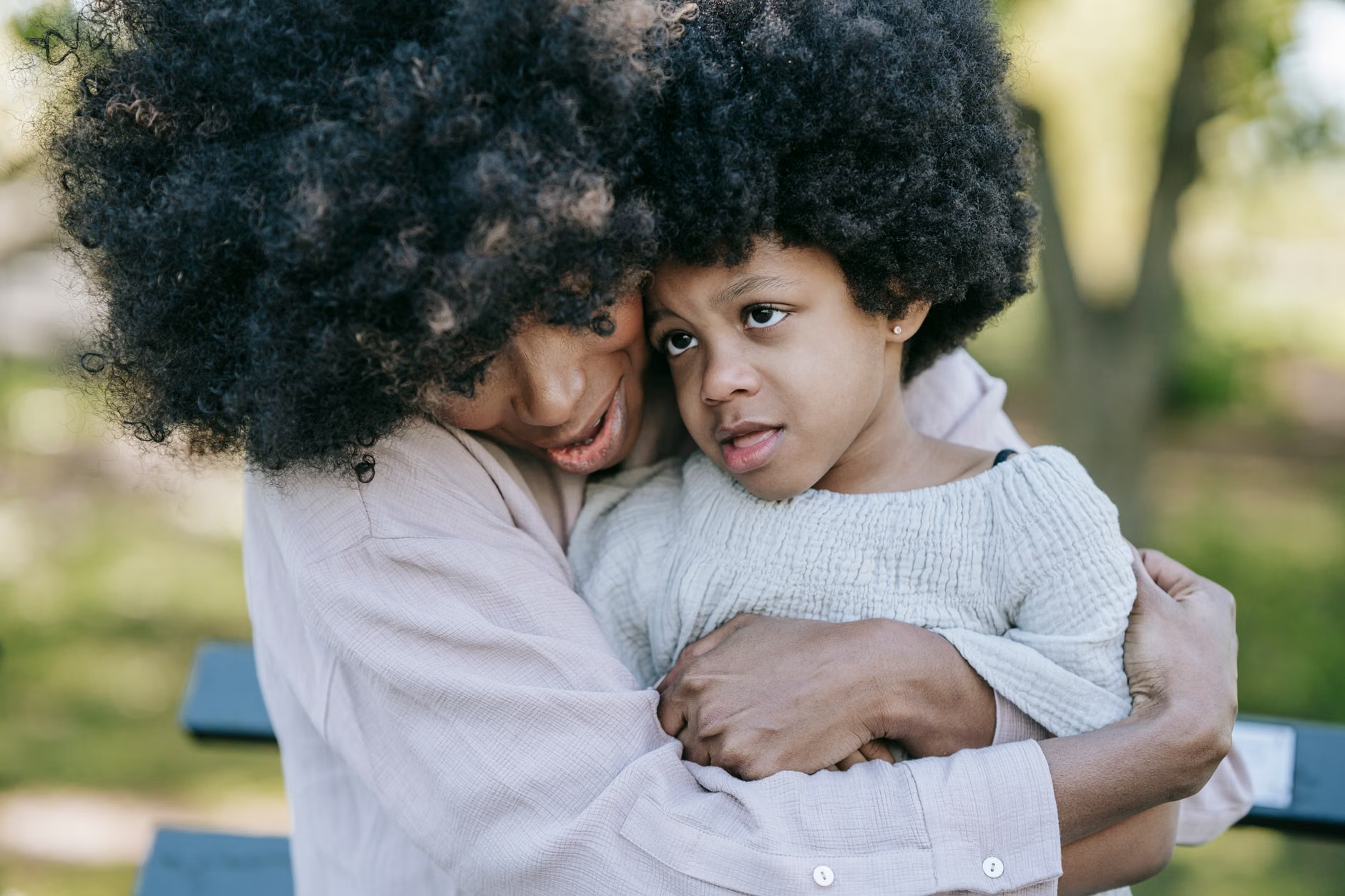
Addressing Common Hurdles in the Transition
Even with the best planning, transitions are rarely linear. There will be days of regression, mornings of tears, and moments where you feel like you are failing. Understanding the variables that trigger these moments can help you navigate them without panic.
1. The “Holiday Hangover”
Transitions are often hardest after a break (like a long weekend or a holiday). The rhythm of home has taken over, and the school “muscle memory” has weakened. During these times, lean back into the routines. Be more explicit about the schedule, pack the bag together, and perhaps offer a little more physical affection in the mornings.
2. The Teacher-Parent-Child Triangle
Your child’s teacher is the other “anchor” in this transition. If your child is struggling, communicate with the teacher, but do so away from your child. If your child sees you questioning the teacher’s authority or expressing doubt about the classroom environment, it creates a conflict of loyalties for them. Your role is to build a bridge between your child and their teacher, positioning the teacher as a person who can be trusted.
3. The “Independence” Misconception
Many parents worry that if they are too attentive, their child will never learn to be independent. This is a fundamental misunderstanding of development. Dependence is the foundation of independence. A child who is forced to be independent before they are ready often becomes “pseudo-independent”—they appear to be doing fine, but they are actually disconnected from their own feelings and needs. Real, healthy independence happens when a child feels so secure in their attachment that they can afford to let go and explore the world.
Deepening the Connection: Practical Exercises for Home
The transition to school isn’t just a 15-minute event in the morning; it’s a continuous process that you nurture at home. Here are three ways to strengthen that foundation during the school week.
The “Daily Download”
Instead of asking, “How was your day?”—which is a huge, overwhelming question—try asking specific, low-pressure questions. “What was the funniest thing that happened today?” or “Who did you sit with at lunch?” If they don’t want to talk, don’t push. Sometimes, the most important part of the connection is just being in the same room while they decompress.
The “Anticipatory Ritual”
The night before is just as important as the morning. Review the next day’s schedule. This removes the “unknown” variable that drives anxiety. When children know that tomorrow involves “math, then lunch, then gym, then pickup,” they feel a sense of mastery over their own day. A simple visual calendar on the fridge can make a world of difference for a child who is prone to anxiety.
The “Safe Base” Affirmation
Remind your child, in moments of calm, that you are their constant. “No matter what happens at school, you can always tell me. I am on your team.” This reinforces that while the school environment may change, your support is fixed. It allows them to take risks in the classroom because they know that even if they “fail,” they have a soft place to land at home.
The Hidden Costs of Rushing the Process
In our modern, fast-paced lives, we are often tempted to “fix” our children’s anxiety quickly so we can get to work or handle our own responsibilities. We might bribe them, scold them for crying, or dismiss their fears as “just a phase.” These are the hidden costs of our own stress.
When we dismiss a child’s transition anxiety, we aren’t just ignoring a problem; we are teaching them that their feelings are a burden. This is a subtle but profound lesson that can influence how they approach future challenges. If you feel yourself getting frustrated, take a step back. Recognize that your child’s anxiety is not an inconvenience; it is a developmental milestone. They are learning how to be in the world without you, and that is a massive, terrifying task for a young brain.
If you find that your child’s anxiety is persistent and interfering with their ability to function, it is worth exploring whether there are underlying factors—such as social challenges, learning difficulties, or sensory processing issues—that are being masked by the “school anxiety” label. Don’t hesitate to reach out to the school’s counselor or a child development professional if the transition isn’t smoothing out after the first few weeks. It is better to seek support early than to let a child struggle in silence.
Building Resilience Through Measured Exposure
Once the initial transition is successful, the goal shifts from “survival” to “growth.” How do you help your child maintain this attachment while encouraging them to broaden their world? The answer is “scaffolded independence.”
Scaffolded independence is the process of offering just enough support to help them succeed, then slowly pulling back as they gain confidence. For example, in the first week, you might walk them all the way to their desk. In the second week, you might stop at the classroom door. In the third week, you might say goodbye at the school gate. This isn’t a race. If they have a “bad day” and need you to walk them to their desk again, that is perfectly okay. Resilience is not a straight line upward; it’s a series of steps forward and occasional steps back.
Remember that your child’s school experience is a marathon, not a sprint. The way you handle this transition now will set the tone for how they view learning, authority, and separation for years to come. By prioritizing their need for security, you are giving them the most valuable gift you can: the confidence to know that they are never truly alone, even when they are standing on their own two feet.
Frequently Asked Questions
1. My child cries every morning at drop-off. Am I doing something wrong?
You are not doing anything wrong. Morning tears are a very common expression of “separation distress.” It doesn’t mean your child is unhappy at school; it means they are expressing their preference for being with you. The key is to be consistent, brief, and warm. Avoid the temptation to linger, as this can inadvertently signal that the environment is unsafe, which prolongs the anxiety. If the crying persists for more than 15-20 minutes after you leave, it might be worth speaking with the teacher to see if there is a specific trigger in the classroom environment.
2. How do I know if my child’s anxiety is “normal” or if it requires outside help?
Most transition anxiety tapers off within 2 to 4 weeks. If, after a month, your child is still experiencing significant distress, physical symptoms (like stomach aches or headaches) that only occur on school days, or is avoiding school entirely, it is time to look deeper. Speak with the school to see if they notice the same behavior. If the anxiety is preventing your child from participating in classroom activities or making friends, consulting with a pediatrician or a child psychologist can help you identify if there are other factors at play.
3. What if my child refuses to talk about their day?
This is extremely common. Many children “hold it together” all day and have nothing left to give by the time they see you. Instead of asking direct questions, try “parallel play.” Sit near them while they are drawing or playing, and just comment on what you see: “I see you’re drawing a big castle.” Often, children will start talking when they don’t feel “interrogated.” Alternatively, share something about your day first. If you share a small, silly, or low-stakes detail about your own work or errands, it creates a safe space for them to open up without feeling pressured.
For further reading on child development and school transitions, you can consult resources such as the American Psychological Association’s Parenting and Schooling guides or the ZERO TO THREE organization, which provides evidence-based information on early childhood emotional growth.