- Energy ratings are not just environmental badges; they are financial indicators that predict the total cost of ownership over the appliance’s lifespan.
- The “sticker price” is misleading. A cheaper appliance with a poor energy rating will almost always cost more in electricity over five years than a higher-priced, efficient model.
- Context matters: Always check the testing standard (e.g., EU vs. Energy Star) because energy labels are not universal and vary significantly by regional regulatory requirements.
The most important thing to know about energy labels is that they are not just about saving the planet—they are about saving your sanity when that monthly utility bill arrives. If you are in your 30s or 40s, you are likely managing a household where the fridge runs 24/7, the washing machine feels like it is on a permanent cycle, and the dishwasher is the unsung hero of your evening routine. Understanding these labels isn’t about becoming an electrical engineer; it is about knowing which appliances are going to quietly drain your bank account over the next seven years.
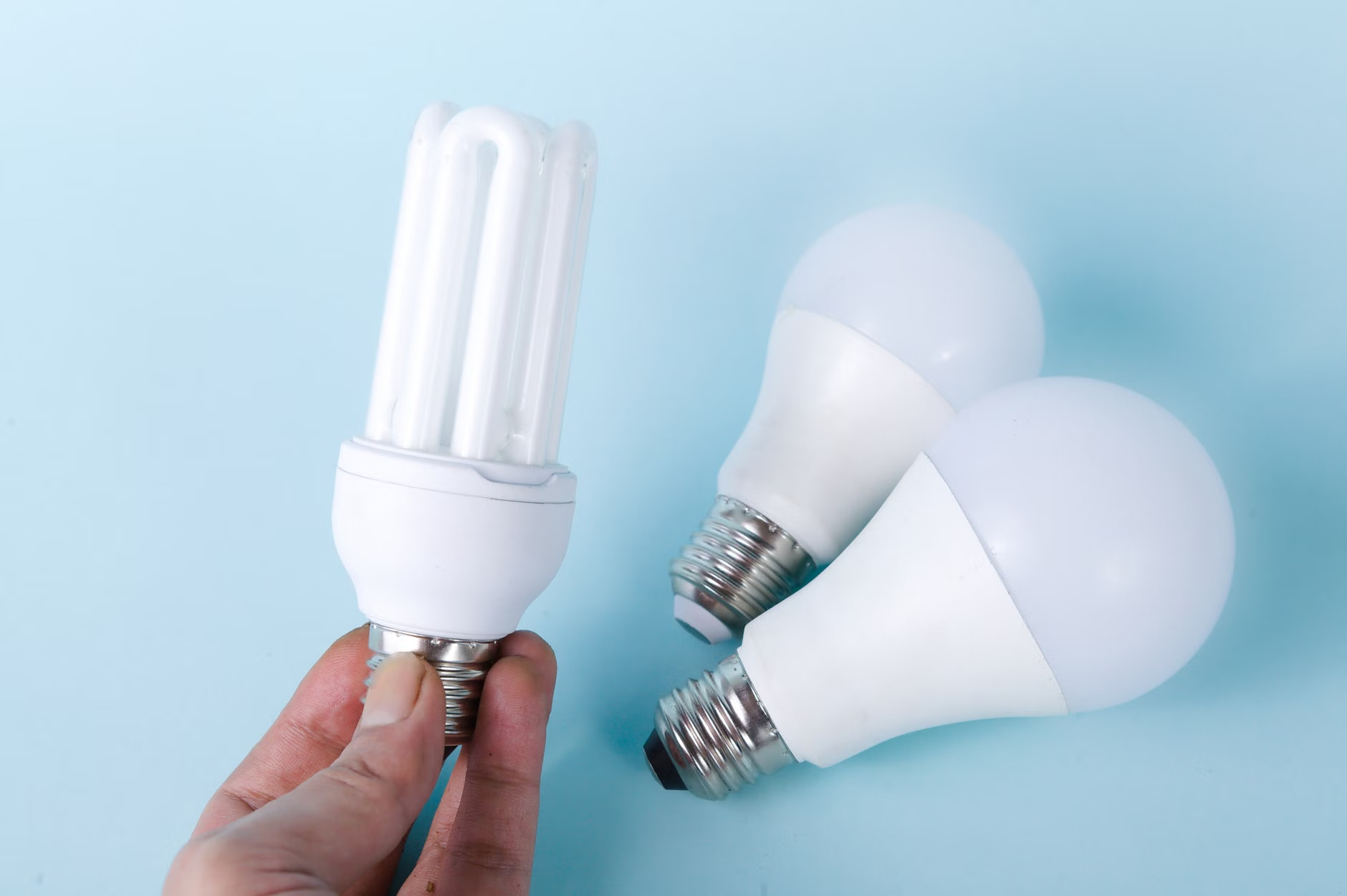
Why Your Energy Label Matters More Than the Brand Name
We often get caught up in the “smart” features of appliances—does it have Wi-Fi? Can it notify me when the load is done? While these features are convenient, they are secondary to the appliance’s core function: consuming energy. A “smart” appliance that is inefficient is essentially a high-tech money pit.
Energy labels provide a standardized way to compare consumption. However, the biggest mistake most of us make is assuming that the “A” rating in one store means the same thing as an “A” rating in another. Regulations have shifted rapidly. For instance, the European Union recently overhauled its energy labeling system to remove the confusing “A+++,” “A++,” and “A+” categories, reverting to a simple A-G scale. If you are looking at an old label versus a new one, you might be comparing apples to oranges.
The “Total Cost of Ownership” Rule: When you are standing in the aisle, do not just look at the price tag. Take the annual energy consumption (usually listed in kWh) and multiply it by your local electricity rate per kWh. Then, multiply that by the expected lifespan of the appliance (usually 7-10 years). You will often find that the $200 cheaper model costs you $400 more in electricity over its life. That is not a bargain; that is an expensive mistake.
Deconstructing the Label: What You Are Actually Looking At
Labels can look like a mess of icons and numbers. To make sense of them, you need to focus on three specific data points: the energy efficiency class, the annual energy consumption in kilowatt-hours (kWh), and the noise emission level. The noise level is often overlooked, but for anyone with kids, a quiet dishwasher or washing machine is worth its weight in gold.
Let’s break down how to read these effectively:
| Feature | What to look for | Why it impacts your budget |
|---|---|---|
| Energy Class | Aim for the highest tier (A or B on the new scale). | Determines the baseline efficiency of the motor/compressor. |
| kWh/annum | The lower the number, the better. | This is your direct multiplier for your monthly bill. |
| Noise Level | Look for decibel (dB) ratings under 40-45dB. | Reduces the need to run appliances at night or during naps. |
If you are shopping in the United States, you are likely looking for the “Energy Star” logo. Energy Star is a voluntary program, so not every appliance has it. If an appliance lacks this, it doesn’t mean it’s bad, but it does mean it hasn’t met the specific efficiency criteria set by the EPA. In the UK and Europe, the mandatory EU Energy Label is a legal requirement that you must pay attention to. Always check the footer of the label for the specific regulation year, as standards are updated to reflect better technology.

The Hidden Variables That Change Everything
Even with the best label, your real-world consumption will vary. This is where many people feel misled. If a label says a washing machine uses 150 kWh per year, that number is based on a specific “standard” cycle. If you exclusively use the “Heavy Duty” or “Sanitize” settings, your actual consumption will be significantly higher.
One overlooked variable is the “standby” power consumption. Modern smart appliances are essentially small computers. They stay connected to your Wi-Fi, sync with your smartphone, and wait for commands. This “vampire power” adds up. If you have ten smart appliances in your home, all sitting in standby mode, you are paying for that energy 24/7. To mitigate this, check if your appliances have an “Eco-standby” mode or if you can set them to completely disconnect from the network when not in use.
Another factor is the environment. A refrigerator placed next to an oven or in a garage that isn’t climate-controlled will work twice as hard to maintain its temperature. An “A” rated fridge in a hot, cramped corner will perform like a “D” rated fridge in an open, cool kitchen. Always ensure your appliances have proper ventilation. It’s a simple, free way to increase efficiency that the label can’t account for.
Step-by-Step: Making the Right Choice at the Store
When you are ready to upgrade, follow this decision-making framework to avoid the most common pitfalls:
- Audit your current usage: Don’t buy a larger capacity machine than you need. A 10kg washing machine is inefficient if you are only washing 3kg of clothes. Match the capacity to your family size.
- Check the “Smart” vs “Efficient” trade-off: If a smart feature is just a gimmick (like a fridge that tells you the weather), skip it. If it is an energy-saving feature (like a dishwasher that detects load size and adjusts water usage), keep it.
- Compare the labels side-by-side: Use your phone to photograph the labels of the top three models you are considering. When you get home, take five minutes to input the kWh numbers into your local electricity provider’s calculator or a simple spreadsheet to see the true cost difference over five years.
- Look for the “Energy Star Most Efficient” designation: If you are in the US, this is a sub-category that identifies the absolute top-tier products. It is the gold standard for those who want to maximize savings.
One common mistake is prioritizing “features” over “reliability.” A highly efficient machine that breaks down in three years is not a good investment. Check for warranties that cover the motor and compressor—the parts that actually consume the energy. If a manufacturer offers a 10-year warranty on the motor, they are usually confident in their efficiency standards.

Integrating Technology: Using Smart Home Hubs to Monitor Reality
Once you have purchased your new, energy-efficient appliance, the work isn’t done. You can now use smart plugs or home energy monitors to track exactly how much energy your new purchase is using. Many people are surprised to find that their “energy-efficient” dryer is actually spiking their bill because they are over-drying their clothes.
By using a smart home hub, you can set up automations. For example, you can program your dishwasher to run during “off-peak” hours when electricity rates are lower. In many regions, utility companies offer time-of-use (TOU) plans. Running your most energy-intensive appliances at 2:00 AM instead of 7:00 PM can save you 20-30% on your energy costs, regardless of the appliance’s label rating.
This is where the “smart” in smart home actually delivers value. It isn’t just about turning lights on with your voice; it is about managing the heavy loads that consume the most electricity. If your appliance is Wi-Fi enabled, check the companion app for “Energy Reporting.” Most major manufacturers now include this, and it is a fantastic way to see if your usage patterns are aligned with your goals.
Frequently Asked Questions
Q: Does an “Energy Star” rating guarantee the lowest electricity bill?
A: Not necessarily. It guarantees that the appliance meets specific efficiency standards compared to standard models. However, your actual bill depends on your usage habits, your local electricity rate, and how you maintain the appliance. An efficient machine used improperly can still be expensive to run.
Q: Should I replace my old, working appliance just to get a higher energy rating?
A: Generally, no. The “embodied energy”—the energy used to manufacture, transport, and dispose of the old appliance—often outweighs the potential energy savings of a new one for several years. Only replace an appliance if it is broken, or if its energy consumption is so astronomically high that it pays for itself in less than three years.
Q: Why is my appliance using more energy than the label claims?
A: The label is based on standardized testing conditions. If you use hotter water, longer cycles, or have the appliance in a poorly ventilated space, it will work harder. Additionally, if you have a smart appliance connected to the internet, it consumes a small, constant amount of power that may not be fully captured in the primary efficiency rating.
Final Thoughts: Take Control of Your Home’s Efficiency
Choosing the right appliances is a game of patience and data. While it is tempting to pick the one that looks the best or has the most “bells and whistles,” the energy label is your best friend. By focusing on the kWh usage, considering the total cost of ownership, and using smart home tools to optimize when you run your cycles, you can significantly reduce your monthly expenses.
Remember, the goal isn’t to live in a house that feels like a laboratory. It is to create a home that works for you, not against your bank account. Don’t let the marketing speak distract you. Look at the numbers, do the math, and choose the appliance that makes sense for your family’s actual needs.
For more details on specific regional standards, visit the official Energy Star website for US-based information or the European Commission’s guide on energy labeling for European regulations.
Stay smart, keep an eye on those labels, and keep your home running coolly.