- Budget vs. Experience: Heritage sleeper trains are rarely a cost-saving alternative to flying; they are a premium experience where you pay for the journey, not just the transport.
- The Reality of Space: Compartments are significantly smaller than hotel rooms; success depends on “minimalist packing” and pre-sorting your essentials into easy-to-access day bags.
- Logistics Matter: Unlike modern high-speed rail, heritage services often lack Wi-Fi and have strict dining schedules, so prepare offline entertainment and snacks for children well in advance.
If you are in your mid-30s or 40s, you’ve likely reached that stage where the “vacation” starts the moment you leave the house—or at least, that’s the goal. We are constantly trading off the speed of a two-hour flight for the potential chaos of airport security, cramped legroom, and the inevitable “are we there yet?” chorus. Lately, the “Heritage-Rail” sleeper train experience has been trending as a romantic, slow-travel alternative. It promises a bygone era of comfort: dining cars with white tablecloths, rhythmic tracks, and waking up in a new city without the stress of a morning commute.
But let’s be honest: does the reality of a 1950s-era carriage actually hold up when you have a toddler, a pile of luggage, and a need for reliable climate control? The answer depends entirely on your definition of “adventure” versus “logistical nightmare.”
Why the Heritage Rail Trend is Resurging
The resurgence of sleeper trains—specifically those branded as “heritage” or “classic” lines—isn’t just nostalgia. It’s a direct response to the “flight shame” movement and the growing desire to reclaim travel time. In our 30s and 40s, we are often time-poor. A flight is efficient, but it is also fragmented. You arrive at the airport two hours early, spend an hour in transit, and then spend another hour recovering from the sensory overload of the terminal.
Heritage rail flips this. When you book a sleeper, you are essentially buying a hotel room that happens to move. You board in the evening, enjoy a meal, sleep, and arrive at your destination refreshed. For parents, this is the “holy grail” of travel: the ability to cover hundreds of miles while the children are asleep. However, the term “heritage” carries weight. It implies older infrastructure. This means you might be dealing with shared bathrooms at the end of a carriage, manual door latches, and the distinct lack of modern amenities like power outlets at every seat.
The Hidden Logistics of Compact Living
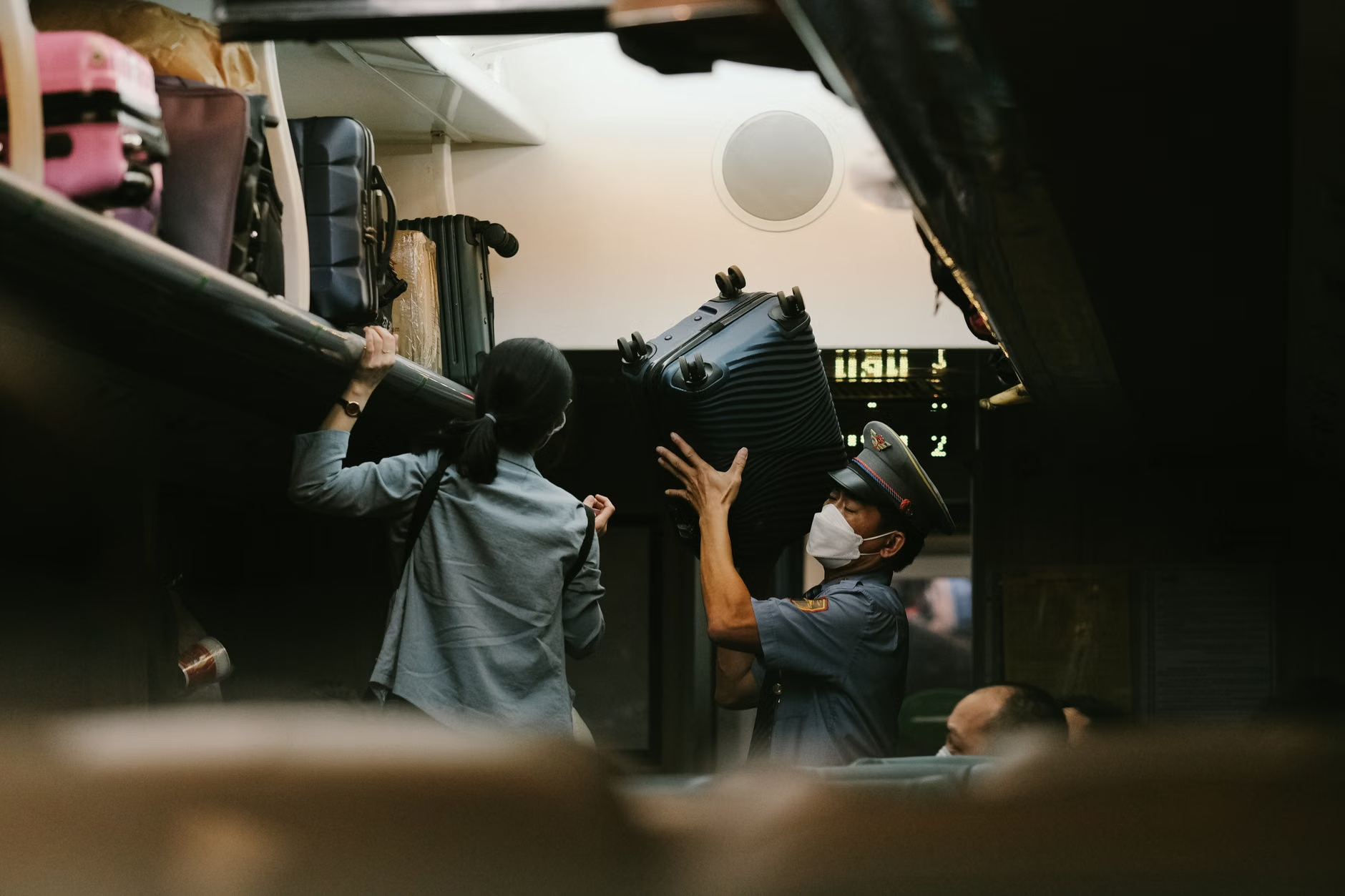
One of the most common mistakes travelers make when booking their first heritage rail trip is overpacking. If you are used to the “throw everything in the trunk” mentality of a family road trip, you are in for a shock. Sleeper compartments are designed with efficiency, not luxury, in mind. Most standard compartments are roughly 4 to 6 square meters.
The Golden Rule: The “Day Bag” Strategy. Do not bring your large suitcases into the sleeping cabin. If the train has a luggage car, check your large bags. If it doesn’t, you must bring only what you need for the night in a small, soft-sided duffel. Hard-shell suitcases are a disaster in these small spaces; they have nowhere to go and will block your access to the bed or the washbasin.
Another variable is the noise. While the “rhythmic click-clack” of the train is often romanticized in movies, it is a physical reality that can disrupt sleep. If your children are light sleepers, pack a white noise machine or use a smartphone app. Also, consider the “sway” factor. The older the carriage, the more pronounced the motion. If you or your kids are prone to motion sickness, booking a cabin in the middle of the carriage is essential, as the ends of the cars tend to experience more vertical oscillation.
Dining and Socializing: The “Fine Dining” Myth
When you read brochures for heritage lines, you see images of elegantly dressed couples sipping wine in a wood-paneled dining car. This is the “heritage” experience. In reality, dining on these trains is a tightly scheduled affair. Because space is limited, the dining car often operates on a “seating” system. You will be assigned a time slot. If you miss it, you don’t eat, or you are relegated to whatever snacks you brought with you.
For a family, this requires tactical planning. If your children are picky eaters, relying on the onboard kitchen is a gamble. Most heritage trains have a set menu that is often pre-selected during the booking process. Check the menu 48 hours before departure. If there is nothing that fits your child’s dietary needs, you must bring your own provisions. Bringing a “train picnic” is a standard practice for veteran rail travelers. Pack items that don’t require heating, such as pre-cut fruit, cheese, crackers, and sandwiches. Avoid anything that creates a mess, as cleaning up a spill in a moving, carpeted compartment is nobody’s idea of a relaxing holiday.
| Feature | Modern High-Speed Train | Heritage Sleeper Train |
|---|---|---|
| Speed | High (300km/h+) | Low (80-120km/h) |
| Connectivity | High (Wi-Fi/Power) | Minimal to None |
| Space | Open seating/Table | Private compartment/Tiny |
| Experience | Functional/Commuter | Leisure/Atmospheric |
The table above highlights why you choose one over the other. The heritage train is not for when you need to be somewhere by 9:00 AM for a meeting. It is for when the journey is the vacation. If you are comparing the two, ask yourself: “Am I traveling to reach a destination, or am I traveling to spend time together without screens?”
Managing Expectations: The “Heritage” Reality Check
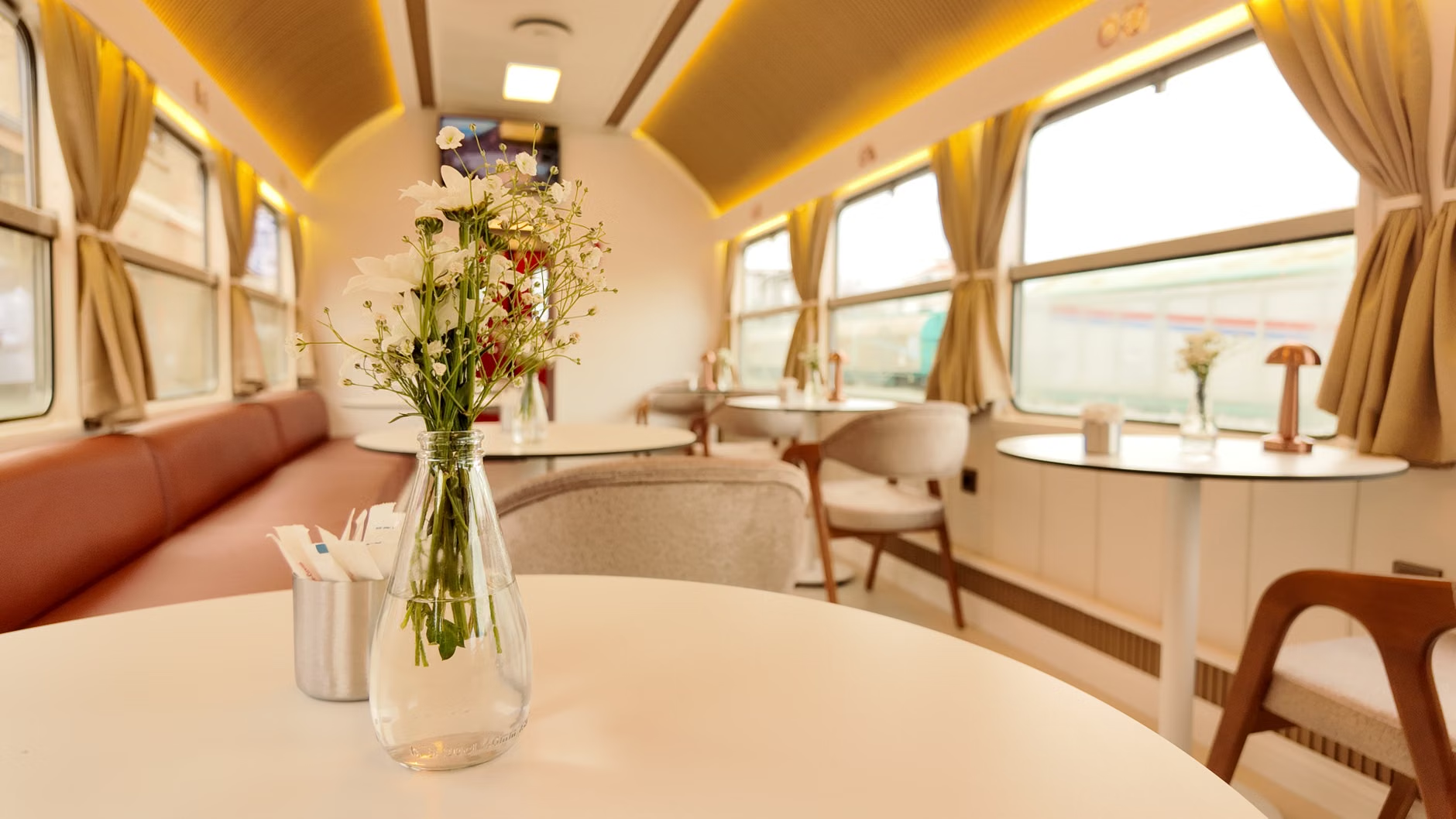
The term “heritage” is often code for “old.” While many operators restore their carriages to look pristine, the mechanical systems are often decades old. This means the heating and cooling systems might be temperamental. In the winter, some older trains can be drafty; in the summer, they can be stuffy if the windows don’t open properly.
Pro-Tip: Always pack layers. A merino wool base layer or a light fleece is better than a bulky sweater because it allows you to adapt to the fluctuating temperatures of the cabin. Also, bring a portable power bank. While some restored cabins have been upgraded, you cannot rely on having a functional outlet. If your child needs a tablet for a calming show before bed, make sure it is fully charged before you leave home.
Another aspect to consider is the “shared bathroom” situation. On many heritage routes, even if you pay for a private compartment, you might have to share a communal washroom at the end of the corridor. This is a common point of friction for parents. If this is a deal-breaker for you, look specifically for “En-suite” or “Deluxe” cabins. These command a higher price point but provide a private sink and toilet, which can save your sanity during those 3:00 AM wake-up calls.
Planning Your Route: The Importance of Timing
When booking, look for routes that offer “scenic” value. The beauty of a train is the view. If you are booking an overnight sleeper, you might miss the scenery in the dark. However, many heritage lines start their routes in the late afternoon and arrive in the mid-morning. This allows you to catch the sunset and the sunrise—two of the most rewarding parts of rail travel.
Check the route map and look for “bottlenecks.” Some heritage lines share tracks with freight trains, which can lead to delays. If you have a tight connection for a flight or a hotel check-in at the other end, add a three-hour buffer to your arrival time. Rail travel, especially on older lines, is rarely as precise as a modern airline schedule.
The Financials: Is it Worth the Cost?
There is a misconception that trains are a “cheap” way to travel. In the era of budget airlines, this is rarely true. A heritage sleeper ticket often costs significantly more than a flight. You are paying for the bed, the service, and the novelty.
To justify the cost, look at what you are saving elsewhere. If you take the sleeper, you save one night of hotel accommodation. You also save on airport transfers and potentially on meals. When you calculate the “Total Trip Cost,” the gap between a flight + hotel and a sleeper train often narrows. However, if you are purely looking at the “price per mile,” you will likely be disappointed. Approach this as a luxury experience rather than a budget-saving maneuver, and you will be much happier with the value proposition.
What Parents Need to Know Before Booking
If you are traveling with children under the age of 10, the experience can be magical. The novelty of a “bunk bed” and the rhythmic motion of the train often act as a sleep aid. However, you must be prepared for the confined space. Children who need to burn off energy will struggle on a long journey.
Actionable Steps for Parents:
- The “Walkabout”: Take the kids to the dining car or the observation deck every few hours to break up the monotony of the cabin.
- Offline Entertainment: Download all shows, movies, and games at home. Do not rely on the train’s Wi-Fi.
- Comfort Items: Bring their favorite blanket or pillow from home. The familiar scent will help them feel secure in a new environment.
- The “Snack Station”: Keep a dedicated bag of snacks that are easy to open and don’t require preparation.
If your children are teenagers, the lack of connectivity might be the biggest hurdle. Be upfront about this before you book. If they are going to be miserable without TikTok, this might not be the right trip for them. Or, use it as a forced “digital detox” opportunity, provided you have a plan to keep them engaged with books, cards, or conversations.
Common Pitfalls and How to Avoid Them
The most common mistake is failing to verify the accessibility of the boarding platform. Some older heritage stations have high steps that are difficult to navigate with a stroller or heavy bags. Check the operator’s website specifically for “Accessibility” or “Station Info.” If you are traveling with a stroller, ask if it needs to be folded upon boarding. In most cases, the answer is yes, so ensure you have a travel-friendly, lightweight stroller rather than a bulky full-sized one.
Another pitfall is the booking window. Heritage rail lines often sell out months in advance because they have limited capacity. Unlike airlines that add flights to meet demand, these trains have a fixed number of cabins. If you have your heart set on a specific route, book as soon as tickets are released—often 6 to 9 months out.
Final Thoughts: Is it for You?
The heritage sleeper experience is a deliberate choice. It is for the traveler who wants to stop “getting to” and start “being there.” It requires patience, a bit of physical flexibility, and a willingness to trade modern efficiency for old-world charm. If you can handle the smaller spaces and the occasional lack of modern amenities, it provides a level of family connection that is hard to replicate in the sterile environment of a jet cabin.
My recommendation? Try a shorter route first. Many heritage lines offer “overnight” trips that are only 8 to 10 hours long. This is the perfect trial run. If you love it, you can look into the multi-day cross-country journeys. If you find the lack of space and the noise too much, you’ve only invested in a single night of trial rather than a week-long commitment.
Before you commit to that booking, check the official websites of the rail operator to ensure you are looking at the specific carriage class you are paying for—not just the glossy brochure photos. A “standard” cabin is very different from a “deluxe” suite. Make your choice based on what your family needs to stay comfortable, not just on the price.
Frequently Asked Questions
Q: Will I have enough space for a stroller in my cabin?
A: Generally, no. Most heritage cabins are too narrow for a full-sized stroller. You should plan to fold the stroller and store it in the designated luggage area or, if the train allows, in the vestibule of the carriage. A compact, travel-sized stroller is highly recommended.
Q: Are there outlets in the cabins for charging devices?
A: It depends on the age of the carriage. Many heritage lines have retrofitted their cars with modern power outlets, but they are often limited to one or two per room. Bringing a multi-port USB charger or a high-capacity power bank is a smart, low-cost insurance policy.
Q: Can I bring my own alcohol or food onboard?
A: Most heritage lines allow you to bring your own snacks and drinks, but they often restrict the consumption of outside alcohol in the dining car. Check the “Terms and Conditions” on the operator’s website before your trip to avoid any awkward conversations with the train staff.
Official Resources:
For specific routes and current safety policies, always check the official rail operator’s website. For example, if you are looking at European routes, the Eurail official site provides excellent guides on cross-border sleeper train requirements. For general rail travel advice, the Seat61 resource is widely considered the gold standard for independent, verified rail travel information.