Zero-proof catering is no longer just about offering a “kids’ table” juice box; it has become the strategic choice for parents in their 30s and 40s who want to host inclusive, high-energy family reunions without the physical and social tax of alcohol.
Key Takeaways:
- Inclusivity Drives Engagement: Zero-proof menus ensure that pregnant guests, elderly relatives, and health-conscious parents remain fully integrated into the social ritual of “toasting” without feeling like an afterthought.
- Cost vs. Quality Trade-off: While you save on liquor taxes and high-end spirits, premium non-alcoholic botanicals and professional “dry” mixology services often cost the same as traditional bars due to the complex extraction processes involved.
- Logistical Superiority: Removing alcohol significantly reduces the risk of family friction, simplifies transportation logistics (no designated driver stress), and ensures everyone is functional for early-morning family activities the next day.
Let’s be honest: the traditional family reunion often orbits around a cooler of beer or a few bottles of wine that inevitably lead to at least one uncle bringing up a political grievance from 2004. For those of us in the “sandwich generation”—balancing the needs of our toddlers, our aging parents, and our own desire to actually remember the weekend—the “Zero-Proof” catering trend is less of a health fad and more of a survival strategy. It’s about maintaining the “ritual” of a shared drink while ditching the biological debt that comes with it.
The shift toward sophisticated non-alcoholic (NA) options is exploding globally. We aren’t talking about Shirley Temples or flat ginger ale anymore. We are talking about distilled botanicals, dealcoholized wines that actually taste like grapes, and functional beverages designed to relax the nervous system without the morning-after fog. If you are the one tasked with planning the next big family gathering, understanding this trend is the difference between a “dry” party that feels restrictive and a “spirit-free” event that feels premium.
The Biological Math: Why Parents Are Leading the Zero-Proof Charge
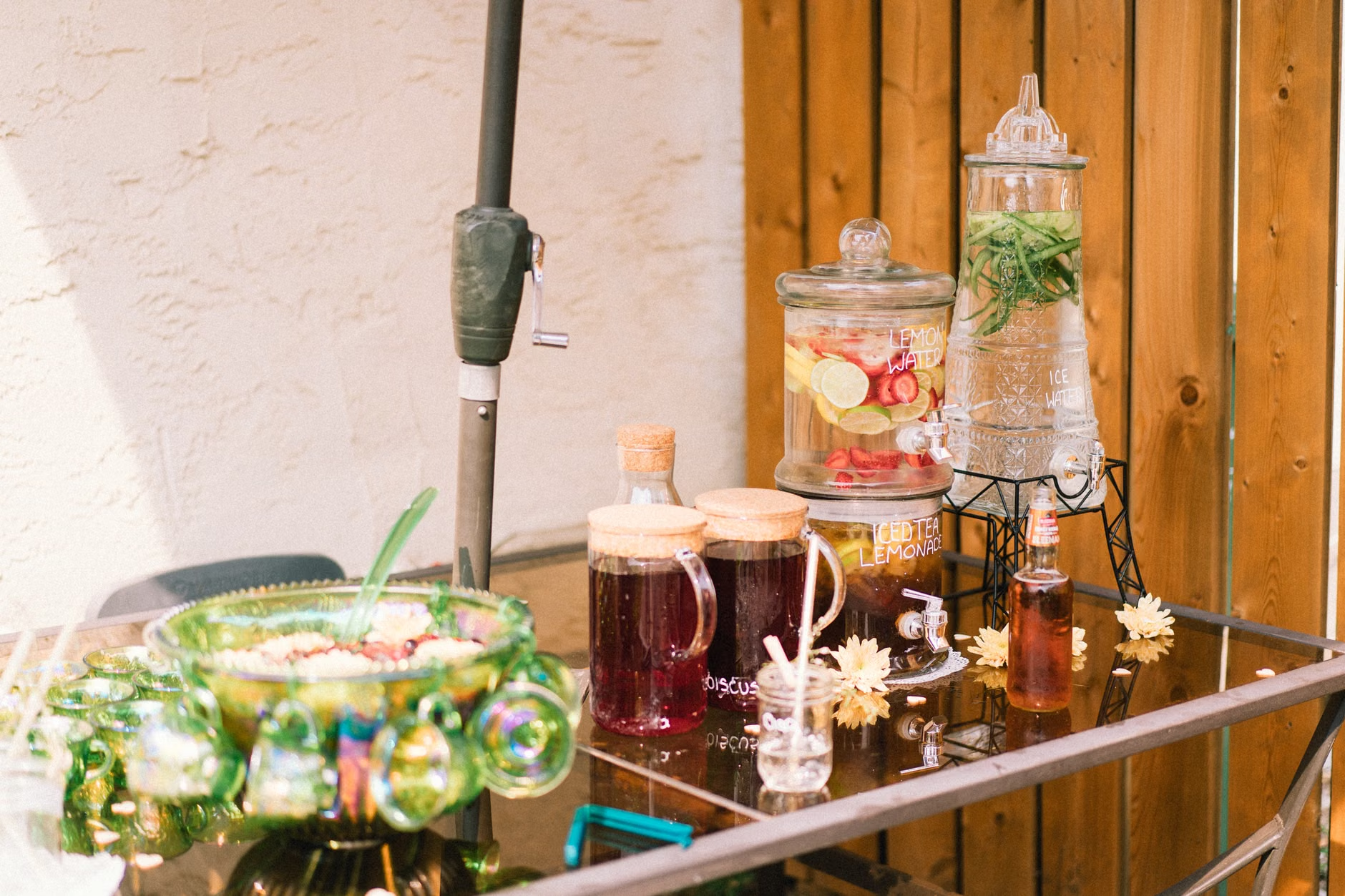
When you’re 22, a hangover is a badge of honor. When you’re 38 and have a 4-year-old jumping on your chest at 6:00 AM, a hangover is a catastrophic failure of planning. This is the primary driver behind the zero-proof trend among our demographic. We still want the “grown-up” experience of a complex, bitter, or spicy drink at the end of a long day of hosting, but we cannot afford the downtime.
Research from the IWSR Drinks Market Analysis shows that the “No-and-Low” alcohol category surpassed $11 billion in value in 2022, driven largely by millennials and Gen Xers who identify as “substituters”—people who drink alcohol sometimes but choose NA options for specific occasions. For a family reunion, the “substituter” mindset is perfect. It allows the focus to remain on the cousins meeting for the first time or the grandparents sharing stories, rather than the pace of the wine pours.
Consider the “Sleep Debt” factor. Alcohol drastically reduces REM sleep quality. For a parent who is already sleep-deprived, even two glasses of wine can ruin the following day’s energy. By opting for zero-proof catering, you are essentially gifting your guests a productive, happy “Day 2” of the reunion. It’s a logistical win that pays dividends when you’re trying to coordinate a group hike or a family photo session at 9:00 AM.
Defining the Menu: What “Zero-Proof” Actually Means in 2024
To plan this effectively, you need to know the vernacular. If you tell a caterer you want “no alcohol,” they might bring soda. If you ask for “Zero-Proof Mixology,” you are opening a door to a much more sophisticated world. Here is how the modern NA bar is structured:
| Category | What it is | Best for… |
|---|---|---|
| Distilled Botanicals | Spirits made like gin or tequila but with the alcohol removed or never added. | Complex cocktails (G&Ts, Margaritas). |
| Dealcoholized Wine | Real wine that has undergone vacuum distillation to remove ethanol. | Dinner pairings and formal toasts. |
| Shrubs & Oxymels | Vinegar-based syrups infused with fruit and herbs. | Adding “bite” and acidity that mimics alcohol’s burn. |
| Functional Beverages | Drinks containing adaptogens (like Ashwagandha) or nootropics. | The “wind-down” portion of the evening. |
The “bite” is the most important element. The reason juice doesn’t satisfy adults is that it lacks the complexity and the slight “burn” of ethanol. Modern zero-proof spirits use ingredients like capsaicin, ginger, and peppercorns to mimic that back-of-the-throat sensation. When hiring a caterer, ask specifically how they handle the “acid and heat” balance in their NA menu. If their answer is “more sugar,” find a different caterer.
The Economics of the “Dry” Bar: It’s Not Always Cheaper
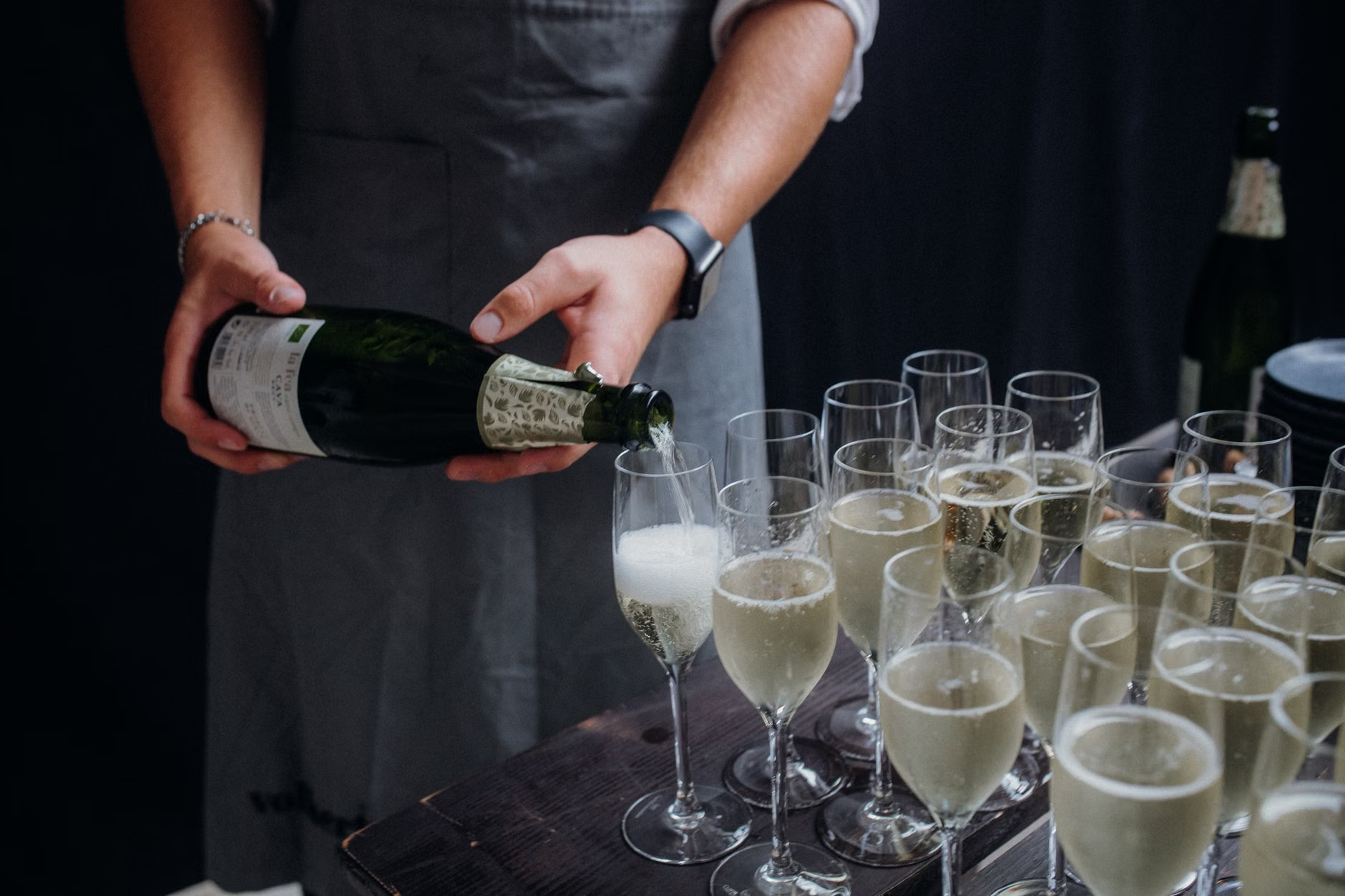
A common misconception is that removing alcohol will slash your catering budget in half. While you will certainly save on “sin taxes” and the high markup of premium spirits, high-quality zero-proof catering has its own cost structures. Premium NA spirits like Seedlip, Lyre’s, or Ritual often retail at the same price point as mid-to-high-tier gin or whiskey.
Why? Because the process of removing alcohol while preserving flavor is technically demanding and expensive. Furthermore, a zero-proof cocktail often requires more fresh ingredients—house-made syrups, fresh-pressed juices, and artisanal garnishes—to achieve a sophisticated flavor profile. You aren’t paying for the ethanol; you are paying for the culinary craft.
Pro-Tip for the Budget-Conscious: If you want to save money without sacrificing quality, use a “Hybrid Strategy.” Invest in one or two high-end “hero” zero-proof spirits for a signature cocktail, and fill the rest of the menu with sophisticated but lower-cost options like herb-infused sparkling waters or artisanal shrubs. A “Rosemary and Grapefruit Spritz” using fresh herbs and a splash of high-quality tonic is significantly cheaper than a drink using a $35 bottle of NA gin, but it feels just as premium to the guest.
Logistics and the “Ritual” of the Glass
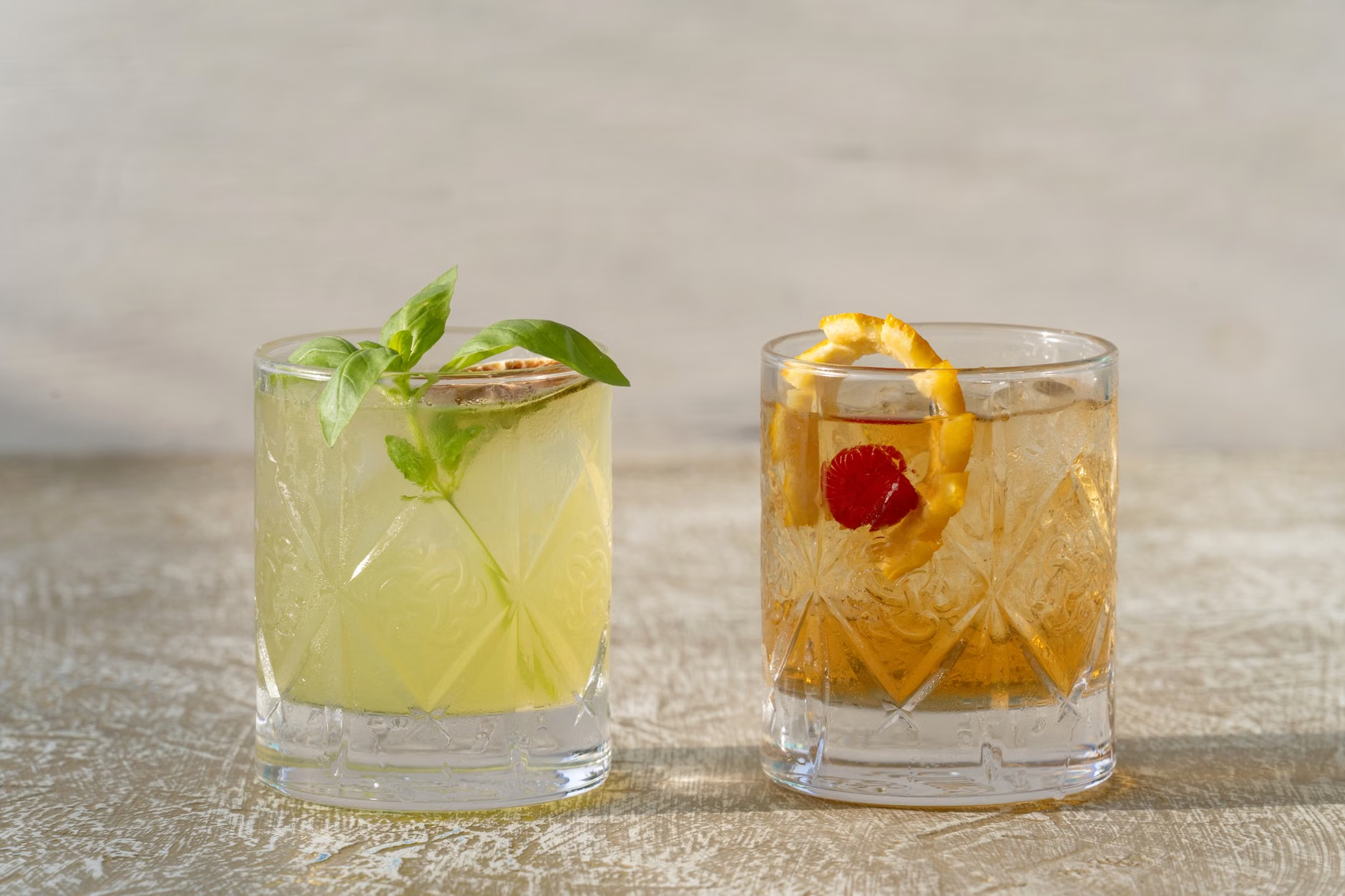
One of the biggest mistakes in family reunion planning is serving the “adult” NA drinks in plastic cups or “kids’ glasses.” The psychology of drinking is 50% about the vessel. If you serve a sophisticated botanical blend in a red solo cup, it feels like juice. If you serve it in a heavy-bottomed rocks glass with a single, large clear ice cube and a dehydrated orange wheel, it feels like an experience.
When coordinating with a caterer or venue, insist on proper glassware for the zero-proof menu. This serves a dual purpose: it makes the non-drinkers feel included in the “adult” atmosphere, and it prevents the “Why aren’t you drinking?” questions from well-meaning but nosy relatives. If everyone has a beautiful glass with a garnish, the contents become secondary to the conversation.
The Ice Variable: Do not overlook the ice. In the world of high-end catering, ice is an ingredient. For a family reunion, hiring an ice service or using “clear ice” molds for the zero-proof bar elevates the entire event. It signals to your guests that the “Zero-Proof” choice wasn’t a last-minute concession, but a deliberate, premium decision.
Managing Family Dynamics: The “Uncle Bob” Factor
Every family has one: the relative who thinks a party isn’t a party without a keg. When you announce a zero-proof or “low-alc” reunion, you might face some pushback. The key is in the framing. Don’t frame it as a “prohibition” or a “health kick.” Frame it as a “Curated Tasting Experience.”
Use a “Choice-Based” approach if a total dry event feels too risky for your family culture. You can offer a “Zero-Proof First” hour where only high-end NA cocktails are served alongside appetizers. This sets a sophisticated tone and ensures everyone starts the evening hydrated and clear-headed. If you do choose to provide alcohol later, the “Zero-Proof” bar should remain the most visually attractive and accessible station. You’ll be surprised how many people stick with the NA option once they realize it actually tastes good.
Realistic Scenario: Imagine your cousin, who usually drinks four beers before dinner, finds a “Smoked Phony Negroni” at the bar. It has the bitterness he likes, the weight of a real cocktail, and he can still chase his toddler around the lawn afterward. By providing a high-quality alternative, you aren’t taking something away; you’re adding a new capability to his weekend.
The Global Context: How Regions are Adapting
The zero-proof trend looks different depending on where your reunion is held. In the United Kingdom and Europe, the “Sober Curious” movement is deeply integrated into the pub and catering culture. You will find “Seedlip” or “Tanqueray 0.0” in even modest venues. In the United States, the trend is heavily influenced by the “Wellness” industry, with a focus on functional ingredients like CBD or adaptogens (check local laws, as these vary by state).
In Australia, the “Lyre’s” brand has revolutionized the home-catering market, making it easy to swap 1:1 for traditional spirits. If you are planning an international reunion, research the local “hero” brands. Using a local NA spirit not only supports local business but also adds a “sense of place” to your catering menu, which is a great conversation starter for relatives who have traveled from afar.
Step-by-Step: How to Brief Your Caterer for a Zero-Proof Reunion
- Define the “Vibe”: Tell them you want “Adult, complex, and non-sugary.” Use words like “bitter,” “botanical,” “tannic,” and “acidic.”
- Request a Tasting: Just as you would for wine, ask to taste the NA cocktails. If they just offer you different flavors of lemonade, push for more.
- Check the Ingredients: Ensure they aren’t just using high-fructose corn syrup mixers. Look for fresh herbs, quality tonics (like Fever-Tree), and real fruit reductions.
- Glassware Audit: Confirm they have enough stemware, coupes, and highballs specifically for the NA service.
- The “Secret Menu” Option: Ask if they can create a “Signature Family Mocktail” that incorporates a family story or a favorite local ingredient.
By taking these steps, you move from being a “party planner” to a “guest experience designer.” You are creating an environment where the connection is the intoxicant, not the ethanol.
Final Verdict: Zero-proof catering is the most underrated tool in the modern parent’s event-planning kit. It preserves your energy, protects the family peace, and proves that sophistication doesn’t require a proof point. Your 6:00 AM self will thank you.
For more data on the growth of the NA market, you can explore the IWSR No-and-Low Alcohol Market Report or check out culinary trends at Bon Appétit’s guide to Zero-Proof spirits.
Frequently Asked Questions
Q: Will my guests feel “cheated” if there is no alcohol?
A: Not if the alternatives are high-quality. The feeling of being “cheated” usually comes from a lack of choice or being forced to drink “kids’ drinks.” When you provide sophisticated, adult-oriented zero-proof options in beautiful glassware, most guests appreciate the novelty and the health benefits.
Q: How do I handle the “BYOB” (Bring Your Own Beverage) relative?
A: If you’ve decided on a strictly zero-proof event, communicate this early and clearly in the invitation. Frame it as a “Spirit-Free Celebration” and highlight the premium menu you’ve planned. If someone brings their own, handle it with grace—it’s a family reunion, not a security checkpoint—but keep the focus on your curated bar.
Q: Are zero-proof spirits safe for everyone (pregnant women, those on medication)?
A: Generally, yes, but with one caveat: “Dealcoholized” wines and beers can still contain trace amounts of alcohol (up to 0.5% ABV), which is roughly the same as a very ripe banana. “Alcohol-Free” (0.0%) is the safer bet for those with strict medical requirements. Always keep the original bottles or a list of ingredients handy for guests to check.
Author’s Note: As a researcher who has spent more time than I’d like to admit looking at the chemical composition of “fake gin,” I can tell you the tech has finally caught up to the taste. It’s a great time to be a sober-curious host.