The secret to ending household chore wars isn’t better nagging—it’s shifting your role from “taskmaster” to “coach” while empowering your older children to act as mentors for their younger siblings.
- The Mentor Advantage: When an older child teaches a younger one, they reinforce their own mastery and build leadership skills, reducing the burden on parents.
- Structure Over Spontaneity: A ‘Sibling-Mentor’ system requires a clear, visual framework (like a rotation grid) so expectations are never ambiguous.
- Graduated Responsibility: You must adjust tasks based on developmental milestones, not just age, to prevent frustration or boredom.
If your Sunday afternoons are currently spent in a cycle of “Did you finish your room?” and “Why is the dishwasher still full?”, you are likely suffering from the “Parent-as-Manager” trap. In this model, you are the CEO, the HR department, and the janitor. It’s exhausting, and frankly, it doesn’t teach your children how to function as independent, contributing members of a household.
The Sibling-Mentor model flips the script. Instead of you assigning every task, you create a hierarchy of responsibility where the older child is responsible for overseeing a specific domain—with your guidance—and mentoring the younger sibling in that area. It turns “chores” into a collaborative family project.
Why the ‘Parent-as-Manager’ Model Fails in the Long Run
The traditional approach to chores often relies on top-down commands. You tell Child A to do X, and Child B to do Y. When they inevitably fail, you step in, correct them, or do it yourself. This creates a dependency loop. Your children learn that if they wait long enough or do a poor enough job, you will eventually take over. This isn’t just a nuisance; it’s a failure to build “executive function”—the ability to plan, focus, and manage tasks independently.
When you shift to the Sibling-Mentor model, you are teaching your children to manage a system. You aren’t asking them to “clean the kitchen”; you are asking the older child to “ensure the kitchen is ready for tomorrow’s breakfast.” The difference in language is subtle, but the difference in psychological ownership is massive.
Furthermore, research in educational psychology consistently shows that “peer tutoring”—where students teach each other—increases retention and engagement for both the mentor and the mentee. When an older sibling explains *why* the dishwasher needs to be loaded a certain way to prevent breakage, they are internalizing the logic of the task far more deeply than if they were simply following a list of rules from you.
Step 1: Mapping Domains of Responsibility
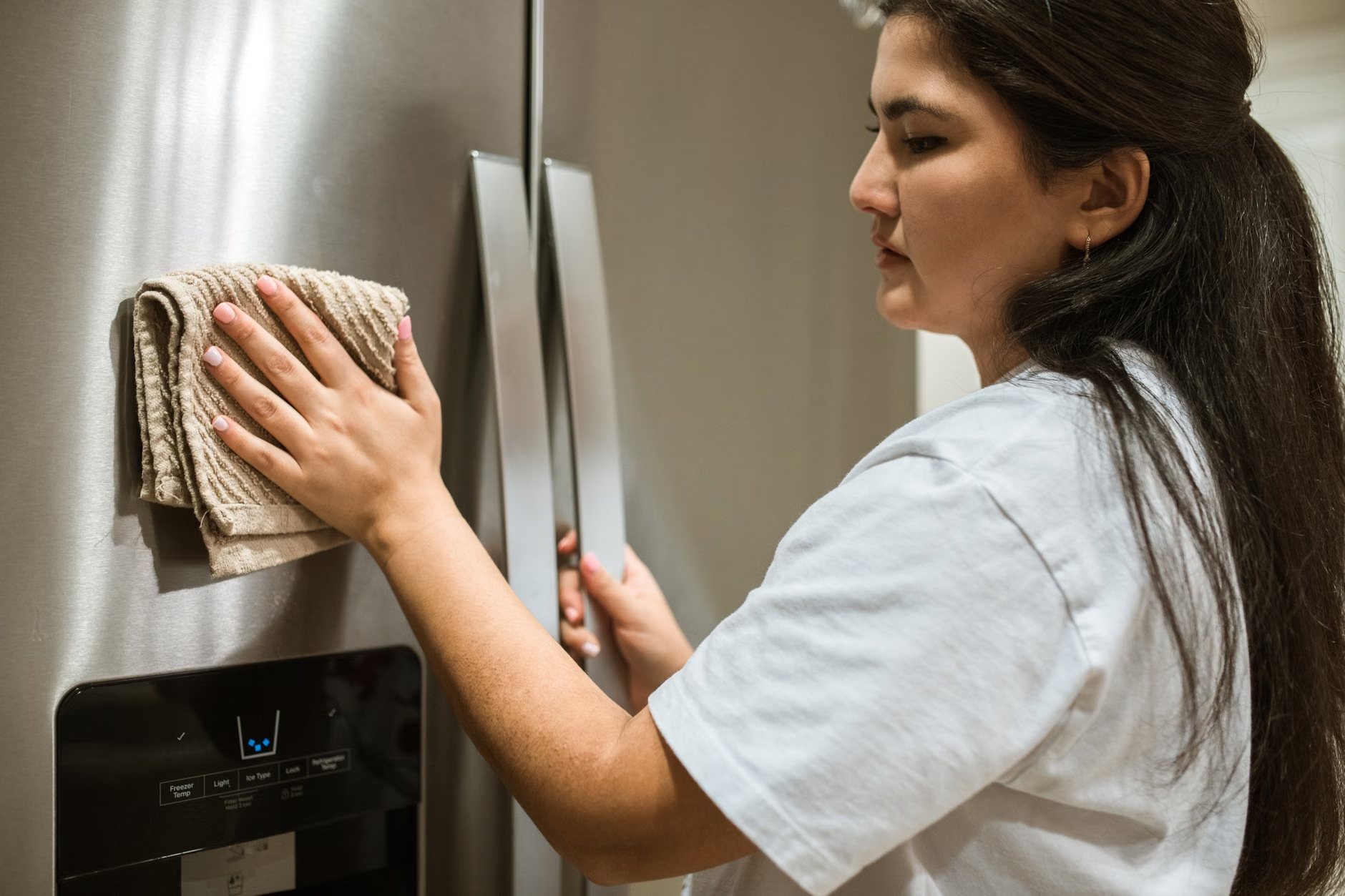
The first mistake most parents make is assigning individual tasks that feel disconnected. Instead, think in terms of “Domains.” A domain is a functional area of the house. For example, the “Morning Launchpad” (entryway, shoes, school bags) or the “Evening Reset” (kitchen counters, dishwasher, trash).
When you assign a domain to a sibling pair, you give them a shared objective. The older child acts as the “Domain Lead,” and the younger sibling acts as the “Junior Associate.”
| Domain | Mentor Role (Older) | Mentee Role (Younger) |
|---|---|---|
| Kitchen Reset | Loading dishwasher, wiping counters. | Clearing table, sorting cutlery. |
| Laundry Logistics | Folding, operating dryer, sorting. | Matching socks, putting away folded items. |
| Pet/Plant Care | Measuring food, health check. | Filling water bowls, basic grooming. |
This table isn’t just a list of tasks; it’s a delegation framework. Note how the mentor’s role requires more precision and foresight, while the mentee’s role focuses on execution. This allows the younger child to learn through observation and assistance before they are ready to take on the lead role themselves.
Step 2: The Art of the ‘Mentorship Brief’
You cannot simply announce, “You are now the mentor.” That will result in the older child becoming a mini-tyrant, which will only lead to resentment and rebellion. You need to provide the older sibling with a “Mentorship Brief.”
This is a short, calm meeting held at the start of the week. You explain that the goal is not for the older sibling to do all the work, but to ensure the work is done *correctly and safely*. You provide them with specific “Quality Control” metrics. For example, if they are teaching their younger sibling to load the dishwasher, the metric is: “No two spoons should be nesting together.”
Give the older child the authority to report back to you if the younger child is struggling. This shifts the dynamic from “snitching” to “problem-solving.” If the younger sibling is consistently failing at their task, the mentor’s job is to figure out *why*. Is the shelf too high? Is the basket too heavy? Does the younger child not understand the instructions? This teaches the older child empathy and management skills that are far more valuable than the actual task itself.
Step 3: Managing the Power Dynamic
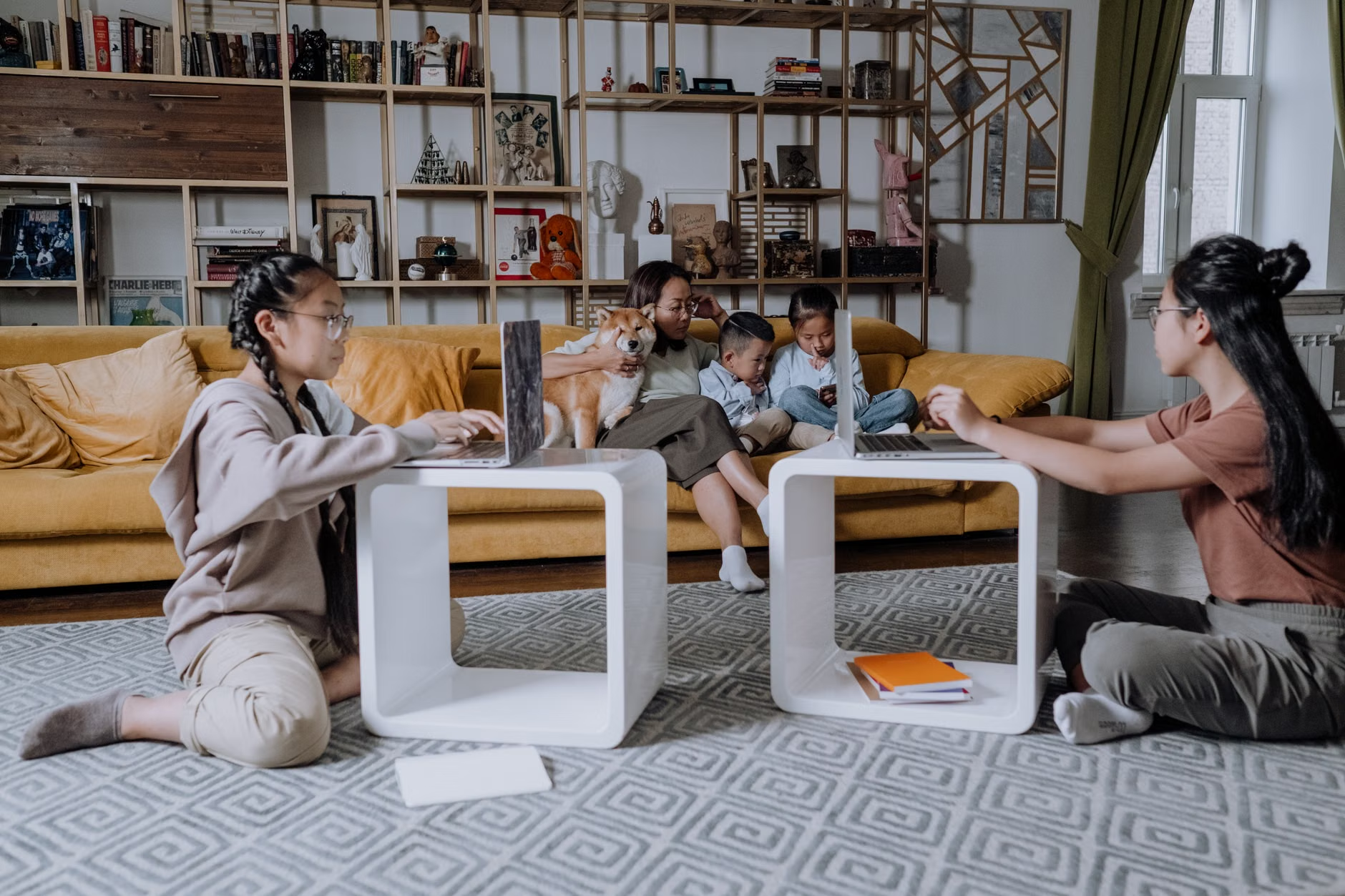
This is the most common failure point. If the older child abuses their power, or if the younger child feels bullied, the system collapses. You must enforce two non-negotiable rules:
- The “Coaching” Rule: Mentors are not allowed to shout or berate their mentees. If a mentor is frustrated, they must come to you for a “coaching reset.”
- The “Safety First” Rule: If a task is beyond the younger child’s physical or cognitive ability, the mentor must step in and perform the task themselves while the younger sibling observes.
To avoid the “bossy older sibling” trap, frame the mentorship as a responsibility, not a privilege. It is a job. If the mentor does a good job of teaching, they earn a specific reward (e.g., an extra 30 minutes of screen time or picking the Friday night movie). If they are abusive or dismissive, they lose that privilege.
Step 4: The Weekly Review (The ‘SoCooly’ Insight)
Don’t skip this. Once a week, hold a 10-minute “Family Sync.” This isn’t a lecture; it’s a debrief. Ask two questions: “What went well this week?” and “What do we need to fix for next week?”
This is where you catch the invisible problems. Maybe the younger child is tired on Thursdays and can’t handle the laundry. Maybe the older child finds the kitchen reset takes too long. By making this a collaborative review, you model how to manage a household as a team rather than as a hierarchy. You aren’t just managing chores; you are building a family culture of accountability.

Common Pitfalls and How to Avoid Them
The “Perfectionist Parent” Trap: You will be tempted to step in and fix the dishwasher because your child did it “wrong.” Stop. Unless it’s a safety issue (like broken glass), let it be. If the plates aren’t perfectly aligned, it doesn’t matter. The lesson is in the process, not the product. If you constantly correct them, you kill their motivation.
The Age Gap Mismatch: If your children are too far apart in age (e.g., 14 and 4), the mentor model needs to be adapted. A 4-year-old cannot be a “Junior Associate” for a 14-year-old in the same way a 10-year-old can. In this case, use the older child as a “Supervisor” who checks the younger child’s work rather than a direct trainer.
The “Task Fatigue”: Kids get bored. If you keep the same domains for three months, they will lose interest. Rotate domains every four to six weeks. This keeps the work fresh and ensures that both children eventually learn all aspects of home maintenance.
Why This Matters for Your Sanity
You are in your 30s or 40s. Your time is finite. If you are still doing the “manual labor” of parenting—picking up every toy, folding every shirt, cleaning every surface—you are burning the candle at both ends. By offloading these tasks to a system, you reclaim your mental bandwidth. You move from being a servant to being a facilitator.
More importantly, you are preparing your children for the real world. When they move out, they won’t have a “Manager” to tell them to do the dishes. They will have to develop their own internal systems. The Sibling-Mentor model is the rehearsal for that independence.
Frequently Asked Questions
Q: What if my children just refuse to cooperate with each other?
A: Start with smaller, non-negotiable tasks. If they cannot work together, they lose a shared privilege (like family movie night) until they can demonstrate a plan to work together. The consequence must be linked to the team aspect.
Q: How do I handle the age gap if the older child thinks it’s “unfair”?
A: Explain that the older child is learning leadership and management skills, which are “advanced” life skills. Frame the extra responsibility as a promotion, not a punishment. If they still push back, offer a tangible incentive that only the “Manager” gets.
Q: Is it okay to pay them for these chores?
A: That is a personal decision, but I recommend against it for basic “maintenance” chores. Chores are part of being a family. If you want to pay them, do it for “extra” tasks that go above and beyond the daily domain requirements. This prevents them from thinking they can “opt out” of family responsibilities if they have enough pocket money.
Ultimately, the Sibling-Mentor model is about trust. You are trusting your children to be capable, and they are learning to trust each other. It’s a slow process, and it won’t be perfect on day one. But over time, you will find that the house runs itself, and you spend less time nagging and more time actually enjoying your family.
For more on child development and household management, refer to the American Academy of Pediatrics’ resources on building healthy habits.