- Direct Cost Impact: Carbon border taxes (like the EU’s CBAM) primarily target heavy industries like steel and aluminum, meaning the immediate price hike for consumer electronics will likely be indirect rather than a direct “gadget tax.”
- Long-term Price Shift: As manufacturing supply chains decarbonize to avoid these taxes, the transition costs will eventually be passed down to consumers, potentially making “high-carbon” electronics more expensive over the next 5–10 years.
- Actionable Strategy: Instead of panic-buying gadgets, look for brands with transparent ESG (Environmental, Social, and Governance) reports, as these companies are better positioned to avoid future regulatory penalties.
If you have been keeping an eye on tech news lately, you might have seen headlines about a “Carbon Border Tax” and wondered if your next smartphone upgrade is about to get significantly more expensive. For those of us in our 30s and 40s, juggling household budgets, school fees, and the occasional splurge on a new tablet or laptop, the idea of a new regulatory layer adding to the already high cost of living is, frankly, exhausting. But before you assume a new government fee is going to slap an extra $100 onto your next iPhone, let’s look at what this actually means for your wallet and your home office.
The concept of a Carbon Border Adjustment Mechanism (CBAM) sounds like something straight out of a dense policy textbook, but it is effectively a way for governments to level the playing field. If a country imposes strict carbon taxes on its own manufacturers, it doesn’t want local companies to lose business to foreign competitors who produce goods in countries with lax (or non-existent) emissions regulations. The “Border Tax” is essentially a fee applied to imports to ensure they pay the same “carbon price” as locally produced goods.

Why This Matters for Your Tech Cabinet
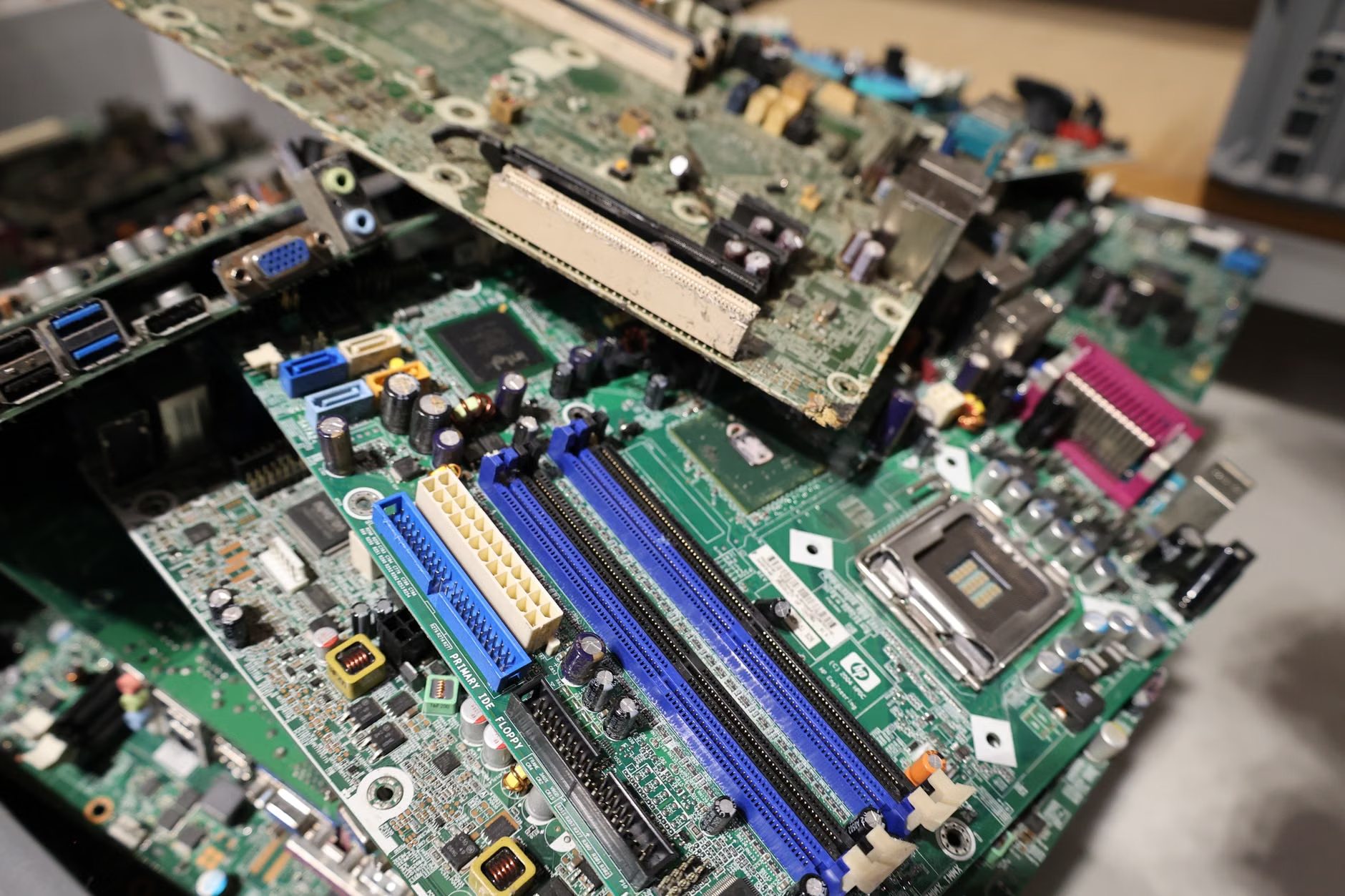
You might be asking, “If this is mostly about steel, cement, and aluminum, why should I care about my laptop?” The answer lies in the composition of your gadgets. Modern electronics are marvels of material engineering. A high-end laptop is not just silicon and plastic; it is built on a frame of aluminum or magnesium alloy, reinforced with steel components, and cooled by copper heat sinks. These are the exact “carbon-intensive” materials currently in the crosshairs of global climate regulations.
When the European Union—the current leader in implementing these mechanisms—or other major economies start taxing the carbon footprint of aluminum or steel imports, the manufacturers of your favorite tablets and smartphones will feel the heat. Even if the tax isn’t applied directly to the finished phone, it is applied to the raw materials used to make the chassis, the internal brackets, and the cooling systems. The manufacturers have three choices: absorb the cost, find cheaper (and likely less sustainable) materials, or pass the cost on to you.
For a parent managing a household, this matters because we are seeing a shift in how electronics are priced. We are moving away from an era of purely efficiency-driven costs toward an era of “true-cost” accounting. In this new landscape, a device that uses recycled aluminum—which has a lower carbon footprint—might actually become more competitively priced than a device made from virgin, high-carbon-intensity aluminum that has been hit with a border tax.
The Hidden Mechanics of Carbon Pricing in Electronics
To understand the potential price impact, we need to look at how these taxes function at the border. It is not a flat fee added at the checkout counter. It is a complex calculation based on the emissions generated during the production of the materials. If a manufacturer in a country with high coal reliance produces a ton of aluminum, that aluminum carries a heavy “carbon debt.” When it crosses the border into a regulated market, the importer must buy certificates to cover that debt.
Think of it like a toll road. If you take the highway that is perfectly maintained and environmentally friendly, you pay a lower toll. If you take the heavily congested, polluting route, the toll is steep. For a gadget company, the “toll” is the CBAM certificate. If your favorite tablet manufacturer imports thousands of tons of steel and aluminum from regions that haven’t transitioned to green energy, their “toll” bill will be massive. They will almost certainly bake that cost into the MSRP (Manufacturer’s Suggested Retail Price) of the device.

The Comparative Outlook: What Will Change?
We can look at this through a hypothetical comparison. Imagine two manufacturers of a mid-range smartphone:
| Factor | Manufacturer A (High-Carbon Supply) | Manufacturer B (Low-Carbon Supply) |
|---|---|---|
| Material Source | Coal-powered smelting | Hydro/Renewable-powered smelting |
| Border Tax Risk | High (Significant cost added) | Low (Minimal cost added) |
| Price Strategy | Must raise prices to cover taxes | Can maintain or lower prices |
| Long-term viability | High risk of regulatory fines | Resilient against future taxes |
As a consumer, this means that in the coming years, you might find that the “cheaper” brands—those that rely on older, dirtier supply chains—start to lose their price advantage. The brands that have invested in green energy and sustainable material sourcing will become the smarter, more economical choice. This isn’t just about saving the planet; it is about choosing the company that has done the best job at future-proofing their supply chain against the inevitable rise of climate-related trade policies.
What Should You Actually Do?
It is easy to get overwhelmed by the macroeconomics of global trade. However, for a regular person trying to upgrade their gear, the strategy is quite simple. You don’t need to track the carbon tax rates of every country. Instead, you need to start looking at where your tech comes from and how those companies report their impact.
First, stop looking for the absolute cheapest option on the shelf. Often, the cheapest device is the one that has ignored the long-term costs of environmental compliance. Second, check if the brand provides a “Product Carbon Footprint” report. Companies like Apple, Google, and Samsung are increasingly publishing these for their flagship devices. If a company doesn’t know—or doesn’t care to tell you—how much carbon went into their product, they are likely the same companies that will be hit hardest by future border taxes.
Third, consider the repairability and longevity of the device. A device that lasts four years instead of two is, by definition, the most carbon-efficient gadget you can own. The carbon tax is a signal that materials are becoming more expensive. By keeping your current devices in working order, you are insulating yourself from the price volatility that these new trade policies are going to inject into the electronics market over the next decade.
The “Carbon Border Tax” is not a boogeyman designed to ruin your family’s tech budget. It is a structural shift in the global economy. For those of us in our 30s and 40s, this is just another factor in the “adulting” equation. We already consider energy efficiency when buying a new refrigerator or a car; it is time to start applying that same lens to our personal electronics. The shift will be slow, and it will be subtle. You likely won’t see a “Carbon Tax” line item on your receipt, but you will see the price of certain goods creeping up while others remain stable.
The most important takeaway is to prioritize brands that are proactively managing their supply chains. These companies are not just being “green” for the sake of marketing; they are being strategic. They are avoiding the extra costs that come with high-emission manufacturing, which means they are less likely to pass those costs on to you in the form of price hikes. If you are planning a major tech purchase, look for companies that have committed to net-zero manufacturing targets. They are effectively giving you a discount on future regulatory costs.
Finally, do not fall into the trap of thinking you need to buy everything now before the “taxes hit.” The transition to cleaner manufacturing is a multi-year process. Panic-buying will only lead to owning outdated tech that becomes harder to repair or resell. Instead, take a measured approach: buy less, buy better, and buy from companies that understand the way the world is moving. Your wallet—and the planet—will thank you for it in the long run.
Frequently Asked Questions
Q: Will there be a new tax added to my Amazon checkout for gadgets?
No. The carbon border tax is a regulation on the import of raw materials and heavy industrial goods, not a sales tax on consumer products. You will not see a line item for “carbon tax” on your receipt, but you may see gradual price increases as manufacturers pass on their increased production costs.
Q: Does this mean I should stop buying from smaller or budget brands?
Not necessarily. It means you should evaluate budget brands based on their supply chain transparency. A smaller brand that sources responsibly may be more resilient than a larger brand that relies on outdated, high-emission factories. Always check if the company publishes ESG (Environmental, Social, and Governance) reports or information regarding their material sourcing.
Q: How can I tell if a gadget is “carbon-heavy”?
Look for the “Product Carbon Footprint” or “Environmental Report” on the manufacturer’s website. Major tech companies now provide detailed breakdowns of the emissions associated with their devices. If a company doesn’t provide this data, it is a strong signal that they are not prioritizing the sustainability of their supply chain, which could make their products more susceptible to price volatility as carbon regulations tighten.
For further reading on the specifics of the EU’s Carbon Border Adjustment Mechanism (CBAM) and how it affects global trade, you can visit the official European Commission page: https://taxation-customs.ec.europa.eu/carbon-border-adjustment-mechanism_en.