The most effective way to end a toddler’s emotional outburst isn’t through punishment or logic, but by using your own calm nervous system to stabilize theirs—a process known as co-regulation.
Key Takeaways
- ✅ Biology, not behavior: Toddlers lack the brain hardware (prefrontal cortex) to calm themselves down; they literally require an adult’s “borrowed” calm to regulate.
- ✅ The “Window of Tolerance”: Co-regulation works by keeping a child within their emotional window, preventing the “fight-or-flight” response from taking over completely.
- ✅ Self-regulation comes first: You cannot co-regulate a child if you are dysregulated yourself; your own physiological state is the most powerful tool in the room.
We’ve all been there. You’re in the middle of a grocery store, or perhaps just trying to put on shoes to leave the house, and suddenly your three-year-old is on the floor, screaming because their socks feel “wrong.” In that moment, your own heart rate spikes. Your face flushes. You might feel the urge to yell, to walk away, or to offer a bribe just to make the noise stop. It’s a primal reaction. But here is the hard truth: your toddler isn’t “giving you a hard time,” they are having a hard time. Their brain is currently experiencing a physiological storm they are physically incapable of weathering alone.
For decades, the standard advice was “ignore the behavior” or “put them in a time-out.” The idea was that if we didn’t reward the tantrum, it would stop. While that might change the behavior in the short term through fear or isolation, it does nothing to help the child learn how to actually manage the massive emotions surging through their tiny body. This is where co-regulation comes in. It’s not a “soft” parenting trend; it’s a biological necessity based on how human brains develop. Let’s dive into why this works and how you can actually do it without losing your mind.
The Neuroscience of the “Meltdown”: Why Logic Fails
To understand co-regulation, we first have to understand the “Upstairs Brain” and the “Downstairs Brain,” a concept popularized by Dr. Dan Siegel. The downstairs brain (the limbic system and brainstem) is responsible for basic functions and survival instincts. It’s where the “fight, flight, or freeze” response lives. The upstairs brain (the prefrontal cortex) is responsible for logic, reasoning, empathy, and—most importantly—emotional regulation.
In a toddler, the upstairs brain is under heavy construction. It won’t be fully “finished” until their mid-20s. When a toddler has an outburst, their downstairs brain has effectively staged a coup. They are in a state of high physiological arousal. Their amygdala is firing, their cortisol is spiking, and the connection to their logical upstairs brain has been temporarily severed. Asking a toddler in a meltdown to “calm down” or “explain why they are crying” is like asking someone to solve a math problem while they are being chased by a bear. It’s biologically impossible.
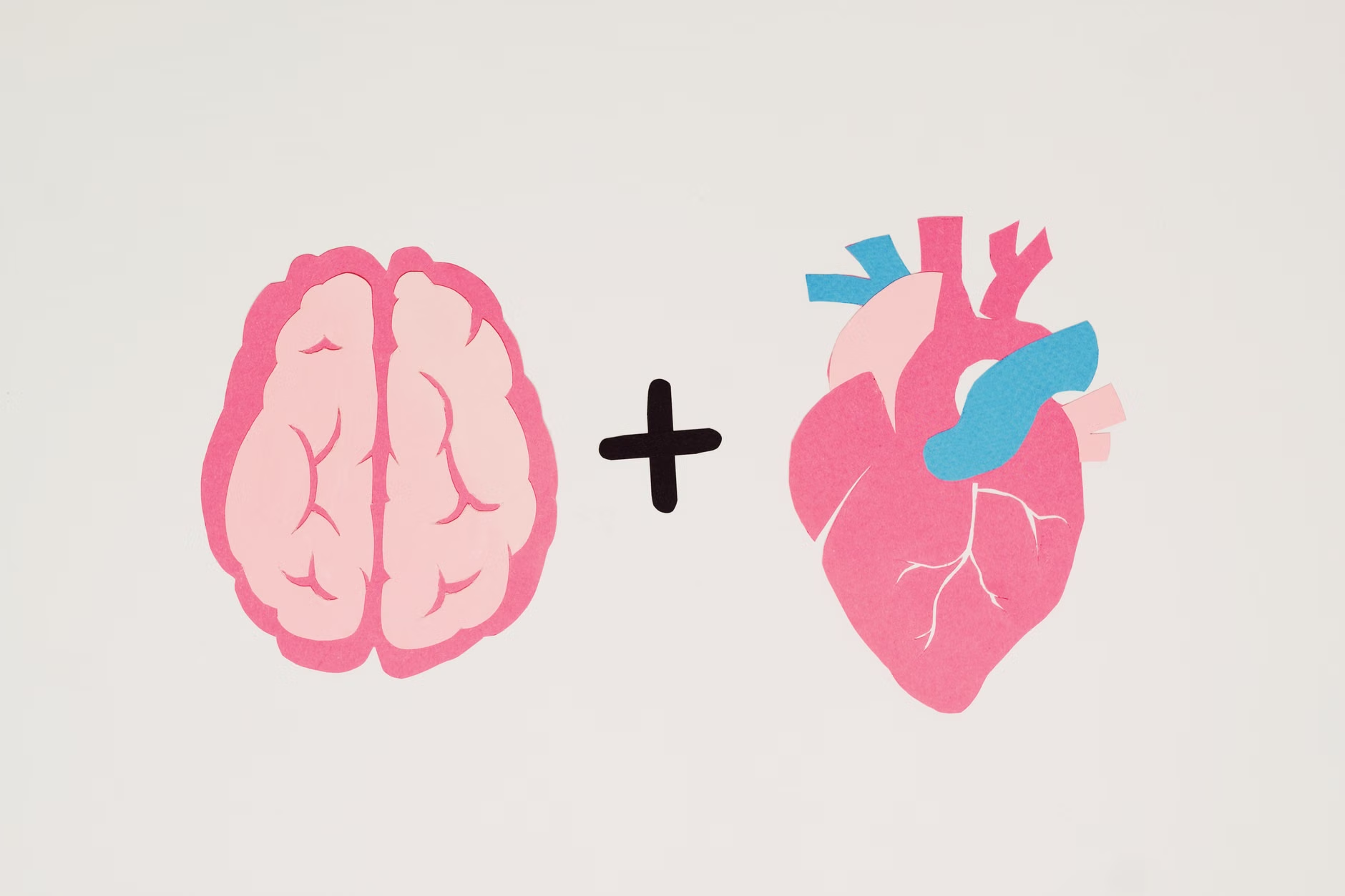
Co-regulation is the process by which the parent acts as the child’s “external prefrontal cortex.” By staying calm, present, and empathetic, you provide the safety signals the child’s downstairs brain needs to stand down. You are essentially “loaning” them your nervous system until they can find their own footing again.
The Three Pillars of Effective Co-Regulation
Co-regulation isn’t just about being “nice.” It’s a strategic intervention. To do it effectively, you need to focus on three specific areas: your own state, your physical presence, and your verbal response. If any of these are missing, the process usually stalls.
1. The Parent’s “Internal Weather”
This is the most difficult and most important step. Because of “mirror neurons,” children pick up on our internal state. If you are frustrated, tense, or angry, your toddler’s brain perceives that as a threat, which further fuels their meltdown. You cannot pour water on a fire if you are made of gasoline. Before you even speak to your child, you must check your own “internal weather.”
Practical Action: Take one “tactical breath”—inhale for four seconds, hold for four, exhale for eight. This sends a signal to your brain that there is no actual emergency. It lowers your heart rate and allows you to approach the situation with a clear head rather than a reactive one.
2. Physical Proximity and Safety
When a child is dysregulated, they need to feel safe. For some children, this means a firm hug (deep pressure can be very grounding). For others, it means you sitting quietly on the floor a few feet away. The goal is to be a “calm anchor” in their storm.
Decision Rule: If the child is flailing or pushing you away, do not force physical contact. Instead, stay close and say, “I’m sitting right here. I’ll keep you safe until you’re ready for a hug.” This maintains the connection without overstimulating an already overwhelmed nervous system.
3. “Name it to Tame it”
Once the child has started to descend from the peak of the outburst, you can begin to use very simple language. Avoid “Why” questions. Instead, use “What” and “How” or simple observations. Labeling the emotion helps bridge the gap between the downstairs and upstairs brain.

Let’s look at a common scenario: The “Blue Cup” Incident. You gave the toddler the green cup, but they wanted the blue one (which is currently in the dishwasher). Now they are screaming on the kitchen floor.
| Phase | The Goal | What to Do/Say |
|---|---|---|
| The Peak | Safety & De-escalation | Stop talking. Breathe. Ensure they aren’t hurting themselves. Stay close. |
| The Descent | Validation | “You really wanted that blue cup. It’s hard when things don’t go the way we want.” |
| The Recovery | Problem Solving | “The blue cup is dirty. Should we use the green one or the yellow one while we wait?” |
In this table, the most common mistake parents make is jumping to the “Recovery” phase while the child is still in “The Peak.” Logic only works when the nervous system is settled. If you try to explain why the blue cup is dirty while they are screaming, you are just adding more noise to their overwhelmed brain.
Common Misconceptions About Co-Regulation
Because co-regulation looks “gentle,” it is often mistaken for “permissive parenting.” This is a major misunderstanding. Co-regulation is about managing the emotion, not necessarily allowing the behavior.
- Misconception: “I’m rewarding the tantrum.”
Fact: Comforting a distressed child is not a reward; it’s a biological requirement. You wouldn’t say you’re “rewarding” a baby for crying by feeding them. A dysregulated toddler is in genuine distress. Once they are calm, you can still hold the boundary (e.g., “We still can’t have the blue cup, but I’m here while you’re sad about it”). - Misconception: “They need to learn to calm themselves down.”
Fact: Self-regulation is a skill that is learned through thousands of repetitions of co-regulation. You cannot teach a child to swim by throwing them in the middle of the ocean; you stay in the water with them until they have the strength to stay afloat. - Misconception: “It takes too long.”
Fact: While a co-regulation approach might take 10 minutes today, it builds the neural pathways that lead to shorter outbursts tomorrow. Traditional “power struggles” often drag on for hours and leave everyone exhausted and disconnected.
The “Window of Tolerance”: Knowing When to Push and When to Pivot
Every human has a “Window of Tolerance”—a zone where we can handle stress and emotions effectively. When we are pushed outside this window, we either go into “Hyper-arousal” (screaming, hitting, tantrums) or “Hypo-arousal” (shutting down, zoning out, refusing to speak).
Toddlers have a very narrow window. Things like hunger, tiredness, or overstimulation (the “HALT” acronym: Hungry, Angry, Lonely, Tired) shrink that window even further. As a parent in your 30s or 40s, your job is to monitor that window. If you see your child approaching the edge—maybe they are getting whiny or their movements are becoming erratic—that is the time for proactive co-regulation. Don’t wait for the explosion. Offer a snack, a change of scenery, or a quiet moment of connection immediately.

The Hidden Cost of “Toughening Them Up”
Some might argue that children need to “toughen up” and handle their own problems. However, research in developmental psychology suggests the opposite. When children are consistently left to “cry it out” or are isolated during high emotional distress, their brains learn that “emotions are dangerous” or “I am alone when I am at my worst.”
This can lead to a lifetime of emotional suppression or, ironically, even greater dysregulation in adulthood. By practicing co-regulation, you are teaching your child that emotions are manageable, that they aren’t “bad” for having feelings, and that they have a safe place to return to when the world gets too big. This is the foundation of Emotional Intelligence (EQ), which is a better predictor of long-term success than IQ.
Practical Tips for the “Triggered” Parent
Let’s be honest: Staying calm when a toddler is screaming in your face is incredibly hard. If you find yourself losing your cool, you are also dysregulated. Here’s what to do:
- Acknowledge it: Say out loud (even to the toddler), “I’m starting to feel very frustrated, so I’m going to take three deep breaths.” This models self-regulation for them.
- Change the sensory input: Sometimes just stepping out of the room for 30 seconds, or putting on some noise-canceling headphones (you can still see the child to ensure they are safe), can break the cycle of your own rising anger.
- The “Future Self” Trick: Imagine your child as a 25-year-old coming to you with a problem. How would you want to react then? Use that perspective to soften your response now.
Summary: The Path to a Calmer Household
Co-regulation is not a magic wand that stops tantrums instantly. It is a long-term investment in your child’s brain development and your relationship with them. By focusing on connection before correction, you move from being an adversary in their outbursts to being a coach. The goal isn’t to have a child who never cries; it’s to have a child who knows how to find their way back to calm because you showed them the way, over and over again.
Next time the “wrong” color cup triggers a meltdown, remember: your calm is contagious. Use it.
Official Sources for Further Reading:
Harvard Center on the Developing Child: Building Self-Regulation
Zero to Three: Co-Regulation Foundations
Frequently Asked Questions
Q: Does co-regulation mean I have to give my child whatever they want to make them stop crying?
A: Absolutely not. Co-regulation is about supporting the emotion, not changing the limit. You can say, “I see you’re very sad that we have to leave the park. I’m here to sit with you while you’re sad,” while still physically moving toward the car. You validate the feeling while holding the boundary.
Q: What if I lose my temper and yell? Have I ruined the process?
A: No. Perfection isn’t the goal; repair is. If you lose your cool, wait until everyone is calm, then apologize. “I’m sorry I yelled. I was feeling frustrated, and I should have taken a breath. Let’s try again.” This is actually a powerful teaching moment for your child to see how to handle mistakes.
Q: My child is 5 or 6; is it too late to start co-regulation?
A: It is never too late. While the toddler years are a critical window for brain development, the human brain remains plastic. Even teenagers and adults benefit from co-regulation. Starting now will still have a profound impact on their emotional health and your family dynamic.