The most effective nursery isn’t the one filled with the latest high-tech gadgets or expensive, matching furniture sets; it is the one designed for adaptability, allowing your space to evolve as your child grows without requiring a complete overhaul every six months.
- Prioritize Multi-functionality: Invest in furniture that serves at least two purposes or stages, such as a changing table that becomes a bookshelf.
- Quality Over Quantity: A ‘post-growth’ mindset replaces the cycle of buying cheap, disposable gear with fewer, high-quality items that hold resale value and durability.
- Design for Transitions: Avoid “theme-heavy” decor that dates quickly; instead, use neutral color palettes that you can refresh with inexpensive accessories as your child’s interests change.
The Trap of the ‘Growth’ Mindset in Parenting
If you have spent any time on social media or parenting forums, you have likely seen the “perfect” nursery: the matching set, the elaborate wallpaper, and the mountain of plastic toys that seem to multiply overnight. This is the “Growth” mindset—the idea that to be a prepared parent, you must buy everything, all at once, in a specific aesthetic package.
The problem? Children grow at a staggering rate. A bassinet is useful for three months, a specialized infant lounger for even less, and those cute, themed wall decals often look childish by the time your toddler turns three. This leads to a cycle of consumption that is exhausting for your wallet and overwhelming for your home’s ecosystem. The ‘Post-Growth’ philosophy—a concept borrowed from economics—argues that we should focus on well-being and stability rather than constant, material expansion.
In the context of a nursery, this means shifting your focus from “What do I need to buy for the newborn stage?” to “How can this room function for the next five years?” It is about stopping the constant cycle of buying, discarding, and replacing. It is not about deprivation; it is about intentionality. When you step back from the pressure to curate an Instagram-ready room, you find that you have more space, more money, and significantly less clutter to manage during those already chaotic early years.
The Economics of Nursery Furniture: Why “Convertible” Wins
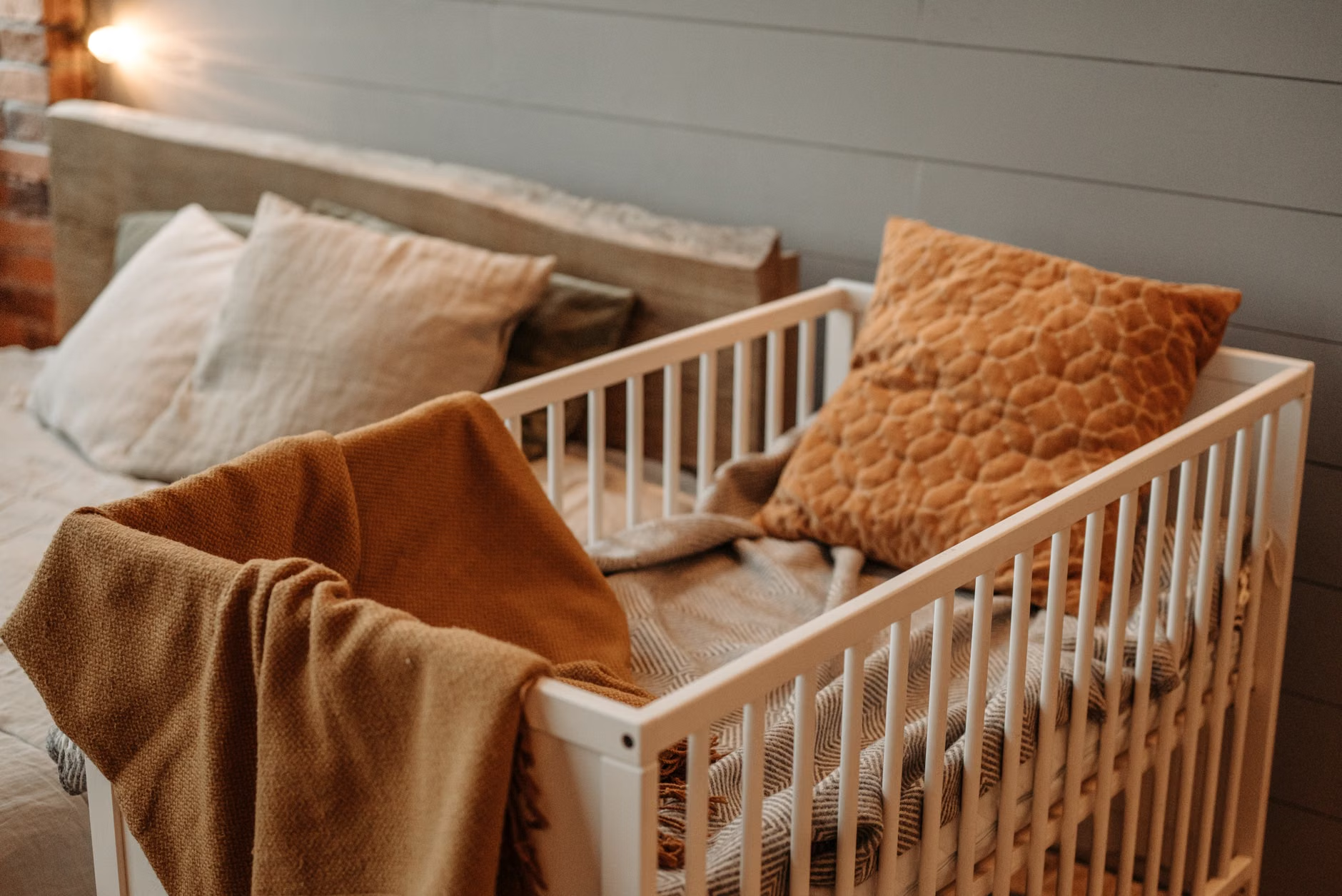
When shopping for nursery furniture, the most common mistake is buying items that have a single, short-term function. A standard changing table is a classic example. It is a piece of furniture that takes up a significant footprint and, after 18 to 24 months, becomes essentially useless unless you have another child immediately waiting in the wings.
Compare this to a “Post-Growth” approach, where you select pieces that serve multiple stages. Many modern, high-quality brands now offer convertible cribs. While the initial investment is higher, the long-term cost is lower. A crib that converts into a toddler bed, and eventually a full-size headboard, pays for itself by eliminating the need for two additional furniture purchases.
| Item Type | Standard Approach | Post-Growth Approach |
|---|---|---|
| Changing Station | Single-purpose table (1.5 years of use) | Dresser with a topper (5+ years of use) |
| Crib | Standard infant crib (2 years of use) | 4-in-1 convertible bed (10+ years of use) |
| Storage | Plastic bins/themed organizers | Modular shelving/neutral baskets |
The dresser-as-changing-table is perhaps the most practical application of this rule. By purchasing a sturdy, full-sized dresser, you gain storage space that remains useful long after diapers are a memory. You aren’t just buying furniture; you are buying a long-term storage solution for clothing, books, and toys. This shift prevents the “nursery-to-bedroom” transition nightmare where you have to throw out half the room’s furniture because it looks too “babyish.”
Designing for Longevity: The Neutrality Strategy
We often feel pressured to pick a “theme”—jungle animals, space travel, or soft pastels. While these can be charming, they are rarely sustainable. A child’s interests change rapidly. By the time they can express an opinion, they may decide they hate the jungle theme you spent weeks perfecting. A ‘Post-Growth’ nursery utilizes a neutral base: white walls, natural wood tones, and high-quality, durable fabrics.
Why does this matter? Because it lowers the barrier to entry for change. If you want to refresh a room with a neutral base, you simply change the rug, the pillows, or the wall art. These are low-cost, low-effort changes. If your walls are painted a specific, theme-based color or covered in permanent wallpaper, you are locked into that design until you have the time and budget to repaint or strip the walls—a project most parents of young children simply do not have the bandwidth for.
Consider the “Rule of Three” for color: pick one neutral base (e.g., warm white or soft grey), one primary material (e.g., light oak), and one accent color (e.g., muted sage). This keeps the room cohesive without forcing you into a rigid, theme-based trap. It also makes the room feel more like a part of your home rather than a specialized, isolated “baby zone.”
The Hidden Costs of Nursery Clutter
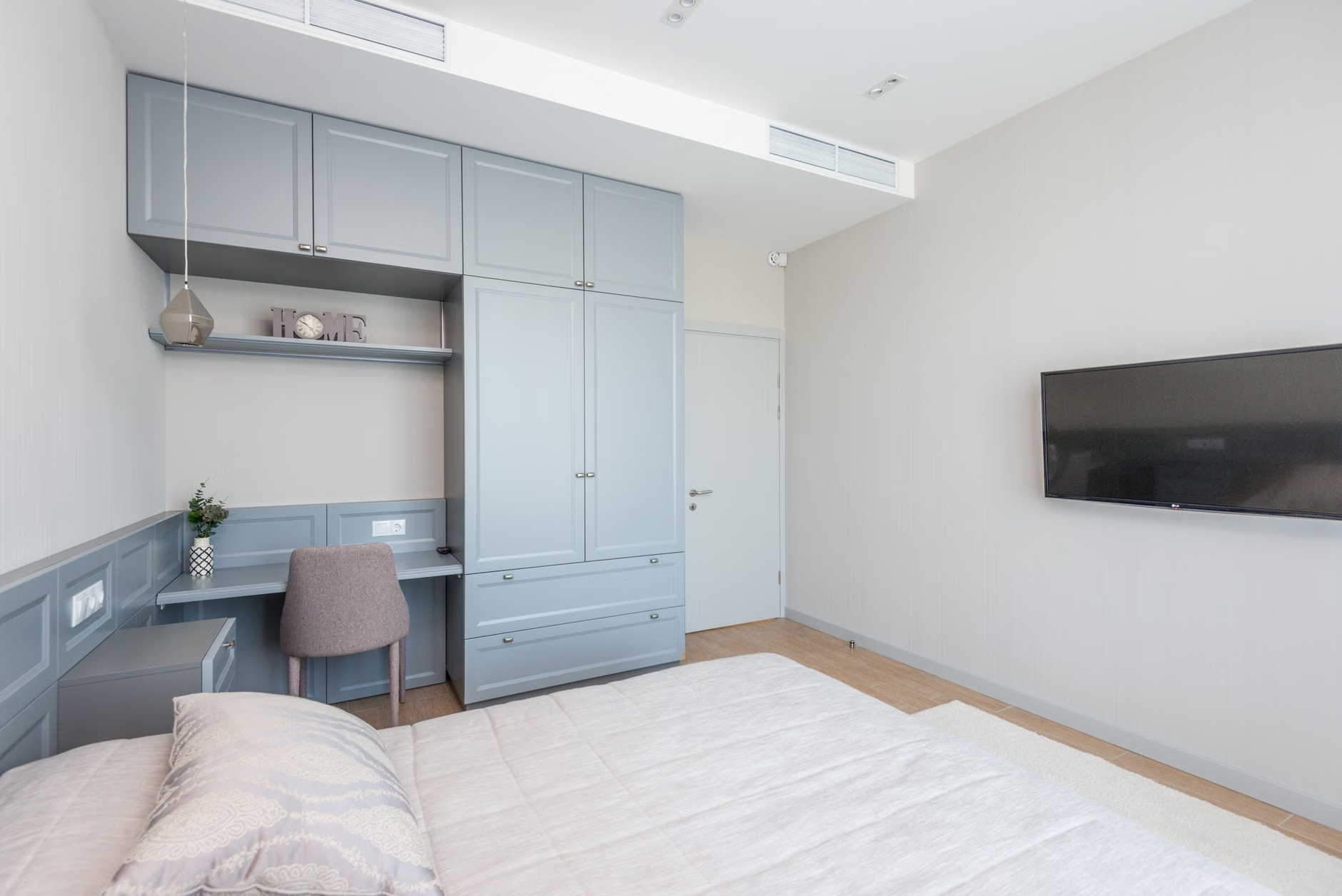
Clutter is not just a visual nuisance; it is a cognitive load. For parents in their 30s and 40s, life is already stretched thin between professional responsibilities and childcare. A nursery filled with specialized equipment—wipe warmers, bottle sanitizers, specialized diaper pails, and dozens of plush toys—creates a constant maintenance cycle. You spend more time cleaning, organizing, and navigating around these items than you do actually enjoying the space.
The ‘Post-Growth’ approach advocates for “essentialism.” Before buying any item, ask yourself: Does this solve a problem that I actually have, or does it solve a problem that marketing *told* me I have? A wipe warmer, for example, is a classic example of a product that creates a dependency. If your baby gets used to warm wipes, they will be miserable when you are out and about and have to use a cold one. By not starting that habit, you eliminate the need for the device and the hassle of managing it.
Storage should also be considered through the lens of accessibility. Open shelving with large, labelled baskets allows you to put things away quickly. When storage is complicated (e.g., small drawers, hidden compartments), it is harder to maintain. Keep the most frequently used items at waist height and the seasonal or long-term items in higher, less accessible spots. This isn’t just about tidiness; it is about reducing the friction in your daily routine.
Practical Steps to Implement the Post-Growth Philosophy
If you are currently setting up a nursery or looking to reorganize, start by auditing your space. Here is a step-by-step framework to transition your nursery into a more sustainable, post-growth environment:
- The Inventory Audit: List everything in the nursery. Ask yourself which items are “transitional” (used for < 6 months) and which are "durable" (used for 3+ years). If you have too many transitional items, look for ways to consolidate.
- The Multi-Function Test: Before buying any new piece, ask: “Can this piece of furniture be used in a different room if we move or if the child outgrows it?” If the answer is no, reconsider the purchase.
- The ‘Slow Decor’ Approach: Do not try to finish the room before the baby arrives. Buy the essentials (crib, changing dresser, chair) and wait to see how the room actually functions. You will likely find that you need different storage solutions than you initially thought.
- Prioritize Resale Value: Buy high-quality, recognizable brands for furniture. If you ever do need to get rid of them, they will hold their value on the secondary market. Cheap, particle-board furniture often ends up in a landfill, while solid wood pieces can be sold or passed down.
One overlooked variable here is the emotional connection to items. We often keep “baby” items because they feel sentimental. The ‘Post-Growth’ philosophy isn’t about being cold or unfeeling; it is about recognizing that your child’s growth is the point of the whole exercise. Keeping a mountain of gear doesn’t keep them a baby any longer. It just makes the room feel stagnant.
Addressing the Common Misconception: Is Post-Growth Just Minimalism?
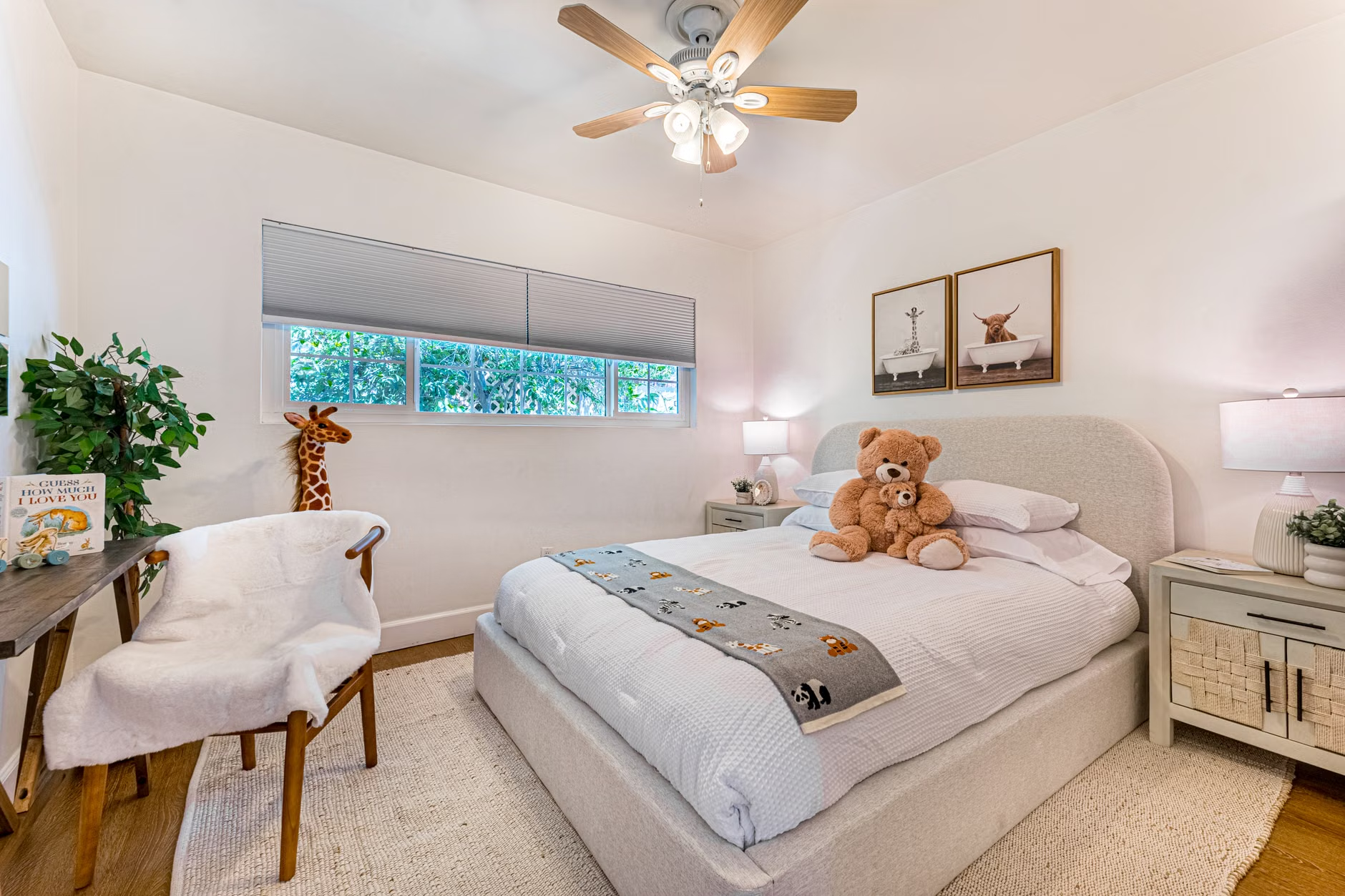
There is a common misunderstanding that “Post-Growth” or “Minimalist” design means a cold, sterile, or empty room. This couldn’t be further from the truth. The goal is not to have as few things as possible; it is to have as many *useful* and *meaningful* things as possible. A room filled with books, a comfortable chair for reading, and a few high-quality toys is far warmer and more engaging than a room filled with plastic gadgets that light up and make noise.
When you strip away the unnecessary, you actually create more room for the things that matter. You have more floor space for tummy time, more space for reading, and more space for your child to explore as they start to crawl and walk. The room becomes a playground rather than a storage unit for baby gear.
Another point to consider is the sensory environment. Many modern baby products are over-stimulating. A post-growth nursery tends to be quieter, with softer lighting and natural textures. This isn’t just an aesthetic choice; it can contribute to a calmer environment for both you and your baby, especially during the often-stressful bedtime routine.
Final Considerations: A Shift in Perspective
Ultimately, the nursery is a transition space. It is a place that exists to support your child’s development, not a museum to your parenting aesthetic. When you let go of the pressure to have the “perfect” setup, you gain the freedom to focus on what actually matters: spending time with your child. The equipment you choose should fade into the background, providing support without demanding attention.
If you find yourself feeling overwhelmed by the sheer volume of “must-have” items, remember that the most important element of any nursery is the presence of the parent. No amount of high-end furniture can replace the comfort of your voice, your touch, and your attention. Focus on creating a space that makes your daily tasks easier and your shared time more enjoyable. The rest—the trends, the gadgets, the “must-have” accessories—is just noise.
Start by simplifying one corner of the room this weekend. Remove the items you haven’t touched in a month and see how it changes the feel of the space. You might be surprised at how much lighter the room—and your mind—feels.
Frequently Asked Questions
Q: Is it really possible to skip most of the “must-have” nursery gear?
A: Absolutely. Most of what is marketed as “essential” is purely for convenience. While some items like a sound machine or a reliable monitor are genuinely helpful, many others—like wipe warmers, specialized diaper disposal systems, and excessive swaddle varieties—are entirely optional. Focus on the basics first and add items only when you identify a genuine, recurring problem that needs solving.
Q: How do I handle gifts or hand-me-downs that don’t fit the ‘Post-Growth’ philosophy?
A: This is a common challenge. If you receive items that you know you won’t use or that create clutter, consider them “temporary.” Use them if they are helpful, but don’t feel obligated to keep them permanently. If they are brand new, consider passing them on to a local charity or a friend who might actually need them. You are not being ungrateful; you are being intentional about your home environment.
Q: What if I have a very small space?
A: The ‘Post-Growth’ philosophy is actually even more effective in small spaces. Because you are prioritizing multi-functional furniture and avoiding unnecessary gadgets, you naturally keep the footprint of your baby’s gear to a minimum. In small apartments, this approach is often the difference between a functional home and a claustrophobic one.
For further reading on sustainable parenting and reducing household waste, you can check out resources from Zero Waste Home, which offers excellent, practical advice on simplifying your lifestyle, or the EPA’s guide on sustainable living for broader tips on reducing your environmental footprint.