The most effective way to improve your child’s academic confidence isn’t necessarily a high-priced private tutor; it is often the older sibling sitting right across the table. By shifting from a parent-led homework struggle to a ‘sibling-mentor’ model, you reduce your own daily stress while fostering deeper cognitive growth and emotional maturity in both your children.
- Cognitive Reinforcement: When an older sibling teaches a younger one, they solidify their own mastery of the subject, often reaching a deeper level of understanding than they would through passive study.
- Lowering Anxiety: Homework assistance from a peer or sibling is often perceived as less intimidating than instruction from a parent, which can inadvertently carry the pressure of performance expectations.
- Strategic Delegation: The goal is not to offload parenting but to cultivate a peer-teaching dynamic that builds autonomy; this requires clear boundaries, incentivized collaboration, and periodic parent oversight.
Why the Sibling-Mentor Model Outperforms Traditional Tutoring
If you are in your 30s or 40s, you likely remember the “homework hour” as a mix of frustration, patience-testing, and the occasional feeling that you are re-learning 4th-grade math while dinner burns on the stove. The sibling-mentor model changes the physics of this interaction. Instead of the parent being the sole source of authority and knowledge, the older sibling takes on the role of a guide.
This works because of a concept often called the “Protégé Effect.” Research in educational psychology suggests that when a student prepares to teach another, they organize information more effectively and engage in deeper metacognitive processing. The mentor (the older child) isn’t just reciting facts; they are forced to break down complex ideas into digestible pieces for the younger child. This process forces them to identify the gaps in their own understanding.
For the younger sibling, the power dynamic is vastly different. A parent’s correction can feel like a critique of intelligence or effort. An older sibling’s correction—provided the dynamic is healthy—feels like a shared secret or a bridge to understanding. It normalizes the struggle of learning. When the older sibling says, “I struggled with this fraction problem last year, too, here is how I finally got it,” the younger child feels validated rather than evaluated.

Setting the Rules: How to Structure the Dynamic
You cannot simply tell your children to “work it out” and walk away. That is a recipe for sibling rivalry, not academic success. The sibling-mentor model requires a structural framework to prevent the older child from feeling burdened and the younger child from feeling patronized.
First, define the scope of the mentorship. The older child should act as a facilitator, not a homework machine. Their job is to ask guiding questions—”What do you think the first step is?” or “Let’s look at the example in the book together”—rather than providing the answers. If the older child simply does the work for the younger one, the educational value is lost, and you have essentially created a “homework completion service” that does nothing for the younger child’s cognitive development.
Second, incentivize the process. This doesn’t necessarily mean money. It can be a “mentor’s privilege,” such as an extra 15 minutes of screen time, choosing the family movie on Friday, or simply receiving explicit verbal recognition for their leadership. When the older child feels their time is valued, they approach the task with a sense of purpose rather than resentment.
Third, establish clear boundaries for when the parent must intervene. The mentor should know exactly when to “tap out” and bring the parent in. This usually happens when the older sibling feels frustrated, when the younger sibling is becoming overwhelmed, or when the subject matter is clearly beyond the mentor’s grasp. This prevents the “blind leading the blind” scenario and keeps the tone of the session constructive.
| Role | Responsibility | Boundary |
|---|---|---|
| Mentor (Older) | Guiding, explaining, breaking down steps. | Never provide direct answers; stop if frustration peaks. |
| Mentee (Younger) | Attempting problems, asking questions. | Must show effort before seeking help. |
| Parent | Providing resources, observing, mediating. | Don’t hover; step in only when requested or needed. |
Common Pitfalls and How to Avoid Them
The most common mistake parents make is assuming this model is a “set it and forget it” solution. In reality, it requires careful calibration. One major issue is the “Expertise Gap.” If the age gap is too small, the older sibling may be just as confused as the younger one. If the gap is too large, the older sibling may have forgotten the nuance of the younger child’s curriculum, leading to outdated or overly complex explanations.
Another pitfall is “The Resentment Factor.” If the older child is constantly forced to help, they will eventually view the younger child as a burden. To mitigate this, ensure the mentorship sessions are limited in duration. A 30-minute session is usually the “sweet spot.” Beyond that, the quality of interaction drops, and the potential for friction increases significantly.
You must also monitor for “Performance Pressure.” If the older sibling is a high achiever, they might be impatient with the younger child’s slower pace. As a parent, you need to step in and normalize the slower pace. Remind the older child that their role is not to speed up the process but to ensure the younger child understands the *how* and *why*. This is a lesson in empathy and communication—skills that are just as valuable as the math or science being learned.
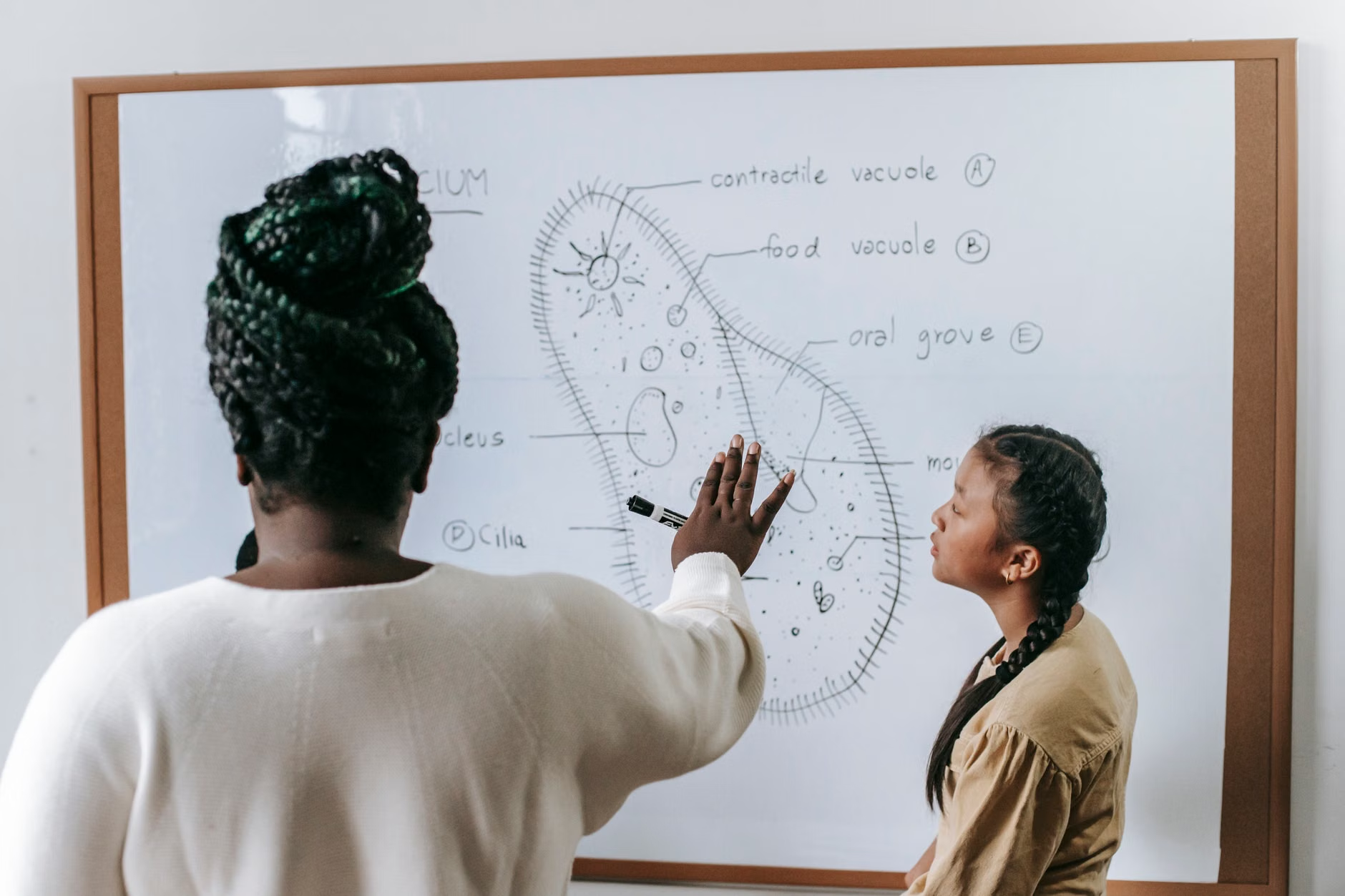
The Hidden Benefits for the Older Child
We often focus on the benefit to the younger child, but the older sibling gains significant “soft skills” through this process. They are essentially practicing management, patience, and communication. In the modern world, where collaborative work is the norm in almost every professional field, these experiences are incredibly formative.
Consider the “Explainability Test.” If you cannot explain a concept to someone else, you do not truly understand it yourself. By teaching their sibling, the older child is reinforcing their own knowledge base. This is a form of active recall that is far more effective than just re-reading a textbook. You may find that the older child’s own grades improve as a byproduct of their mentorship duties.
Furthermore, this model builds a sense of family cohesion. In many households, children live parallel lives, only interacting during meals or conflicts. The sibling-mentor model creates a shared objective. They are a team working toward a common goal—getting the homework done so they can both move on to leisure time. This shared struggle, when managed correctly, builds a bond that lasts long after the homework is finished.
When the Sibling-Mentor Model Is Not the Right Choice
It is important to be realistic: this model is not a panacea. There are specific conditions where you should avoid it. If there is a pre-existing history of severe sibling rivalry or bullying, forcing them together for homework time will only exacerbate the tension. The environment must be one of mutual respect, not forced labor.
Additionally, if the younger child has specific learning disabilities or requires specialized pedagogical approaches (such as those for dyslexia or ADHD), the older sibling is likely not equipped to handle these needs. In such cases, professional intervention is necessary. Do not try to “fix” a learning challenge with a sibling-mentor model; it is a tool for support, not a replacement for professional educational therapy.
Finally, consider the personalities involved. Some children are naturally inclined to be teachers, while others find the role stressful. If your older child is naturally introverted or currently overwhelmed with their own heavy academic workload, do not pressure them. The goal is to enhance the household dynamic, not add another layer of stress to an already busy life.
Implementing the Model: A Step-by-Step Guide for Parents
If you want to start this today, don’t jump in head-first. Start with a trial period. Sit down with both children and explain that you are trying a new system to make homework time “less of a chore for everyone.”
- The Agreement: Ask the older child if they are willing to help for 20-30 minutes a few times a week. Make it optional to start. If they agree, define what “helping” looks like. Use the table above as a guide.
- The Setup: Ensure they have a dedicated, quiet space. Distractions are the enemy of this model. If they are trying to teach while the TV is on, the cognitive load will be too high for both.
- The Observation Phase: For the first week, sit in the same room (perhaps reading your own book or working on your laptop) to observe the dynamic. Do not intervene unless there is a conflict or a clear misunderstanding. This is the “calibration” phase where you learn how they communicate.
- The Feedback Loop: At the end of the week, have a brief check-in. Ask the older child what was difficult, and ask the younger child what was helpful. Adjust the strategy based on their feedback.
- The Graduation: Over time, give them more autonomy. If they are working well together, you can withdraw your presence entirely, checking in only at the end to review the completed work.
Refining the Approach: Beyond Homework
Once the sibling-mentor model is established for homework, you will likely find that the skills translate into other areas of life. The older child may begin to help the younger one with hobbies, technology, or even social navigation. This is the ultimate goal: creating a self-sustaining support system within your family unit.
However, keep an eye on the “burnout” metric. If you notice the older child becoming irritable or the younger one becoming overly dependent, hit the reset button. The model is a tool, and like any tool, it needs maintenance. Sometimes, that means taking a week off or reverting to parent-led homework to recalibrate.
Remember that the ultimate goal is not just the completion of an assignment. It is the development of a learner who knows how to ask for help, and a leader who knows how to provide it. By facilitating this, you are teaching them life skills that will serve them far better than any single grade on a homework assignment ever could.
Frequently Asked Questions
1. What should I do if the older sibling provides the wrong information?
Do not embarrass the older sibling in front of the younger one. Instead, frame it as a learning opportunity for both. Say something like, “That is an interesting way to look at it, but let’s double-check the textbook to be sure.” This preserves the mentor’s authority while ensuring the information is accurate.
2. How do I handle it when the younger sibling refuses to listen to the older one?
This usually signals a breakdown in the sibling dynamic rather than the homework itself. Take a break. If the younger child cannot respect the mentor, the privilege of having a mentor is temporarily revoked. The younger child then has to work with the parent, which is often less “fun” and more structured, providing a natural incentive to cooperate with the older sibling next time.
3. At what age gap is this model most effective?
While there is no “perfect” age gap, a gap of 2 to 5 years is often ideal. The older child has enough maturity to grasp the concepts, but they are not so far removed from the younger child’s curriculum that they have forgotten the specific challenges of that grade level. However, even with smaller or larger gaps, the model can work if the personality fit is right.
For further reading on the “Protégé Effect” and its impact on learning, you can refer to the research published by the Association for Psychological Science regarding peer-teaching dynamics and cognitive retention: https://www.psychologicalscience.org/
Note: Always ensure that your children’s school curriculum is the primary guide for the material being covered. If you have concerns about the accuracy of the teaching, prioritize the teacher’s guidelines over any informal mentorship.