- Ferry-hopping eliminates “airport fatigue” by replacing security lines and rigid boarding gates with open decks, fresh air, and the ability to move freely with children.
- Slow-adventure is not just a trend; it is a practical strategy to reduce the hidden costs of family travel, such as expensive last-minute snacks, baggage fees, and the exhaustion of constant transit.
- Success requires a “hub-and-spoke” planning model: Book one solid base for three nights and use the ferry network for day-tripping to smaller, less crowded islands or coastal villages.
If you are in your 30s or 40s, you know the drill: the “family vacation” often feels like a logistical operation that leaves you more exhausted than when you left. Between the liquid limits at airport security, the frantic hunt for a stroller-friendly gate, and the exorbitant cost of airfare for a family of four, the joy of travel can get buried under a pile of stress. This is where the concept of “slow-adventure” via ferry-hopping comes in—a way to travel that actually feels like a holiday.
Ferry-hopping isn’t about rushing to reach a destination; it’s about treating the journey as the event itself. Whether you are navigating the Greek Cyclades, the fjords of Norway, or the islands of the Pacific Northwest, the ferry is the great equalizer. It allows you to bring your own gear, walk around when your toddler gets restless, and watch the coastline change at 20 knots instead of 30,000 feet.
Why the “Slow-Adventure” Model Beats Traditional Air Travel
When you fly, you are paying for speed, but you are also paying for extreme rigidity. For a family, that rigidity is often the enemy. A flight delay can cascade into missed connections, lost luggage, and a complete breakdown of your carefully planned itinerary. Slow-adventure, by contrast, relies on the frequency of regional ferry networks.
The Hidden Costs of Speed:
| Factor | Air Travel (The “Fast” Way) | Ferry-Hopping (The “Slow” Way) |
|---|---|---|
| Flexibility | Rigid; change fees often apply. | High; walk-on tickets are usually flexible. |
| Baggage | Strict weight/size limits; high fees. | Generous; bring what you can carry. |
| On-board Experience | Confined seating; screen time required. | Open decks; space to roam and play. |
| Stress Level | High (security, boarding, turbulence). | Low (fresh air, scenic views, movement). |
The core advantage here is autonomy. When you are on a ferry, you are not a captive passenger. You can go to the deck, you can eat a packed lunch, and you can change your plans on the fly if the weather turns or if you hear about a local festival on a neighboring island. This is the definition of “slow-adventure”—prioritizing the quality of the transit experience over the mere minimization of travel time.
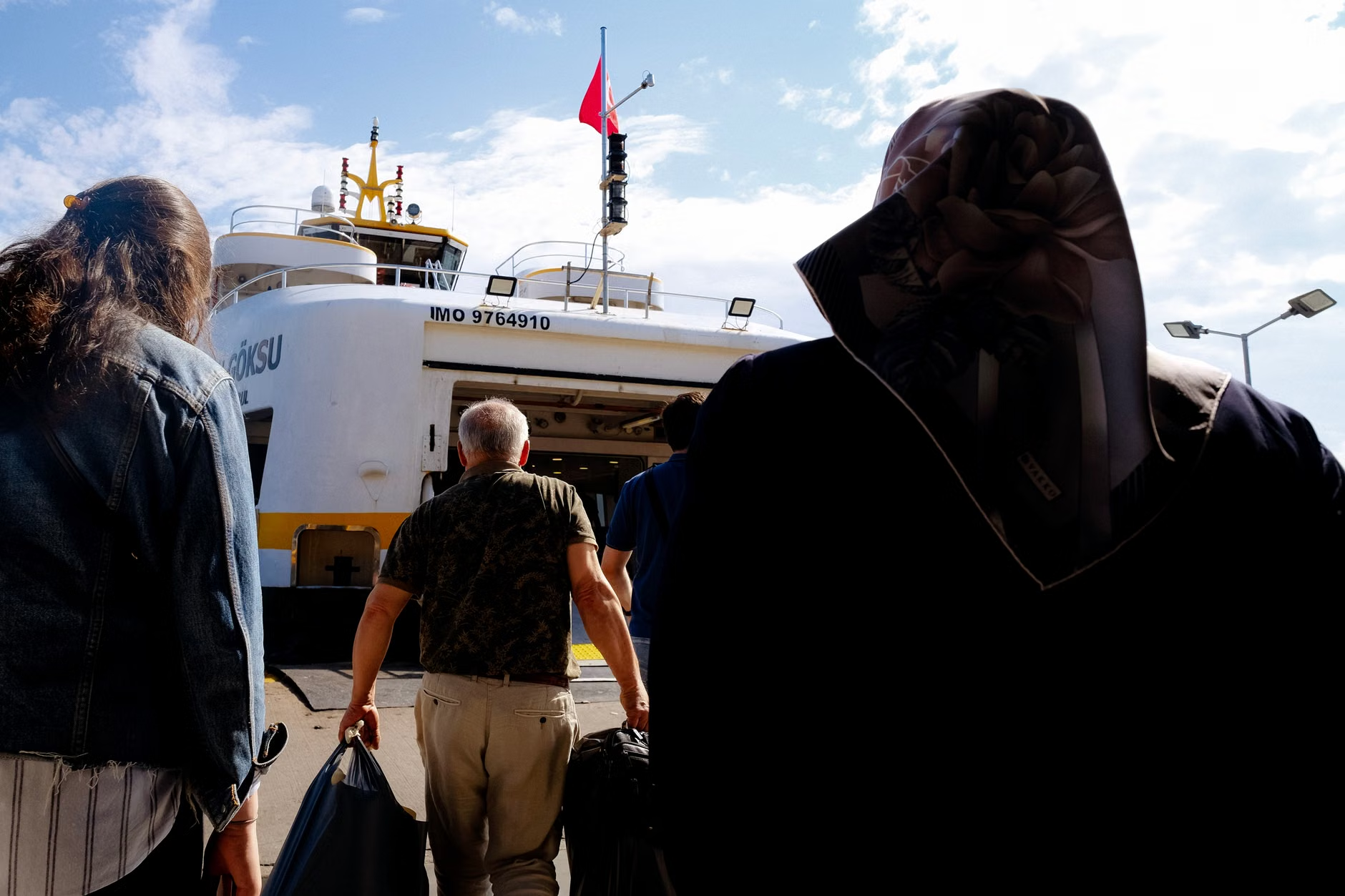
The Hub-and-Spoke Strategy: Your Secret Weapon for Sanity
One of the most common mistakes families make when they hear “ferry-hopping” is assuming they need to change hotels every single night. That is the quickest way to turn a relaxing trip into a nightmare of packing and unpacking. Instead, adopt the hub-and-spoke model.
Choose one “hub”—a larger, well-connected coastal town or island with grocery stores, medical facilities, and reliable transit. Use this as your base for 3-4 days. From this hub, you take the ferry to “spokes”: smaller, more remote locations that you can explore for a full day and return from in the evening. This gives you the thrill of discovery without the nightly stress of finding a new place to sleep.
Decision Rule for Choosing Your Hub:
- Connectivity: Does the port serve at least three different island routes? If yes, it’s a good hub.
- Infrastructure: Is there a pharmacy or a pediatrician within walking distance? For parents, this is non-negotiable.
- Amenities: Can you buy fresh produce nearby? Being able to cook a simple breakfast or pack a lunch saves hundreds of dollars over the course of a week.
If you are traveling in a region like the Mediterranean, look for ports that act as regional transport centers. For example, in Greece, Naxos is a fantastic hub because it is a major junction for the ferry lines, meaning you can easily reach the Small Cyclades or Paros for a day trip without having to move your luggage.
Ferry-hopping requires a different mindset than booking a flight. You aren’t just buying a ticket; you are participating in a regional transit system. Here is how to handle the practical side.
1. Master the “Shoulder Season”
If you are traveling with school-aged children, you are often tied to peak season. However, if your kids are younger, the “shoulder season” (early June or September) is the sweet spot. You get better weather, fewer crowds, and ferries that are less packed. Even in the peak of summer, booking the mid-day ferry is usually better than the early morning or late night options. It’s less crowded, and it allows you to get a good night’s sleep, which is the cornerstone of a successful family trip.
2. The “Walk-on vs. Vehicle” Dilemma
Should you rent a car and put it on the ferry? Generally, no. Renting a car on every island is often cheaper and less stressful than paying the high fees to transport a vehicle. Plus, if you don’t have a car, you are not tied to the ferry schedule for your vehicle. You can jump on a high-speed catamaran if you choose, which often doesn’t take cars, and reach your destination in half the time.
3. Managing the “Sea Legs”
Motion sickness is a real concern. If your kids are prone to it, don’t wait until you’re on the boat to deal with it. Pack ginger chews, motion sickness bands, or consult your pediatrician about preventative medication. Also, positioning matters: sit in the middle of the boat (the center of gravity) and try to stay on the outer decks where you can see the horizon. Staring at a screen inside a cabin is a recipe for disaster.
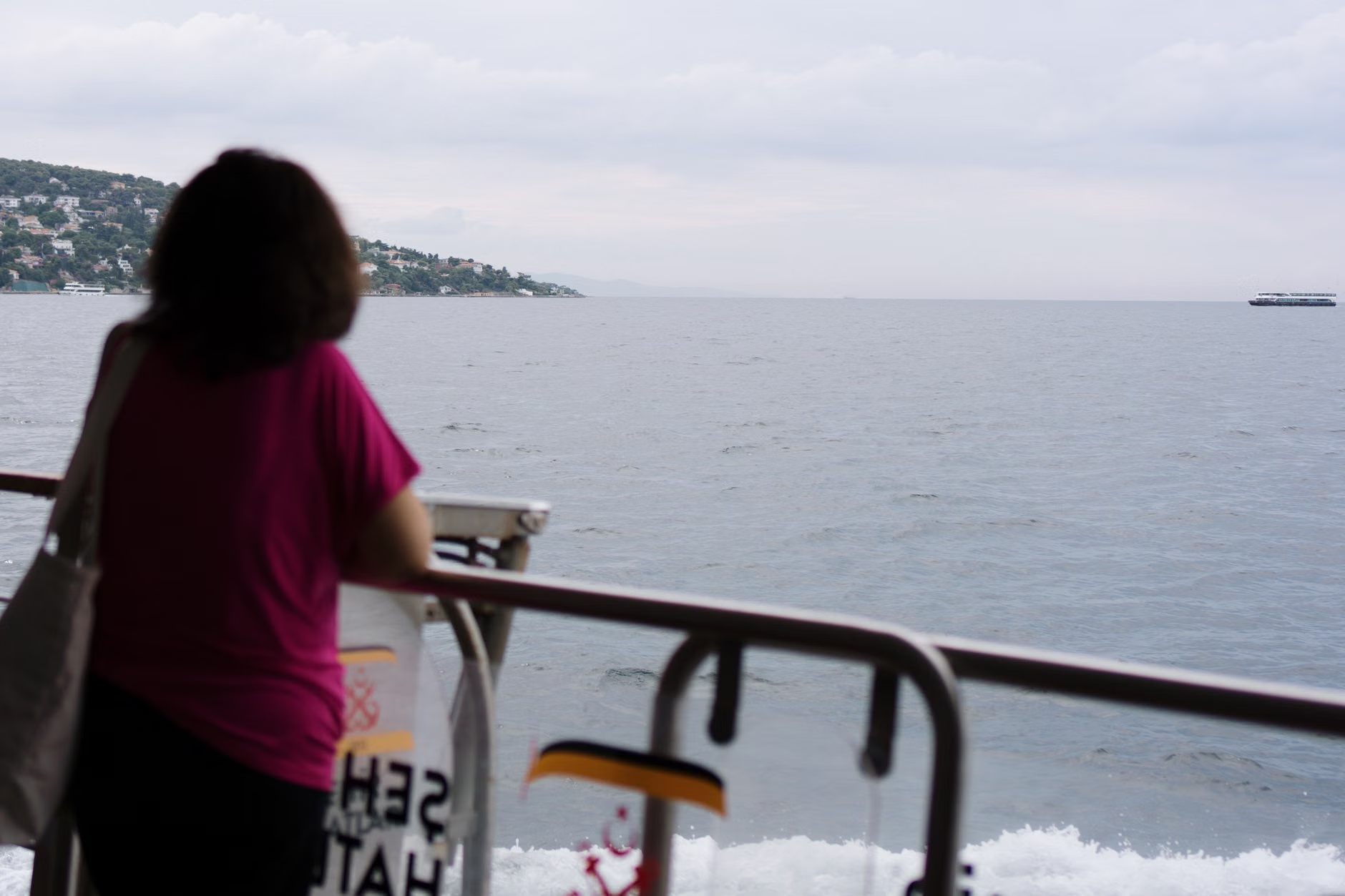
Common Pitfalls and How to Avoid Them
Even with the best intentions, things go wrong. Here is how to handle the most common frustrations that come with coastal travel.
The “Missed Boat” Scenario: Ferries are more reliable than airlines, but they are subject to weather. If the wind is too high, the high-speed catamarans might be canceled. Always have a “Plan B” that involves a larger, conventional ferry, which can handle rougher seas. Check the local weather apps specifically for marine conditions, not just general forecasts.
The “Grocery Gap”: Some smaller islands have very limited supplies. If you are staying on a remote island for a day, never assume you can buy what you need there. Bring a small, insulated cooler bag with snacks, water, and basic medical supplies (like band-aids and antiseptic wipes). Carrying your own supplies prevents you from being stranded with a hungry toddler when the one cafe on the island is closed for siesta.
The “Luggage Trap”: If you are moving from hub to hub, keep your luggage light. If you are a family of four, aim for one large suitcase and two backpacks. Handling four suitcases on a ferry gangway is a logistical nightmare. If you can’t carry it all yourself in one go, you have too much stuff.
Why This Matters for Your Personal Wellbeing
There is a psychological shift that happens when you switch from “destination-focused” travel to “journey-focused” travel. When you stop looking at the ferry as a “means of transport” and start seeing it as a “mobile living room,” the entire dynamic changes. You start to notice the small things: the way the water changes color as you leave the harbor, the salt spray on the windows, or the fact that your kids are actually talking to you instead of staring at a tablet.
This is the essence of slow-adventure. It forces you to slow down. You can’t rush a ferry. You can’t speed up the docking process. By accepting these limitations, you are essentially forced to practice mindfulness. For parents in their 30s and 40s who are constantly juggling work, school runs, and household management, this mandatory slowing down is a rare and valuable gift.
Furthermore, it teaches your children a different way to see the world. They learn that travel is not just about arriving at a resort with a pool; it’s about navigating a transit system, respecting the ocean, and understanding that the journey is just as important as the destination. It builds resilience and problem-solving skills in a way that an all-inclusive resort simply cannot.

Beyond the Basics: Pro Tips for the Savvy Traveler
If you want to take your ferry-hopping game to the next level, start looking into regional ferry passes. Many countries offer multi-trip passes that can save you significant money if you are planning to hit 3-5 islands in a week. These are rarely advertised on big travel booking sites, so look for the official government or ferry operator websites.
Another overlooked variable is the port location. In many cities, the ferry port is located in the heart of the historic district. This is a massive advantage. It means you can walk from your hotel to the boat, avoiding the need for expensive airport transfers or taxis. When booking your accommodation, check the distance to the “main port” or “ferry terminal”—not the airport.
Finally, consider the “Business Class” upgrade. On many larger ferries, you can pay a relatively small fee (often $10-$20 per person) to access the business class lounge. This usually includes more comfortable seating, quieter environments, and sometimes even complimentary snacks or coffee. For a family, this is often the best money you will spend on the entire trip. It provides a “safe zone” if the kids get overstimulated or if you need a quiet space to get some work done.
Actionable Steps for Your Next Booking
If you are ready to book, follow this sequence to ensure you don’t get overwhelmed:
- Select your region: Look for areas with high ferry density (e.g., the Aegean, the Croatian coast, the San Juan Islands).
- Identify your Hub: Find a town with a port that has high connectivity.
- Check Ferry Schedules: Use sites like Direct Ferries or Ferryhopper to see what routes exist, but always try to book directly through the ferry line’s website to avoid third-party service fees and to make cancellations easier.
- Book Accommodation: Ensure it is within a 15-minute walk of the port.
- Map your “Spokes”: Identify 2-3 potential day-trip islands based on your hub.
Remember, the goal is not to see every island. The goal is to return home feeling like you actually had a break. If you only visit one extra island during your entire trip, that is a success. If you spend an extra hour on the deck just watching the waves, that is a success.
Ultimately, ferry-hopping is about reclaiming your time and your sanity. It is about choosing a path that aligns with the rhythm of the ocean rather than the frantic pace of the modern world. It might take a bit more planning than clicking “book” on a package holiday, but the reward—a trip that is actually relaxing—is worth every minute of the effort.
Frequently Asked Questions
1. How far in advance should I book my ferry tickets?
For local, high-frequency routes, you can often buy tickets on the day of travel at the port. However, if you are traveling during peak season or on a high-speed catamaran (which has limited seating), it is wise to book 2–4 weeks in advance. Always check the specific operator’s policy for peak travel dates.
2. What happens if my ferry is canceled due to bad weather?
Most ferry operators will automatically rebook you on the next available sailing or provide a full refund. Keep an eye on your email or the operator’s app for notifications. If you are in a remote area, having a “Plan B” (like staying an extra night at your current hub) is always better than trying to force a connection that isn’t safe.
3. Are ferries actually cheaper than flying between islands?
In almost every case, yes. While a flight might be faster, the total cost—including airport transfers, baggage fees, and the cost of getting to/from the airport—usually ends up being significantly higher than a ferry ticket. Plus, you avoid the “hidden” costs of travel stress and the need for expensive airport food.
Official Resources:
For reliable route planning, check the official maritime authority websites for your destination region, such as Ferryhopper for European routes or the Washington State Ferries site for Pacific Northwest travel. Always verify schedules via the primary operator’s site before finalizing your plans.
Safe travels, and remember: the best part of the trip is often the time you spend between the destinations.