You do not need a plane ticket to a remote mountain range to fix your family’s stress levels; twenty minutes in your own backyard engaging in “forest bathing” can significantly lower cortisol and improve your children’s focus.
Key Takeaways:
- Backyard forest bathing (Shinrin-yoku) works by triggering the parasympathetic nervous system through sensory engagement with nature, even in small urban spaces.
- Phytoncides—natural oils released by trees—boost human Natural Killer (NK) cell activity, strengthening the immune system for both parents and children.
- The “Sit Spot” technique is the most effective way to implement this, requiring only 15–20 minutes of quiet observation to see measurable drops in heart rate and anxiety.
If you feel like your family is vibrating at a frequency of 5G-induced anxiety, you aren’t alone. Most of us in our 30s and 40s are caught in a pincer movement: on one side, the relentless demands of a career that never sleeps, and on the other, the digital vortex sucking the attention out of our kids. We’ve all heard the term “Nature-Deficit Disorder,” coined by Richard Louv. It sounds like a medical diagnosis, and in many ways, it functions like one. We are seeing higher rates of childhood obesity, vitamin D deficiency, and attention-span erosion that look suspiciously like a lack of “green time.”
But here is the friction point. Most “nature” advice feels like another chore on an already overflowing to-do list. “Take the kids on a weekend hike!” sounds great until you realize that involves packing three bags, driving two hours, and listening to someone complain about a lack of Wi-Fi the entire time. This is where backyard forest bathing comes in. It’s the “minimum viable product” of nature therapy. It’s about using the patch of grass, the single oak tree, or even the potted ferns on your balcony to achieve a physiological reset. I’ve spent the last week digging into the physiological data and psychological frameworks to see if this actually works for the average time-poor family. Spoiler: The science is surprisingly robust.
The Biological Reality of the ‘Nature-Deficit’
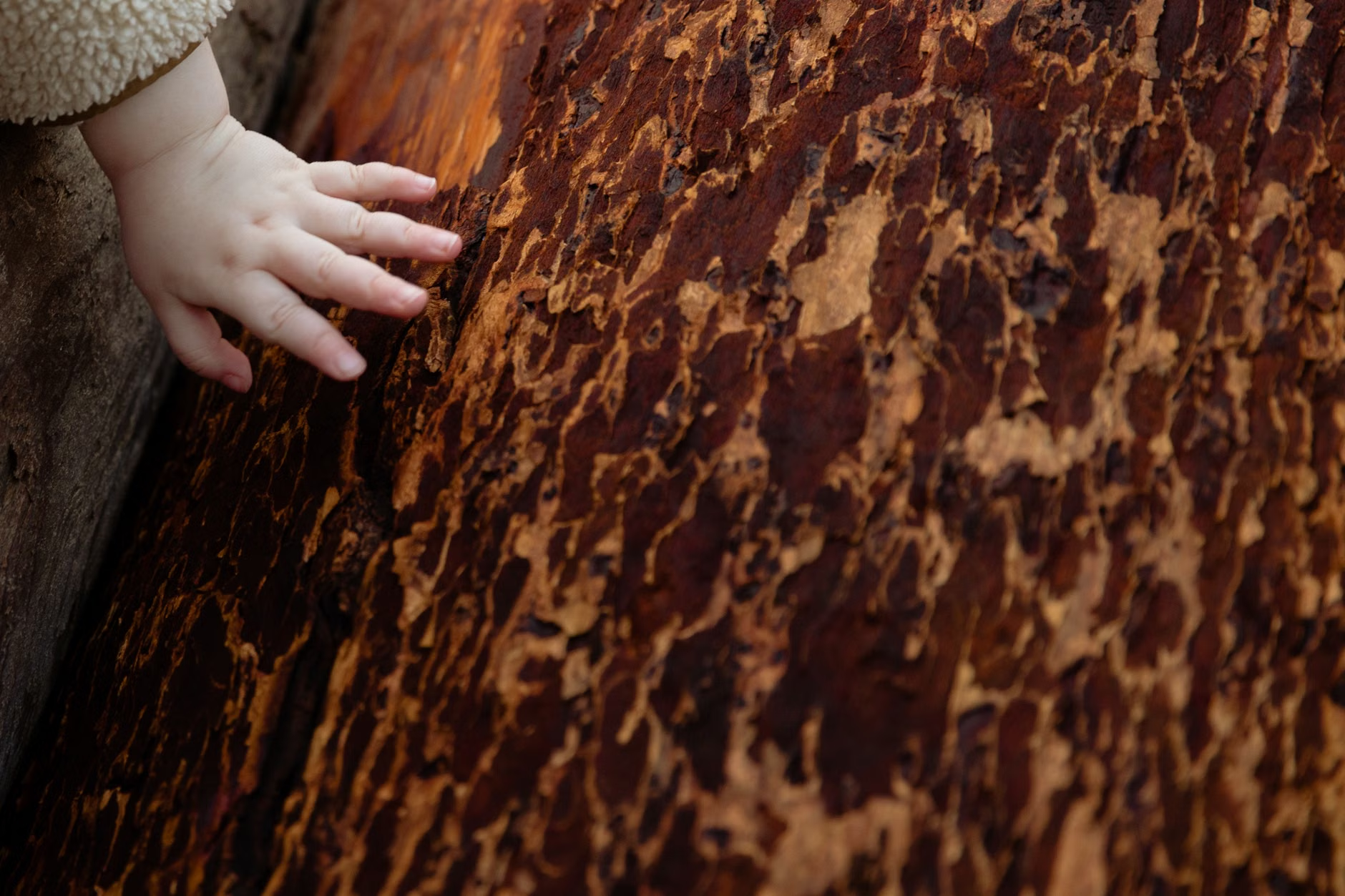
Before we look at the “how,” we have to understand the “why.” Why does sitting near a tree do anything for a brain that has been staring at a spreadsheet for eight hours? The core of the issue is Attention Restoration Theory (ART). Our modern lives demand “directed attention”—the kind of focus that requires effort and leaves us feeling drained. Nature, conversely, provides “soft fascination.” Looking at the way leaves move in the wind or how a squirrel navigates a fence doesn’t require effort. It allows the directed attention mechanism to rest and recharge.
For children, this is even more critical. Research published in Frontiers in Psychology suggests that children who engage in regular nature play show improved executive function. In plain English, they get better at self-regulating. If your kid is having a meltdown over a lost LEGO piece, their “directed attention” is fried. They aren’t being difficult; they are biologically exhausted. A 15-minute “bath” in the backyard isn’t just a break; it’s a neurological reboot.
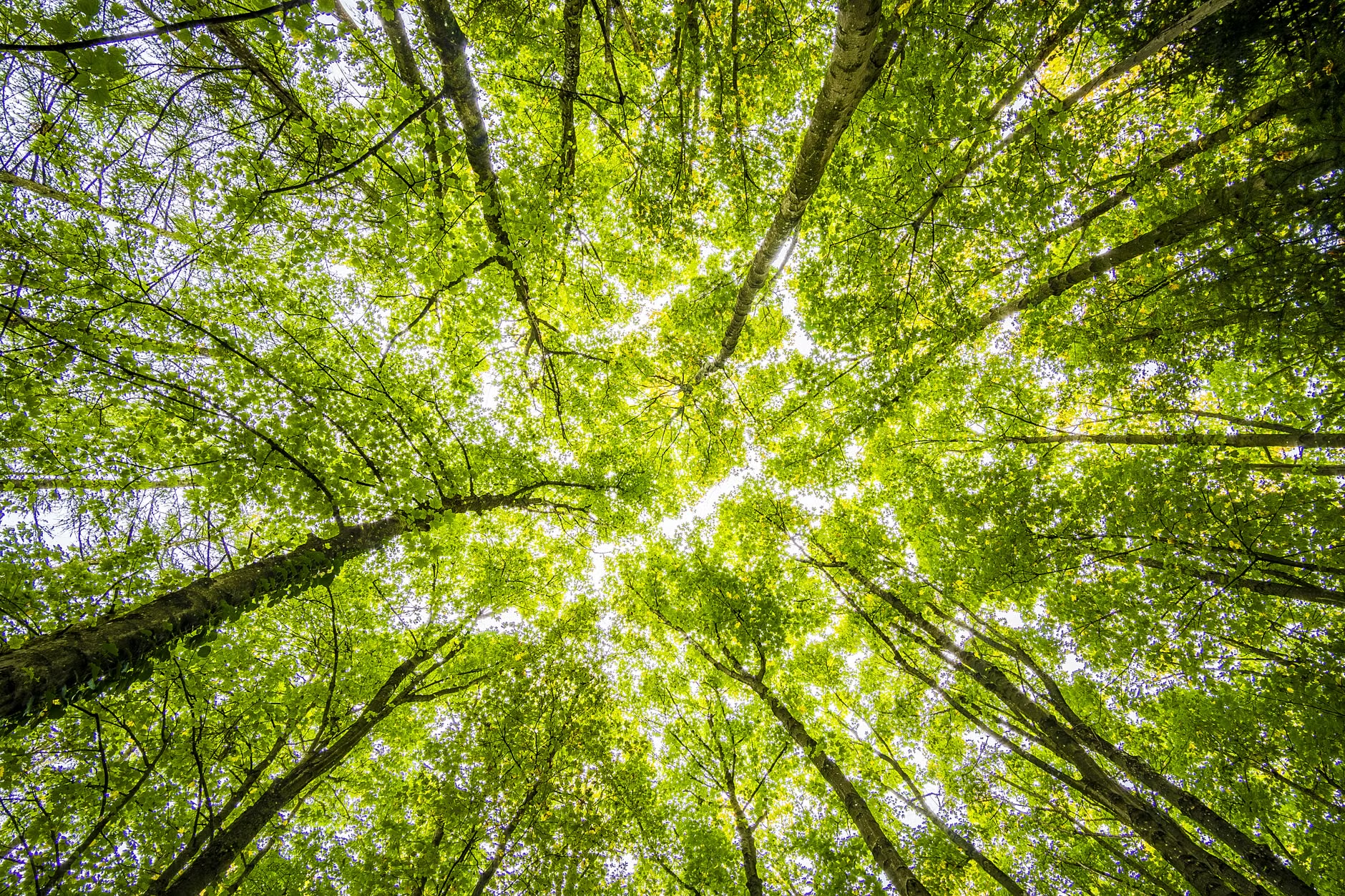
Then there is the chemistry. Trees aren’t just standing there; they are actively pumping out phytoncides. These are antimicrobial allelopathic organic compounds derived from plants. When we breathe them in, our bodies respond by increasing the activity of white blood cells called “Natural Killer” cells. These cells are our front-line defense against viruses and even tumor cells. A study by Dr. Qing Li of the Nippon Medical School found that forest bathing increased NK cell activity for up to 30 days. You aren’t just “relaxing”; you are literally upgrading your family’s biological firewall.
What ‘Backyard Forest Bathing’ Actually Looks Like
Let’s clear up a common misconception. Forest bathing (Shinrin-yoku) is not hiking. It is not exercise. It is not “nature study” where you identify species. If you are checking your fitness tracker to see how many calories you’ve burned, you are doing it wrong. It is the practice of intentional sensory immersion. For a parent in their 40s, this is the one time of day you aren’t “doing” anything. You are just “being.”
To make this work in a backyard setting, you need to follow a specific protocol. If you just tell your kids to “go outside and sit,” they will be back inside in 45 seconds asking for a snack. You need a framework that feels like an activity but functions like a meditation. Here is the step-by-step breakdown of a 20-minute session:
- The Threshold Cross: Leave the phones inside. This is non-negotiable. The moment you step onto the grass, you are in a different “zone.”
- The Sensory Scan (5-4-3-2-1): Spend the first three minutes identifying five things you can see, four things you can feel (the wind, the grass, the texture of your clothes), three things you can hear, and two things you can smell.
- The Sit Spot: Find a place to sit. It doesn’t have to be a designer bench. A patch of dirt or a folding chair works. The goal is to remain still in one spot for at least 10 minutes.
- The Micro-Observation: Pick one tiny thing—a leaf, a bug, a patch of moss—and look at it as if you were a scientist from another planet who has never seen it before.
The “Sit Spot” is the powerhouse of this routine. When you sit still, the backyard “resets” around you. The birds that flew away when you walked out will return. The squirrels will stop chattering at you and go back to their business. For a child, witnessing this “return to normal” is a profound lesson in observation and patience. It’s also incredibly calming for a brain that is used to the 1.5-second cuts of a YouTube Short.
Comparing Nature Doses: Which One Do You Need?
Not all nature experiences are created equal. Depending on your stress level and your schedule, you might need a different “dose.” I’ve broken down the three most common types of nature engagement to help you decide where to put your energy this week.
| Activity | Time Required | Primary Benefit | Best For… |
|---|---|---|---|
| Backyard Bathing | 15–20 Mins | Immediate Cortisol Drop | Daily stress management and school-day recovery. |
| Local Park Visit | 1–2 Hours | Social & Physical Play | Burning off high energy and “adventure” feelings. |
| Deep Woods Hike | 4+ Hours | Immune System Reset | Monthly “deep cleans” of the family’s mental state. |
The mistake most parents make is thinking they *must* do the Deep Woods Hike to get any benefit. The data suggests otherwise. A study published in Scientific Reports found that people who spent at least 120 minutes in nature per week reported significantly better health and well-being. That 120 minutes can be broken into 15-minute chunks in your backyard. Consistency beats intensity. If you can manage 20 minutes a day while the pasta is boiling, you are doing more for your long-term health than the person who does one massive hike every six months.
Adapting for Urban Spaces and Small Yards
I hear the objection already: “SoCooly, my ‘backyard’ is a concrete slab with a dying succulent and a view of my neighbor’s trash cans.”
Fair point. But here is the fascinating thing about the human brain: it responds to fractals. Fractals are complex patterns that look similar at different scales—think of the veins in a leaf, the branching of a tree, or the petals of a flower. Our brains are hardwired to process these patterns effortlessly. Research shows that looking at fractals can reduce stress by up to 60%.
If you don’t have a forest, you need a “Micro-Forest.” This can be a collection of three or four large potted plants on a balcony. The key is to create a visual screen. If you can block out the sight of the street and focus entirely on the greenery, your brain will begin the “soft fascination” process. Even a single bird feeder can serve as the anchor for forest bathing. Watching the social dynamics of birds is a masterclass in nature immersion. It forces you to look outside of yourself, which is the ultimate goal of the practice.
For those in high-density urban areas, the “Sky Bath” is a legitimate alternative. Lie on your back and watch the clouds. The movement of clouds follows the same fractal math as trees. The goal is the same: move from “directed attention” to “soft fascination.”
Managing the ‘Boredom Threshold’ in Kids
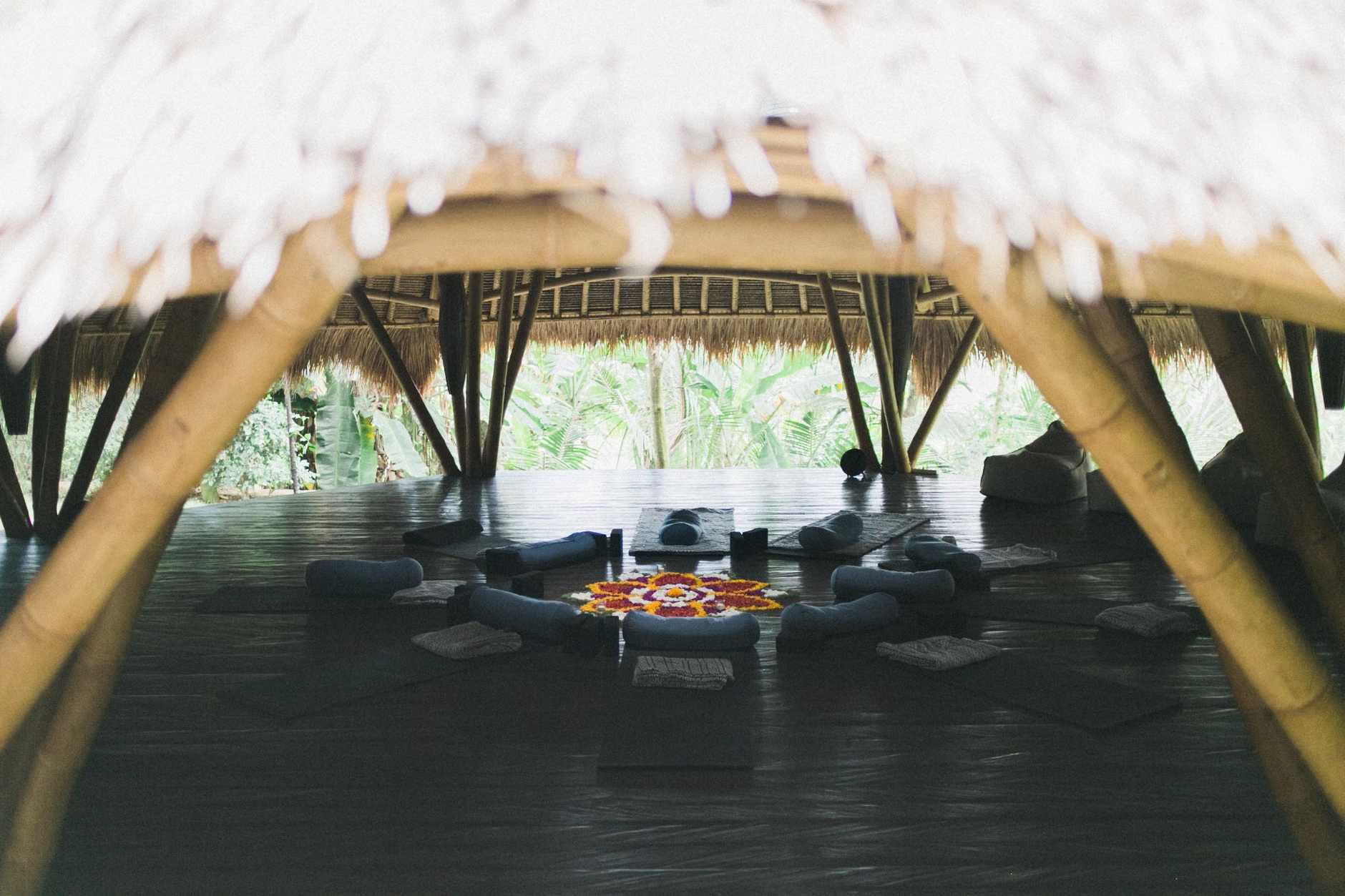
When you first introduce this, your kids will be bored. They will probably complain. This is actually a good sign. Boredom is the waiting room for creativity. In our “always-on” culture, we have forgotten how to be bored, and our children have never learned it. Boredom is the sound of the brain’s “Default Mode Network” (DMN) turning on. The DMN is where we process self-reflection, empathy, and creative problem-solving.
To help them cross the boredom threshold without a mutiny, use these “Invitations” (a term used by certified forest therapy guides):
- The “Sound Map”: Give them a piece of paper and a pencil. Have them draw a dot in the center (that’s them). Every time they hear a sound, they draw a symbol for it in the direction it came from. A squiggly line for wind, a bird shape for a chirp, a box for a car door slamming.
- The “Color Hunt”: Ask them to find something in the yard that matches the exact color of their shirt. Then something that matches the color of their eyes. This forces “deep looking.”
- The “Camera Hands”: Tell them to make a “camera” with their hands (a frame). They have to walk around and find three “photos” they want to “take.” They have to explain why they chose that specific frame.
These activities give the “directed attention” something small to do while the “soft fascination” takes over in the background. After about 10 minutes of this, you’ll notice a shift. The movements become slower. The breathing deepens. The “Are we done yet?” stops. That is the moment the forest bathing has actually begun.
Overcoming Practical Barriers: Bugs, Weather, and Mud
Let’s talk about the stuff that actually stops us. I’m not going to tell you that every moment in nature is a postcard. Sometimes it’s humid, sometimes there are mosquitoes, and sometimes it’s drizzling. If you wait for the “perfect” day, you’ll do this twice a year.
The Bug Problem: If you are constantly slapping at mosquitoes, you aren’t bathing; you’re fighting. Invest in a high-quality, non-toxic repellent or a simple oscillating fan for your sitting area. Mosquitoes are weak fliers; a gentle breeze from a fan is often enough to keep a “sit spot” clear without the need for chemicals.
The Weather Myth: There is a famous Scandinavian saying: “There is no such thing as bad weather, only bad clothing.” For a parent in their 30s, this is a call to action. Buy the good rain jacket. Get the waterproof boots. There is something uniquely therapeutic about forest bathing in the rain—the sound is a natural “white noise” that masks city sounds, and the smell of petrichor (the earthy scent produced when rain falls on dry soil) has been shown to have a grounding effect on the nervous system.
The Mud Factor: Nature is messy. If you are worried about your kids ruining their “good” clothes, you won’t let them fully immerse. Designate “nature clothes” that are allowed to get stained. When the physical barrier of “don’t get dirty” is removed, the mental barrier to immersion drops as well.
The Hidden Cost of Not Doing This
We often think of “self-care” as an expense—either of time or money. But we need to look at the cost of the status quo. If we don’t find a way to regulate our nervous systems, we pay for it in other ways: irritability with our partners, lack of patience with our children, decreased productivity at work, and a general sense of “languishing.”
For our children, the cost is even higher. We are raising the first generation that is more comfortable with a touchscreen than a tree branch. This isn’t just a “back to basics” nostalgia trip; it’s about developmental milestones. Proprioception (the sense of where your body is in space) is developed by navigating uneven terrain—like a backyard with roots and rocks. Risk assessment is learned by climbing a low-hanging branch, not by playing a platformer game. By reclaiming the backyard as a therapeutic space, you aren’t just lowering stress; you are providing a necessary developmental environment.
Final Recommendation: The 7-Day Backyard Challenge
Don’t try to change your entire lifestyle overnight. Instead, commit to a 7-day backyard immersion. For the next week, spend 20 minutes outside every day, regardless of the weather. Use the “Sit Spot” technique. Don’t bring a book, don’t bring a phone, and don’t bring a “goal.”
By day three, you will likely find the silence less “awkward” and more “necessary.” By day seven, your children will likely have found a “secret spot” or a favorite rock. This is the goal: to make nature a default setting rather than a special event. The antidote to our high-speed, high-stress world isn’t a vacation; it’s a relationship with the world just outside your door.
Start tomorrow morning. Ten minutes before the chaos of the school run or the work day begins, step outside with your coffee. Don’t scroll. Just look at the trees. Your nervous system will thank you.
Trustworthy Sources:
Frequently Asked Questions
1. Do I need to have a lot of trees for forest bathing to work?
No. While a dense forest provides more phytoncides, the primary psychological benefit comes from “soft fascination.” A single tree, a vegetable garden, or even a view of the sky can trigger the relaxation response if you engage your senses intentionally. The “quality” of the nature is less important than the “quality” of your attention.
2. Is it okay to listen to music or podcasts while forest bathing?
Ideally, no. The goal is sensory immersion in the natural environment. Audio input from a device keeps you tethered to the digital world and prevents you from hearing the subtle sounds of nature (wind, birds, insects) which are key to the “Attention Restoration” process. If you find the silence difficult, try focusing on your own breathing instead.
3. How do I get my teenager to do this without a fight?
Don’t call it “forest bathing”—it sounds too “woo-woo” for most teens. Call it a “digital blackout” or simply a “backyard reset.” Give them a specific, low-pressure task like “finding the best spot for a fire pit” or “checking the garden for pests.” Often, once they are outside and the phone is away, the natural environment will do the work for you without any forced conversation.
Nature doesn’t ask for your attention; it simply waits for you to remember it’s there. Go outside.