- Adopt the “Inventory First” Rule: You can typically reduce new purchase costs by 30-40% simply by auditing existing supplies before shopping.
- Value Durability Over Trends: Shifting to high-quality, repairable items creates a lower “cost-per-year” compared to replacing cheap, trendy supplies every semester.
- Leverage Circular Platforms: Utilizing local community swap groups and specialized resale platforms is more cost-effective than relying solely on big-box store back-to-school sales.
The most expensive school supply is the one you buy twice. If you are a parent in your 30s or 40s, you know the annual ritual: August arrives, the supply lists appear, and you find yourself standing in a crowded aisle buying plastic-wrapped stationery that will likely be lost, broken, or abandoned by mid-October. The “circular economy”—a system designed to minimize waste by reusing, repairing, and recycling—isn’t just for environmentalists; it is a financial survival strategy for the modern household.
By moving away from the linear “buy-use-toss” model, you can effectively cut your annual back-to-school budget by up to 40%. This isn’t about deprivation; it’s about shifting your purchasing power toward items that last and reclaiming the resources already sitting in your junk drawer.
The Hidden Cost of the “New” Myth
We are culturally conditioned to believe that a new school year requires new supplies. Marketing campaigns emphasize the “fresh start” feeling of brand-new crayons and pristine notebooks. However, from a strictly financial perspective, this is a sunk cost fallacy. Most families already own roughly 30% to 50% of the items on a standard school supply list—they are simply scattered between the kitchen drawer, the bottom of last year’s backpack, and the craft bin.
The circular economy approach begins with an “Audit-First” protocol. Before you open a single retail app or step foot in a store, perform a comprehensive inventory. The goal is to identify what you have, what is functional, and what truly needs replacement. This is the difference between shopping for “needs” and shopping for “wants.”
The Audit-First Decision Matrix
Use the following table to decide what to keep and what to recycle or donate:
| Item Category | Keep (Circular Choice) | Recycle/Donate | Buy New |
|---|---|---|---|
| Stationery/Pens | Still has ink, functional tip. | Dried out, broken casing. | Only if specific high-demand type. |
| Backpacks | Zippers work, no structural tears. | Beyond repair, faded/stained. | Only when the child outgrows size. |
| Binders/Folders | Intact spine, no cracked plastic. | Torn pockets, bent rings. | Only if required by specific class. |
The “Keep” category is your primary budget-saver. By normalizing the use of “previously loved” supplies, you are teaching your children that value is inherent in the item’s utility, not its packaging. This mindset shift is the cornerstone of circular consumption.
Why Durability Outperforms Discounts
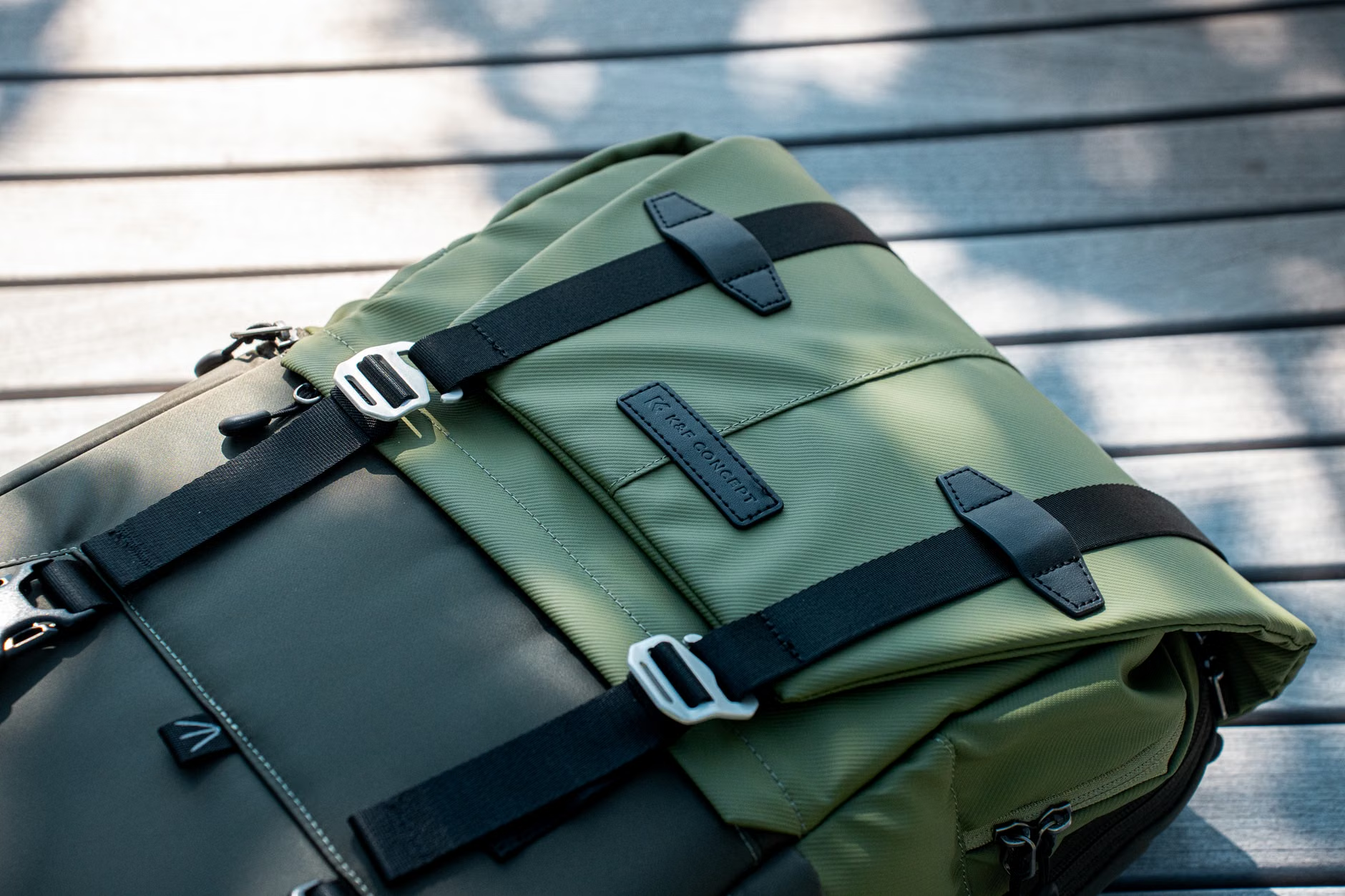
Retailers rely on the fact that you want to get the “deal” on low-quality items. A $5 backpack or a set of cheap pens might seem like a bargain, but if they break after three months, you have spent more money and generated more waste than if you had purchased a high-quality, repairable item at a higher initial price point.
In a circular economy, we look at the Cost-Per-Use (CPU). A $40 backpack that lasts four years has a CPU of $10 per year. A $15 backpack that lasts one year has a CPU of $15 per year. Furthermore, the $40 backpack is likely modular or repairable. If the zipper fails, you can replace the pull or use a repair kit rather than dumping the entire bag into a landfill.
The Repairable Habit
To implement this, start keeping a “Repair Kit” for school supplies. This should include:
- Heavy-duty fabric glue or a basic sewing kit: For fixing backpack straps or pencil cases.
- Duct tape or book tape: For reinforcing binder spines or textbook covers.
- A label maker or permanent markers: Personalization is the greatest deterrent to loss. Items that are labeled are 60% more likely to return home.
When an item breaks, don’t immediately replace it. Ask: “Can this be fixed?” This simple question is the gateway to significant long-term savings. If you cannot fix it, that is the moment to look for a replacement through circular channels.
Leveraging Circular Platforms: Beyond the Retail Store
The secondary market for school supplies is booming, and it is vastly more affordable than retail. Platforms like Facebook Marketplace, local Buy Nothing groups, and community “swap shops” are goldmines for items that other families have outgrown.
Many parents assume that buying used means buying “dirty” or “worn out.” This is a common misconception. In reality, most school supplies listed in these groups are in near-perfect condition because children often receive duplicates as gifts or lose interest in specific colors or designs. By sourcing these items locally, you also eliminate shipping costs and carbon emissions, making it a win for your wallet and the environment.
How to Execute a Successful Swap
- Identify Local Networks: Join at least two local parenting groups on social media.
- The “ISO” (In Search Of) Post: Be specific. Instead of asking for “school supplies,” ask for “a red two-pocket folder and a geometry set.” You will be surprised by how many people have these items sitting in a closet, waiting to be cleared out.
- The Batch Swap: Organize a swap with friends or neighbors. Everyone brings their excess supplies to a central location. If you bring a box of binders, you can take a box of pens. It’s an efficient, cost-zero transaction.
One overlooked variable here is the social currency of these groups. By being a regular participant, you build trust. People are more likely to offer you high-quality items for free if they know you are an active, helpful member of the community.
The Hidden Costs of “New” and How to Avoid Them
Why do we feel the urge to buy everything new? Often, it’s not about the child’s needs, but about the social pressure of the “back-to-school” aesthetic. We see curated photos on social media of perfectly color-coordinated desks and matching stationery sets. This aesthetic is a marketing tool designed to make you feel as though your child’s academic success is tied to the appearance of their supplies.
The Reality Check: Academic performance is not correlated with the brand or newness of a pencil case. In fact, studies suggest that children who learn to maintain and repurpose their belongings develop better organizational skills and a stronger sense of responsibility. When a child uses a notebook that is half-full, they learn the value of finishing what they started.
Common Mistakes to Avoid
- The Bulk Trap: Buying bulk packs of pens or paper because “it’s a better deal.” If you only need five pens, buying a box of 50 just creates clutter and encourages waste.
- Ignoring the “Wait-and-See” Rule: Many teachers provide specific supply lists in the first week. Buying everything in July based on a general list often leads to buying items that the teacher specifically requested *not* to bring. Wait for the syllabus.
- Buying Licensed Merchandise: Items featuring popular movie characters or trends carry a “brand tax” of 30-50%. They also lose their appeal quickly. Opt for solid colors or high-quality neutral designs that stay relevant for years.
Implementing the Circular Strategy: A Step-by-Step Guide
To make this transition, you don’t need to change your entire life overnight. Start by implementing these steps over the next 30 days before the new term begins.
Week 1: The Great Audit. Empty every drawer, backpack, and closet. Group items by category (writing, paper, storage, tech). Be ruthless. If a pen doesn’t write, test it once, then recycle the casing if possible or bin it. If a binder is broken, recycle the metal rings and reuse the plastic covers for scrap paper.
Week 2: The Need Analysis. Cross-reference your inventory with the school’s required list. Create a “To-Buy” list. If the list calls for “12 pencils,” and you have 8, you only need to buy 4. This is the most crucial step in preventing over-purchasing.
Week 3: The Circular Sourcing. Check local swap groups or second-hand stores for the items on your “To-Buy” list. If you cannot find them second-hand, prioritize buying from sustainable brands that offer lifetime warranties or repair services.
Week 4: The Labeling and Organization Phase. As you finalize your supplies, ensure everything is clearly labeled. This is not just for the school; it is for your own household management. When items are labeled, they have a higher probability of being returned to the owner, preventing the need for mid-semester replacements.
The Long-Term Impact on Family Life
Adopting a circular economy mindset does more than save money. It changes the way your children interact with the material world. When they see you repairing a bag instead of buying a new one, you are modeling sustainable behavior and critical thinking. You are teaching them that resources are finite and that there is a quiet, profound satisfaction in maintaining what you own.
This approach also reduces the “back-to-school” stress. Instead of a frantic, expensive shopping spree, you are engaging in a methodical, calm preparation process. You are moving from a state of reactive consumption to proactive management.
Remember that the circular economy is not an all-or-nothing endeavor. It is a spectrum. Every item you choose to reuse, every repair you make, and every second-hand item you source is a victory. It’s about making small, deliberate choices that accumulate into significant financial and environmental benefits over time.
Frequently Asked Questions
1. How do I handle a child who insists on having “new” items like their peers?
This is a common hurdle. Frame the conversation around “curation” rather than “used.” Let them choose stickers, patches, or markers to customize their pre-owned items. By personalizing a used backpack or notebook, they create something unique that no store-bought item can match. The focus shifts from “used” to “customized.”
2. Are there specific items that should never be purchased second-hand?
Use common sense regarding hygiene and safety. While items like binders, rulers, and scissors are perfectly fine, avoid used items that involve direct personal contact or are prone to hidden damage, such as some types of electronic charging cables that may have frayed internal wiring. Always inspect used items for structural integrity before accepting them.
3. How do I manage the “surplus” of supplies I already have?
If you find that you have a significant surplus after your audit, do not just let it sit in a drawer. Donate it to local school drives, after-school programs, or families in your community. Keeping the items in circulation—even if they aren’t in your house—is the essence of the circular economy. This also helps you maintain a decluttered home, which makes the next year’s audit much easier.
For further reading on sustainable consumption habits and practical guides, you can visit the EPA’s Sustainable Management of Materials page or explore local government resources on waste reduction. Implementing these strategies is the most reliable way to ensure that your family enters the school year prepared, organized, and financially secure.