If you are tired of watching your winter heating bills skyrocket while living in a rental unit where you have zero control over the infrastructure, the “smart-grid” heat pump is the most realistic path to reclaiming your monthly budget.
- Efficiency over traditional electric: Smart-grid heat pumps use 50–70% less energy than traditional baseboard heaters or electric furnaces by moving existing heat rather than generating it from scratch.
- Grid-responsiveness: These units can automatically shift energy consumption to off-peak hours, allowing you to take advantage of cheaper electricity rates if your utility provider offers time-of-use (TOU) plans.
- Landlord negotiation: Because these units add value to the property and can be marketed as “energy-efficient,” you can frame the installation as a long-term capital improvement rather than a mere repair request.
What Exactly is a “Smart-Grid” Heat Pump?
Most of us think of heating as a binary switch: you turn it on, and the house gets hot. Traditional electric resistance heating—the kind found in many older apartment complexes—is notoriously inefficient. It converts electricity directly into heat, which is like burning a five-dollar bill to light a candle. It works, but it is incredibly expensive.
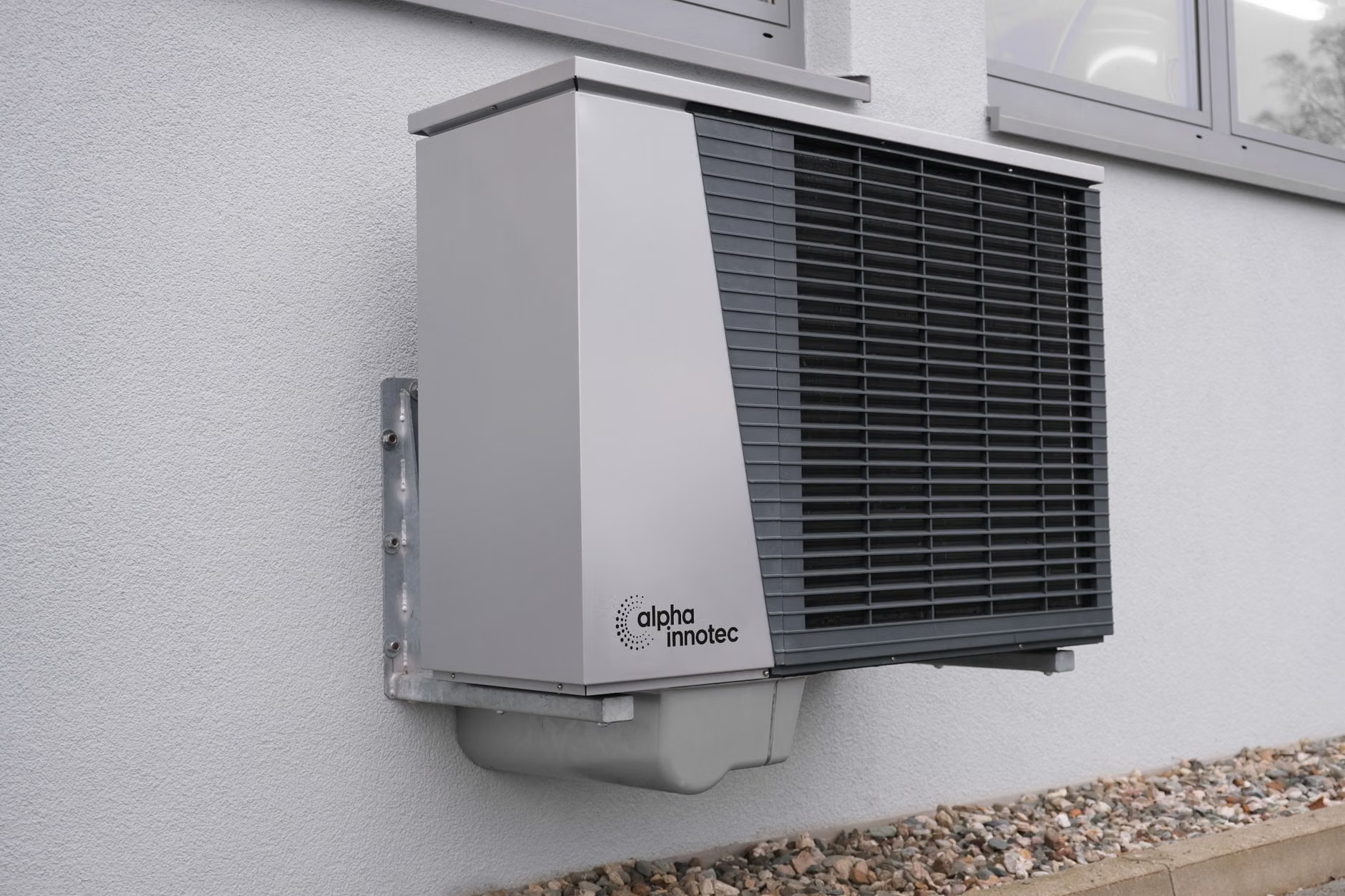
A heat pump operates differently. Instead of creating heat, it uses electricity to move heat. In the winter, it extracts thermal energy from the outside air (yes, even when it is freezing) and pumps it into your living room. In the summer, it reverses the cycle to act as an air conditioner. When we add the “smart-grid” layer, we are talking about a unit that communicates with your utility provider’s network.
Think of the smart grid as a two-way street for electricity. Your utility company monitors the load on the power grid. When demand is high—usually in the early evening when everyone gets home, cooks dinner, and turns on the heat—electricity prices spike. A smart-grid heat pump can “talk” to the grid and automatically throttle back or delay its heavy-lifting cycles during those expensive peak times, saving you money without you ever having to touch a thermostat.
Why This Matters for Your Monthly Cash Flow
For those of us in our 30s and 40s, balancing a mortgage or rent payment with childcare costs and rising inflation, the predictability of utility bills is a major mental load. The primary benefit of a smart-grid heat pump isn’t just “sustainability”; it is the ability to decouple your comfort from the volatility of energy markets.
If your utility company offers a Time-of-Use (TOU) rate plan, you are likely paying significantly more for electricity between 5:00 PM and 9:00 PM. A smart-grid unit allows you to “pre-heat” your apartment during the afternoon when rates are lower, then coast through the peak-price hours. This is the difference between a $150 heating bill and a $90 bill. For a family of four, that $60 monthly saving adds up to over $700 a year—enough to cover a significant portion of a child’s extracurricular activities or a family weekend getaway.
The Renter’s Dilemma: How to Pitch This to Your Landlord
The biggest hurdle for renters is that we don’t own the walls we live in. You cannot simply drill holes and install a new HVAC system. However, you can leverage the fact that property owners are increasingly looking for ways to improve their “Green Rating” or Energy Performance Certificate (EPC) scores. Higher energy ratings often translate to higher property values and better resale potential.
When approaching your landlord, do not frame it as “I want a cheaper bill.” Frame it as an asset improvement. Use the following structure to make your case:
| Argument | The “Why” for the Landlord |
|---|---|
| Increased Property Value | High-efficiency HVAC is a premium feature that justifies higher rent in competitive markets. |
| Lower Maintenance | Newer systems have fewer mechanical failures and come with manufacturer warranties. |
| Tenant Retention | Lower utility bills make the unit more attractive to long-term tenants, reducing turnover costs. |
If your landlord is hesitant about the upfront cost, offer a compromise. You could suggest a “split-cost” arrangement where you pay for a portion of the installation in exchange for a locked-in rent rate for the next two years. In many regions, government rebates and tax incentives for heat pump installations can cover up to 30–50% of the cost, making the investment much smaller than it initially appears.

Understanding the Installation Logistics
If you get the green light, you need to understand what you are actually installing. Most apartment-friendly heat pumps are “mini-split” systems. These are ductless, meaning you don’t need to tear open the ceilings to install massive air ducts. They consist of two main components:
- The Indoor Unit: A slim, wall-mounted air handler that looks like a modern, minimalist shelf or speaker.
- The Outdoor Unit: A small compressor box that sits on a balcony or is mounted to the exterior wall.
The installation is relatively non-invasive. It requires a small hole (usually about 3 inches in diameter) to run the refrigerant lines and electrical conduit between the inside and outside units. This is easily patchable if you ever move out. The key is ensuring your rental unit has the necessary electrical capacity. Older buildings with outdated fuse boxes might need an electrical panel upgrade, which is a major project—if this is the case, your landlord might need to consult an electrician before you proceed.
Common Mistakes and How to Avoid Them
The most common mistake renters make is choosing a unit that is too small for the space. If the unit is underpowered, it will run constantly to try and reach the set temperature, effectively negating the “smart” energy-saving features. Always have a professional perform a “Manual J” load calculation. This is a technical term for determining exactly how much heating and cooling your specific square footage requires based on insulation, window quality, and local climate.
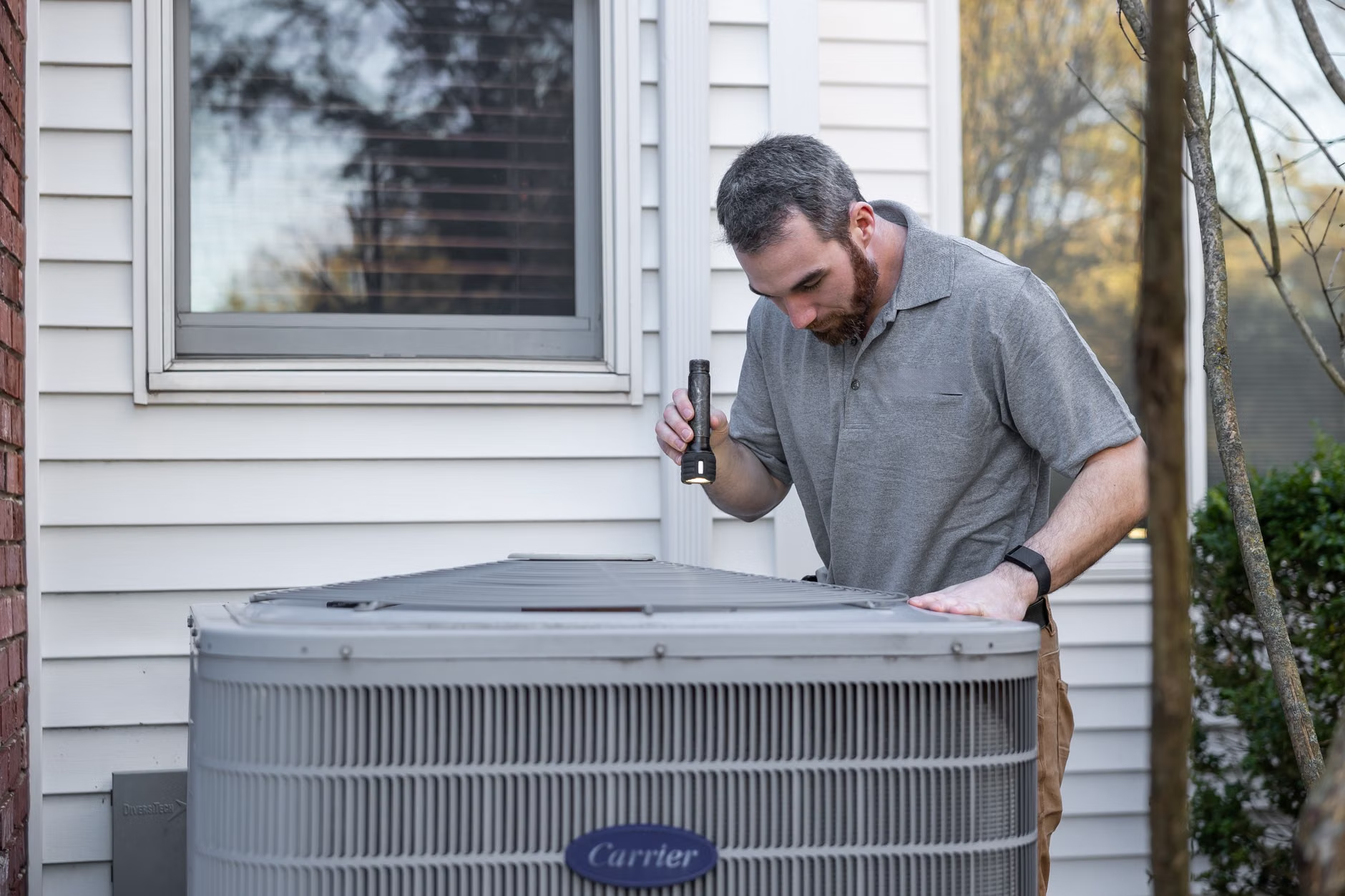
Another pitfall is ignoring the filter maintenance. Because heat pumps circulate the air in your home, the filters can get clogged with dust, pet hair, and lint within a few months. A dirty filter forces the pump to work harder, increasing your energy consumption. Make it a habit to check the filter every 30 days. It takes two minutes and can save you 10% on your monthly energy usage.
Finally, do not rely solely on the “Auto” setting. In many smart-grid units, the auto-mode is overly aggressive. Use the “Schedule” feature to align your heating needs with your actual routine. If everyone is out of the house for school or work between 8:00 AM and 4:00 PM, there is no reason to maintain a 22°C (72°F) temperature. Setting the temperature back by even three degrees while you are away can result in massive cumulative savings over the winter months.
Beyond Heating: The Hidden Benefits of Smart-Grid Integration
Smart-grid integration isn’t just about the heat pump itself; it is about the ecosystem. Many smart thermostats (like those from Nest, Ecobee, or Honeywell) now offer “Demand Response” programs. When you sign up for these through your utility company, you allow them to make minor adjustments to your thermostat during rare grid emergencies—like a massive heatwave that threatens to cause a blackout. In exchange, most utilities offer a direct rebate or a credit on your monthly bill.
This is a “win-win” scenario. You contribute to grid stability, and you get paid for it. For a busy parent, this is passive income that requires zero effort once the initial connection is set up. Check your local utility provider’s website for “Demand Response” or “Smart Thermostat Rebate” programs. It is an often-overlooked source of easy savings.
Decision Criteria: Is a Heat Pump Right for You?
Before you push for an installation, use this checklist to determine if your specific rental situation is suitable:
- Climate: If you live in an extremely cold climate (consistently below -15°C / 5°F), ensure you are looking at “Cold Climate” heat pumps. These are specifically engineered to maintain efficiency in sub-zero temperatures.
- Lease Duration: If you plan to move in less than 12 months, the return on investment will likely not be there. This is a strategy for long-term renters who plan to stay for at least two to three years.
- Electrical Load: Does your unit have a modern electrical panel? If not, the cost of an upgrade might make the project unfeasible for the landlord.
- Noise Sensitivity: While modern heat pumps are much quieter than old window AC units, the outdoor compressor does make a low hum. Ensure it won’t be positioned directly outside a bedroom window.
Taking Action: Your Next Steps
If you are serious about this, start by gathering data. For the next three months, track your electricity usage. Create a simple spreadsheet noting the daily high/low temperatures and your total daily kWh usage. This data is your “proof” when you talk to your landlord. It shows that you are not just complaining about a high bill; you are presenting a data-backed solution.
Look up the Department of Energy’s official guide on heat pump systems to understand the technology and the specific terminology you should use when speaking to professionals. If you are in the UK, check the Boiler Upgrade Scheme; if you are in the US, look into the Inflation Reduction Act tax credits. These are not just for homeowners; in many cases, landlords can claim these credits to offset the cost of upgrading your rental property.
Approaching your landlord with a plan that includes these government incentives, a clear explanation of how it increases their asset value, and a list of local, certified installers is the best way to get a “yes.” It turns a request into a professional business proposal.
Frequently Asked Questions
1. Will a heat pump work in a drafty apartment?
While a heat pump is efficient, it cannot overcome poor building insulation. If your windows are drafty, the heat will escape as fast as the pump generates it. Before installing a heat pump, prioritize basic weatherization like heavy curtains, draft stoppers for doors, and window sealing kits. These small, cheap fixes will make any heating system—including a heat pump—significantly more effective.
2. Does a smart-grid heat pump require a special internet connection?
Most modern smart heat pumps connect via your home’s Wi-Fi network. You will need a stable connection to use the accompanying app to schedule your heating or participate in utility demand-response programs. If your Wi-Fi signal is weak in the area where the unit is installed, a simple Wi-Fi range extender is usually sufficient to bridge the gap.
3. What happens if the power goes out?
Like any electric heating system, a heat pump will not function during a power outage. However, because heat pumps are generally more efficient, they are often a better candidate for pairing with a portable battery backup or a small home generator compared to traditional electric resistance heaters, which draw significantly more power and would drain a backup battery in minutes.
Taking control of your energy footprint in a rental is rarely about a single “magic bullet.” It is about combining technology with smart negotiation and consistent maintenance. By advocating for a smart-grid heat pump, you aren’t just saving money; you are upgrading the standard of your living space and contributing to a more stable, efficient energy grid for everyone. Start with the data, keep your pitch professional, and stay persistent.