The most effective strategy for modern holiday networking is to shift the focus from the bottom of a wine glass to the quality of the conversation by serving high-end, zero-proof beverages that elevate the event’s professional tone.
Key Takeaways:
- Quality Over Volume: Replacing standard bar offerings with high-quality zero-proof mixers reduces event costs by approximately 30-40% while signaling a thoughtful, inclusive host.
- The “Mindful Networking” Advantage: Alcohol-free events in your 30s and 40s remove the “social lubrication” crutch, resulting in higher-quality professional connections and clearer memories of the evening.
- The “Three-Tier” Beverage Rule: Always provide a ready-to-drink premium non-alcoholic spirit, a complex house-made shrub, and a high-end sparkling mineral water to cover all guest preferences.
If you are in your 30s or 40s, you’ve likely noticed a shift. The holiday party circuit is no longer just about who can stay the latest; it’s about who can maintain their focus and energy while balancing the demands of a career and a household. Hosting a networking event during this season is an exercise in resourcefulness. You want to impress, but you also want to ensure that the environment you create fosters genuine connection rather than just a festive blur.
The “zero-proof” movement—the rise of sophisticated, adult-oriented non-alcoholic drinks—isn’t just a trend for those who don’t drink. It is a strategic hosting tool. By choosing to center your holiday networking event around these beverages, you are making a deliberate choice to prioritize clarity, inclusivity, and professionalism.
Why the Zero-Proof Shift Matters for Your Professional Brand
In a professional context, alcohol often acts as an equalizer, but it carries a “tax.” This tax manifests as lowered inhibitions, reduced clarity, and the dreaded “next-day fog” that can derail your productivity during the busiest time of the year. When you host a zero-proof event, you are signaling to your network that you value their time, their health, and their professional presence.
Consider the demographic shift in your 30s and 40s. Many of your peers are navigating early-morning school runs, intense project deadlines, and the general fatigue that comes with mid-career advancement. An event that doesn’t rely on alcohol allows guests to attend, network effectively, and leave feeling refreshed rather than depleted. It positions you as a host who is “in the know” regarding wellness trends—a highly valued trait in today’s performance-oriented culture.
Furthermore, from a logistical standpoint, the zero-proof approach eliminates the liability and complexity of managing alcohol consumption. You aren’t worrying about how someone is getting home, or whether a conversation has crossed the line from professional to regrettable. You are creating a “low-risk, high-reward” environment.
The Three-Tier Beverage Strategy: A Framework for Success
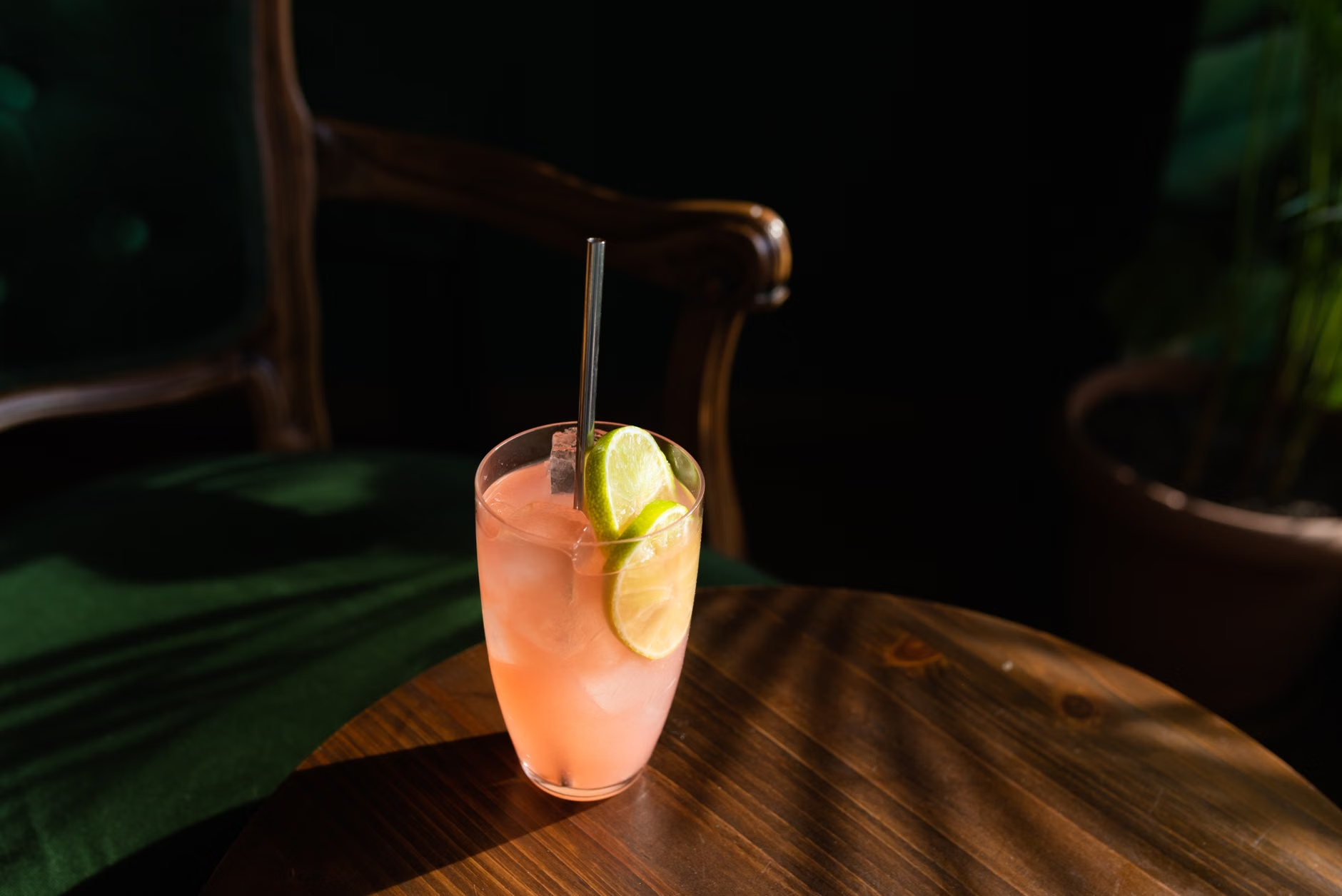
A common mistake hosts make is defaulting to “juice and soda” when asked for a non-alcoholic option. This feels like an afterthought. To host successfully, you must treat your zero-proof menu with the same rigor you would apply to a wine list. Follow this three-tier framework to ensure every guest feels considered.
1. The “Spirit-Forward” Alternative
Modern non-alcoholic spirits (distilled botanicals that mimic the complexity of gin, whiskey, or tequila) have become remarkably sophisticated. Brands like Seedlip, Lyre’s, or Ghia are designed to be sipped, not chugged. They offer the “burn” or the “bite” that many people associate with a cocktail, providing a sensory experience that feels adult and intentional.
Decision Rule: If you are hosting a smaller, more intimate group of 6–10 people, invest in two high-quality bottles of non-alcoholic spirits. If you are hosting a larger crowd, stick to one versatile spirit (like a non-alcoholic botanical gin) that pairs well with tonic.
2. The “Shrub” or “House-Made” Complexity
A shrub is a syrup made from fruit, sugar, and vinegar. It offers a complex, acidic profile that mimics the depth of a fine wine or a barrel-aged spirit. This is where you can showcase your hosting personality. A cranberry-rosemary shrub mixed with sparkling water is perfect for the holidays. It’s festive, it’s visually stunning, and it’s labor-intensive enough to show care without being difficult to prepare.
3. The “Pure and Premium” Baseline
Never underestimate the power of a high-end mineral water served with a proper garnish. Think sparkling water from a glass bottle, served with a twist of blood orange or a sprig of fresh mint. This serves as your “palate cleanser” and ensures that those who prefer simplicity have a sophisticated option that still feels like part of the event.
| Category | Example | Best For |
|---|---|---|
| Spirit Alternative | Non-alcoholic botanical gin | Guests looking for a traditional cocktail experience. |
| Shrub/Syrup | Cranberry-Balsamic Shrub | Guests who enjoy complex, layered flavor profiles. |
| Premium Base | Sparkling mineral water + garnish | Guests who prefer a clean, refreshing drink. |
When you offer these three tiers, you are not just “accommodating” non-drinkers; you are curating an experience. You are telling your guests, “I have thought about your experience as much as I have thought about my own.”
Designing the Environment: Moving Beyond the Bar
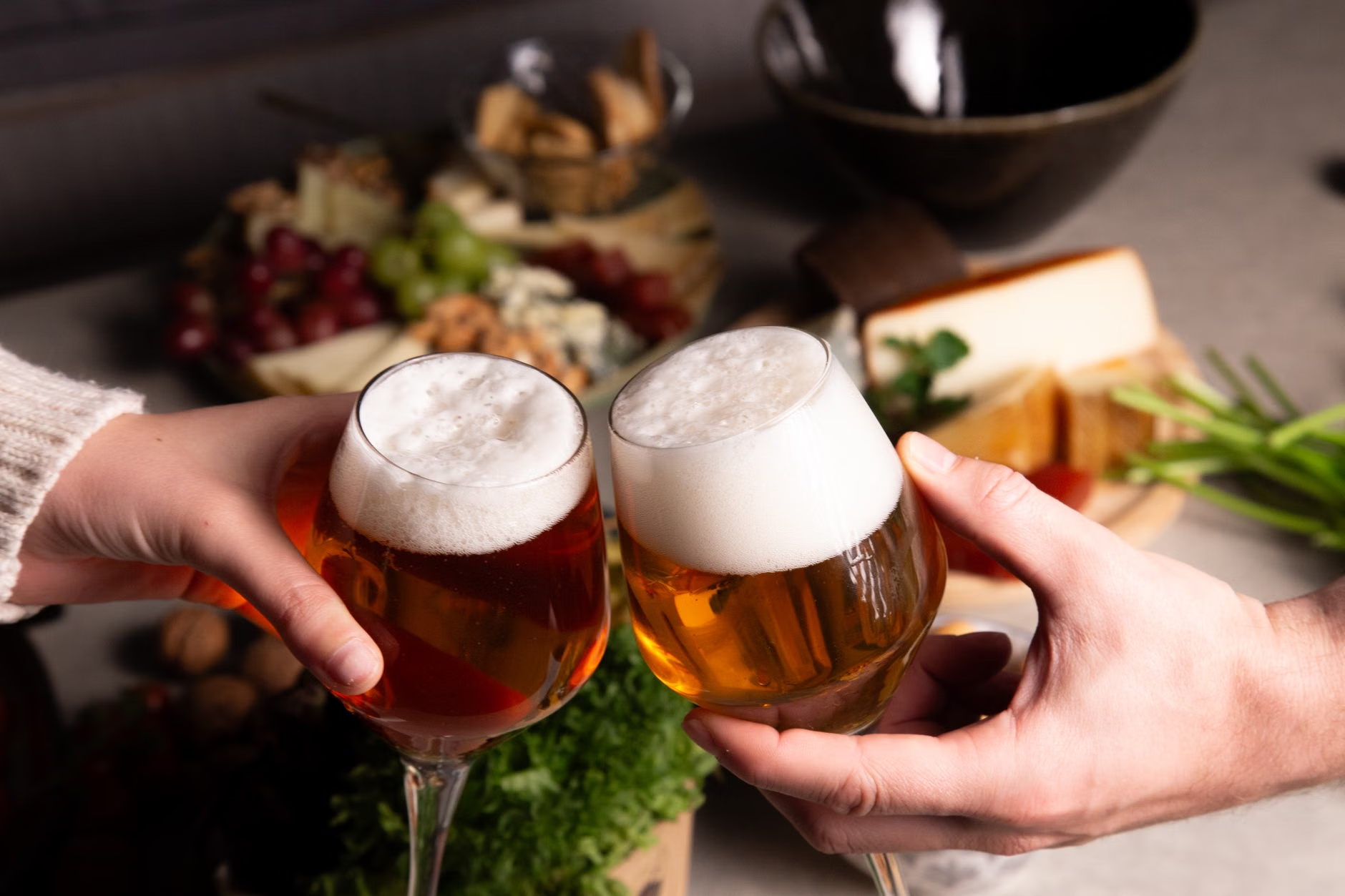
When you take the alcohol out of the center of the room, the room itself must work harder. In traditional networking, the bar is the “anchor.” Without it, you need to create new anchors that encourage movement and interaction.
Use Vertical Space: If you are hosting in a home office or living room, use height to your advantage. Set up a “hydration station” that is visually appealing—think crystal carafes, ice buckets filled with botanical-infused cubes, and tiered trays. This creates a focal point that draws people in.
Lighting is Your Best Friend: Alcohol often covers up poor lighting by dulling the senses. Without it, you need warm, layered lighting. Use lamps instead of overhead lights. If you are hosting a professional event, the “golden hour” vibe is essential. It makes people look better and feel more relaxed, which is a major factor in how they perceive your hosting skills.
The “Conversation Menu”: Since you won’t have the “let’s grab another round” transition, you need to be more intentional about facilitating conversation. Consider a low-stakes activity, such as a curated playlist that isn’t too loud, or a specific “theme” for the evening (e.g., “Reflecting on this year’s professional wins”). This gives guests a natural starting point that doesn’t rely on the crutch of a drink in hand.
Common Pitfalls and How to Avoid Them
The most common mistake when hosting a zero-proof event is “apologizing” for the menu. Do not tell your guests, “I’m sorry, we’re not doing alcohol tonight.” Instead, position it as a choice. Frame the event as “A Refreshing Evening of Networking” or “Holiday Cocktails & Zero-Proof Mixology.”
Another pitfall is running out of ice or garnishes. In a non-alcoholic cocktail, the garnish is the star. When you have a complex drink, the visual presentation is what makes it feel “special.” If you are serving a mocktail, make sure you have enough fresh herbs, citrus wheels, and high-quality ice. A lukewarm mocktail served in a plastic cup is a failure; a chilled, beautifully garnished drink in a crystal glass is a statement.
Lastly, don’t ignore the food. Because the drinks are lighter, people may be more inclined to snack. Ensure your food pairings are substantial enough to carry the conversation. Think of savory, high-protein options like nut-crusted cheeses, artisanal crackers with tapenade, or bite-sized roasted vegetable tartlets. These pairings work exceptionally well with the acidity of shrub-based mocktails.
The Hidden Economics of Zero-Proof Hosting
Let’s talk about the bottom line. Hosting a high-end holiday gathering can be incredibly expensive. Premium spirits, wine, and craft beer quickly add up, especially when you factor in the “wastage” that inevitably occurs when half-finished drinks are left on tables. By shifting to high-quality zero-proof ingredients, you can significantly optimize your budget.
A bottle of high-end, distilled non-alcoholic spirit might cost as much as a mid-range bottle of gin, but it lasts for dozens of servings. When you compare the cost-per-ounce of a sophisticated mocktail versus a premium cocktail, the mocktail is almost always cheaper. This allows you to allocate more of your budget to high-quality food or, if you’re feeling generous, premium party favors like high-end coffee beans or artisanal chocolates.
Furthermore, consider the “hidden cost” of recovery. If you are hosting a morning-after brunch or a follow-up meeting the next day, a zero-proof event ensures that everyone is sharp, present, and ready to engage. This is a massive productivity advantage for your professional network. You are not just hosting an event; you are facilitating a high-performance environment.
Step-by-Step Execution for Your Event
If you are ready to host, follow this simple checklist to ensure you are organized and ready for your guests.
- Two Weeks Prior: Send out invites that emphasize the theme. You don’t need to explicitly state “no alcohol” unless you feel it’s necessary, but you can hint at it with phrases like “A curated evening of seasonal mocktails and hors d’oeuvres.”
- One Week Prior: Finalize your menu. Choose one “signature” zero-proof cocktail, one shrub-based option, and a selection of premium sparkling waters. Purchase your garnishes (rosemary, citrus, pomegranate seeds).
- Three Days Prior: Prepare your shrubs or syrups. These need time to infuse. Store them in glass bottles in the fridge.
- Day Of: Set up your “hydration station.” Ensure you have plenty of ice—more than you think you need. Pre-batch the signature mocktail if possible, but keep the carbonated elements (tonic or sparkling water) separate to add just before serving.
- During the Event: Act as the “head bartender.” Take the time to explain the ingredients of the drinks to your guests. This creates an immediate conversation starter and helps people feel comfortable with the new format.
Refining Your Hosting Style
As you move through your 30s and 40s, your hosting style should evolve. It’s no longer about excess; it’s about intentionality. By choosing to host a zero-proof event, you are demonstrating a high level of confidence. You are comfortable enough to break from tradition and bold enough to create an environment that reflects your own values.
Remember that your guests are likely craving this, even if they don’t know it yet. Most people are exhausted by the holiday party season. They are tired of the same old wine-and-cheese routine. Offering them something that is refreshing, thoughtful, and sophisticated is a gift in itself. It sets you apart as a host who cares about the quality of the connection, not just the quantity of the consumption.
If you find that some guests are hesitant, don’t force the issue. Keep a few bottles of high-quality wine on hand, but place them in the background. You’ll find that as the evening progresses, more and more people will gravitate toward the zero-proof options because they taste better, feel lighter, and keep them feeling sharp.
Insights Beyond the Obvious
There is one “overlooked variable” that often changes the outcome of a networking event: the “Exit Strategy.” When an event is alcohol-heavy, people often linger too long, leading to a slow, awkward decline in energy. A zero-proof event naturally has a more defined arc. People arrive, they engage, they enjoy the food, and they leave at a reasonable hour because they aren’t “riding the buzz.” This is a massive win for the professional host who has their own family or work responsibilities to return to.
Another insight: the demographic of “sober-curious” professionals is growing rapidly. By hosting this type of event, you are tapping into a segment of your network that is often ignored or underserved. You are building a reputation as a host who is inclusive of all lifestyles, which is a powerful soft skill in any professional setting.
Finally, consider the “memory hook.” When people drink, their memories of the conversation become fuzzy. When they are clear-headed, they remember the specific topics you discussed. If you want your networking event to lead to actual business outcomes—like a follow-up meeting or a new collaboration—a zero-proof event is statistically more likely to result in those tangible, long-term connections.
Final Takeaways and Next Steps
The goal of your holiday networking event is not to provide a bar, but to provide a space for connection. By choosing the zero-proof route, you are making a deliberate decision to prioritize the quality of your guests’ experience and the clarity of the relationships you are building. It is a cost-effective, sophisticated, and forward-thinking way to host.
Your priority list for the next 48 hours:
- Identify the core “theme” of your event (e.g., “Winter Botanicals”).
- Select your three-tier beverage menu (Spirit, Shrub, Sparkle).
- Inventory your glassware and serving pieces to ensure they match the sophistication of your menu.
Don’t overthink the “why.” You don’t need to justify your choice to anyone. Simply provide a high-quality experience, be a gracious host, and watch as your network responds with appreciation for the refreshing change of pace. You’re not just hosting a party; you’re setting a new standard for how your professional community gathers.
Frequently Asked Questions
1. What if my guests expect alcohol at a holiday networking event?
Most guests don’t “expect” alcohol; they expect a hospitable environment. If you are worried, simply frame the event as a “Holiday Mixology Showcase” featuring unique botanical blends. The focus on the craft of the drinks usually overcomes any disappointment about the lack of traditional spirits.
2. Are non-alcoholic spirits expensive?
They can be, but they are highly concentrated. One bottle of a high-end non-alcoholic gin can serve 15–20 drinks. When you compare that to the cost of a premium bottle of wine or a full bar setup, the math often works in your favor, especially when you factor in the lack of “wastage” from half-finished drinks.
3. How do I make sure the event doesn’t feel “dry” or boring?
The “dryness” of an event is determined by the energy of the host and the quality of the interaction, not the presence of alcohol. Focus on the environment—good lighting, thoughtful music, and engaging conversation topics. If you are enthusiastic about your zero-proof menu, your guests will be too.
For further reading on the rise of the zero-proof movement, you can explore the insights provided by The Distilled Spirits Council of the United States regarding market trends, or check out professional mixology guides on sites like Difford’s Guide to learn more about balancing complex non-alcoholic flavor profiles.