Key Takeaways for Climate-Resilient Gardening
- Prioritize Water Efficiency: Use sub-irrigation planters (SIPs) or drip irrigation to reduce water loss by up to 70% compared to traditional surface watering.
- Adapt to Extremes: Use shade cloths and heat-tolerant plant varieties to protect your crops from record-breaking summer heatwaves.
- Start Small and Scalable: A “resilient” garden is one you can maintain; focus on modular containers that allow you to adjust your setup as your family’s schedule changes.
The most effective way to garden in our current climate isn’t about having a green thumb—it’s about engineering a system that can handle the unpredictability of modern weather. For those of us juggling careers, school runs, and the chaos of the household, the traditional “daily watering” model of gardening is not just unsustainable; it’s a setup for failure when a heatwave strikes or we head out for a weekend trip.
Why Traditional Gardening Fails in a Changing Climate
In our 30s and 40s, we are often looking for hobbies that provide a sense of control and grounding. However, climate change has introduced a level of volatility that makes standard gardening advice—like “water when the top inch of soil is dry”—feel like a part-time job. With more frequent heatwaves, erratic rainfall, and shifting seasonal patterns, the plants we grew up seeing in our parents’ gardens are often the ones struggling the most today.
The real issue isn’t just the heat; it’s the evapotranspiration rate. When temperatures spike, plants lose moisture through their leaves faster than their roots can pull it from the soil. If your pot is too small or your soil composition is too porous, the plant hits its “wilting point” in a matter of hours. For a busy parent, this means coming home after a long day to find your tomato plants shriveled and beyond repair. This is where the concept of “climate-resilient gardening” changes the game.
Climate resilience in a micro-urban context means building a system that acts as a buffer. It’s about creating a miniature ecosystem that stores water, protects against extreme UV exposure, and uses plant varieties that have been bred to handle stress. It is not about fighting the weather; it is about designing around its new, harsher reality.
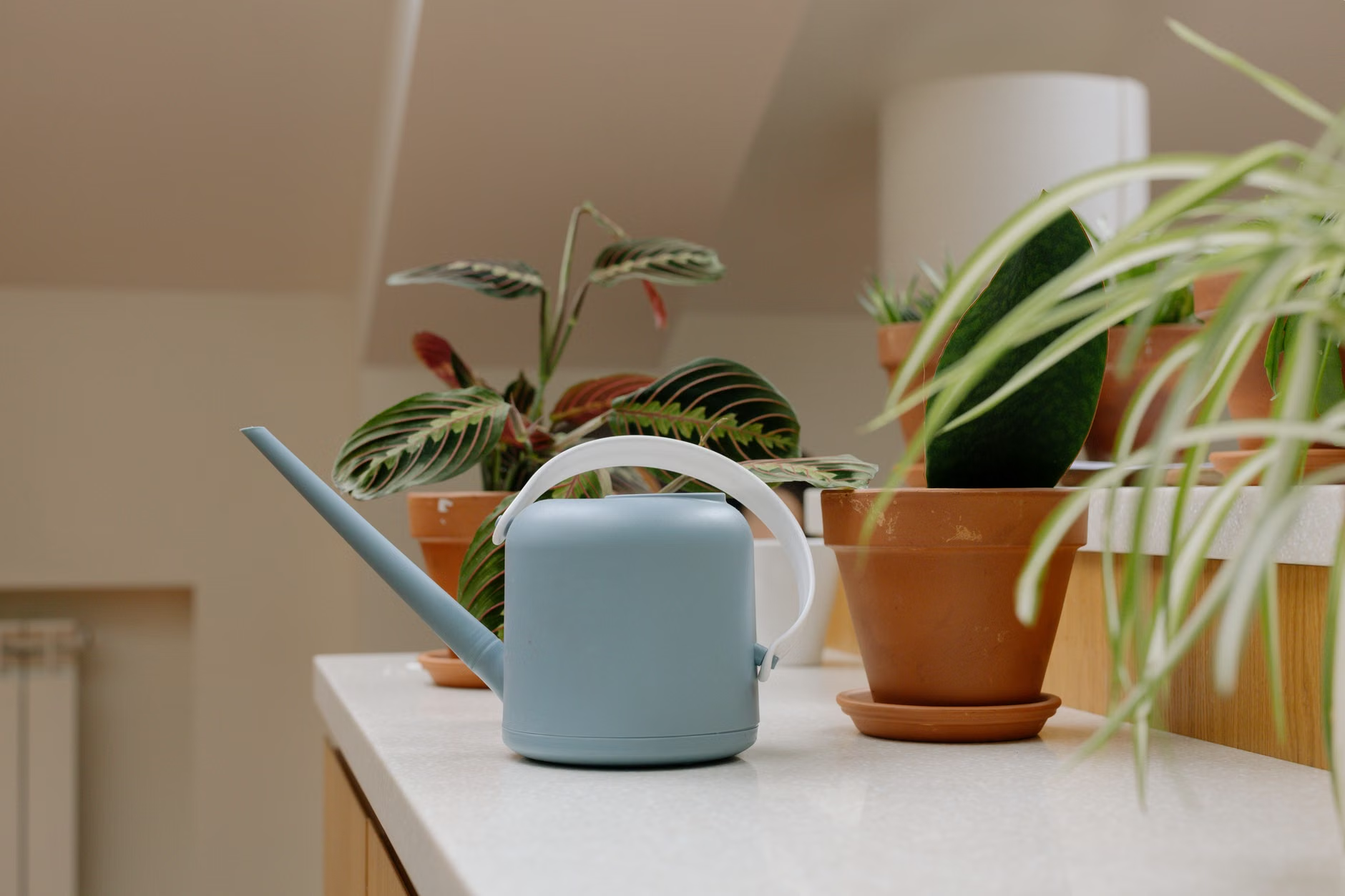
The Science of Water Management: Beyond the Watering Can
If you want to keep your urban garden alive without being chained to a hose, you must move away from top-down watering. Surface watering is inefficient because much of the water evaporates before it even reaches the root zone, especially in balcony environments where wind exposure is higher.
Sub-Irrigation Planters (SIPs) are the single most important investment for a climate-resilient balcony. These planters feature a reservoir at the bottom, allowing plants to draw water upward through capillary action as they need it. Think of it as a “set it and forget it” system. When the temperature spikes, the plant doesn’t rely on you to remember the afternoon watering; it simply pulls what it needs from the reservoir.
| Feature | Traditional Pot | SIP (Sub-Irrigation) |
|---|---|---|
| Water Frequency | Daily (or twice daily) | Every 3-7 days |
| Root Health | Risk of drying out | Consistent moisture |
| Water Waste | High (run-off) | Low (closed system) |
For those living in regions with water restrictions, this isn’t just about plant survival; it’s about compliance and conservation. During peak summer, many municipal authorities restrict hose usage. A SIP system allows you to maintain your garden using a minimal amount of water, which you can even replenish using stored greywater from washing vegetables or rinsing dishes (if you avoid harsh soaps).
Selecting the Right Soil Medium
The biggest mistake most beginners make is using standard “potting soil” from a local hardware store without modification. Most commercial potting mixes are designed for drainage, which is fine in a wet climate, but they dry out far too quickly in a heatwave. To make your soil climate-resilient, you need to increase its water-holding capacity.
Mix in additives like vermiculite or coco coir. Coco coir is a sustainable alternative to peat moss that holds onto moisture remarkably well while still allowing for air circulation. A simple, effective ratio for a resilient container is 40% coco coir, 40% high-quality compost, and 20% perlite for aeration. This balance ensures that the soil stays moist enough to survive a hot afternoon but never becomes a soggy, anaerobic mess that invites root rot.
Shielding Your Garden from Heatwaves
Even the most well-watered plant will struggle if the ambient temperature crosses a certain threshold. Most edible plants—especially leafy greens and tomatoes—begin to shut down their metabolic processes once temperatures exceed 30°C (86°F). This is known as the “thermal stress” phase.
To combat this, you need to provide artificial shade. This doesn’t mean moving your plants into the dark; it means using shade cloth. Shade cloth is a woven fabric designed to filter out a specific percentage of UV radiation. For most vegetable gardens, a 30% to 40% shade cloth is the “sweet spot.” It allows enough light for photosynthesis while significantly lowering the temperature of the leaves and the soil surface.
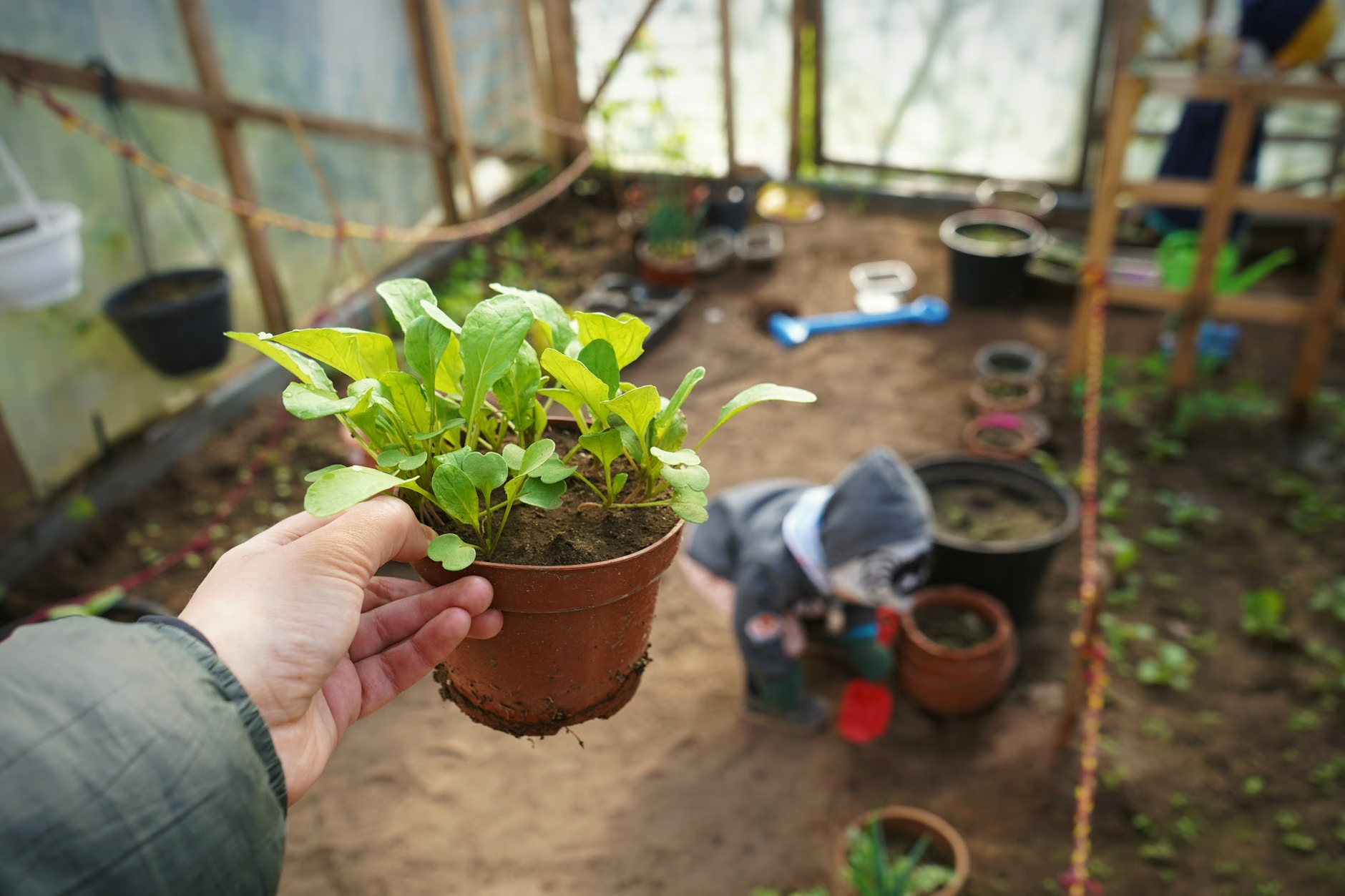
When installing shade cloth, ensure it is not sitting directly on the leaves. The air gap between the cloth and the plant is essential; it allows for airflow, which prevents fungal issues. If you are handy with basic DIY, creating a simple PVC or wood frame over your containers is a weekend project that will pay for itself the first time a heatwave hits.
The Role of Mulching in Containers
We often think of mulch as a garden-bed technique, but it is equally vital in containers. Adding a layer of organic mulch—like wood chips, straw, or even clean, dry leaves—to the top of your pot acts as a thermal blanket. It reduces the rate at which water evaporates from the surface and keeps the soil temperature several degrees cooler than exposed soil. If you have kids, this is a great way to show them how nature protects itself; explain that the mulch acts just like a hat or sunscreen for the soil.
Choosing Climate-Ready Plant Varieties
Not all plants are created equal when it comes to heat tolerance. If you live in an area prone to heatwaves, stop trying to force cool-weather crops like spinach or lettuce to grow in mid-summer. It is a losing battle. Instead, pivot to varieties bred for resilience.
Look for “heat-set” tomato varieties, which are specifically developed to produce fruit even when nighttime temperatures remain high. For greens, consider heat-tolerant alternatives such as Malabar spinach, Swiss chard, or amaranth, which thrive in the heat that would cause standard lettuce to bolt (go to seed) and become bitter.
Decision Rule: If you are unsure which variety to pick, search your local university agricultural extension website for “heat-tolerant [vegetable name] varieties for [your region].” These institutions perform trials specifically to see which plants survive local climate stressors. Don’t rely on the labels in big-box stores, which are often generalized for the entire country.
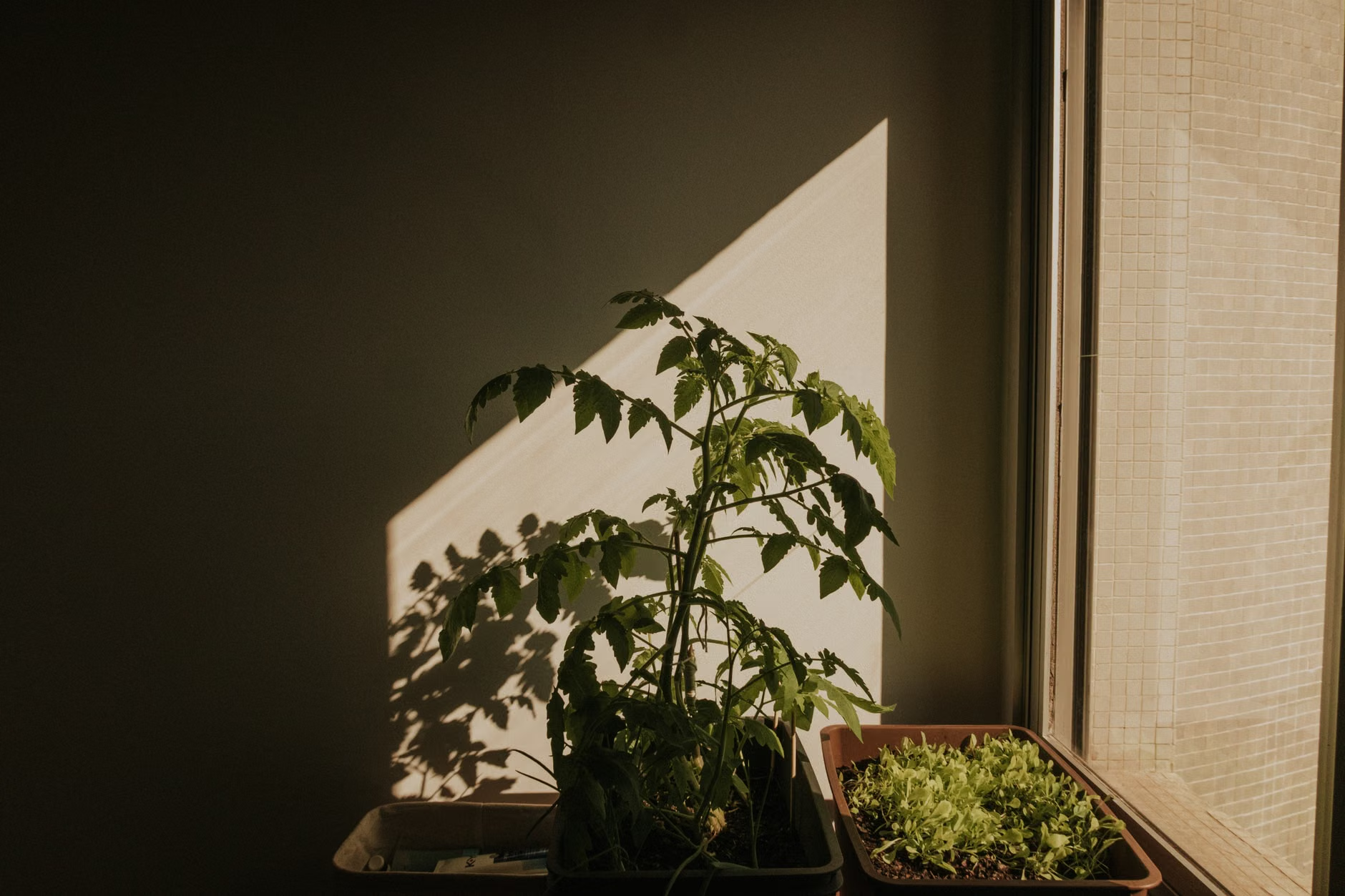
Building Resilience as a Family
Gardening is one of the most effective ways to teach children about environmental stewardship, but it is also a lesson in failure and adaptation. When a plant dies during a heatwave, don’t hide it. Use it as a conversation starter. Explain that the plant was stressed by the extreme heat, just like we feel tired on a very hot day.
Involve your children in the “engineering” of the garden. Let them help you set up the self-watering reservoir or assist in draping the shade cloth. When they see the connection between their actions—like adding mulch or setting up a shade—and the plant’s survival, it builds a sense of agency. In a world where climate news is often overwhelming and abstract, a small, successful, climate-resilient garden provides a tangible, positive outcome.
Common Pitfalls to Avoid
- Over-fertilizing during heatwaves: Never fertilize a plant that is heat-stressed. High concentrations of nutrients can “burn” the roots when the plant is already struggling to move water. Wait for a cooler spell.
- Ignoring wind: On a high-rise balcony, wind is a silent killer. It dries out leaves faster than the sun. If your balcony is windy, consider installing a windbreak, such as a bamboo screen or a trellis with climbing plants, to buffer the air.
- Assuming “Full Sun” means “Any Sun”: In a changing climate, “full sun” can become “scorching sun.” If your plants are flagging, move them to a spot that gets morning sun but afternoon shade. The morning light is far more productive for photosynthesis than the harsh, late-afternoon rays.
Refining Your Garden for the Future
The goal of a climate-resilient garden is not to achieve perfection, but to achieve reliability. As you move through the seasons, keep a simple log—either a digital note or a physical notebook—of what worked and what didn’t. Note the dates of the first heatwave, which plants wilted first, and which ones thrived. This data is more valuable than any generic gardening book because it is specific to your balcony, your microclimate, and your family’s lifestyle.
Start with one or two SIP containers this season. Don’t try to cover your entire living space at once. By the time the next summer rolls around, you will have a system that is battle-tested. You’ll be spending less time panicking about your plants and more time enjoying the fresh produce with your family. That is the true definition of a resilient lifestyle: creating systems that support our lives, rather than the other way around.
Frequently Asked Questions
Q: Can I use recycled materials to build a self-watering planter?
A: Yes, absolutely. You can create a DIY SIP by using two stacked buckets. The bottom bucket holds the water, and the top bucket holds the soil, connected by a “wick” (a piece of PVC pipe filled with potting mix) that draws water up. Just ensure the containers are food-safe (look for the recycling codes 2, 4, or 5) and that the system is properly aerated.
Q: How do I know if my balcony can support the weight of these planters?
A: This is a critical safety consideration. Most modern balconies are designed to hold significant weight, but you should check your building’s structural guidelines or lease agreement. If you are concerned, focus on using lightweight plastic or fabric containers rather than heavy ceramic or terracotta pots. Remember that wet soil is heavier than dry soil, so calculate your weight based on the saturated weight of the container.
Q: Is it really worth the effort to shade my plants?
A: If you live in an area where summer temperatures frequently exceed 30°C (86°F), the answer is a resounding yes. Without shade, you will likely spend more time and money replacing plants that have died from heat stress than you would have spent installing a simple shade structure. It is a protective measure that significantly extends your growing season.
For more information on regional climate adaptations, you can visit the FAO Climate Change and Agriculture portal or check your local government’s agricultural extension office for region-specific planting guides.