Key Takeaways:
- Synchronize your clock: Use high-intensity cool white light (5000K-6500K) in the morning to suppress melatonin and signal your brain to wake up.
- Transition to warmth: Shift to warm, amber-toned light (2700K or lower) at least two hours before bedtime to support natural melatonin production.
- Layer your light: A single overhead light is rarely enough; combine task lighting, ambient glow, and indirect light to mimic the natural movement of the sun.
If you find yourself hitting a wall by 3:00 PM every day during the winter months, or if the lack of morning light makes getting the kids ready for school feel like an uphill battle, you aren’t just tired—you are likely experiencing the physiological effects of light deprivation. Most of us spend our winters in a cycle of “indoor darkness,” moving from dim bedrooms to artificially lit offices and back to low-light living rooms, all while our internal biological clocks scream for the natural cues of a sunrise that happens long after we’ve started our morning commute.
Why Your Home Lighting Matters More Than You Think
Biophilic lighting is more than just a design trend; it is the practice of aligning your indoor environment with the natural rhythms of the sun. In the 30s and 40s, when our lives are packed with the demands of parenting, professional responsibilities, and the endless “to-do” list, our bodies become particularly sensitive to light-induced stress. When your eyes are exposed to the wrong color temperature at the wrong time, your brain struggles to distinguish between “work mode” and “rest mode.”
The core of this issue is the circadian rhythm, the 24-hour internal clock that regulates everything from your sleep-wake cycle to your hunger levels and mood. In the summer, the sun does the heavy lifting for us. In the winter, we have to act as the “sun” for our own homes. The goal is to mimic the natural progression of daylight: high-intensity, blue-enriched light in the morning to provide alertness, and low-intensity, warm-toned light in the evening to prepare for recovery.
Most households rely on a single, uniform light source—usually a “daylight” or “cool white” bulb in every room. This is a common mistake. By keeping the same color temperature throughout the day, you are essentially telling your brain that it is 1:00 PM at 9:00 PM. This disrupts melatonin production, making it harder to fall asleep, which leads to the “tired but wired” feeling that ruins your next morning. If your house feels like a sterile office at night, it is likely contributing to your winter irritability.
The Technical Breakdown: How to Set Up Your Lighting Zones
To implement biophilic lighting, you don’t need to renovate your home. You need to curate your light sources. Think of your home as a series of zones rather than a single space. You need a mix of direct light for tasks and indirect, diffused light for relaxation. The most effective setup involves three distinct layers: ambient, task, and accent lighting.
Step 1: The Morning Wake-Up (High Blue-Spectrum)
In the first hour after waking, your brain needs a “blue-light hit” to stop melatonin (the sleep hormone) and start cortisol (the alert hormone). If you live in a region where the sun isn’t up when the alarm goes off, you need to manually intervene. Use smart bulbs capable of “Cool White” or “Daylight” settings (5000K to 6500K). Place these in your kitchen or main living area where you spend the first 30 minutes of your day. Avoid “warm” or “yellow” bulbs in the kitchen during breakfast. You want crisp, clear light that mimics a bright morning sky.
Step 2: The Mid-Day Maintenance (Neutral Light)
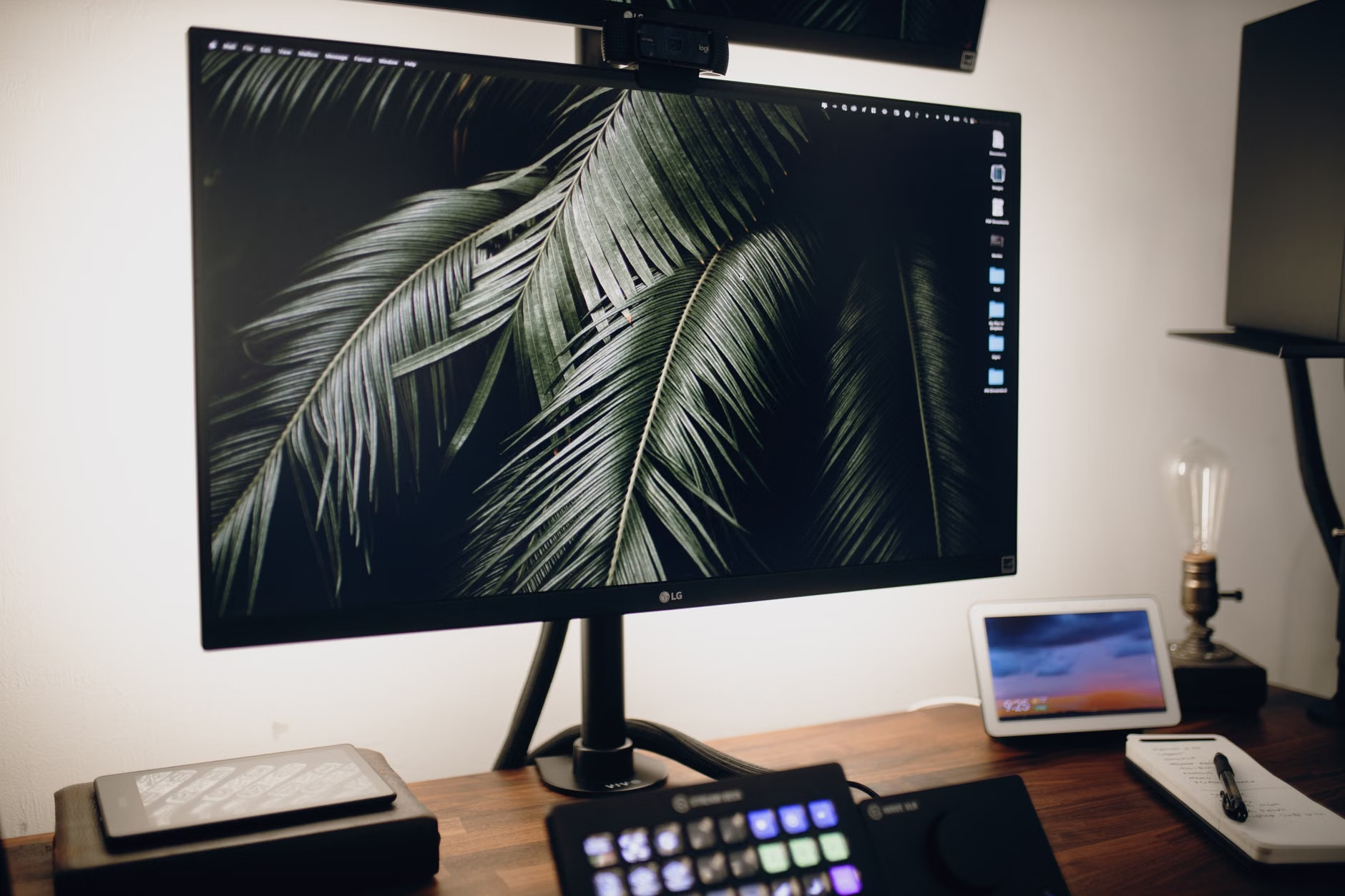
As you move into the middle of the day, your lighting should shift toward a neutral white (around 4000K). This is the “productivity zone.” If you are working from home, your desk lamp should provide direct, focused light that doesn’t cause glare on your screen. A common mistake here is using overhead recessed lighting that casts shadows on your workspace. Instead, use a dedicated desk lamp with a high Color Rendering Index (CRI). A CRI of 90+ ensures that colors look natural, which reduces eye strain and helps your brain feel more connected to the environment.
Step 3: The Evening Wind-Down (Warm Amber Glow)
By 7:00 PM, you should be transitioning your home into a “cave” environment. This is where most people fail. We often keep the kitchen lights on full blast while watching TV or helping kids with homework. Switch your smart bulbs to “Warm White” or “Soft White” (2700K or lower). If you don’t have smart bulbs, use floor lamps with amber-tinted shades or dimmable switches. The goal is to eliminate blue light, which inhibits melatonin. If you can’t change the bulbs, simply turn off all overhead lights and rely on lamps placed at chest level or below. This creates a “low-sun” effect that signals to your body that the day is ending.
Practical Comparison: Smart Lighting vs. Traditional Bulbs
You might wonder if you need expensive smart lighting systems to achieve these benefits. While smart bulbs (like Philips Hue or LIFX) make the transition automatic, they aren’t the only way to achieve a biophilic effect. The table below compares the two approaches to help you decide which fits your lifestyle and budget.
| Feature | Smart Lighting System | Traditional Manual Setup |
|---|---|---|
| Convenience | High (Automated schedules) | Low (Manual switching) |
| Cost | High (Initial investment) | Low (Standard bulbs) |
| Flexibility | Very High (Millions of colors) | Limited (Fixed color temp) |
| Implementation | App-based control | Zone-based bulb selection |
If you have young children, the “Smart” approach is often worth the investment because you can set “Scene” automations. For example, you can set a “Bedtime Mode” that automatically dims the house by 20% every 15 minutes starting at 7:30 PM. This acts as a visual cue for your kids that it is time to start the bedtime routine, reducing the friction of getting them to settle down.
Common Pitfalls and How to Avoid Them
Even with the best equipment, it is easy to fall into traps that negate the benefits of biophilic lighting. One of the most common mistakes is the “Screen Trap.” You can have the perfect 2700K ambient lighting in your living room, but if you are staring at a tablet or phone at maximum brightness, you are still dumping blue light directly into your retinas. This effectively cancels out your efforts to create a relaxing environment.
Another pitfall is the “Overhead Glare.” Many modern homes are equipped with high-intensity LED downlights. These are excellent for cleaning or cooking, but they are terrible for mood regulation. If your home only has these, consider installing a dimmer switch—a relatively inexpensive DIY project that can transform the feel of a room instantly. If you are renting and can’t change the switches, buy floor lamps with upward-facing diffusers. By bouncing light off the ceiling, you create a softer, more natural glow that mimics the way sunlight fills a room.
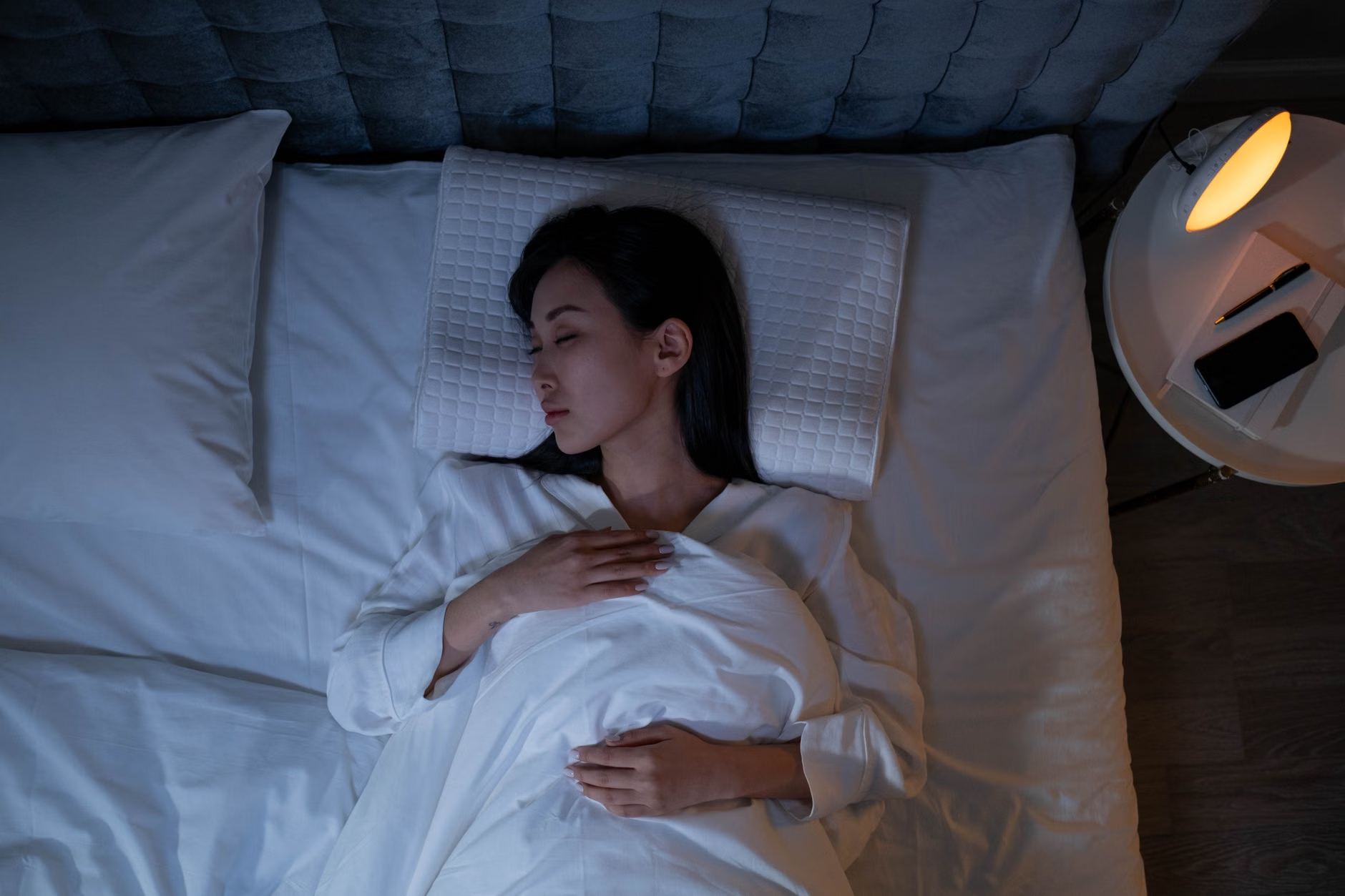
Lastly, don’t forget the importance of light placement in the bedroom. Your bedroom should be a sanctuary of darkness. If you need a nightlight for the kids, choose one with a deep red or amber hue. Red light has the least impact on your circadian rhythm, meaning it won’t trigger the “wake up” response in the brain if someone needs to get up in the middle of the night.
Integrating Nature: The “Bio” in Biophilic
Biophilic lighting is only half the equation. To truly combat winter depression, you should pair your lighting strategy with physical elements of nature. The term “biophilic” refers to our innate human need to connect with the natural world. If you have a home office, place your desk near the window, even if it’s cloudy. The intensity of daylight, even on a gray day, is significantly higher than the brightest indoor lighting.
Consider adding plants that thrive in low light, such as snake plants or ZZ plants, near your light sources. The combination of green foliage and warm, soft lighting creates a psychological buffer against the harshness of winter. It sounds simple, but the visual cue of a living plant under a warm light source creates a “safety” signal in the brain that helps lower cortisol levels after a high-stress day.
Decision Framework: What Should You Do First?
If you are feeling overwhelmed by the prospect of changing your home’s lighting, start small. Do not try to convert every room at once. Focus on the “High-Impact Zones”—the bedroom, the kitchen, and your primary workspace.
- Audit your current bulbs: Check the packaging for the Kelvin (K) rating. Anything above 4000K is “cool/daylight.” Keep these only for your workspace or morning-use areas. Replace everything else in the living room and bedroom with 2700K or 3000K “warm” bulbs.
- Install one smart bulb: Start with the lamp you use most in the evening. See if the ability to dim and shift color temperature actually changes your mood. If you notice a difference in how quickly you feel tired at night, expand the system.
- Create a “Sunset” routine: Use your phone to set a timer for your lights to dim or switch to warm tones as the sun goes down. This is the single most effective way to regulate your circadian rhythm without needing to think about it.
Remember that the goal is not to achieve perfection, but to achieve consistency. Your body doesn’t need a perfectly calibrated laboratory environment; it needs predictable signals. By providing these signals through light, you are giving your nervous system the support it needs to handle the stresses of parenting and daily life. If you miss a day or forget to change the settings, don’t stress. The beauty of the circadian rhythm is that it is resilient; it will reset itself as soon as you provide the right cues the next day.
As we navigate the darker months, it is easy to view winter as a season to “just get through.” However, by shifting how we interact with our indoor environment, we can transform our homes into spaces that actively support our mental and physical well-being. Start by changing one room, observe how your energy levels shift over the course of a week, and adjust from there. You are the architect of your home’s atmosphere—use that power to make the winter months a little brighter, and a lot more restorative.
Frequently Asked Questions
Does a “daylight” bulb actually help with Seasonal Affective Disorder (SAD)?
While daylight bulbs (5000K+) can help regulate your circadian rhythm, they are not a substitute for medical-grade light therapy boxes. If you have been diagnosed with SAD, consult a healthcare professional. A standard LED “daylight” bulb does not provide the high lux (light intensity) output required for clinical light therapy. However, for general mood improvement and energy regulation, these bulbs are a great tool for morning use.
Can I just use candles or dim lighting all evening?
Yes, but with a caveat. While low, warm light is excellent for melatonin production, candles or extremely dim lighting can lead to eye strain if you are trying to read or work. Ensure you have a “task light” that is bright enough for your specific activity, even if the rest of the room is dim. The key is to keep the “ambient” light low while maintaining sufficient “task” light for your eyes.
How do I know if my light bulbs are “flickering” at a rate that affects me?
Many cheap LED bulbs have a high “flicker rate” that is invisible to the human eye but can cause headaches and fatigue. To test this, open your smartphone camera and point it at the light. If you see scrolling black lines or a strobing effect on your screen, that bulb is likely flickering. High-quality LED bulbs are engineered to minimize this. If you are prone to headaches, investing in “flicker-free” or “high-frequency” LED bulbs is a wise decision.
For further reading on circadian health and light exposure, you can refer to the official resources provided by the Sleep Foundation regarding light and sleep hygiene, or the research on light-emitting diodes and health from the Harvard Medical School.