The most effective holiday networking events are defined by the quality of conversation, not the strength of the bar tab. If you are hosting a professional gathering this season, shifting to a “zero-proof” or alcohol-free focus isn’t just a trend—it is a strategic choice that ensures your guests leave sharp, engaged, and with clearer memories of the connections they made.
- Prioritize Complexity Over Sweetness: Successful zero-proof hosting requires treating non-alcoholic drinks with the same culinary rigor as cocktails, focusing on botanicals, bitters, and acids rather than sugary syrups.
- Control the Narrative via Curation: By removing the pressure to drink, you shift the event’s focal point to networking objectives, allowing for more meaningful professional exchanges.
- Anticipate the “Hospitality Gap”: Guests often feel awkward if they aren’t holding a drink; providing a sophisticated, ready-to-hand beverage immediately upon arrival is the single most important step to putting guests at ease.
Why the Shift to Zero-Proof Networking Matters
For professionals in their 30s and 40s, the “holiday party season” is often a collision of exhaustion. Between managing end-of-year work deadlines, school calendars, and family commitments, the traditional “open bar” networking event can feel more like a tax on your energy than an opportunity for growth. When you host a zero-proof event, you are essentially gifting your guests clarity.
The “sober-curious” movement has moved from niche lifestyle blogs into mainstream professional culture. Data from industry analysts suggests that the non-alcoholic beverage market is growing at a compound annual growth rate (CAGR) of over 6% globally, driven largely by health-conscious professionals who want to socialize without the “next-day” performance cost. When you host without alcohol, you aren’t just cutting out a beverage category; you are signaling that you value the presence of your guests over their consumption of alcohol.
This approach changes the dynamics of the room. Without the social lubricant of alcohol, conversations tend to be more intentional. People listen more actively, and the networking tends to result in more concrete follow-ups because the interactions were grounded in genuine professional interest rather than fleeting, alcohol-induced camaraderie.
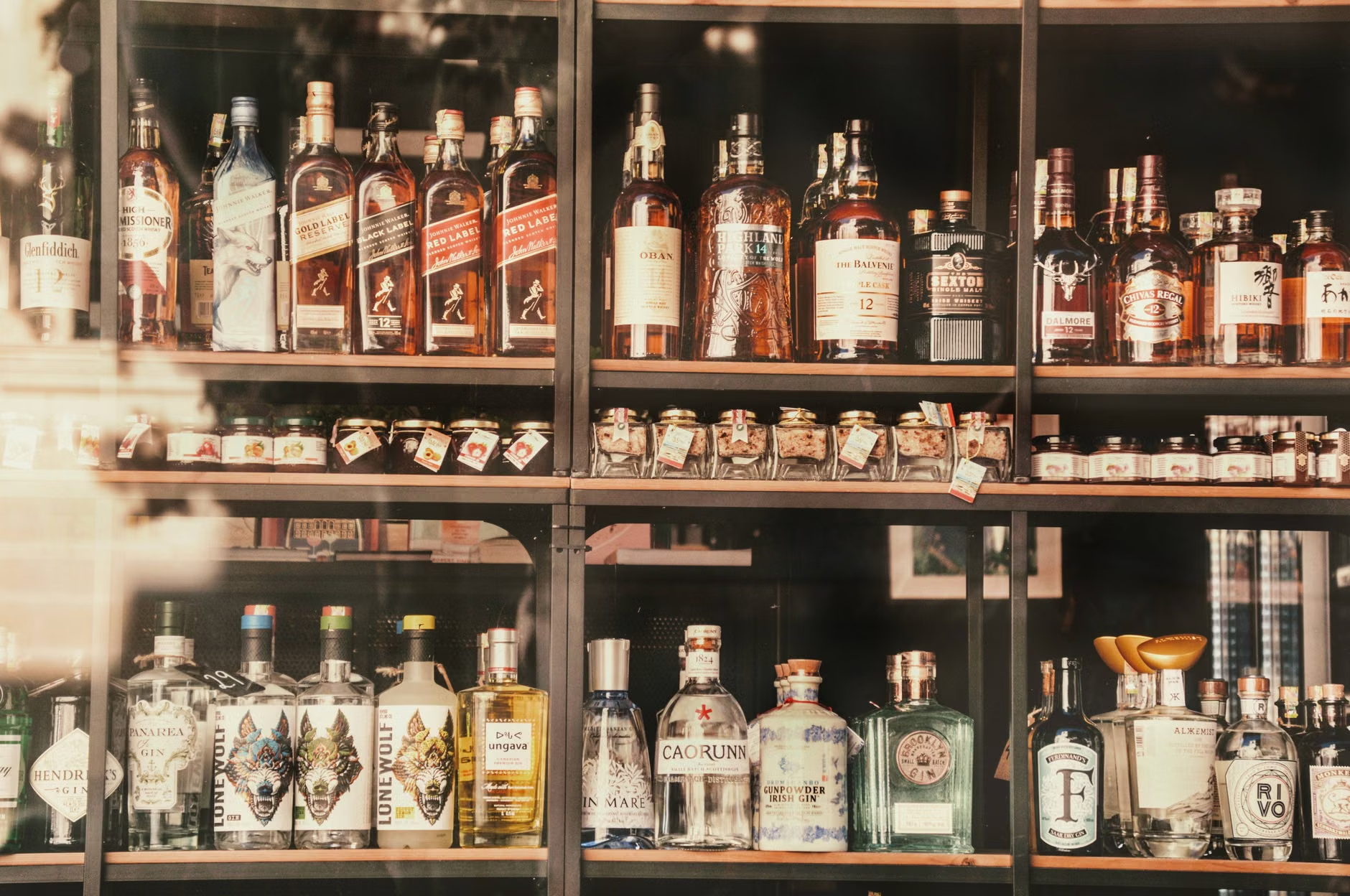
Designing Your Zero-Proof Menu: The “Three-Tier” Rule
The biggest mistake hosts make when transitioning to zero-proof is assuming that “non-alcoholic” means “soft drinks.” To host a professional event, you must offer an experience that feels as premium as a high-end cocktail bar. I recommend the “Three-Tier Rule” to ensure every guest feels catered to without needing to ask for a special accommodation.
| Category | Example | Purpose |
|---|---|---|
| The Botanical Base | Distilled non-alcoholic spirits (e.g., juniper or spice-forward profiles) | Mimics the complexity and mouthfeel of gin or whiskey. |
| The Effervescent Mixer | Premium tonic waters, sparkling teas, or kombuchas | Provides the “bite” and carbonation that makes a drink feel festive. |
| The Culinary Garnish | Fresh herbs (rosemary, thyme), citrus twists, or dehydrated fruit | Elevates the drink from “juice” to a crafted beverage. |
When selecting your botanical bases, look for brands that focus on “distillation” rather than just fruit juice blends. Many of these products are designed specifically to be mixed with premium tonics. If you are operating on a budget, high-quality shrubs (drinking vinegars) or concentrated tea blends can provide that same complexity at a fraction of the cost. The key is in the presentation: use crystal glassware, large ice cubes, and high-quality garnishes. A drink served in a plastic cup will never feel sophisticated, regardless of the ingredients.
Managing the Social Dynamics: The “Arrival Protocol”
The most awkward moment of any networking event is the first three minutes. At a traditional event, the first thing a host does is offer a glass of wine. At a zero-proof event, you must replace that ritual with something equally welcoming, or your guests will feel the “missing” element immediately.
Your “Arrival Protocol” should be seamless. As soon as a guest walks through the door, offer them a pre-batched, sophisticated non-alcoholic drink. Do not ask, “Would you like something to drink?” Instead, say, “Welcome! We have a signature spiced cranberry spritz ready for you—would you like one?” This removes the decision fatigue and immediately sets the tone that the event is curated, not just “lacking.”
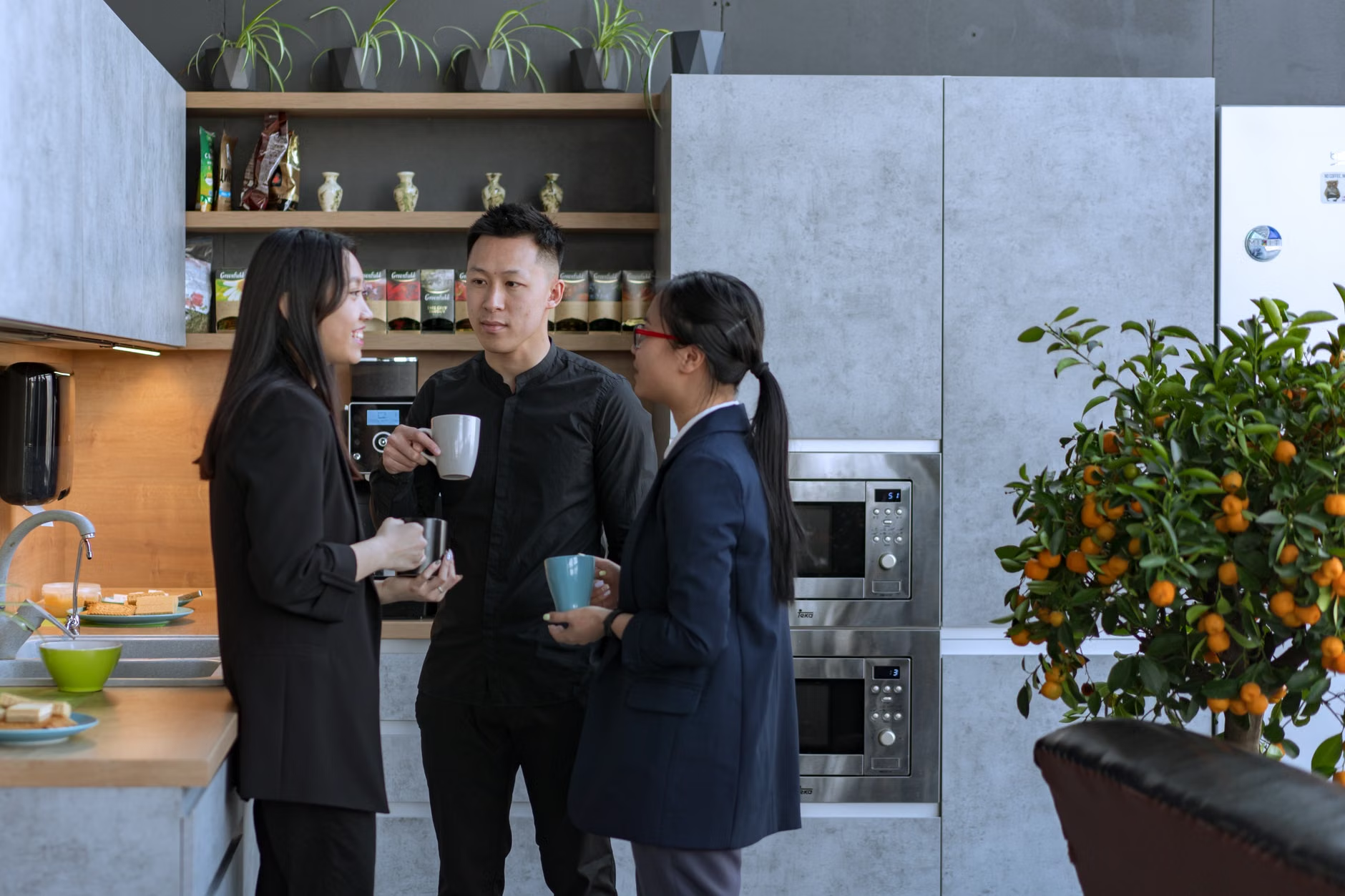
If you have guests who are staunchly traditional, you might be worried about pushback. In my experience, most people do not care what is in the glass as long as the atmosphere is engaging and the beverage is delicious. If someone asks, be honest but brief: “We wanted to host a sharper, more focused networking evening, so we’ve curated a menu of these incredible non-alcoholic botanical blends.” Most professionals will appreciate the thoughtfulness and the fact that they don’t have to worry about drinking and driving or feeling sluggish the next morning.
Common Pitfalls and How to Avoid Them
Even with the best intentions, it is easy to fall into traps that can make your event feel like an afterthought. One common mistake is the “Sugar Trap.” Many non-alcoholic options on the market are essentially fruit juices with high sugar content. By the third drink, your guests will feel a sugar crash. Ensure your menu leans into savory, bitter, and acidic flavor profiles—think ginger, lime, rosemary, cucumber, and black tea.
Another pitfall is “The Empty Space.” If you are hosting at home, make sure the bar area is clearly labeled. Place a small, elegant sign on the table explaining the ingredients. This acts as a conversation starter. When guests see “Juniper and Tonic” or “Smoked Rosemary Spritz,” they are curious. It gives them something to talk about immediately, which is exactly what a networking event needs.
Finally, avoid the “Apology Trap.” Never apologize for not serving alcohol. If you start your event with, “Sorry we don’t have any wine,” you are framing your event as a compromised version of something else. Instead, frame it as a premium, alternative experience. Confidence in your hosting choice is contagious. If you treat the zero-proof menu as a highlight, your guests will treat it as a highlight.
Logistical Considerations: Sourcing and Budgeting
Budgeting for a zero-proof event can be surprisingly different from a traditional one. While you aren’t paying for expensive spirits or wine, premium non-alcoholic distillates (like Seedlip, Lyre’s, or Ghia) can be just as pricey as mid-range alcohol. However, you will likely save money on the overall volume of beverages consumed. People tend to drink fewer non-alcoholic cocktails than they do alcoholic ones because the palate fatigue sets in faster with complex botanical drinks.
When sourcing, look for local producers. Many independent beverage companies are now making excellent zero-proof mixers. Check your local farmer’s markets or boutique grocery stores. If you are buying in bulk for a large event, reach out to these companies directly; they are often eager to support professional networking events as a way to get their product in front of a new audience.
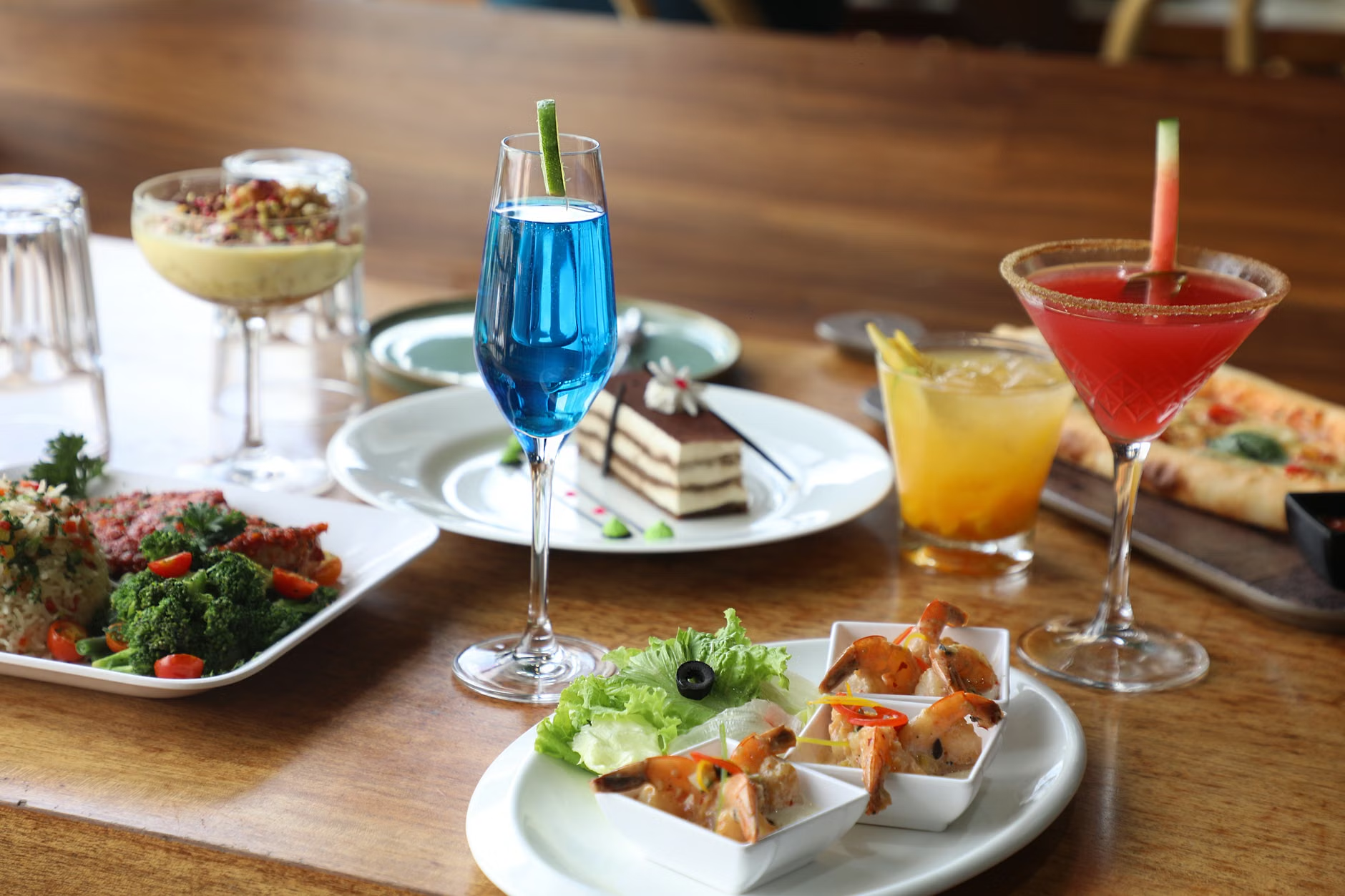
Consider the “hidden costs” of hosting. If you are hosting at home, you need to account for high-quality glassware. If you don’t have enough, consider renting them or buying a set of durable, elegant polycarbonate glasses that look like glass but won’t break. For a professional setting, glassware is non-negotiable; it signals that you respect your guests’ time and presence.
Actionable Steps for Your Next Event
If you are ready to plan your first zero-proof networking event, follow this timeline to ensure success:
- Four weeks out: Finalize your guest list and send out invitations that mention the “curated zero-proof bar” to set expectations early.
- Two weeks out: Test your recipes. Do not serve a drink you haven’t tasted. Balance the acidity and sweetness to ensure it’s refreshing, not cloying.
- One week out: Source your garnishes. Fresh, high-quality produce is the difference between a “mocktail” and a “crafted beverage.”
- Day of: Set up your “Arrival Station” with pre-batched drinks. This is your most important task.
Remember that the goal of your event is connection. If you provide a space where people can talk without the distraction of intoxication, you have already succeeded. The beverage is merely the vessel for the conversation. By choosing to host a zero-proof event, you are demonstrating leadership—showing that you value quality, health, and genuine interaction over the status quo.
Frequently Asked Questions
How do I handle guests who are disappointed by the lack of alcohol?
Most guests will be fine if you provide a high-quality alternative. If you have a few who are vocal about wanting alcohol, keep your response simple and positive: “We wanted to try a different format for this event to keep the energy focused and productive. I think you’ll really enjoy the complexity of these botanical blends!” Avoid being defensive; your confidence will set the tone for the rest of the room.
Is it necessary to label everything?
Yes. In a traditional bar, people recognize the bottles. In a zero-proof environment, they may not. Providing a small, elegant menu card or labels helps guests understand what they are drinking and prevents them from feeling like they are just drinking “juice.” It also adds to the professional, curated feel of the event.
What if I want to offer an alcoholic option for some guests?
While the focus is on a “zero-proof” event, there is no rule against providing a single, high-quality alcoholic option (like a nice bottle of wine or a local craft beer) if it makes your specific group feel more comfortable. However, if you do this, ensure the non-alcoholic options remain the “hero” of the event. Keep the non-alcoholic drinks front-and-center, and place the alcoholic option at the end of the bar to ensure it doesn’t become the default choice.
For more insights on the evolving landscape of non-alcoholic beverages and professional hosting, you can reference resources like the Distilled Spirits Council of the United States (which tracks industry shifts) or look into the Mindful Drinking movement for inspiration on flavor profiles and event planning.
Ultimately, hosting is about creating an environment where your guests feel seen and valued. Whether you choose a fully dry event or a zero-proof forward one, your commitment to a thoughtful, well-planned experience will be the thing your guests remember most. Take the leap, curate your menu, and focus on the connections that matter.