- Carbon Border Adjustment Mechanisms (CBAM) currently target high-carbon industries like steel and aluminum, not finished consumer electronics like cameras.
- The primary driver of rising camera prices is not environmental taxation, but rather currency fluctuations, supply chain logistics, and the shift toward premium mirrorless tech.
- While direct “carbon taxes” on cameras are not yet a reality, indirect costs—such as increased shipping fees and energy-intensive manufacturing costs passed down by suppliers—are quietly influencing the final price tag you see at checkout.
If you have spent any time recently browsing for a new lens or scoping out the latest mirrorless camera bodies, you have probably noticed a nagging trend: the prices are high, and they seem to stay high. As a parent balancing a household budget, every “hobbyist” purchase requires a bit of mental gymnastics. When you hear buzzwords like “Carbon Border Tax” or “Green Trade Policy” in the news, it is natural to wonder: Is this why my dream lens suddenly costs as much as a family vacation?
The short answer is both “no” and “it’s complicated.” Let’s peel back the layers of how global climate policy and the camera industry actually intersect, so you can stop guessing and start making informed decisions about your next gear upgrade.
What Exactly is a Carbon Border Tax?
When policymakers talk about a “carbon border tax,” they are usually referring to a Carbon Border Adjustment Mechanism (CBAM). Think of it as a protective tariff, but for the planet. The goal is to prevent “carbon leakage”—a fancy term for companies moving their factories to countries with weak environmental regulations just to avoid paying for their pollution.
If a country has a strict domestic carbon tax, they don’t want local businesses to be undercut by cheaper, “dirtier” imports. So, they apply a levy on imported goods that matches the carbon cost of producing them locally. Currently, in regions like the European Union, this policy is laser-focused on heavy, carbon-intensive sectors: cement, iron, steel, aluminum, fertilizers, electricity, and hydrogen.
Why this matters for your camera gear: Cameras and lenses are not primarily made of raw steel or cement. They are complex assemblies of glass, plastics, specialized electronic sensors, and copper wiring. Because they fall into the category of “finished consumer electronics,” they are not currently the primary targets for direct CBAM levies. However, the components inside them—the aluminum frame or the steel mounting rings—are subject to these rules if they are imported as raw materials. The cost of those components is rising, and that cost eventually trickles down to the consumer.
The Hidden Costs: Why Your Gear Feels More Expensive
If the carbon tax isn’t directly slapping a “climate surcharge” on your camera, why does it feel like you are paying more? It is helpful to look at the factors that actually move the needle on pricing for photography hobbyists. For those of us in our 30s and 40s, we are often comparing today’s prices to the “golden age” of DSLRs, but the industry has shifted fundamentally.
1. The Shift to Premium Mirrorless Tech
Manufacturers have largely abandoned entry-level DSLRs in favor of high-end mirrorless systems. These systems require more expensive manufacturing processes, including high-precision sensor stabilization and complex electronic viewfinders. You aren’t just paying for a “camera”; you are paying for a computer that happens to take pictures.
2. Logistics and Supply Chain Volatility
The global supply chain is becoming more sensitive to energy costs. When fuel prices rise due to carbon-related regulations on shipping and aviation, the cost of moving delicate optics from a factory in Asia to your local retailer increases. This is an indirect “carbon cost” that is baked into the logistics chain, even if it isn’t an explicit tax on the product.
3. Currency Fluctuations and Regional Pricing
As a global consumer, you are likely affected by how your local currency performs against the Japanese Yen or the US Dollar. Many camera manufacturers (like Canon, Nikon, and Sony) set their global pricing strategies based on these exchange rates. When the economy is volatile, manufacturers increase prices to hedge against potential losses. This often happens at the same time as new environmental policies, creating a correlation that looks like causation to the average buyer.
| Factor | Impact on Price | Is it a Carbon Tax? |
|---|---|---|
| Raw Material Costs (Steel/Aluminum) | Moderate Increase | Indirectly (via CBAM on materials) |
| Shipping/Logistics | Low to Moderate | Indirectly (Fuel surcharges) |
| R&D for Mirrorless Tech | High | No (Product Evolution) |
| Currency Exchange Rates | High | No (Macroeconomics) |
As seen in the table above, the “carbon tax” element is a minor contributor compared to the massive shift in technology and global currency dynamics. If you see a price hike, blame the tech evolution and the exchange rate before you blame the climate policy.
The Long-Term Outlook: Should You Buy Now?
There is a common misconception that waiting will lead to lower prices as manufacturing becomes “greener.” In reality, the transition to sustainable manufacturing is expensive. Companies are investing billions into carbon-neutral facilities and renewable energy for their factories. These costs are almost always passed on to the consumer over time.
If you are a hobbyist, here is the decision rule: If you have a clear need for gear that will help you document family milestones or pursue your craft, waiting for a “price correction” is likely a losing strategy. Technology in the camera world tends to follow a cycle of depreciation, but the “new” gear is consistently launching at higher price points to offset the costs of R&D and greener logistics.
Practical Steps for the Budget-Conscious Photographer
Since we cannot control global trade policy or carbon border taxes, we have to control our own purchasing strategy. Here is how to navigate the current market without breaking your family’s financial plan.
1. Embrace the “Used” Market
The camera market is unique because gear is built to last. A professional-grade camera from five years ago is often more than enough for a hobbyist, and it has already taken the “depreciation hit.” Buying used is not only a fantastic way to save 30-50%, but it is also the most environmentally friendly way to acquire gear, as it extends the lifecycle of existing electronics.
2. Focus on Glass, Not Bodies
If you are feeling the pinch, spend your money on high-quality lenses rather than the latest camera body. A lens will last you through three or four camera upgrades. When you look at the total cost of ownership, a high-quality lens holds its value much better than a digital sensor that will be outdated in three years.
3. Consider the “Total Cost of Ownership”
Before you commit to a purchase, look at the ecosystem. If you buy into a brand that has a limited selection of affordable lenses, you will end up spending more in the long run. Look for systems (like Sony E-mount or Fujifilm X-mount) that have a robust third-party lens market. Third-party manufacturers often provide excellent quality at a fraction of the price of brand-name glass, helping you offset those sneaky, indirect price increases.

Common Misconceptions About “Green” Tech Pricing
It is easy to fall into the trap of thinking that “green” equals “expensive.” While this is often true in the short term, it isn’t always the case. Some of the most sustainable changes in the camera industry are actually about efficiency. For example, moving to more efficient manufacturing processes can reduce waste, which eventually lowers the cost per unit.
However, don’t expect a “green discount.” When a company markets a product as “carbon neutral” or “sustainably produced,” they are often factoring in the cost of carbon offsets or renewable energy certificates. While this is great for the environment, it rarely results in a lower price at the checkout. Instead, look for durability. The most sustainable camera is the one you keep for a decade rather than replacing every two years.
What Should You Actually Do Next?
If you are currently saving for a new camera, don’t let the news about carbon taxes deter you. The impact is currently too diffuse and indirect to justify holding off on a purchase you are ready for. Instead, prioritize your spending by focusing on long-term value.
Check the price history of the items you are interested in using tools like CamelCamelCamel (for Amazon) or dedicated photography marketplace trackers. If you see a steady upward trend, it is likely due to the economic factors mentioned above—inflation and supply chain costs—rather than a specific tax. If you see a sudden spike, wait for a sales event like Black Friday or the manufacturer’s seasonal promotions. These events are still the most effective way to bypass the “sticker shock” of modern gear prices.
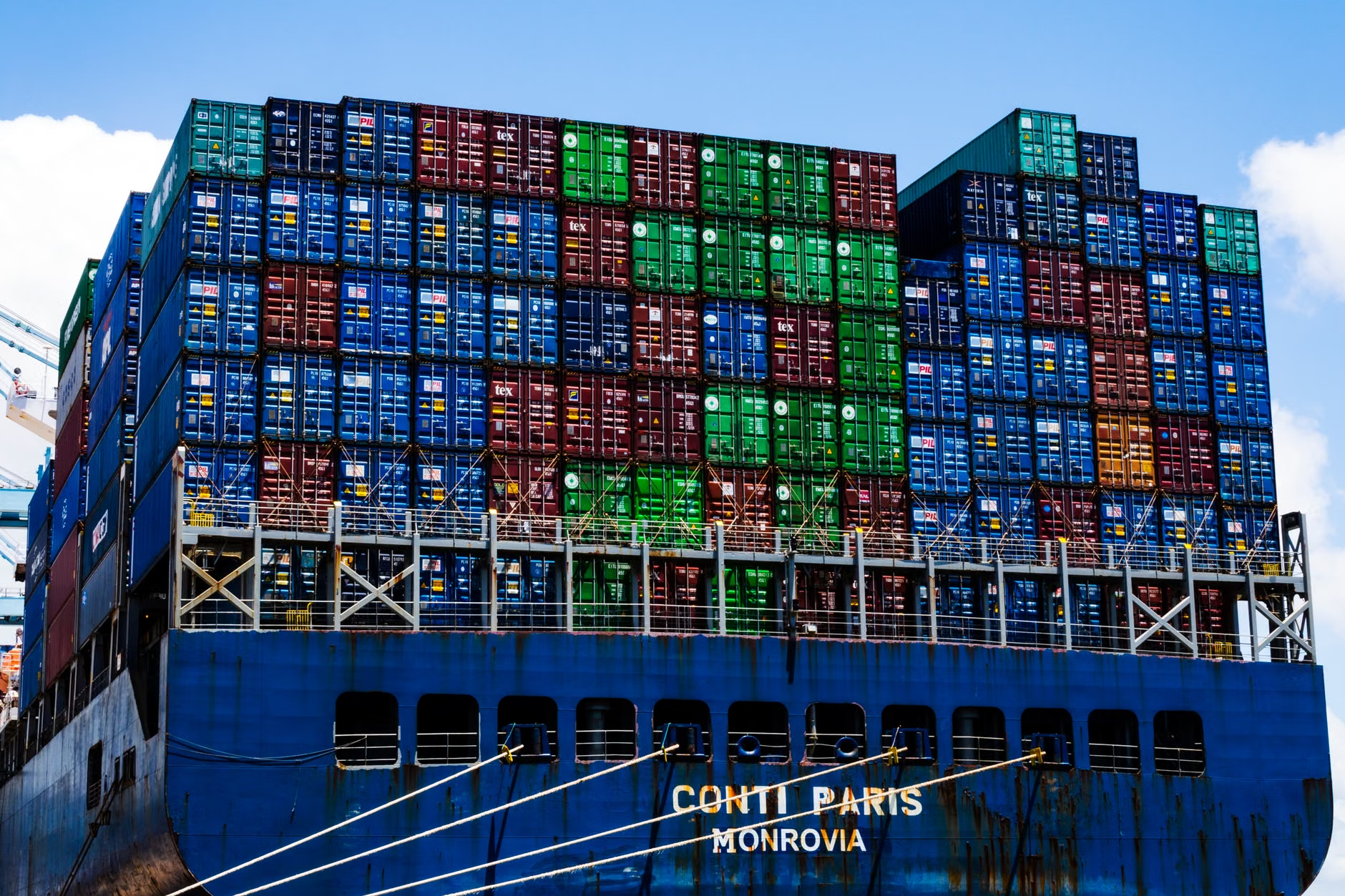
Finally, remember that the “best” gear is the one that gets you out of the house and taking photos. Whether it is a brand-new mirrorless system or a reliable used DSLR, the value is in the memories you capture, not the tax implications of the shipping container that brought it to your door.
Frequently Asked Questions
Q: Will carbon border taxes make second-hand camera gear more expensive?
A: Generally, no. Carbon border taxes apply to the import of new goods. The second-hand market is driven by supply and demand within your own country. If anything, rising prices for new cameras may increase demand for used gear, which could lead to a slight price increase in the used market, but this is a secondary effect, not a direct tax.
Q: Are there any specific regions where camera gear is taxed more due to climate policies?
A: Currently, most countries apply standard import duties and VAT/GST on cameras. While the EU is the most aggressive with its CBAM policy, it remains focused on raw materials. If you live in a region with high import duties, that is a local trade policy, not a carbon tax. Always check your local customs authority website for the most accurate information on import fees.
Q: Should I worry about “greenwashing” when buying expensive photography gear?
A: Yes, it is worth being a skeptical consumer. Many companies are adding “sustainability” claims to their marketing. While these might be true, they are often used to justify premium pricing. Focus on the technical specifications and build quality—if the product is built to last 10 years, that is the most meaningful “green” credential you can look for.
For further reading on international trade policies and their impact on consumer electronics, you can monitor updates from the European Commission’s official CBAM portal, which provides the most transparent look at how these regulations are evolving globally.