- Direct Cost Savings: Home swapping eliminates accommodation expenses, which typically account for 30–50% of a family vacation budget.
- Platform Selection Matters: Choose platforms based on your specific needs—some prioritize luxury homes, while others focus on verified family-friendly neighborhoods.
- Risk Management: You must treat your home like a professional rental; this includes securing insurance, creating a detailed house manual, and vetting guests through platform reviews.
If you have ever stared at your family vacation budget and felt the familiar sting of accommodation costs eating up half your funds, you aren’t alone. For those of us in our 30s and 40s, balancing the desire for authentic travel experiences with the reality of mortgage payments, school fees, and childcare costs is a constant juggling act. Home swapping—the practice of trading homes with another family for a set period—has moved from a niche “niche” travel hack to a sophisticated, mainstream way to explore the world without the hotel price tag.
But let’s be clear: this isn’t just about finding a free bed. It’s about a lifestyle shift that requires logistics, trust, and a bit of “house-proud” preparation. If you are considering this as a way to stretch your travel budget, you need to understand the mechanics beyond the glossy marketing brochures.
Why Home Swapping is Suddenly Everywhere
The rise of the “sharing economy” has matured. In the past, home swapping felt like a high-stakes gamble—you were essentially handing your keys to a stranger based on a blurry photo and a handwritten letter. Today, platforms like HomeExchange, Love Home Swap, and People Like Us have professionalized the process. They provide identity verification, secure messaging systems, and, crucially, insurance policies that cover property damage.
For parents, the appeal is obvious. Hotels are often cramped for a family of four, and eating out three times a day isn’t just expensive; it’s exhausting. A home swap gives you a full kitchen, a laundry room (a non-negotiable for families), and separate bedrooms. You aren’t just visiting a city; you are living in it. You get the local grocery store recommendation, the best playground in the neighborhood, and the peace of mind that comes with having a “home base” rather than a transient hotel room.
However, the shift to this model requires a change in mindset. You are not a guest being served; you are a peer entering into a reciprocal agreement. If you aren’t prepared to clean your home to a professional standard or manage a minor household emergency while you’re abroad, this might not be the right fit for your personality.
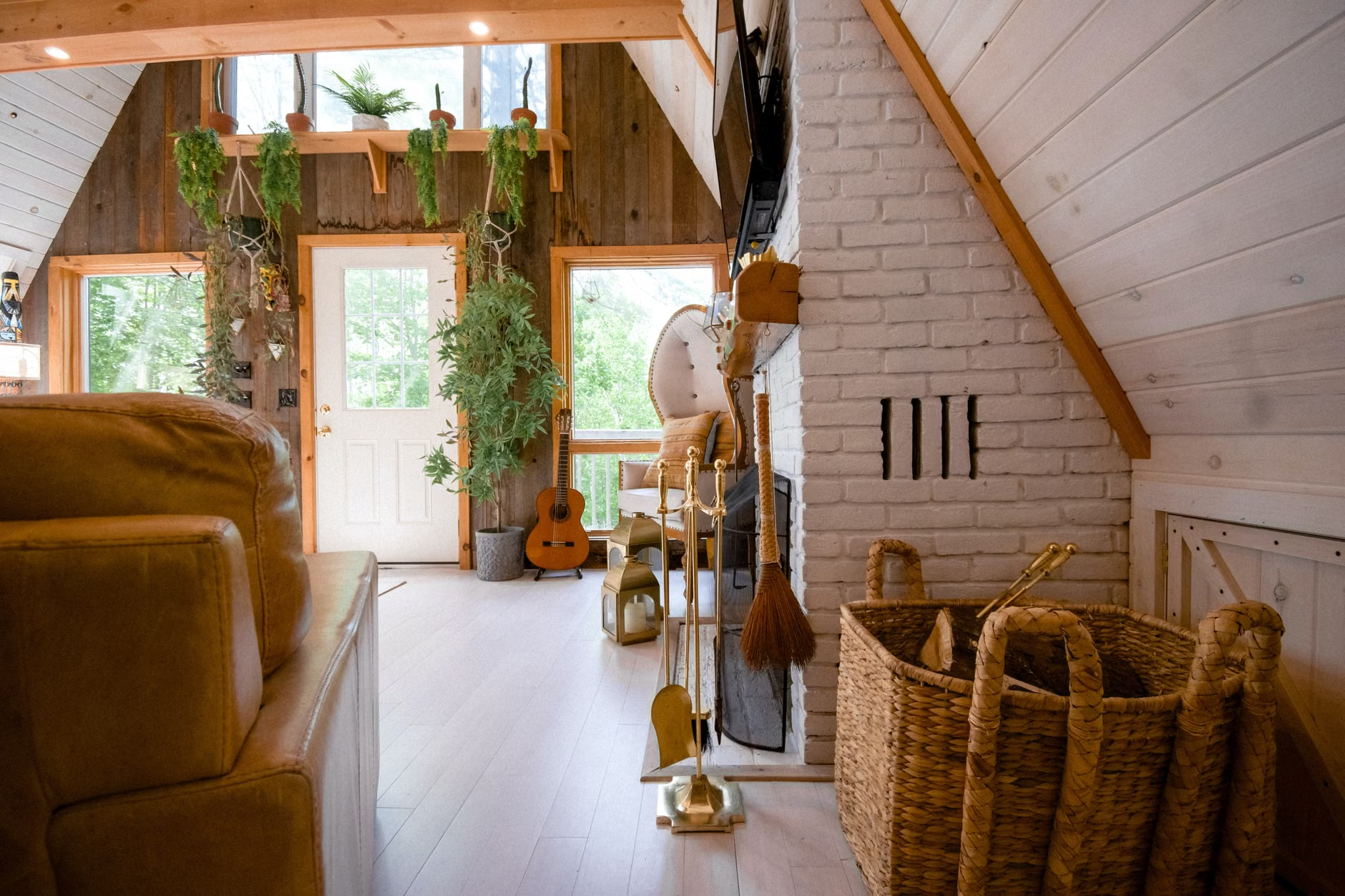
Choosing the Right Platform for Your Family
Not all platforms are created equal. When you are in your 30s or 40s, time is your most valuable currency. You don’t want to spend weeks negotiating with potential swappers only to find out their home isn’t actually child-proofed or is located far from public transit. Here is how to evaluate your options:
| Platform Type | Best For | Key Considerations |
|---|---|---|
| Subscription-Based | Frequent travelers | High volume of listings; usually includes insurance coverage in the membership fee. |
| Niche/Community-Based | Specific interests | Smaller pools, but higher trust levels; often requires a “member-to-member” vetting process. |
| Luxury/High-End | Second-home owners | Strict requirements on home quality; often involves “points” systems rather than direct swaps. |
If you are a first-timer, I recommend starting with a platform that uses a robust points-based system. This allows you to “earn” points by letting someone stay in your home while you are away, which you can then spend on a stay at a different home later. This is significantly easier than trying to find a “simultaneous swap,” where both families must align their vacation dates exactly—a logistical nightmare if you have school-aged children with rigid holiday schedules.
The Hidden Costs and Realities of Swapping
While you save on the room rate, home swapping is not “free.” You must account for the time and money spent preparing your home. Many successful swappers hire a professional cleaner before the guests arrive and again after they leave. You also need to consider utility costs—if you are hosting a family for two weeks, your water and electricity usage will spike. Then there is the “welcome” aspect. Most experienced swappers leave a small gift (wine, local chocolates, or a grocery starter kit). These are minor costs, but they add up.
The most significant hidden cost is insurance. Before you list your home, call your home insurance provider. Does your policy cover short-term guests? Many standard policies have clauses that exclude “paying guests,” and while a home swap isn’t technically a rental, some insurance companies are notoriously pedantic. Ensure you have the right coverage, or look for platforms that offer secondary insurance specifically designed for home exchange.
Preparing Your Home: The “Hotel Standard” Rule
If you want to be a successful swapper, you have to treat your home like a hotel. This doesn’t mean you need to renovate, but it does mean you need to declutter. If your closets are stuffed with your personal belongings, your guests will feel like intruders. A good rule of thumb: clear at least one full wardrobe, a set of drawers in every bedroom, and empty the majority of your kitchen counters.
Create a “House Manual.” In the digital age, this can be a simple Google Doc or a printed binder. It should include:
- WiFi credentials: Put this on the first page, in large font.
- Appliance instructions: How to use the dishwasher, the coffee machine, and the thermostat.
- Emergency contacts: Neighbors, a plumber, an electrician, and the nearest urgent care.
- Local recommendations: Don’t just list tourist traps. List the best coffee shop, the grocery store that stays open late, and the park where your kids actually enjoyed playing.
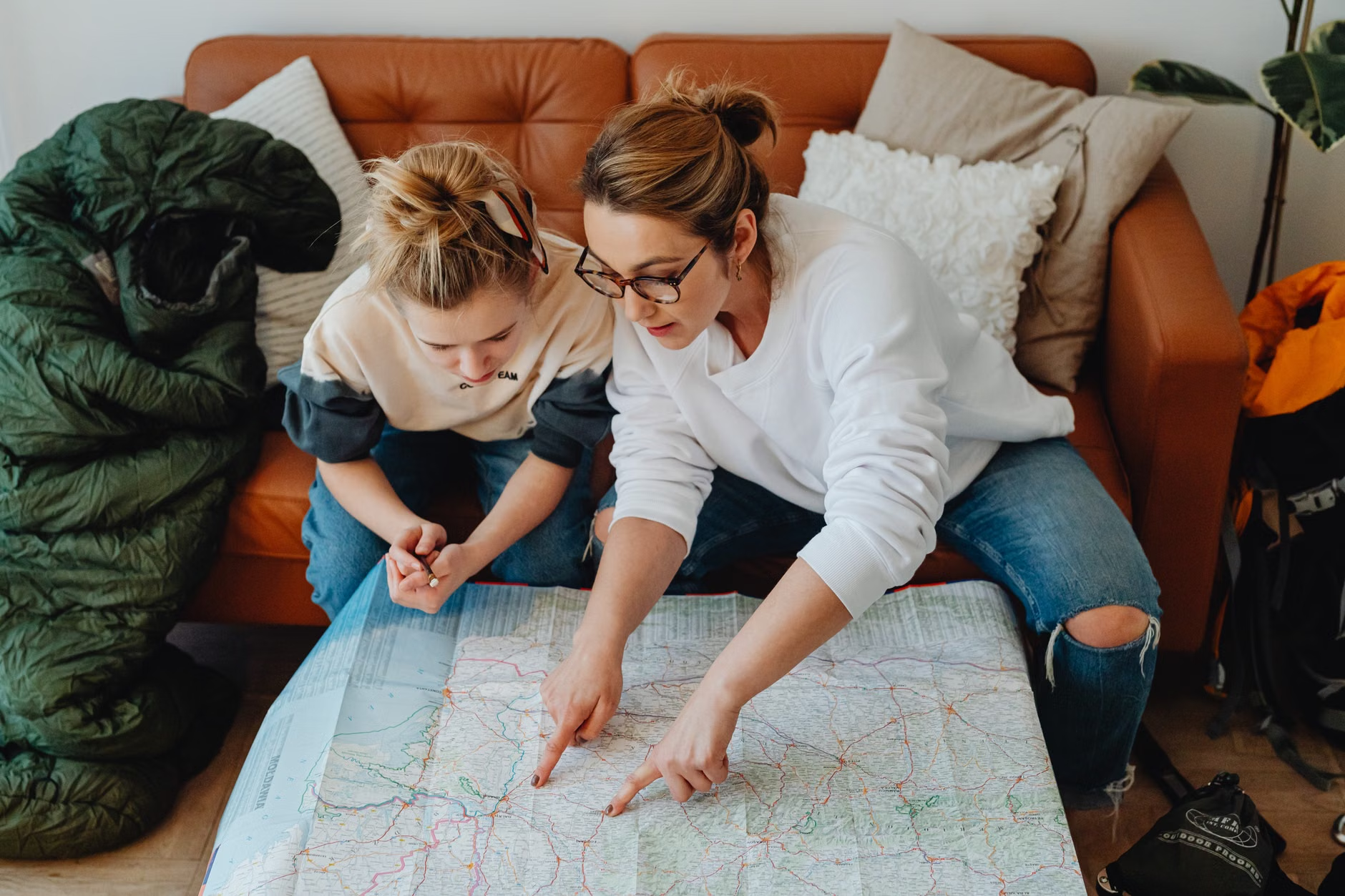
The biggest hurdle for most people is the fear of damage. “What if they break my TV?” or “What if they leave the place a mess?” It is a valid concern. The best defense is a thorough vetting process. Use the platform’s messaging system to have a real conversation with the potential swapper. Ask them about their family, their lifestyle, and why they are traveling. If they seem hesitant to answer questions or have a sparse profile, move on. Trust your gut.
Another layer of security is the “lock-up” zone. Choose one closet or a specific room in your home to lock your valuables, sensitive documents, and anything you don’t want guests to access. It’s a simple, effective way to maintain your privacy while being a generous host.
Managing the Kids and the Logistics
Traveling with children is hard enough without having to worry about whether the host home has a crib or a high chair. When you are filtering for homes, use the “family-friendly” filter, but don’t rely on it blindly. Ask the host specifically: “Is the staircase gated?” or “Are the cleaning supplies stored out of reach?”
One of the best parts of home swapping for parents is the potential to access toys and books you wouldn’t have on vacation. However, be prepared for the “toy rule.” Establish with your children that some toys are “shared” while others are “private.” Pack a few of their absolute favorites from home to ensure they have a sense of security and comfort in the new environment.
Avoiding Common Pitfalls
The most common mistake people make is over-promising. If your dishwasher has a quirk, or if the radiator makes a weird noise at 2 AM, tell your guest in advance. Transparency builds goodwill. If something breaks during their stay, they are much more likely to be honest and helpful if you have already set a tone of open communication.
Another mistake is failing to set boundaries regarding extra guests. Make it clear in your initial agreement that the swap is for the specific number of people mentioned in the listing. If your guests suddenly decide to invite their extended family, you need to have a pre-agreed policy on how to handle that. Most platforms have standard terms of service, but it never hurts to have a quick, friendly email confirmation of the guest list.
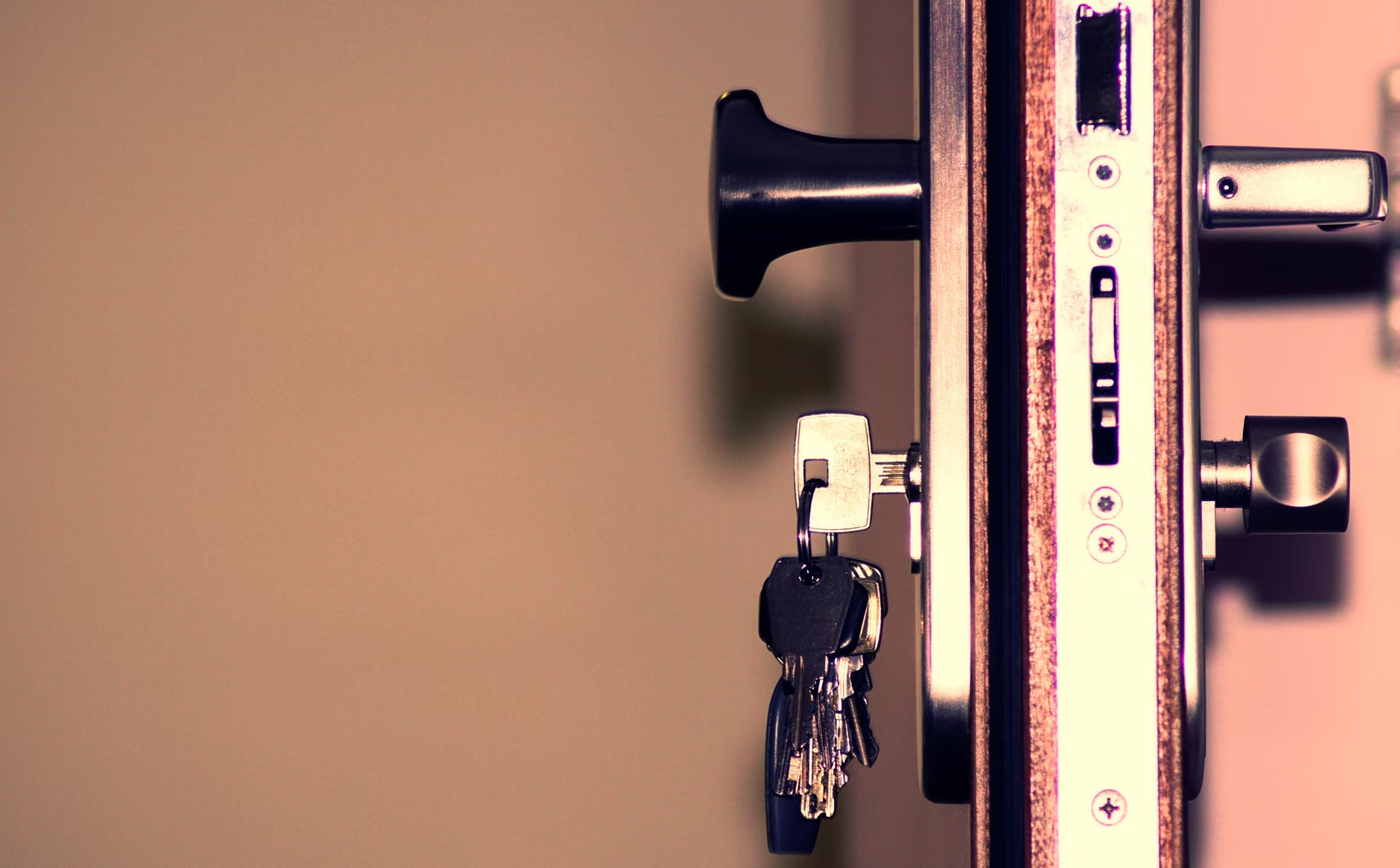
Is Home Swapping Right for You?
Home swapping is not for everyone. If you are a “neat freak” who cannot handle the idea of someone else sleeping in your bed or using your favorite mug, you will likely find the experience stressful rather than relaxing. However, if you value cultural immersion, desire a more sustainable way to travel, and are willing to put in the effort to be a good host, it is one of the most rewarding ways to see the world.
Start small. Don’t commit to a three-week international swap for your first trip. Try a weekend swap with a family in a nearby city or a different region of your own country. This allows you to test the waters, refine your “house manual,” and see how your family handles the transition. Once you get the hang of it, you’ll find that the world feels a lot smaller, and your travel budget feels a lot bigger.
Ultimately, home swapping is about human connection. It’s the experience of walking into a stranger’s home and finding a bottle of local wine and a note wishing you a great stay. It turns a vacation into an experience of community, and in our 30s and 40s, that’s exactly the kind of travel that leaves a lasting impression.
Frequently Asked Questions
Q: What happens if my home is damaged during a swap?
A: Most major home-swap platforms provide a guarantee or insurance policy that covers property damage, theft, or liability. However, always review the specific terms of the platform you choose and check if your own homeowner’s insurance requires a rider for home sharing.
Q: Do I need to be home when the other family arrives?
A: Generally, no. Most swaps are conducted remotely. You can use a lockbox, a smart lock with a temporary code, or leave keys with a trusted neighbor. The key is to have a clear, pre-arranged system for entry and exit.
Q: How do I handle cleaning requirements?
A: The golden rule of home swapping is “leave it as you found it.” Most members agree to leave the home clean for the next guests. Many people choose to hire a professional cleaning service to come in immediately after their guests leave, which is a small price to pay for the peace of mind that the home is ready for your return.
Resources for Further Research:
For more information on how to prepare your home and stay safe, visit the official help centers of major platforms:
HomeExchange Help Center
Love Home Swap Support
Final thought: Before you sign up, take a walk through your home and look at it through the eyes of a guest. If you feel comfortable sharing your space, you’re ready to start your first exchange.