Key Takeaways
- Green hydrogen is not magic, but a specific tool: It is best suited for heavy-duty public transport like long-distance buses and trains where battery weight becomes a limiting factor.
- Infrastructure is the hidden hurdle: The transition isn’t just about buying new buses; it requires massive investment in specialized refueling stations that differ significantly from electric charging grids.
- Your daily commute impact: You will likely notice quieter streets and cleaner air, but hydrogen-powered transit will likely coexist with electric buses rather than replace them entirely.
If you have been keeping an eye on the news lately, you might have noticed a recurring buzzword: “Green Hydrogen.” It sounds like something out of a science fiction novel—clean energy pulled from water and sunlight, powering the very buses and trains that get us to work and school. But for those of us juggling school runs, grocery hauls, and the daily grind, the big question isn’t just about the science. It’s about whether this actually changes our lives or if it’s just another piece of corporate theater.
The short answer is that green hydrogen is currently being positioned as the heavy-duty workhorse of the green energy transition. While your personal car might eventually be electric, the bus that carries forty people across town or the regional train that takes you to the city center has different needs. Let’s look at why this shift is happening, what it looks like in practice, and where the potential pitfalls lie.
Understanding the “Why” Behind the Hydrogen Pivot
To understand why transit authorities are looking at hydrogen, we have to look at the limitations of the current champion of clean transport: the battery-electric vehicle (BEV). If you own an electric car, you know the drill. You plug it in, you wait for a charge, and you enjoy a quiet, emissions-free drive. For a passenger car, this is perfect. But apply that to a massive city bus that runs for 18 hours a day, or a heavy train moving through rural areas, and the math starts to get complicated.
Batteries are heavy. To give a heavy-duty bus the range it needs to operate a full shift without stopping for hours to recharge, you would need a battery so massive that it would significantly reduce the passenger capacity of the bus. This is where hydrogen steps in. Hydrogen fuel cells generate electricity on board the vehicle. You fill up with compressed hydrogen gas—which takes roughly the same amount of time as filling a diesel tank—and the chemical reaction inside the fuel cell provides the power. The only byproduct? Water vapor.
So, why “Green” hydrogen? This is a crucial distinction. Hydrogen can be made in several ways. “Grey” hydrogen is made from natural gas, which still releases carbon. “Green” hydrogen is produced using renewable electricity (wind, solar, hydro) to split water molecules into hydrogen and oxygen. It is essentially a way to store “bottled” renewable energy. For cities aiming for net-zero emissions, green hydrogen is the only version that actually helps reach those climate goals.
The Practical Reality of Hydrogen in Public Transit
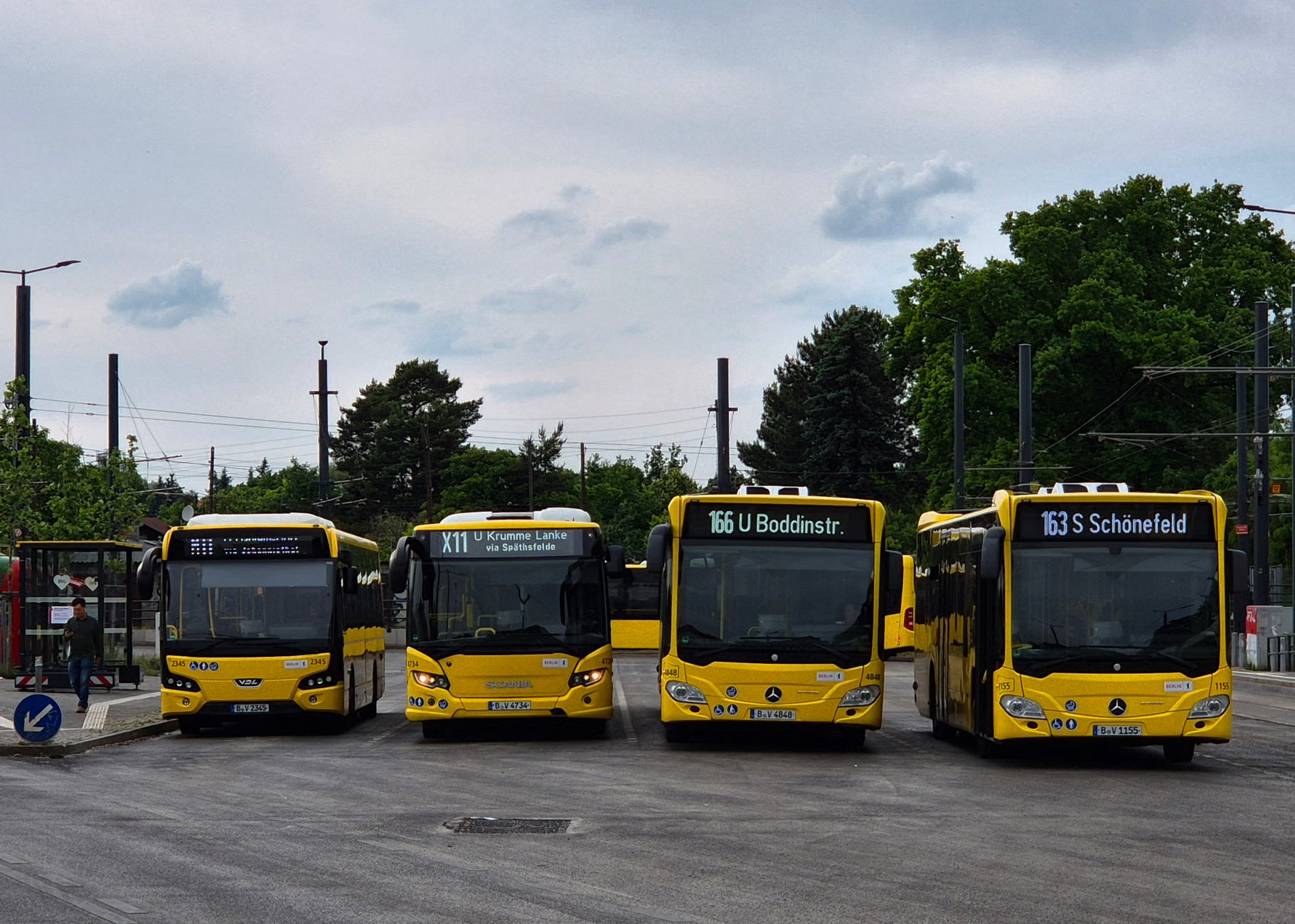
If you live in a city like London, Tokyo, or parts of California, you might have already spotted a hydrogen-powered bus. They look almost identical to the diesel or electric buses we are used to, but there are subtle differences in the experience. They are incredibly quiet—even more so than some electric buses—and they don’t have that distinctive “diesel smell” that can be so unpleasant in dense urban corridors.
However, the real action is happening behind the scenes at the bus depots. Unlike electric buses, which can often be charged using a standard, albeit high-capacity, electrical grid connection, hydrogen buses require a dedicated refueling infrastructure. This is expensive. A city has to build a facility to store hydrogen, compress it, and safely pump it into the vehicles. This is the primary reason why we aren’t seeing a total, overnight switch to hydrogen.
| Feature | Battery-Electric (BEV) | Hydrogen Fuel Cell (FCEV) |
|---|---|---|
| Best Use Case | Short-to-medium urban routes | Long-distance, heavy-duty transit |
| Refueling Time | Hours (or minutes with fast-charging) | 5–10 minutes |
| Weight | Heavy (due to large batteries) | Lighter (smaller battery needed) |
| Infrastructure | Grid-based charging | Specialized fuel stations |
As the table above suggests, the choice between electric and hydrogen isn’t a “winner takes all” scenario. Most transit authorities are opting for a hybrid fleet. They use electric buses for short, frequent routes where charging can happen during layovers, and they use hydrogen for the longer, more demanding routes where downtime is not an option.
The Hidden Trade-offs and Challenges
It wouldn’t be fair to talk about this shift without mentioning the challenges. For a parent or a commuter, the “cost” of this transition isn’t just a line item in a municipal budget; it’s about reliability and long-term viability. One of the biggest criticisms of the hydrogen shift is the “energy round-trip efficiency.”
When you use renewable energy to charge a battery, you lose some energy in the transfer, but you keep most of it. When you use renewable energy to make hydrogen, then compress it, transport it to a station, and convert it back to electricity in a fuel cell, you lose a significant amount of energy along the way. Critics argue that we should be using that renewable electricity directly wherever possible.
There is also the matter of cost. As of 2024, green hydrogen is still expensive to produce compared to fossil fuels or even compared to direct electricity. Governments are subsidizing this transition heavily to bring costs down, much like they did for solar panels and wind turbines two decades ago. For the average reader, this means that while your ticket price might not skyrocket tomorrow, the transition depends heavily on sustained political will and consistent funding.
What Should You Expect in Your City?
If you are wondering when you might see these buses in your own town, look for pilot programs. Transit agencies rarely switch an entire fleet overnight. They start with a “demonstration route.” If you see a new, quiet bus that looks slightly different at the rear or has “Zero Emission” branding, it’s likely part of one of these trials.
For those of us in our 30s and 40s, this is a transition we will see play out over the next decade. The goal is to create a multi-modal transport system where you don’t even have to think about the fuel source—you just know the bus is on time, it’s clean, and it’s quiet. If you live in a region with high air pollution, the move to hydrogen and electric transit is perhaps the most direct way a city can improve your daily quality of life without you having to lift a finger.
However, don’t expect hydrogen to replace your family car. The economics of hydrogen for individual passenger vehicles are currently much worse than for buses or trucks. The infrastructure for private hydrogen refueling is virtually non-existent in most of the world, and the cost of the vehicles remains prohibitively high. If you are looking to make a personal switch to green transport, battery-electric remains the far more practical and affordable path for the foreseeable future.

Making Sense of the Future of Mobility
As we navigate this shift, it helps to be a bit of a skeptic. We often hear about “miracle solutions” in tech that never quite materialize. Hydrogen is different because it isn’t a miracle; it’s an engineering solution to a specific problem: the energy density required for heavy transport. It is a tool in the toolbox, not the entire shed.
When you see headlines about hydrogen, look for the word “green.” If it doesn’t specify that it is green hydrogen, it might just be a way to keep using natural gas, which doesn’t really solve the climate problem in the long term. Support for local transit initiatives that prioritize clean energy is one of the most effective ways to push for these changes. It’s not just about the environment; it’s about the health of the streets our children walk on every day.
Ultimately, the best indicator of progress is when these technologies move from “exciting pilot programs” to “boring daily infrastructure.” When you stop noticing the bus is hydrogen-powered because it’s just another reliable, clean, and quiet part of your day, that is when the shift has truly succeeded. Until then, keep an eye on your local transit authority’s sustainability reports—they usually contain the most accurate roadmap for what is coming to your neighborhood.
Frequently Asked Questions
1. Is hydrogen safer than diesel or gasoline?
Hydrogen is different, not necessarily more dangerous. It is highly flammable, but it is also much lighter than air. In the event of a leak, it dissipates upward very quickly, whereas gasoline or diesel pools on the ground. Modern hydrogen tanks are built to withstand immense pressure and impact, making them incredibly robust.
2. Why don’t we just use electric batteries for everything?
The main issue is energy density and weight. For a long-haul bus or a heavy truck, the battery pack required to cover long distances would be so heavy that it would significantly limit the vehicle’s payload (how many people or goods it can carry). Hydrogen allows for a much lighter vehicle with a longer range and faster refueling times.
3. Will my taxes go up to pay for this?
Transit infrastructure is funded through a mix of farebox revenue, municipal taxes, and state or federal grants. While the initial capital expenditure for hydrogen infrastructure is high, it is often offset by government climate grants and the long-term reduction in fuel and maintenance costs. The shift is generally aimed at long-term economic and environmental sustainability rather than immediate tax hikes.
For further reading on the global progress of hydrogen transit, you can check out the International Energy Agency’s reports on transport trends, which provide detailed breakdowns of how different countries are integrating hydrogen and electric solutions into their public infrastructure.