The secret to a clean nursery isn’t spending more time cleaning; it is reducing the sheer volume of items that require maintenance, effectively cutting your daily cleaning time by over 60%.
- The 80/20 Rule of Gear: 80% of your nursery cleaning time is spent moving, dusting, or rearranging 20% of the items you rarely use. Removing unused items is the most effective “cleaning” task you can perform.
- Zoned Maintenance: Instead of deep-cleaning the entire room, rotate your tasks into “micro-zones” (changing station, sleep area, play area) to keep the workload manageable within 10-minute windows.
- The “One-In, One-Out” Protocol: To prevent the “nursery creep” where clutter accumulates, every new toy or piece of clothing must replace an older, unused item, keeping surface area clear for rapid sanitization.
If you are in your 30s or 40s, you likely know the drill: you finally get the baby down for a nap, and your first instinct is to scan the room for mess. That familiar wave of anxiety—the pile of laundry, the overflow of toys, the dust accumulating on the shelf—is not a sign that you are failing as a parent. It is a sign that your space is working against you. Most nursery designs prioritize aesthetics over operational efficiency, leading to a room that is difficult to clean and even harder to maintain.
Minimalism in a nursery is not about having a sterile, empty room. It is about intentionality. It is about creating a environment where cleaning becomes an automated, low-friction habit rather than a daunting weekend project. When you reduce the number of surfaces and items, you reduce the time required to wipe, dust, and organize. Let’s break down the workflow that will reclaim your time.
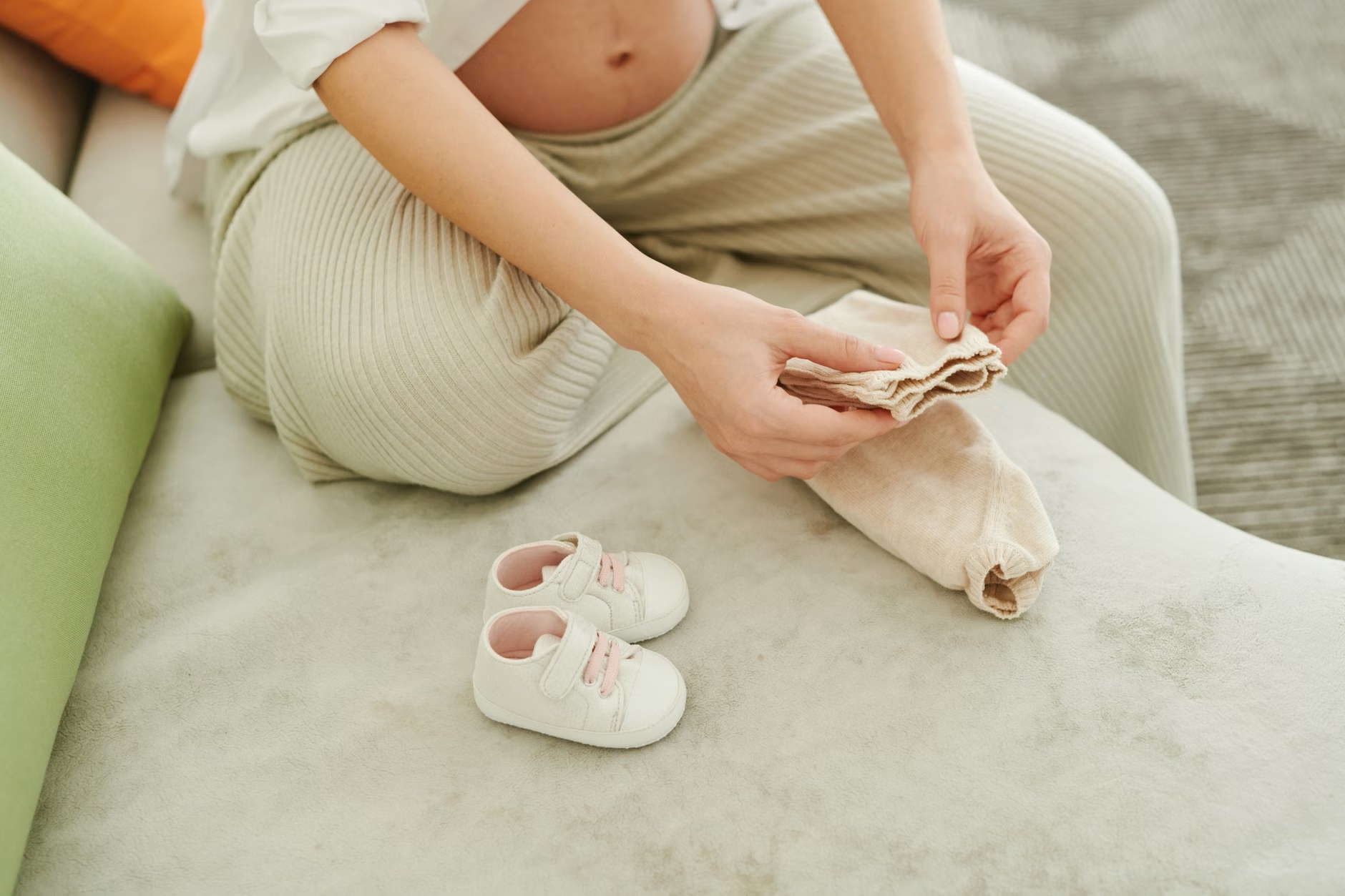
Defining the “Minimalist-Nursery” Threshold
Before we discuss cleaning, we must discuss the items. The biggest mistake parents make is attempting to clean around clutter. If your nursery is filled with “just-in-case” items, no cleaning workflow will ever be efficient. The minimalist approach requires a threshold evaluation. Every item in the nursery must serve a purpose, provide joy, or be currently essential for the child’s developmental stage.
Think of your nursery as a high-traffic professional kitchen. A professional chef doesn’t have 50 gadgets on the counter; they have the three tools they use every single day. If you have a toy that hasn’t been touched in three weeks, it is not a toy; it is a dust magnet. It is an obstacle that requires physical effort to move every time you vacuum or wipe down a surface.
The Audit Criteria
To prepare your space, perform a one-time audit based on these three criteria. If an item fails one of these, it should be removed from the primary nursery space:
- Frequency of use: Is this used at least once every 48 hours? If not, move it to long-term storage or donate it.
- Ease of cleaning: Does this item have intricate crevices, fabric that cannot be machine washed, or an odd shape that makes dusting difficult? If it is high-maintenance, replace it with a wipeable or machine-washable alternative.
- Multi-functionality: Can this space serve two purposes? A storage ottoman is a great example—it functions as a seat and a hidden storage vessel, reducing the number of furniture pieces that collect dust.
The 10-Minute Micro-Zone Workflow
The most common mistake is waiting until the nursery is “visibly dirty” to clean it. This leads to burnout. Instead, treat the nursery like a cockpit. You have distinct zones, and each zone has a specific, rapid cleaning routine. By breaking the room into these segments, you can accomplish a full refresh in under 10 minutes.
| Zone | Task | Frequency |
|---|---|---|
| Changing Station | Sanitize surface, restock wipes, empty bin | Daily |
| Sleep Area | Shake out linens, check for stray items | Every 2 days |
| Storage/Toy Area | Dust surfaces, rotate toys, organize bins | Weekly |
This table isn’t just a suggestion; it is a decision rule. By assigning a frequency to each zone, you stop making “cleaning decisions” in the moment. When you walk into the room, you don’t ask “what needs to be done?” You look at the schedule. If it’s Tuesday, you only touch the changing station. This prevents the “overwhelm paralysis” that keeps us from starting at all.
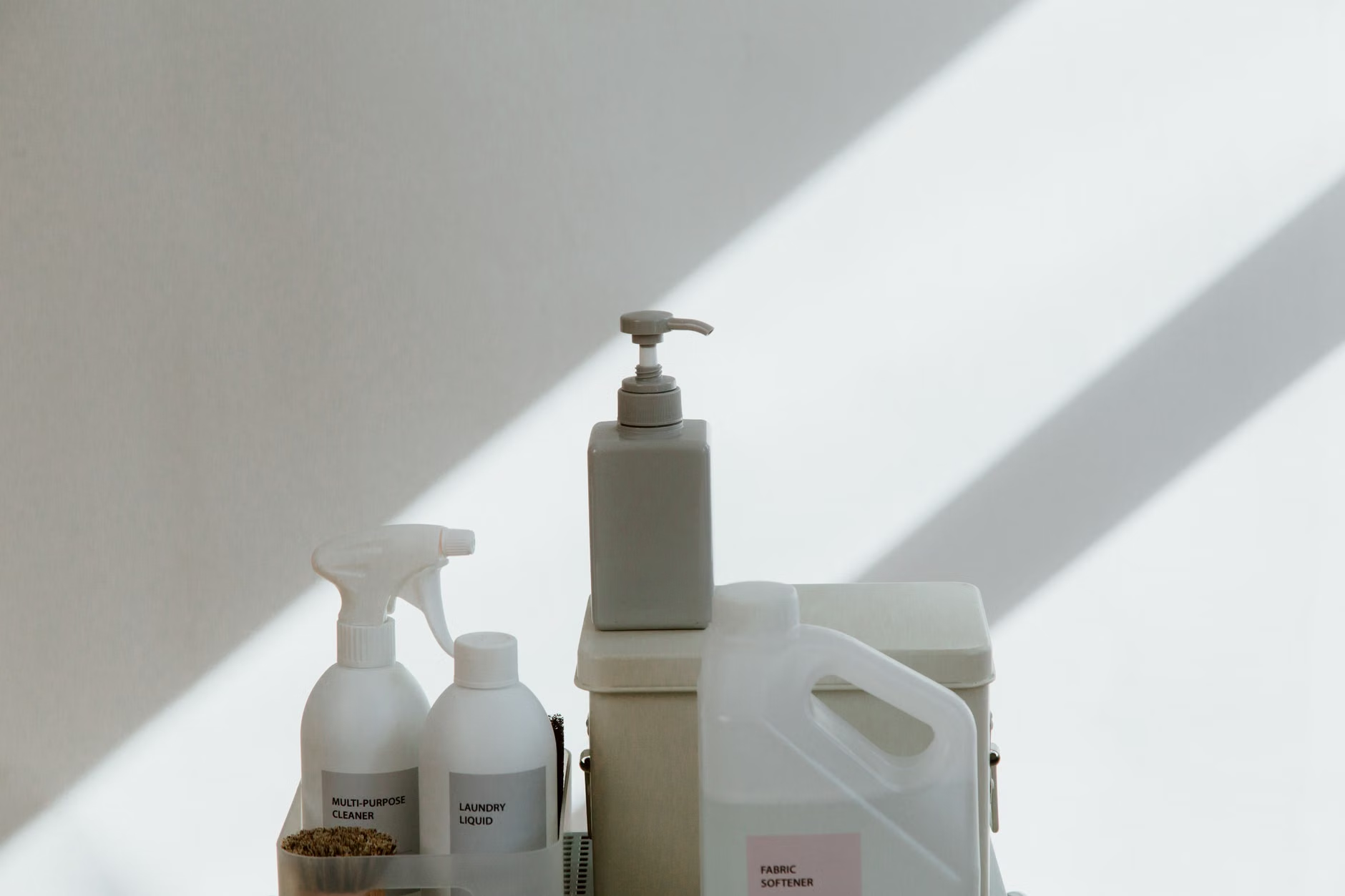
Strategic Surface Management
In a minimalist nursery, the goal is to have as few items on the floor as possible. The floor is the most time-consuming surface to clean because you have to move objects to reach the corners. If you can lift it, hang it, or store it inside a closed cabinet, do it. Every item that sits on the floor represents an extra 15 seconds of cleaning time.
Consider the “hover test.” If you cannot vacuum or mop around an item without physically moving it, that item is a cleaning liability. Use wall-mounted shelves for decor and books. Use closed storage bins for toys. By clearing the floor, you turn a 15-minute vacuuming session into a 2-minute glide.
The “One-In, One-Out” Protocol
The “one-in, one-out” rule is the only way to prevent clutter from creeping back in. If you receive a new book as a gift, one old book must be archived or donated. This is not about being cold; it is about maintaining a manageable ecosystem. When you have a hard limit on the number of items, you automatically become more selective about what you keep, which means you have less to clean, organize, and sanitize.
This protocol also helps with toy rotation. Instead of having 30 toys out at once—all of which gather dust and need to be organized—keep 10 out and store the rest in a bin in the closet. Swap them every two weeks. Your child stays engaged, and your cleaning workload remains constant.
Choosing the Right Tools for the Job
Many parents fall into the trap of buying specialized “nursery cleaners.” While some of these are fine, they often add unnecessary clutter to your cleaning cabinet. A minimalist cleaning kit should be versatile and non-toxic. You do not need five different sprays. You need one high-quality, plant-based all-purpose cleaner that is safe for surfaces and baby-friendly, and a set of high-quality microfiber cloths.
Microfiber is superior because it traps dust rather than spreading it. If you are using paper towels, you are creating waste and often leaving behind lint. A reusable microfiber cloth can be tossed in the wash with the baby’s clothes, making the cleaning process part of your existing laundry cycle rather than a separate, burdensome chore.
The Psychology of the “Reset”
The most important part of this workflow is the nightly “reset.” Do not leave the nursery in a state of chaos overnight. Even if you are exhausted, spend three minutes resetting the room to its “base state.” This means putting toys back in their designated bins, ensuring the changing pad is clear, and placing the monitor back on its base.
Why does this matter? Because waking up to a clean, organized space sets the tone for your morning. If you wake up to a room that feels chaotic, your brain starts the day in “reactive mode,” trying to fix the mess instead of connecting with your child. A minimalist-nursery workflow is ultimately about protecting your mental bandwidth.
If you find yourself skipping the reset, ask yourself if you have too much “stuff.” A room that takes more than five minutes to reset is a room that is over-furnished or over-stocked. If it takes longer than five minutes, it is time to perform another audit of the space.
Addressing Common Misconceptions
There is a pervasive myth that minimalism equals cold or uninviting. This is false. A minimalist nursery can be warm and cozy through the use of textures—a high-quality wool rug, a soft cotton throw, or a wooden rocking chair—rather than through an abundance of plastic toys or decorative knick-knacks. The “warmth” comes from the quality of the materials, not the quantity of the objects.
Another misconception is that minimalism is “expensive.” It is actually the opposite. By choosing fewer, higher-quality items, you save money in the long run. You aren’t constantly replacing cheap, broken plastic toys or buying more storage bins to hide the mess. You are investing in pieces that last and that are easier to maintain.
When Professional Help is Actually Necessary
Even with a minimalist workflow, there are times when you need to outsource or use specialized help. If you are struggling with deep-cleaning tasks like shampooing carpets or deep-scrubbing upholstery, consider hiring a professional service once or twice a year. This is not a failure; it is a strategic decision. If you spend 10 minutes a day on the micro-zones, you will only need professional help for the heavy-duty tasks that are beyond the scope of daily maintenance.
The goal is to move from “constantly cleaning” to “maintaining a system.” When you have a system, the house doesn’t run you; you run the house. For further reading on safe, non-toxic cleaning practices for families, I recommend checking the Environmental Protection Agency’s guidelines on healthy child care environments, which provides excellent insights into why reducing clutter and using simple, safe cleaning methods is better for indoor air quality.
FAQ
Q: Is it really possible to maintain a minimalist nursery with a newborn?
A: It is significantly easier to maintain a minimalist nursery with a newborn. Because you have less gear, you spend less time cleaning around things. The key is to keep only the absolute essentials for the first six months and store everything else until it is needed.
Q: What should I do with the “sentimental” items that clutter the nursery?
A: Sentimental items are the biggest hurdle to minimalism. Choose a “memory box” for the nursery. If an item is sentimental but not functional, it goes in the box. If the box is full, you must remove an item to add a new one. This keeps the sentiment without sacrificing your living space.
Q: How do I handle gifts that contradict my minimalist approach?
A: This is a social challenge, not a cleaning one. Be gracious, but be firm. If you receive a large toy that you don’t have space for, it is perfectly acceptable to thank the giver, keep it for a short time, and then donate it. Your home’s environment is your priority; don’t let external pressures dictate your level of clutter.
The journey to a minimalist-nursery workflow is a process of subtraction. Every time you remove an unnecessary item or simplify a routine, you are buying back your own time. Start by picking one zone—the changing station is usually the easiest—and apply the micro-zone workflow this week. You will be surprised at how much lighter the room feels, and more importantly, how much lighter you feel when you step inside.
Remember, the goal isn’t to create a catalog-perfect room. The goal is to create a space that supports your life as a parent, not a space that demands your constant attention. Start small, be consistent, and let the minimalist habits take root.
For more detailed research on managing home environments, refer to resources like the CDC’s Healthy Homes program, which highlights how reducing physical clutter can directly impact the health and safety of your living environment.