- Texture is the primary barrier: For children with sensory sensitivities, the physical sensation of food—crunchiness, mushiness, or temperature—often matters more than taste.
- The ‘Bridge’ Method: Use familiar, safe foods to “bridge” the gap to new or challenging textures by pairing them in the same container.
- Control and Autonomy: Involving children in the selection and assembly process reduces anxiety, which is a major contributor to sensory-based food refusal.
The most effective way to ensure your child actually eats their school lunch isn’t by hiding vegetables in brownies or negotiating for more bites; it’s by respecting their sensory profile. If you’ve ever found a perfectly good sandwich returned home untouched, or a fruit cup unopened, you aren’t dealing with a “stubborn” child—you are likely dealing with a sensory-integration mismatch.
Many children, especially those in their early school years, have heightened sensitivities to the physical properties of food. What looks like “picky eating” is often a physiological response to textures that feel overwhelming, unpredictable, or unpleasant. By shifting your lunchbox strategy from “nutritional intake” to “sensory management,” you can reduce food waste and lower the daily stress of the morning routine.
Why Texture Often Outweighs Taste in Childhood Nutrition
When we think about why a child refuses food, we often focus on flavor. We assume that if they don’t like broccoli, it’s because they dislike the taste. However, research into sensory processing suggests that for many children, the mouthfeel—the way a food moves, breaks down, or feels against the tongue and roof of the mouth—is the primary gatekeeper for acceptance. This is known as sensory-integration: the brain’s ability to take in sensory information and respond appropriately.
Children with sensory sensitivities may find “mixed” textures particularly challenging. Think of a tuna salad sandwich: the bread is soft, the tuna is mushy, and the celery (if included) provides a sudden, unexpected crunch. For a sensory-sensitive child, this combination can be overwhelming. The brain struggles to categorize the input, leading to a “fight or flight” response—which, in a lunchroom setting, manifests as refusing to eat.
What this means for you: You don’t need to be a chef. You need to be an architect. You are designing a lunchbox that provides predictable sensory inputs. If your child struggles with texture, the goal is to isolate textures so they can manage them one at a time, rather than forcing them to navigate a sensory-confusing meal.
The Four-Quadrant Sensory Lunchbox Framework
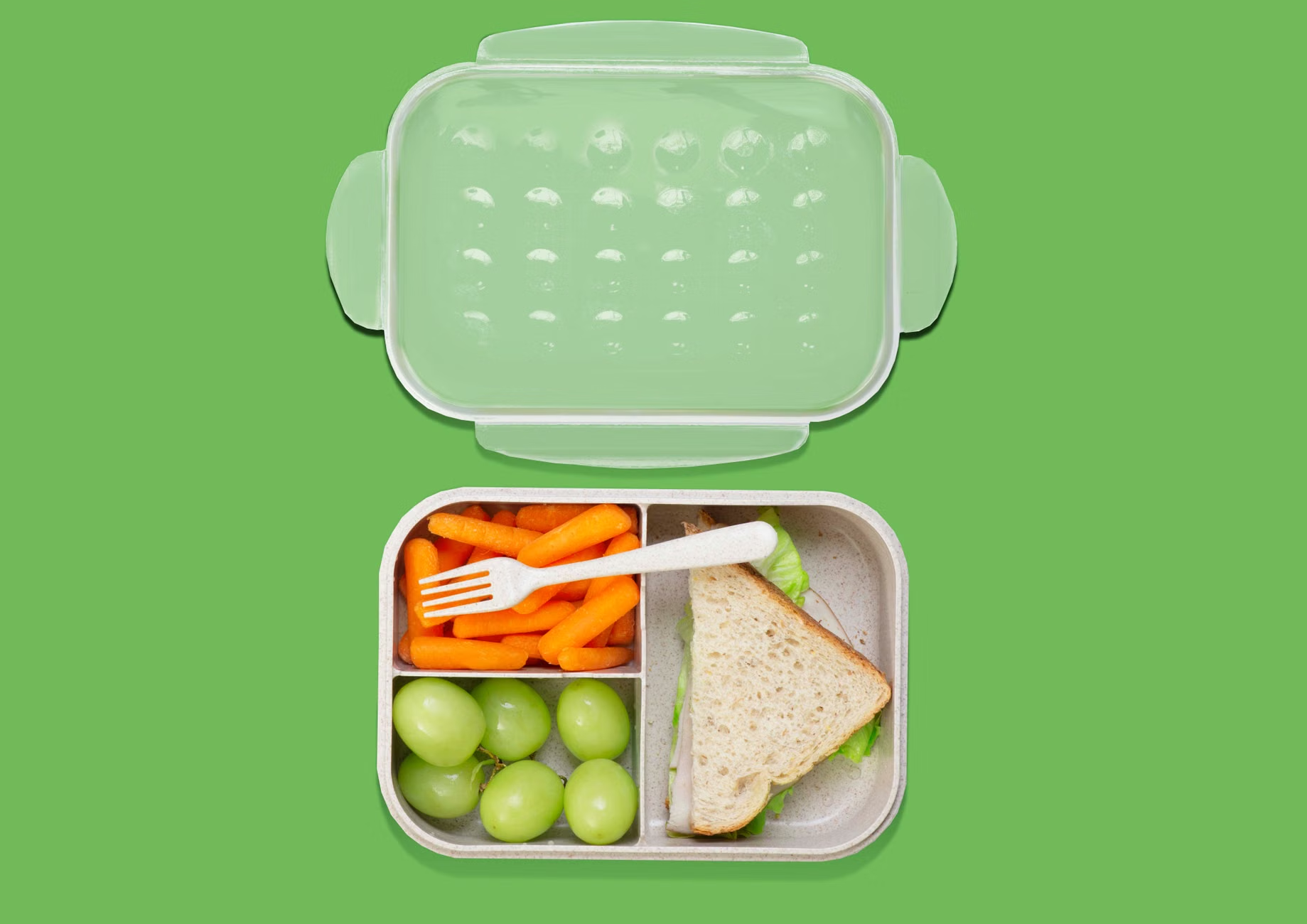
To build a lunchbox that balances nutrition with sensory comfort, we use a “Four-Quadrant Framework.” This ensures that every lunch contains a variety of inputs that are distinct and manageable. By keeping items in separate compartments, you prevent the “contamination” of textures that often leads to lunchbox rejection.
| Texture Category | Examples | Purpose |
|---|---|---|
| The Crunchy | Carrot sticks, apple slices, rice crackers | Provides high-proprioceptive feedback (jaw movement). |
| The Smooth/Creamy | Hummus, yogurt, guacamole, nut butter | Offers a consistent, predictable mouthfeel. |
| The Soft/Chewy | Cheese cubes, soft bread, cooked pasta | Provides comfort and easy digestion. |
| The Neutral/Safe | Plain crackers, cucumber, water | A “palate cleanser” if a food feels overwhelming. |
Applying the logic: If you pack a wrap, you have already combined “soft” (tortilla) and “chewy” (filling). If you then add a “crunchy” side, keep it in a separate, sealed compartment. If the crunchy item touches the soft item, the moisture will change the texture of both, potentially making the entire lunch feel “unsafe” to a sensory-sensitive child.

Strategies for Introducing New Textures Without the Drama
One of the most common mistakes parents make is “stealth health”—hiding new or disliked textures in familiar foods. While this might get a few nutrients into the child, it often backfires by creating a lack of trust. If a child finds a “hidden” texture in their favorite sandwich, they may stop eating the sandwich entirely, fearing that the “unsafe” texture will appear again.
Instead, use the “Bridge” Technique. This involves placing a small portion of a new or challenging texture right next to a “safe” food. The goal is not for them to eat the new food immediately, but for them to look at it, smell it, and get used to its presence in their lunchbox. Over time, the mere familiarity of the food lowers their defensive reaction.
Step-by-Step Implementation:
- Select one ‘Safe’ food: This is a food they will eat 100% of the time (e.g., plain crackers).
- Identify a ‘Target’ food: A food with a similar texture to the safe food but a different flavor (e.g., a slightly different type of cracker or a thin slice of cucumber).
- Placement matters: Place the target food in the same compartment as the safe food, but not touching.
- The ‘No-Pressure’ Rule: Explicitly tell your child, “You don’t have to eat the cucumber, but it’s there if you want to try it.”
This approach removes the power struggle. When the pressure to perform is removed, the child’s curiosity often takes over. They are much more likely to explore a new texture when they feel they are in control of the interaction.
Temperature and Presentation: The Overlooked Variables
We often focus on the food itself, but the environment in which the food is eaten—the lunchroom—is noisy, chaotic, and bright. For a child with sensory issues, the environment already consumes a massive amount of their cognitive energy. If their lunch is also “difficult” (e.g., a thermos of soup that is too hot, or a sandwich that has become soggy), they will likely skip the meal to focus on managing their environment.
Temperature consistency: If you pack a hot meal, use a high-quality insulated container and pre-heat it with boiling water before adding the food. A lukewarm, “should-have-been-hot” meal is a texture nightmare for many children. The transition from “hot” to “room temperature” while sitting in a locker or backpack creates a slimy texture that is often rejected.
The “Visual Clutter” factor: Just as some people prefer their food not to touch, some children are overwhelmed by visual clutter. If you pack a box with too many small, loose items, it can look chaotic. A bento-style box with clearly defined compartments helps the child mentally categorize their meal. It turns the lunch into a series of small, manageable tasks rather than one big, intimidating plate.
Common Pitfalls and How to Avoid Them
Even with the best intentions, parents often fall into traps that can derail a sensory-integration approach. Understanding these pitfalls is the first step toward a more consistent routine.
The ‘Variety Trap’: Many parents feel they need to provide a massive variety of foods to ensure a “balanced” diet. However, for a sensory-sensitive child, too much choice is the enemy. It increases the “decision load.” Stick to 3-4 items that you know are acceptable, and only change one item at a time. This keeps the lunch predictable, which reduces the anxiety associated with eating.
The ‘Reward’ Misconception: Do not use dessert as a reward for eating the “challenging” food. This reinforces the idea that the main meal is “bad” and the dessert is “good.” It also puts immense pressure on the child to “get through” the meal to reach the prize, which can lead to rapid eating, choking risks, and a failure to actually taste or experience the food.
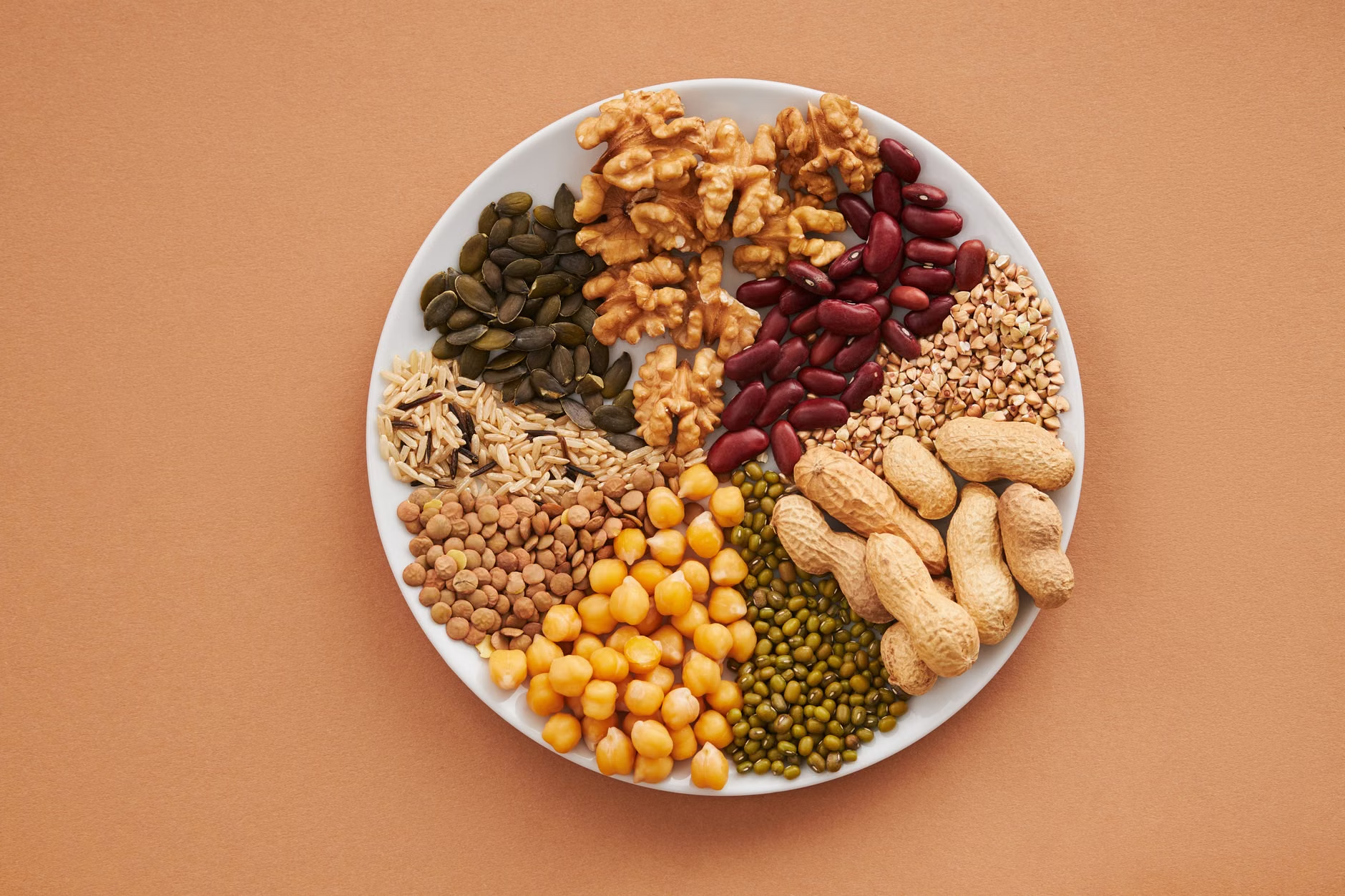
Ignoring the ‘Crunch’ Factor: Many sensory-sensitive children gravitate toward crunchy foods because the intense sensory feedback helps them regulate their nervous system. If you find your child is only eating the crackers or the chips, don’t ban them. Instead, provide “crunchy” alternatives that offer more nutritional value, such as raw snap peas, dehydrated fruit, or roasted chickpeas. You are working with their sensory need, not against it.
Building Long-Term Resilience
The goal of a sensory-integration lunchbox is not just to get the child to eat today; it is to build a positive relationship with food over the long term. By respecting their sensory thresholds, you are teaching them that their body’s signals are valid. This builds the confidence they need to eventually try new foods on their own terms.
Consider the “Lunchbox Audit.” Once a week, look at what comes home. If the same item consistently returns, don’t keep sending it. It’s not “giving up”; it’s “optimizing.” Replace that item with something that has a similar texture but a different flavor profile. If they love crunchy carrots but hate raw celery, they likely like the “snap” but dislike the stringy texture of celery. Try a radish or a bell pepper strip instead.
Finally, remember that your child’s sensory profile is not static. It will change as they grow, as they gain more life experience, and as their nervous system matures. A food they refuse today might be their favorite next year. Keep the environment low-pressure, keep the textures predictable, and keep the focus on the act of eating as a positive, neutral part of their day.
Addressing Common Questions
Does this mean I should stop trying to get my child to eat ‘healthy’ foods?
Not at all. It means you change how you present those foods. If you want them to eat spinach, don’t force it as a salad. Try it as a crispy, baked spinach chip, or blended into a smooth, creamy dip. You are still providing the nutrients, but you are adjusting the sensory input to match their tolerance levels.
What if my child only eats ‘beige’ foods like bread and crackers?
This is extremely common. These foods are predictable—they have a consistent texture and a neutral flavor. Instead of removing them, use them as your “safe” base. Gradually introduce foods that share a similar texture (e.g., a slightly toasted piece of bread, or a cracker with a different shape). The key is the slow, incremental change that doesn’t trigger their sensory alarm bells.
How much does the lunchbox container actually matter?
It matters significantly. A lunchbox that is difficult for a child to open can cause them to give up before they even start eating. If a child spends 10 minutes struggling with a tight lid, they will be frustrated, tired, and likely less interested in eating. Choose a container that is easy for them to open independently, which gives them a sense of control and reduces the barrier to starting their meal.
For further reading on sensory processing and childhood nutrition, you can visit the following resources:
- STAR Institute for Sensory Processing Disorder: Offers detailed resources on how sensory processing affects daily life, including mealtime.
- Academy of Nutrition and Dietetics: Provides evidence-based guidelines on child feeding and nutritional development.
Remember, the best lunchbox is the one that gets eaten. By meeting your child where they are—sensory-wise—you are setting them up for a much more successful and less stressful school day. Take a breath, keep it simple, and trust the process.