If your child is highly sensitive—meaning they react intensely to loud noises, bright lights, or unpredictable crowds—a traditional theme park vacation is likely the quickest path to a meltdown, not a reset. The most effective way to help a sensitive child regulate their nervous system is to trade the high-stimulation “attraction” model for an agritourism experience, which provides a predictable, low-sensory, and physically grounding environment.
- Predictability beats novelty: Sensitive children thrive on the rhythmic, repetitive nature of farm life, which reduces cortisol levels compared to the chaotic pace of typical tourist destinations.
- Sensory grounding: The tactile experiences of farm life—touching soil, petting animals, and smelling nature—serve as “heavy work” for the nervous system, helping children process and release built-up stress.
- The “Active-Passive” Balance: Choose farms that offer “participation-optional” activities, ensuring your child can observe or engage at their own comfort level without the pressure of performance or strict schedules.
Why Sensory Overload is the Silent Enemy of Family Vacations
We often equate “fun” with “more”—more rides, more lights, more people, and more sugar. For a child with high sensory sensitivity, this is the sensory equivalent of a fire hose directed at a small candle. When a child’s sensory system is overwhelmed, the brain shifts into “fight, flight, or freeze” mode. You see this as a tantrum in a grocery store or a sudden, unexplained refusal to leave the hotel room.
In our 30s and 40s, we are often managing our own stress levels while trying to curate a “perfect” experience for our kids. When we choose high-stimulation environments, we aren’t just taxing the child; we are guaranteeing our own exhaustion. Agritourism flips this dynamic. Instead of navigating a manufactured environment designed to keep you spending money, you move into a space designed for natural cycles: sunrise, feeding times, and the steady pace of seasonal growth.
The “reset” happens because farm life is inherently low-tech and low-frequency. The background noise is not the mechanical hum of an air conditioner or the roar of a roller coaster; it is the rustle of leaves, the distant lowing of cattle, and the crunch of gravel underfoot. For a sensitive nervous system, this is the difference between a static-filled radio and a clear, melodic tune.
Evaluating Your Child’s Sensory Profile Before You Book
Not all farms are created equal. Before you start looking at booking platforms, you need to understand what your child’s specific “sensory triggers” are. A child who is sensitive to textures might hate the feeling of damp hay or animal fur, while a child who is sensitive to sound might find the crowing of a rooster or the sound of a tractor deeply distressing.
Use the following checklist to determine the type of farm that will best suit your family’s needs:
| Trigger Type | What to Look For | What to Avoid |
|---|---|---|
| Auditory (Sound) | Small-scale, family-run organic farms with limited machinery usage. | Large-scale “pumpkin patch” style farms that use loud PA systems or frequent tractor tours. |
| Tactile (Touch) | Farms with well-maintained paths and accessible, clean indoor spaces. | Farms with muddy, unmanaged animal pens or heavy focus on digging/dirt activities. |
| Visual (Light/Clutter) | Farms with expansive, open fields and minimalist lodging. | Farms with “festivals,” neon signage, or crowded gift shops. |
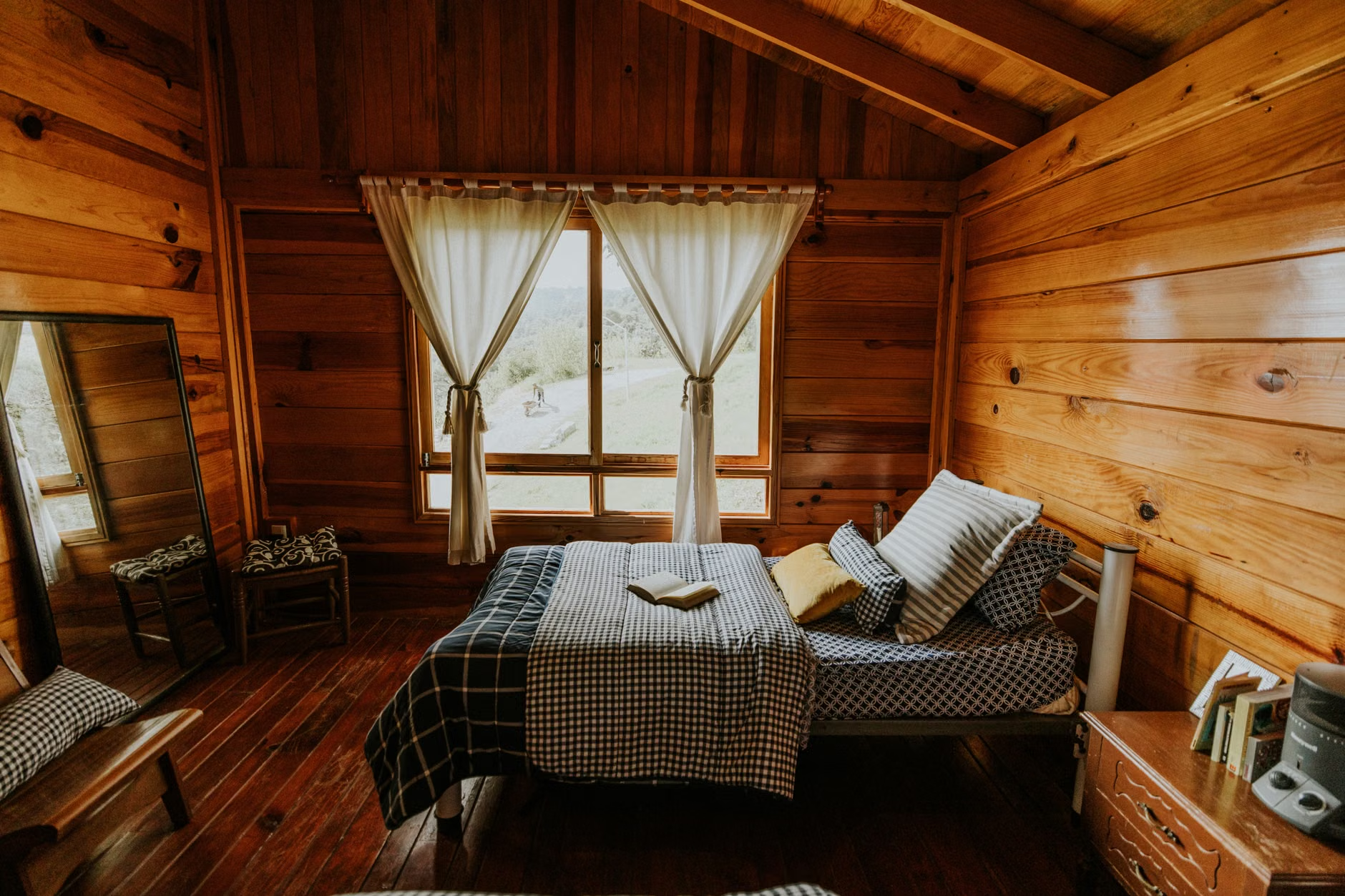
If your child has a low threshold for novelty, look for a “stay-and-observe” farm. These are properties where you are essentially renting a cabin on a working farm, but you are not obligated to participate in the chores. This gives your child the ability to watch the farmer from a distance—a safe, controlled way to engage with the environment until they feel ready to move closer.
The Science of “Heavy Work” and Why Farm Chores Help
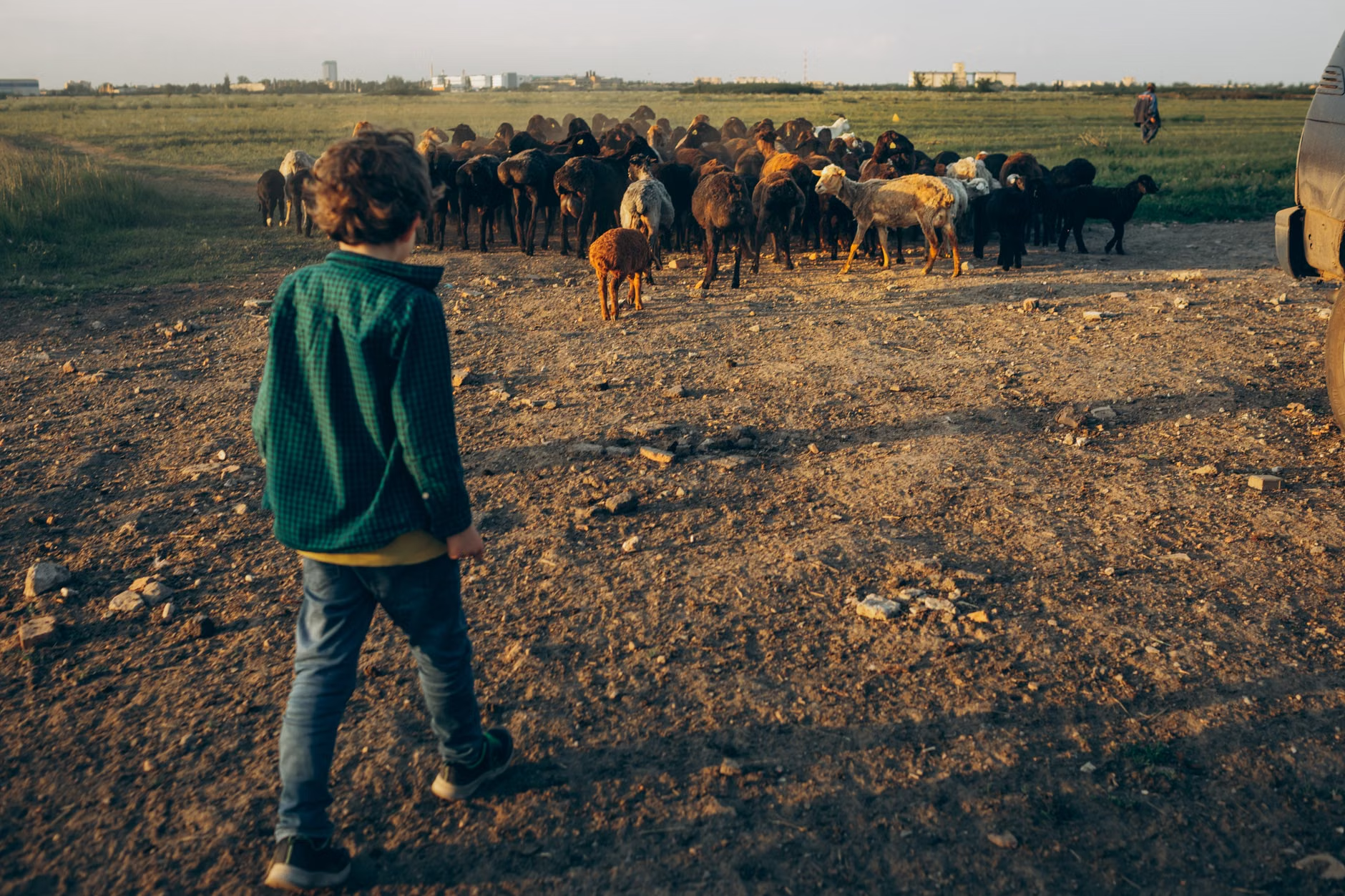
Occupational therapists often recommend “heavy work” for children who struggle with sensory regulation. This refers to activities that provide proprioceptive input—the feedback the body gets from muscles and joints about where it is in space. Pushing a wheelbarrow, carrying a bucket of feed, or raking leaves are all forms of heavy work.
When a sensitive child is feeling “bouncy” or overwhelmed, these tasks aren’t just chores; they are therapeutic tools. The physical effort required to perform farm tasks forces the brain to focus on the body’s mechanics, which naturally grounds the child and calms the nervous system. It is a biological reset button that is far more effective than a screen-based distraction.
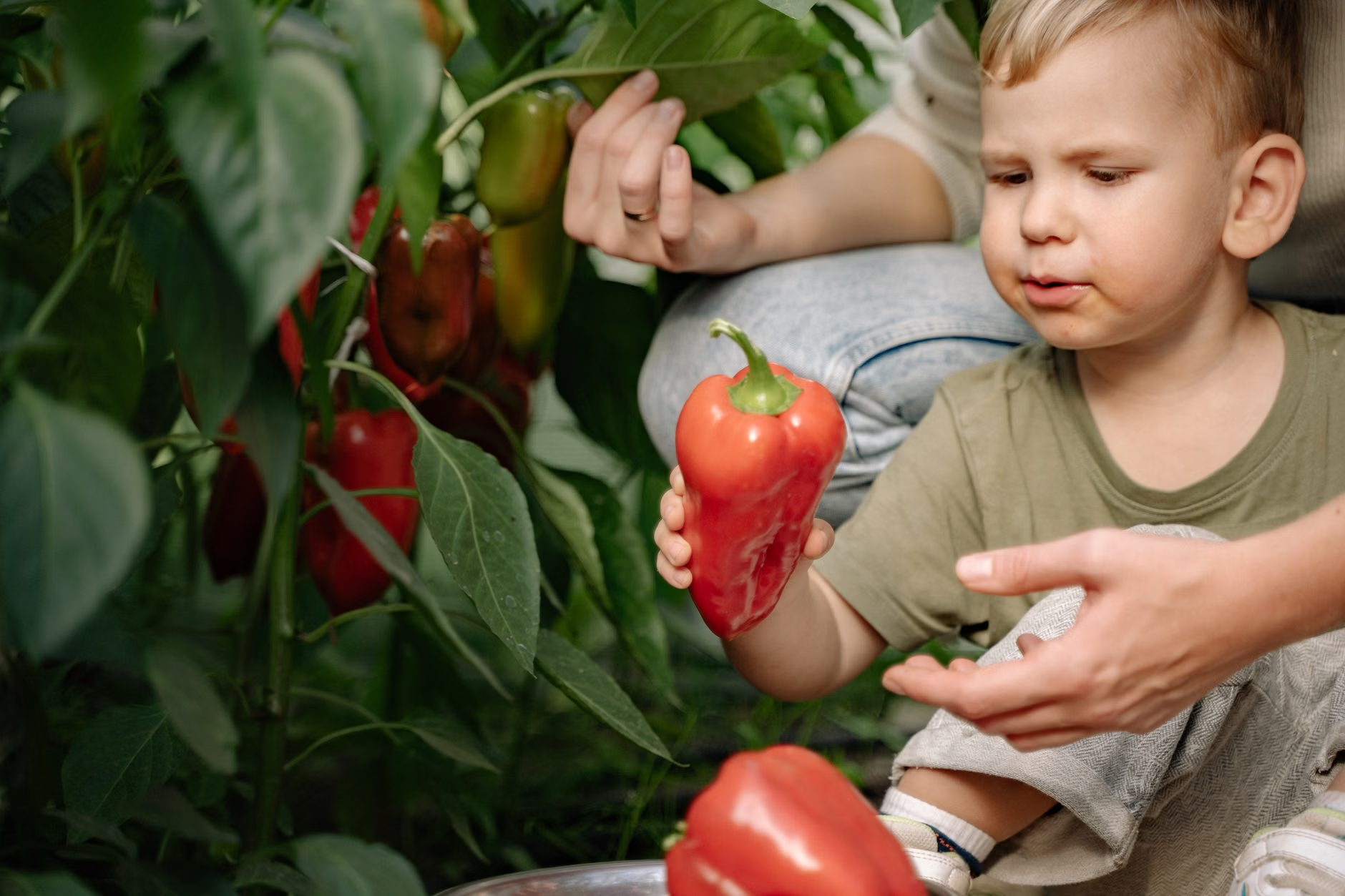
However, the key is to frame these as “contributions” rather than “work.” If you make it mandatory, you create a power struggle, which increases stress. If you frame it as “helping the farm,” you foster a sense of competence and agency. For a child who feels like the world is too big and too loud, being able to successfully fill a water trough or pick a basket of berries provides a tangible sense of control that is incredibly healing.
Planning the Logistics: Avoiding the “Vacation Stress” Trap
The biggest mistake parents make when planning an agritourism trip is over-scheduling. We often treat a farm stay like a sightseeing tour, trying to visit every animal, every barn, and every local attraction within a 20-mile radius. For a sensitive child, this destroys the benefit of the reset.
Follow these three rules to ensure your trip stays restorative:
1. The “One-Activity” Rule
Limit your day to one major activity. If you are going to pick apples in the morning, the rest of the day should be unstructured. This allows your child to decompress. If they are having a rough day, you can skip the activity entirely without feeling that you “wasted” the trip. The farm itself is the activity.
2. Bring the “Home Base”
Sensitive children rely on familiar scents and textures to feel safe. Even if the farm is beautiful, the bedsheets, the pillows, and the smell of the air will be different. Bring their favorite pillow, a familiar blanket, and perhaps a small, battery-operated white noise machine if the farm is particularly quiet at night. This “sensory anchor” helps them transition to the new environment without the anxiety of the unknown.
3. Screen-Free (With a Caveat)
While the goal is to disconnect, for a sensitive child, a screen can be a necessary “safe space” when they are truly overwhelmed. Do not feel guilty about having a tablet available for the evenings or a quiet hour. The goal is to provide a lower-stimulation environment, not to force a “detox” that causes more distress than it resolves. Use technology as a bridge, not a crutch.
Hidden Costs and Common Misconceptions
A frequent misconception is that farm stays are cheaper than hotels. While they can be, they often come with hidden costs. Many rural properties are not near grocery stores or restaurants. If you have a picky eater (very common among sensitive children), you will need to plan for meals extensively. You may find yourself spending more on groceries than you expected, or paying for “farm-to-table” breakfast baskets that might not suit your child’s palate.
Another overlooked variable is the weather. A city vacation can be moved indoors easily. A farm trip, by definition, is an outdoor-centric experience. If you are visiting a region during its rainy season, your “reset” might turn into a “stuck in a cabin” situation. Always pack layers—not just for the child, but for yourself. A parent who is cold and wet will struggle to remain the “calm, regulated anchor” that a sensitive child needs.
Finally, check the “accessibility” of the farm in terms of its business model. Some farms are “agritainment” centers that are crowded and noisy on weekends. Others are private, working farms that offer a single guesthouse. For a sensitive child, the private model is almost always superior, even if it costs a premium. You are paying for the lack of crowds, which is the ultimate luxury for a sensory-sensitive family.
Step-by-Step Guide: Your First Farm Reset
If you are ready to book, follow this sequence to minimize the stress of the process:
- Identify your “Low-Stim” Zone: Use platforms like Airbnb (with specific filters for “rural” or “farm”) or dedicated agritourism sites like FarmStayUS or Agritourism World. Look for properties that emphasize “quiet,” “seclusion,” or “working farm experience.”
- Call the Host: This is the most important step. Don’t just book online. Call the host and ask, “How busy are the weekends?” or “Is there a lot of machinery noise during the day?” A host who understands your need for a low-stimulation environment will be able to tell you if their property is a good fit.
- Pack the Sensory Kit: Prepare a bag with noise-canceling headphones, a weighted blanket (if your child uses one), a favorite sensory toy, and a “boredom buster” (like a drawing pad) that requires zero electricity.
- The Arrival Protocol: When you arrive, don’t start the tour immediately. Let your child sit in the living room or on the porch for 30 minutes. Let them absorb the new smells and sounds before asking them to engage with the environment.
The Long-Term Impact of Nature-Based Regulation
The “reset” isn’t just for the duration of the trip. The goal is to provide a template for regulation that you can bring back home. When your child experiences how much better they feel after a day of quiet, low-stimulation activity, they start to develop a “sensory vocabulary.” They begin to recognize, “I feel overwhelmed, I need to go outside” or “I need to do something with my hands.”
This is a fundamental shift in parenting. You are moving from a model where you manage their environment for them, to a model where you teach them to identify their own needs and seek out the environments that help them succeed. The farm isn’t just a place to see cows; it’s a laboratory for self-regulation.
As parents in our 30s and 40s, we often feel the pressure to provide “peak experiences.” We want our children to have the “perfect” vacation. But for a sensitive child, the perfect vacation is the one where they don’t feel the need to shut down. If you can provide a space where they feel safe, calm, and capable, you have succeeded. The cows and the corn are just a bonus.
Frequently Asked Questions
1. My child is afraid of animals; is a farm stay still a good idea?
Yes, absolutely. You don’t have to interact with the animals to benefit from the farm environment. The primary “reset” comes from the open space, the lack of urban noise, and the slower pace of life. Look for a farm that offers a “viewing only” experience or a property where the animals are kept in fenced areas far from the living quarters. You can enjoy the scenery and the fresh air without ever needing to touch a goat or a chicken.
2. How far in advance should I book to ensure a quiet experience?
For the best experience, try to book 3-4 months in advance, specifically for mid-week stays. Weekends are the peak time for agritourism, bringing in crowds and potential noise. By booking a Tuesday to Thursday slot, you are much more likely to have the farm to yourself, which is the ideal setting for a sensory-sensitive child. Always mention to the host that you are seeking a quiet, low-stimulation environment so they can place you in the most secluded unit available.
3. What if the “farm experience” turns out to be too much?
Always have a “Plan B” that involves a high-comfort, low-stimulation indoor environment. This could be a local library, a quiet museum, or simply returning to your accommodation for a “reset” afternoon. If the farm environment becomes overwhelming, don’t force engagement. The most important thing is that the child feels they have an “escape route.” Knowing they can retreat to a safe, quiet space often makes them feel more confident to explore the farm in the first place.
For more information on finding verified agritourism locations, you can explore resources like FarmStayUS or check local government agricultural tourism boards, which often list certified and safe properties in your region.