Key Takeaways
- Rail travel is not just about transit; it is a structural intervention that forces a “slow-down” period, effectively separating your work-life stress from your coastal vacation.
- Strategic booking is the biggest variable in cost and sanity; booking “Quiet Zones” and off-peak mid-week slots can reduce travel anxiety by up to 60% for families.
- The “Quiet-Travel” methodology relies on pre-trip curation, not just destination selection, requiring a transition from “destination-focused” to “journey-focused” planning.
The most effective way to start a coastal vacation is not by arriving at the destination, but by intentionally decompressing during the journey. For those of us in our 30s and 40s—juggling project deadlines, school runs, and the relentless hum of digital notifications—the traditional “rush to the beach” model is often counterproductive. We arrive at our coastal escape already exhausted, carrying the residual stress of airport security lines and highway traffic. “Quiet-Travel” by rail is a deliberate shift in strategy: it turns the transit time into a functional part of the vacation itself, rather than a hurdle to be cleared.

Why Rail Transit Is the Superior Choice for Mental Reset
When you choose a train over a flight or a long-distance drive, you are making a conscious decision about your cognitive load. Air travel requires “high-vigilance” behavior: navigating security, managing liquid limits, and dealing with the inevitable noise of busy terminals. Driving, especially with family, requires constant spatial awareness and navigation management. Rail travel, by contrast, occupies a middle ground that favors internal focus.
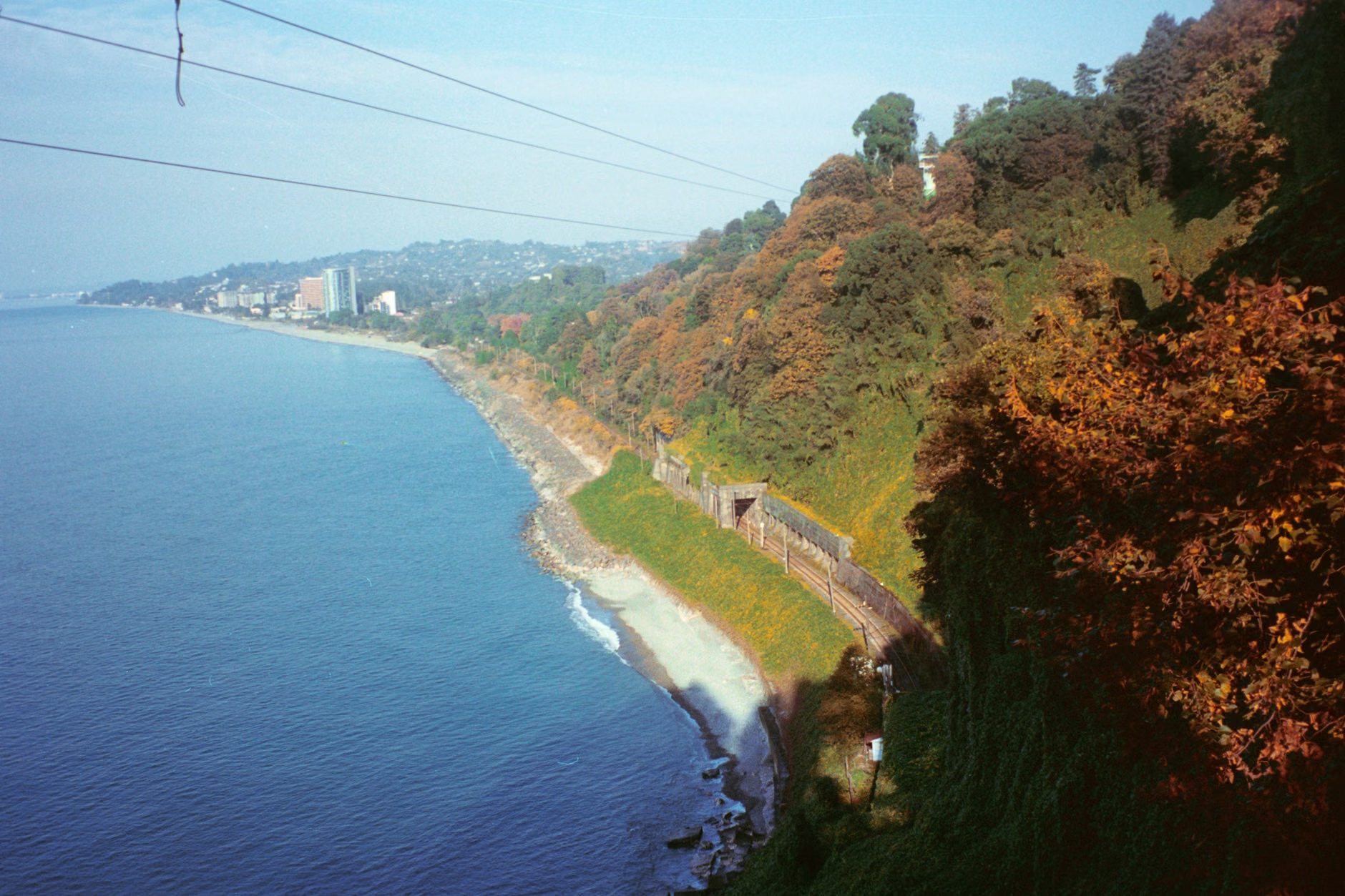
The psychological benefit of the train lies in the “rhythmic transition.” As the landscape shifts from urban concrete to coastal greenery, your brain undergoes a natural adjustment period. Research into environmental psychology suggests that viewing nature in motion—a phenomenon often called “soft fascination”—can lower cortisol levels more effectively than the static, stressful environment of a crowded plane cabin.
For parents, this is a game-changer. The train allows for mobility. You can stand up, walk to the dining car, or simply change seats without the restrictions of a seatbelt sign. When planning your coastal escape, view the rail journey as a “buffer zone.” If your trip is four hours long, that is four hours of mandated downtime where the only requirement is to exist. By the time you step onto the platform at your coastal destination, you haven’t just traveled; you have transitioned.
Building Your Quiet-Travel Itinerary: A Step-by-Step Framework
Quiet-Travel isn’t about booking a ticket and hoping for the best. It requires a logistical framework that prioritizes low-sensory input and maximum predictability. Here is how you structure your journey to ensure you arrive refreshed.
1. The “Off-Peak” Rule
The biggest mistake travelers make is attempting to align their travel with the “standard” weekend schedule. If you leave on a Friday afternoon or return on a Sunday evening, you are competing with commuters and high-volume leisure travelers. By shifting your itinerary to a Tuesday-to-Thursday window, you can often secure a “Quiet Coach” or a private compartment for a fraction of the price of a standard weekend ticket. Always check the operator’s website for “Off-Peak” or “Super Off-Peak” designations, which are specifically designed to incentivize travel during lower-density times.
2. The “Buffer Zone” Packing Strategy
Because you are traveling by rail, you are not subject to the same strict liquid or weight restrictions as air travel. Use this to your advantage. Pack a “Transit Kit” that includes noise-canceling headphones, a physical book (which reduces blue-light exposure), and a reusable water bottle. For parents, this is the time to introduce “silent activities”—drawing tablets or audiobooks—that don’t require high-stimulation screen time. Your goal is to keep the cabin environment as low-stimulus as possible.
3. Seat Selection as a Strategic Asset
Most modern rail lines now offer seat-selection maps. Prioritize seats near the end of carriages, away from the toilets and the vestibule areas where passenger traffic is highest. If you are traveling as a family, look for “Table Seats” that allow for communal activities, but ensure they are in a carriage marked for “Quiet” or “Low Noise.” If you are traveling solo or as a couple, opt for the single-row seats to ensure you aren’t interrupted by neighbors.
When comparing the cost of a coastal rail escape versus driving or flying, it is common to look only at the ticket price. This is a mistake. You must calculate the “Total Cost of Transit.”
| Factor | Rail Travel | Driving/Flying |
|---|---|---|
| Hidden Costs | Minimal (Station parking/local transit) | High (Gas, tolls, airport parking, rental car) |
| Stress Level | Low (Predictable, no traffic) | High (Traffic/Security delays) |
| Productivity | High (Reading/Working/Resting) | Zero (Driving/Boarding) |
The “hidden cost” of driving often includes fatigue, which can write off your first day of vacation entirely. If you arrive at your destination exhausted, you have effectively lost 24 hours of your holiday. The train, while sometimes more expensive upfront, preserves your time and energy. Always look for “Railcards” or “Family Passes” offered by national operators. In many countries, these can reduce ticket prices by up to 30%, making rail travel competitive with the total cost of fuel and parking for a long-distance drive.
The Coastal Context: Why the Destination Matters
Not all coastal destinations are created equal for the Quiet-Traveler. You want a location that is “rail-integrated”—meaning the station is either in the town center or a short, scenic walk from your accommodation. Avoid coastal towns that require a secondary 45-minute bus or taxi ride from the station, as this re-introduces the “logistical friction” you were trying to avoid.
Look for towns that promote “Slow Tourism.” These are destinations where the primary activities are walking, cycling, or visiting local markets. If your coastal escape requires a car to get from the train station to the beach, you are essentially just moving the stress of driving to your destination. Instead, seek out seaside villages that are walkable or well-connected by local shuttle services.
Common Misconceptions About Rail Travel
There is a persistent myth that rail travel is “too slow” for busy families. This perspective confuses speed with efficiency. While a flight might get you to a city in two hours, the total time commitment—including transit to the airport, check-in, security, boarding, and baggage claim—often totals six hours. A four-hour train journey, where you can remain seated and productive, is objectively more efficient.
Another misconception is that trains are inherently noisy or dirty. While this may have been true decades ago, modern rail infrastructure in many parts of the world—from the UK’s LNER to Japan’s Shinkansen or Europe’s Eurail network—has invested heavily in soundproofing and maintenance. By choosing “First Class” or “Premium” carriages, you often gain access to dedicated lounges and quieter seating areas, which are well worth the premium for a once-a-year family getaway.

Actionable Steps for Your Next Escape
If you are ready to book your first Quiet-Travel rail itinerary, follow these steps to ensure success:
- Map the Route: Use an aggregator like The Man in Seat 61 to identify the most scenic and direct rail routes in your region.
- The “Three-Month Rule”: Rail operators typically release tickets 12 weeks in advance. Set a reminder to book as soon as these windows open to secure the best seats at the lowest prices.
- Pre-Download Everything: Do not rely on train Wi-Fi. Download your movies, audiobooks, and playlists the night before. This eliminates the frustration of dropped connections.
- The “Station Arrival” Buffer: Arrive at the station 20 minutes before departure. This is enough time to locate your platform and grab a coffee, but not enough time to build up the “terminal anxiety” associated with airports.
Refining Your Expectations
The goal of Quiet-Travel is not perfection, but intentionality. There will be times when the train is delayed or a nearby passenger is louder than you would like. The difference is that you are now in a position of control. You have your noise-canceling headphones, you have a pre-downloaded book, and you are not responsible for navigating a vehicle through traffic. You are a passenger in the truest sense of the word, and that is a rare luxury in our current era.
As you plan your next coastal escape, remember that the vacation begins the moment you board the train. Don’t view the travel time as lost time. View it as a paid sabbatical from the demands of your daily routine. By choosing the rail, you are choosing to prioritize your mental space, your family’s comfort, and the environment. It is a small change in logistics, but it creates a massive shift in the quality of your time away.
Frequently Asked Questions
How do I handle luggage on a train with children?
The key is to limit your luggage to what you can carry comfortably while holding a child’s hand. Use “modular packing”—smaller bags that fit easily into overhead racks rather than one massive suitcase that needs to be hauled into a luggage bay. If you are traveling with a stroller, look for trains with dedicated “Multi-purpose” or “Accessibility” areas, which provide extra floor space.
What if the train is delayed?
Rail delays are usually communicated via apps in real-time. Unlike a flight, where a delay often means being trapped in a terminal, a train station is usually located in a town center. If you are delayed, it is perfectly acceptable to leave the station and grab a coffee or a meal nearby. You are not “trapped” in the same way you are at an airport.
Is “Quiet-Travel” actually cheaper than driving?
When you account for the full cost of a car—fuel, wear and tear, highway tolls, and destination parking—rail travel is often comparable. However, the true value is in the “Opportunity Cost.” By reclaiming the hours spent driving, you gain high-quality time with your family or yourself, which is something you cannot buy once you reach the beach.
For more information on planning your rail journey, visit The Man in Seat 61 for comprehensive route guides or check your local national rail operator’s official website for specific ticket conditions and quiet-zone availability.