Key Takeaways
- Prioritize Experiences over Physical Objects: Giving your time or access to events eliminates shipping waste and clutter while creating lasting memories.
- Normalize Pre-loved Gifting: Purchasing high-quality refurbished or vintage goods is a viable, budget-friendly, and environmentally responsible choice for children and adults alike.
- Implement a ‘Gifting Collective’: Coordinate with family members to pool resources for one significant, high-quality, durable gift rather than dozens of small, disposable items.
The most effective way to reduce holiday waste is to stop viewing gifting as a transactional obligation and start viewing it as a curated contribution to the recipient’s life. Every December, households are flooded with plastic packaging, non-recyclable wrapping paper, and items that lose their novelty by January 2nd. For parents in their 30s and 40s, the mental load of managing this influx—sorting, storing, or eventually disposing of these items—is a significant, often unspoken, source of holiday stress.
Zero-waste gifting isn’t about depriving your children or loved ones of joy; it is about shifting the focus from quantity to quality. This guide breaks down how you can reclaim your holiday sanity by choosing gifts that last, matter, and don’t end up in a landfill.
The Hidden Math of Holiday Waste
It is easy to underestimate the sheer volume of waste generated during the holiday season. According to data from the Stanford University Office of Sustainability, Americans throw away 25% more trash during the period between Thanksgiving and New Year’s than at any other time of year. That equates to roughly 25 million tons of additional garbage. When you break this down, a significant portion comes from product packaging and discarded plastic toys.
For a parent, this isn’t just an environmental statistic; it’s a logistical nightmare. You are the one who has to break down the cardboard boxes, figure out which plastics are recyclable (hint: many aren’t), and clear space in the playroom. By adopting a zero-waste mindset, you aren’t just saving the planet—you are saving yourself hours of post-holiday cleanup.
The “One-In, One-Out” Rule for Gifts: If you find it impossible to avoid physical gifts entirely, implement a strict household rule: for every new item that enters the home, one item of similar size must be donated or responsibly recycled. This prevents the “clutter creep” that inevitably follows the holiday season.

Why ‘Experiences’ Are the Ultimate Zero-Waste Gift
The most sustainable gift you can give is one that requires no manufacturing, no shipping, and leaves no physical footprint. Experiences—such as museum memberships, music lessons, or a day trip to a nearby state park—are consistently ranked as higher-value gifts by recipients, yet they are the most underutilized category during the holidays.
How to execute the experience gift:
- The Membership Model: Instead of buying a toy that will be ignored after a week, purchase a family pass to a local zoo, botanical garden, or science center. This provides 365 days of value.
- The Skill-Building Gift: Enroll a child or partner in a class they’ve expressed interest in, such as pottery, coding, or swimming.
- The ‘Time’ Voucher: For younger children, create custom coupons for “one afternoon at the park” or “one home-cooked breakfast of your choice.” These are often more cherished than mass-produced plastic items.
When giving an experience, the presentation matters. Since you don’t have a box to wrap, the temptation is to buy a card or a plastic gift card holder. Avoid this by using a small, reusable tin or a piece of fabric to wrap a printed itinerary or a simple handmade card. This keeps the spirit of “opening a gift” alive without the waste.
Normalizing Pre-loved and Refurbished Goods
There is a persistent, outdated stigma that buying second-hand gifts is “cheap.” In our current economic and environmental climate, this perception is shifting. Purchasing high-quality, pre-loved items—especially for children—is actually a sign of thoughtful, intentional parenting.
Criteria for choosing pre-loved gifts:
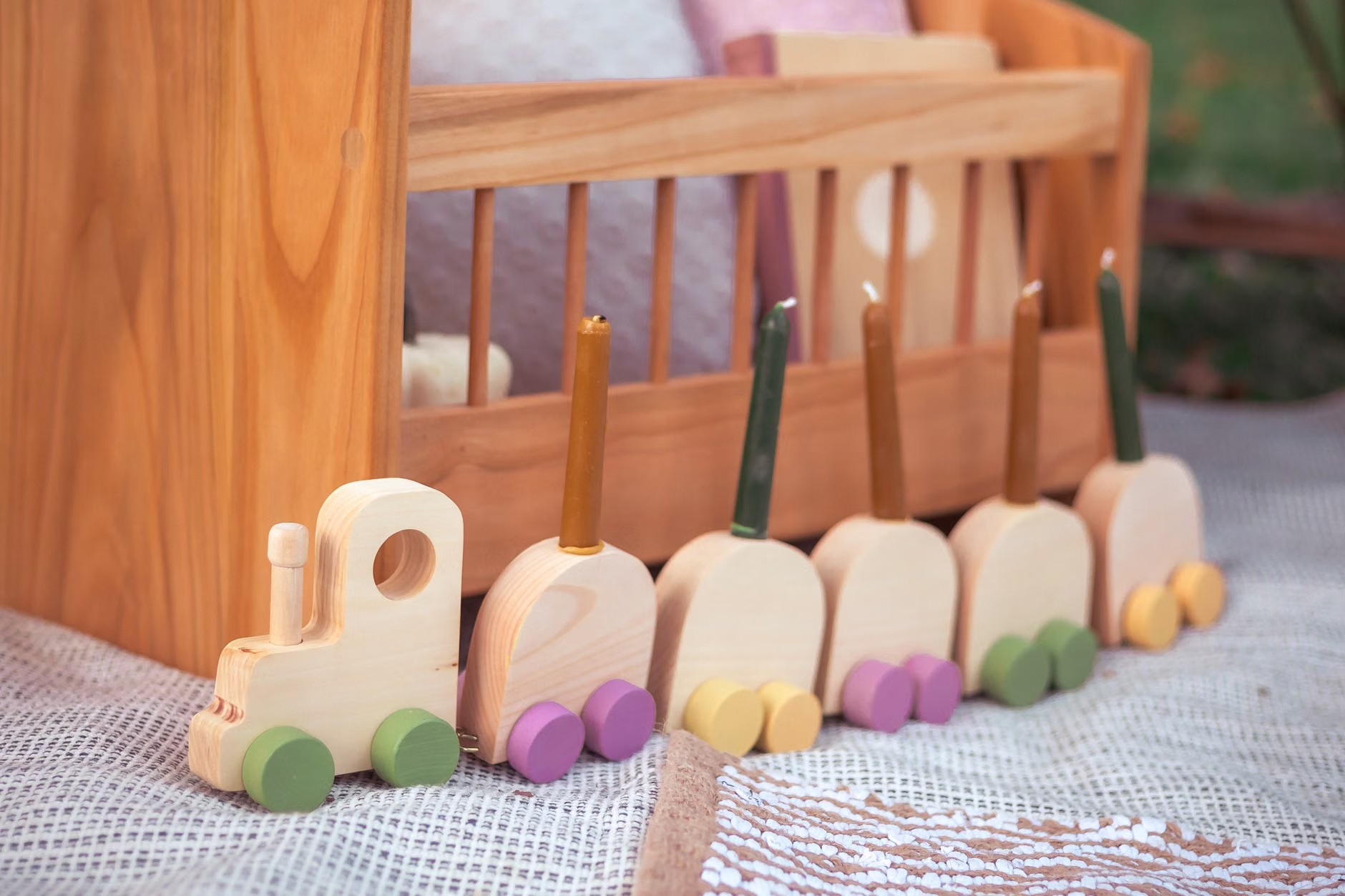
- Durability: Look for classic wooden toys, high-quality board games, or vintage books that have stood the test of time.
- Cleanability: Only buy items that can be thoroughly sanitized. Plastic toys with deep crevices are harder to clean than solid wood or metal items.
- Completeness: Ensure all pieces are present, especially with puzzles or board games. If buying online, ask the seller specifically about missing parts.
Many parents in their 30s are now turning to platforms like eBay, Vinted, or local consignment shops. These items are not only cheaper, but they are often already assembled, which saves you the stress of building complex toys on Christmas Eve. A well-maintained, vintage LEGO set or a classic dollhouse is often more structurally sound than the budget plastic equivalents sold in big-box stores today.

The ‘Gifting Collective’: A Strategic Approach
One of the biggest drivers of holiday waste is the “quantity over quality” trap. If you have a large extended family, everyone feels the pressure to buy something for everyone else. This results in a pile of small, inexpensive, disposable gifts that no one really wants. This is where the Gifting Collective model comes in.
How to set up a collective:
| Step | Action |
|---|---|
| 1. The Agreement | Reach out to family members in November and propose a “quality over quantity” pact. |
| 2. The Pool | Instead of five people buying five $20 plastic toys, everyone contributes $20 to buy one $100 high-quality, durable gift (e.g., a high-end bicycle or a musical instrument). |
| 3. The Delivery | The gift is presented from the entire group, fostering a sense of community rather than individual competition. |
This approach isn’t just eco-friendly; it’s a massive time saver. You reduce the number of shopping trips, the amount of wrapping, and the post-holiday clutter. It also teaches children the value of delayed gratification and the importance of investing in things that last.
Common Mistakes and How to Avoid Them
Even with the best intentions, it is easy to fall into “Greenwashing” traps. Here are a few common pitfalls that parents often encounter when trying to transition to zero-waste holidays:
1. Buying “Eco-Friendly” Plastic: Don’t be fooled by labels claiming a product is “biodegradable plastic.” Most of these require industrial composting facilities that your local municipality likely does not have. If it looks like plastic and feels like plastic, it will likely sit in a landfill for centuries, regardless of the marketing claims.
2. The “Wrapping Paper” Trap: Most commercial wrapping paper is coated in plastic, glitter, or metallic dyes, making it non-recyclable. If you must wrap gifts, use brown butcher paper, old newspapers, or fabric scraps (the Japanese art of Furoshiki). These are entirely compostable or reusable.
3. Over-compensating: Some parents fear that a zero-waste holiday will feel “less” for their children. If you feel this way, focus on traditions rather than items. A family hike, a hot cocoa night, or a holiday movie marathon creates emotional anchors that a plastic toy simply cannot replicate. The “lack” of a pile of gifts is only noticed if you don’t replace that time with meaningful interaction.
The Practical Guide to Sustainable Wrapping
Wrapping is the first thing to hit the trash, yet it requires significant resources to produce. If you want to eliminate waste, stop buying rolls of glossy paper. Here is a simple decision matrix for your wrapping needs:
- The “Furoshiki” Method: Use scarves, tea towels, or leftover fabric. This is a two-in-one gift, as the wrapping itself is a useful item.
- The “Upcycled” Method: Use children’s artwork from the previous year, old maps, or sheet music. These add a personal, nostalgic touch that store-bought paper cannot match.
- The “Minimalist” Method: If you must use paper, choose unbleached, recycled brown kraft paper and secure it with twine. It looks sophisticated and is 100% recyclable or compostable.
Pro-Tip: Avoid using plastic-based adhesive tape. Use paper-based masking tape or, better yet, learn simple folding techniques that require no tape at all. It takes a little practice, but it eliminates the micro-plastics that end up in your recycling stream.
Managing Expectations with Family
Transitioning to a zero-waste lifestyle often meets resistance from family members who view gift-giving as a primary love language. It is important to approach these conversations with grace. You don’t have to be the “zero-waste police” at your family gathering.
Instead of telling family members what they can’t do, focus on what you would like to receive. Create a “wish list” that explicitly includes experiences, consumables (like high-quality coffee or local honey), or items you genuinely need. When you provide a clear path for others to follow, they are much more likely to respect your boundaries.
If someone still insists on buying a plastic toy you’d rather not have, accept it with gratitude, and then quietly donate it to a local women’s shelter or a charity shop in its original packaging. Your goal is to manage your home’s environment, not to police the behavior of others. Maintaining your own peace of mind is part of a sustainable lifestyle.
The Long-Term Impact of Small Changes
The cumulative effect of choosing zero-waste options over a decade is significant. You are essentially curbing the production of dozens of low-quality items that would have eventually become waste. More importantly, you are modeling a different way of existing in the world for your children. They will grow up understanding that value is not tied to the number of boxes under a tree, but to the experiences shared and the thoughtfulness behind a gesture.
As you navigate this holiday season, remember that perfection is not the goal. The goal is to reduce the noise, the clutter, and the waste, and to replace it with space—space for your family, space for rest, and space for the things that truly matter. If you manage to save just one bag of trash from the landfill this year, you have already succeeded.
Next Steps: Start by identifying one area—be it the wrapping or the gift exchange—where you can make a change this year. Do not try to overhaul your entire holiday tradition overnight. Sustainable living is a marathon, not a sprint. Start where you are, use what you have, and focus on the joy of the season rather than the logistics of the consumption.
Frequently Asked Questions
Q: How do I handle gifts from relatives who refuse to stop buying plastic toys?
A: It’s best to be honest but kind. Explain that you are trying to simplify your home to reduce stress and that you’d love it if they considered an experience or a contribution to a savings fund instead. If they persist, accept the gift gracefully, and then quietly donate it to a local charity. The gift has served its purpose as an expression of their affection; you are not obligated to keep the physical object if it doesn’t align with your values.
Q: Is it really ‘zero-waste’ if I have to drive to a location to use an experience gift?
A: Zero-waste is a philosophy of reduction, not a state of absolute perfection. While travel has a carbon footprint, it is generally much lower than the resource-heavy process of manufacturing, packaging, shipping, and eventually disposing of a physical product. Focus on local experiences to minimize travel, and remember that the goal is to make better choices, not to be paralyzed by the perfect ones.
Q: What are the best ‘consumable’ gifts for people who have everything?
A: Consumables are excellent zero-waste gifts because they are used up and leave no clutter. Focus on high-quality, locally sourced items such as artisanal honey, small-batch coffee beans, organic loose-leaf teas, or homemade preserves. These items provide a sensory experience without creating long-term storage issues. Always prioritize local producers to reduce the shipping footprint further.
For further reading on sustainable consumption habits, consult the EPA’s guide to reducing and reusing, which provides a foundational look at how household choices impact national waste streams.