- Repairing is 70-90% cheaper: Fixing a $400 STEM kit or high-end electronic toy usually costs less than $20 in parts at a repair cafe, compared to full replacement costs.
- The ‘Circular’ shift is structural: This isn’t just a hobby; it’s a response to ‘Design for Disassembly’ trends where manufacturers are starting to provide schematics to community hubs.
- Skill-sharing beats DIY videos: While YouTube helps, repair cafes provide the $500+ specialized tools (3D scanners, ultrasonic cleaners, oscilloscopes) that most parents don’t own.
The most effective way to fight the rising cost of parenting and the “disposable” culture of modern play is to stop viewing a broken toy as trash and start seeing it as a repairable asset. If you are in your 30s or 40s, you likely grew up in a world where things were built to last, yet you are now raising children in an era of “planned obsolescence.” The Circular-Repair cafe movement is the bridge between these two worlds, offering a community-driven solution to save those $500 robotic dogs and $300 wooden railway sets that the manufacturer says “cannot be serviced.”
We have all been there. You spent a significant chunk of your holiday budget on a “smart” toy that promises to teach your child coding, only for a single plastic gear to snap three months later. You call the manufacturer, and they offer a 10% discount on a new one because “parts are not available.” It feels like a betrayal of both your wallet and the planet. This is where the specialized toy repair movement steps in, turning community centers into high-tech “toy hospitals” where the goal isn’t just a fix, but a lesson in the circular economy.
## Why High-End Toys Fail and Why We Can’t Just Buy New Ones
The toys we buy today are significantly more complex than the solid plastic blocks of the 1980s. High-end toys—think Tonies, Anki robots, LEGO Mindstorms, or even high-fidelity wooden sets from brands like Brio—are essentially consumer electronics wrapped in play-friendly shells. They fail because of three primary reasons: **mechanical fatigue** (gears stripping), **battery degradation** (lithium cells dying), and **planned obsolescence** (software no longer supported or proprietary screws preventing entry).
For a parent in their 40s, the “just buy a new one” mentality is increasingly unpalatable. It’s not just about the money; it’s about the message we send to our kids. If we toss a $200 item because a $0.50 wire came loose, we are teaching them that value is fleeting. Furthermore, the environmental impact of “e-waste” from toys is staggering. Toys are one of the largest contributors to plastic waste, and electronic toys add toxic heavy metals to the mix. The circular-repair movement addresses this by keeping these high-value items in the “loop” for as long as possible.
## The Anatomy of a Repair Cafe: More Than Just a Toolkit
A repair cafe is not a shop where you drop off an item and pick it up later. It is a collaborative space. When you walk into a specialized toy repair session, you are matched with a “fixer”—often a retired engineer, a tech-savvy hobbyist, or a fellow parent with a knack for soldering.
The “Circular” part of the name refers to the **Circular Economy**, a model of production and consumption that involves sharing, leasing, reusing, repairing, refurbishing, and recycling existing materials and products as long as possible. In these cafes, the tools are the stars. You will often find:
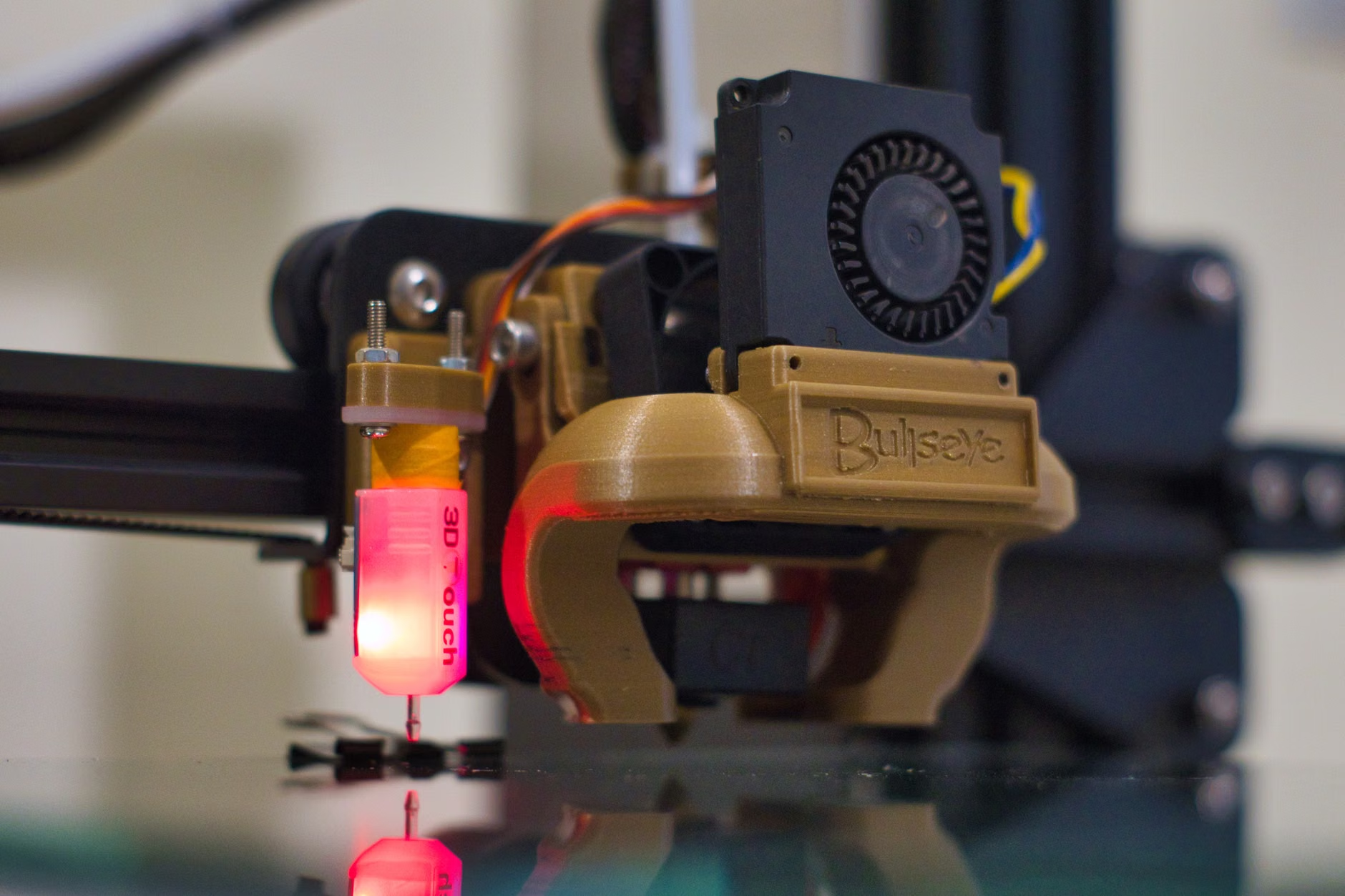
* **3D Printers:** Used to fabricate gears or battery covers that the manufacturer stopped making years ago.
* **Ultrasonic Cleaners:** Essential for removing battery leakage corrosion from vintage or high-end electronic toys without damaging the delicate circuits.
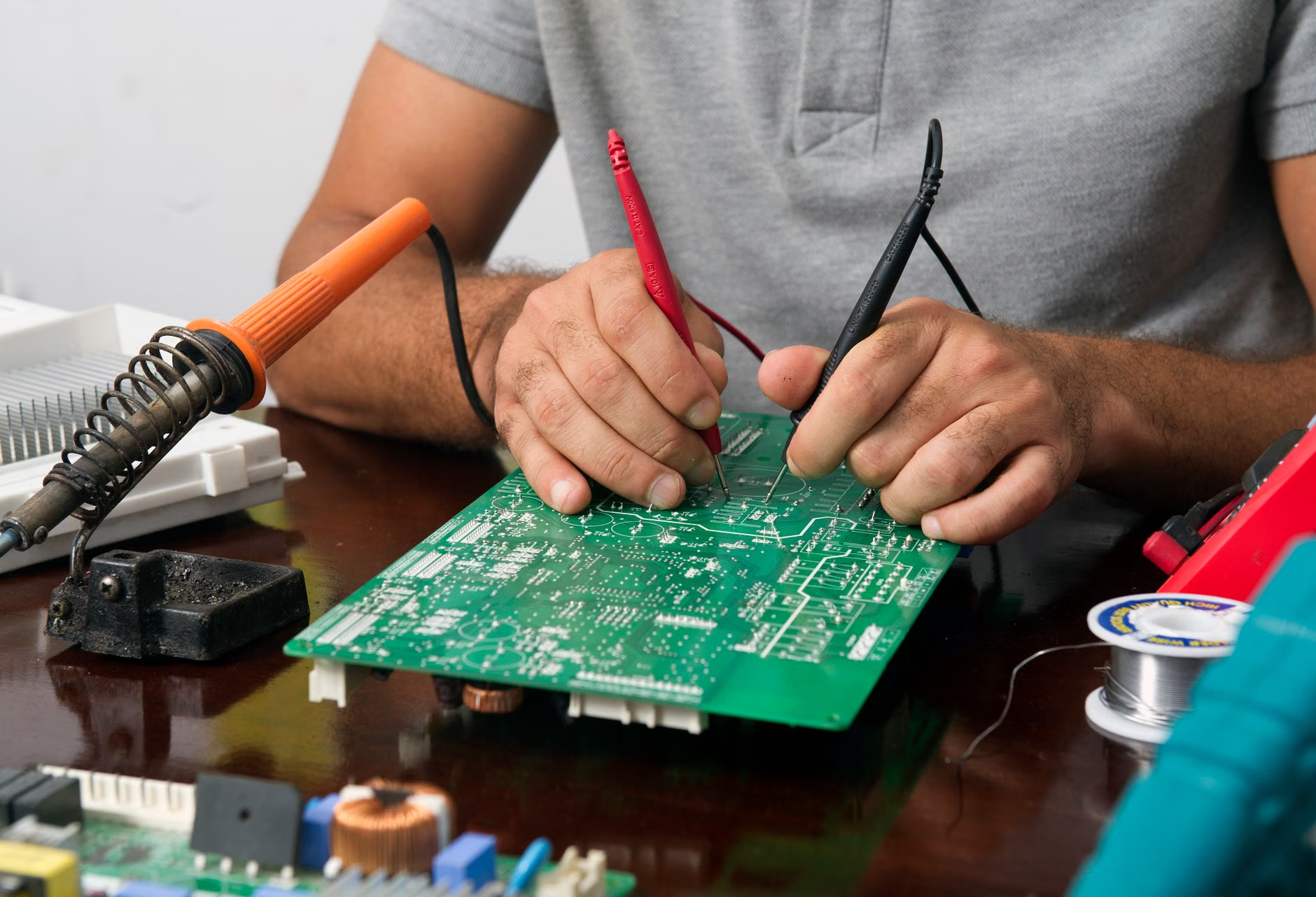
* **Digital Multimeters and Oscilloscopes:** To diagnose exactly which capacitor on a circuit board has failed.
* **Specialized Adhesives:** Industrial-grade resins that can bond “un-bondable” plastics like polypropylene.
## The Real-World Cost of Repair vs. Replacement
Let’s look at the numbers. If you own a high-end electronic toy that has stopped working, your options usually look like this:
| Factor | Manufacturer Replacement | Professional Restoration | Circular-Repair Cafe |
|---|---|---|---|
| Direct Cost | $150 – $500 (Full price) | $80 – $200 (Labor + Parts) | $5 – $20 (Donation/Parts) |
| Time Investment | Low (Shipping time) | Medium (2-4 weeks) | High (2-3 hours on-site) |
| Success Rate | 100% (New item) | 90% | 70-85% |
| Educational Value | Zero | Low | Very High (You do the work) |
The “High” time investment of a repair cafe is actually a hidden benefit. For parents in their 30s and 40s, this is “quality time” redefined. You are showing your child how to problem-solve. You are showing them that a “broken” thing is just a puzzle waiting to be solved.
## Common High-End Toy Failures and How They Are Fixed
If you are considering visiting a repair cafe, it helps to know what can actually be fixed. Not everything is a goner.
### 1. The “Dead” Battery in Non-Replaceable Compartments
Many high-end toys are now “sealed for your safety,” which is often code for “sealed so you have to buy a new one when the battery dies.” Repair cafes use specialized “spudgers” and heat guns to open these cases without cracking the plastic. They then desolder the old lithium-polymer (LiPo) battery and install a new, often higher-capacity one. This can bring a $300 robot back to life for about $12.
### 2. Stripped Plastic Gears in Motorized Sets
This is the Achilles’ heel of high-end moving toys. A child holds a moving part, the motor keeps turning, and the plastic teeth on the internal gears strip away. In a repair cafe, if a replacement part isn’t available on eBay, the fixer will use a 3D scanner to model the broken gear and print a new one in **Nylon or ABS plastic**, which is often stronger than the original.
### 3. Corroded Battery Terminals
We’ve all forgotten to take the AA batteries out of a toy before putting it in storage. The resulting acid leak looks like a death sentence. However, a mixture of white vinegar (to neutralize the base) and a trip through an ultrasonic cleaner can often restore the terminals to mint condition.
## The Ethical and Legal Battle: The Right to Repair
Why is a movement like this even necessary? For the last decade, manufacturers have been moving toward “black box” designs. They use proprietary screws (like pentalobe or tri-wing) to keep you out. They refuse to sell individual components.
The Circular-Repair movement is closely tied to the **”Right to Repair”** legislation gaining ground in the EU and parts of the US (like California and New York). These laws are starting to mandate that manufacturers provide repair manuals and spare parts for a set number of years. For the high-end toy market, this is a game-changer. It means the “fixers” at your local cafe will soon have official schematics to help them navigate the complex internals of your child’s favorite gadgets.
## How to Find and Prepare for a Repair Cafe Visit
You can’t just show up with a bag of shattered plastic and expect miracles. To get the most out of the experience, follow these steps:
1. **Find a specialized hub:** Use the [Repair Café International](https://www.repaircafe.org/en/) map. Look for “Kid-Specific” or “Electronics” focused events.
2. **Diagnose at home:** Try to identify *when* it stopped working. Did it drop? Did it get wet? Was there a “pop” sound? This saves the volunteer 30 minutes of guesswork.
3. **Bring all the bits:** Even the tiny shards of plastic that broke off. They can often be used as a template for a 3D print or can be “plastic welded” back together.
4. **Check for proprietary parts:** If you know the battery is dead, buy the replacement online beforehand and bring it with you. The cafe provides the tools and expertise, but they don’t stock every possible battery size.
## The Psychological Impact: Teaching Resilience Through Repair
There is a specific kind of “toy grief” that children experience when a beloved object breaks. As parents, our instinct is to fix the feeling by buying a replacement immediately. The circular-repair movement suggests a different path: **shared resilience.**
When a child watches a volunteer struggle, try three different ways to fix a toy, and finally succeed, the child learns that failure isn’t final. They learn that “broken” isn’t a permanent state. This psychological benefit is arguably more valuable than the $200 you saved on a new toy. It builds a “maker mindset” that will serve them well in a future where technical literacy is non-negotiable.
## The Future: Brands Joining the Circle
Interestingly, some high-end brands are seeing the writing on the wall. **LEGO** has launched the “Replay” program, and companies like **Patagonia** (though not a toy brand) have set the gold standard for “repair over replace.” We are beginning to see high-end toy manufacturers offer “Repair Kits” directly to consumers.
The goal for us, as parents in the “sandwich generation” (caring for kids and aging parents), is to support these initiatives. When choosing a new high-end toy, we should be asking: “Can I open this? Are parts available? Is there a community of people fixing these?” If the answer is no, that $400 price tag is actually a $400 subscription that expires the moment a wire snaps.
## Practical Advice for the “At-Home” Fixer
If you can’t find a repair cafe nearby, you can start your own mini-circular hub at home. You don’t need an engineering degree.
* **Invest in a “Bit Kit”:** A 64-bit precision driver kit (like those from iFixit) will get you past 90% of the “security screws” used in high-end toys.
* **Use “Sugru”:** This is a moldable glue that turns into silicone rubber. It is perfect for rebuilding broken plastic joints or reinforcing fraying charging cables.
* **The “Multimeter” rule:** If an electronic toy won’t turn on, 80% of the time it’s a broken solder joint at the battery terminal. A $15 soldering iron and a 5-minute YouTube tutorial can fix this.
## Final Thoughts: The New Status Symbol
In the 90s and 2000s, having the newest, shiniest toy was the status symbol. In the 2020s, the real “cool” factor is the parent who can say, “Oh, this? It’s a 10-year-old original Anki Cozmo. We’ve replaced the battery twice and 3D-printed a new lift arm. It works better than the day we bought it.”
The circular-repair movement isn’t about being “cheap.” It’s about being **resourceful, responsible, and resilient.** It’s about reclaiming the joy of understanding how things work. So, before you click “Add to Cart” on a replacement, check your local community board for the next Repair Cafe. Your wallet, your child, and the planet will thank you.
Official Resources for Finding Repair Hubs:
- Repair Café International: https://www.repaircafe.org/en/ (The global standard for finding local events)
- The Restart Project: https://therestartproject.org/ (Focuses on electronic repair and policy)
- iFixit Toy Repair Guides: https://www.ifixit.com/Device/Toy (Step-by-step manuals for popular high-end toys)
### FAQ
Q: Are repair cafes safe for fixing toys with lithium batteries?
A: Yes, but with a caveat. Most repair cafes have experienced electrical volunteers who understand battery safety. However, always inform the volunteer if a battery is swollen or leaking, as these require specific handling and disposal to prevent fire risks.
Q: Will fixing my toy at a repair cafe void my warranty?
A: Technically, yes. Most manufacturers state that “unauthorized repair” voids the warranty. However, most people visit repair cafes *after* the 1-year warranty has expired or after the manufacturer has already refused to help. If your toy is still under warranty, always contact the manufacturer first.
Q: I have no technical skills. Can I still participate?
A: Absolutely. The “Circular-Repair” movement is based on the idea of “learning by doing.” You aren’t expected to know how to solder. You are expected to sit with the fixer, help hold parts, and learn the process. It’s a collaborative effort, not a drop-off service.
—
*The best way to save a toy is to never let it become ‘trash’ in your mind. Every screw turned and every wire soldered is a small victory against a disposable world.*